Best Sabot for a Wet-Weather Muzzleloader Hunt
There’s nothing quite like the feeling of anticipating a muzzleloader hunt in New Hampshire, setting your sights on those crisp late-season woods. But let's be honest, those crisp days often turn into cold, damp, or downright rainy ones. If you've ever had a shot at a great buck only to hear a disheartening "click" instead of a roar because moisture got into your powder, you know the frustration. This guide is all about helping you beat the elements by choosing the best sabot for a wet-weather muzzleloader hunt, ensuring your rifle performs when it matters most, even when Mother Nature is doing her worst.
The Muzzleloader's Achilles Heel: Moisture
Muzzleloaders are fantastic tools for hunting, offering a unique challenge and connection to tradition. However, their very design—loading from the front—introduces a critical vulnerability: moisture. A damp muzzleloader is often a silent one, and in New Hampshire's often unpredictable late-fall and early-winter weather, that can mean a missed opportunity.
Why Wet Weather is Such a Challenge for Muzzleloaders
The primary culprit is the open nature of the muzzleloader's ignition system and powder charge. Unlike modern cartridge rifles, where the primer, powder, and bullet are sealed within a brass casing, a muzzleloader's components are typically loaded separately. Black powder or a substitute powder is hygroscopic, meaning it readily absorbs moisture from the air. Even a tiny bit of dampness can degrade its performance, leading to misfires, hangfires, or simply a weak charge that doesn't propel the bullet effectively.
Then there's the ignition system itself. Whether you're using a percussion cap on a nipple or a 209 primer in a breach plug, these are exposed to the elements to varying degrees. Rain, snow, or even heavy fog can seep into these critical areas, contaminating the primer's compound or dampening the powder just enough to prevent a clean, powerful ignition. It’s a real kick in the teeth when you've done all the scouting, found the perfect stand, and a magnificent animal steps out, only for your equipment to fail.
The Role of the Sabot in Weatherproofing Your Load
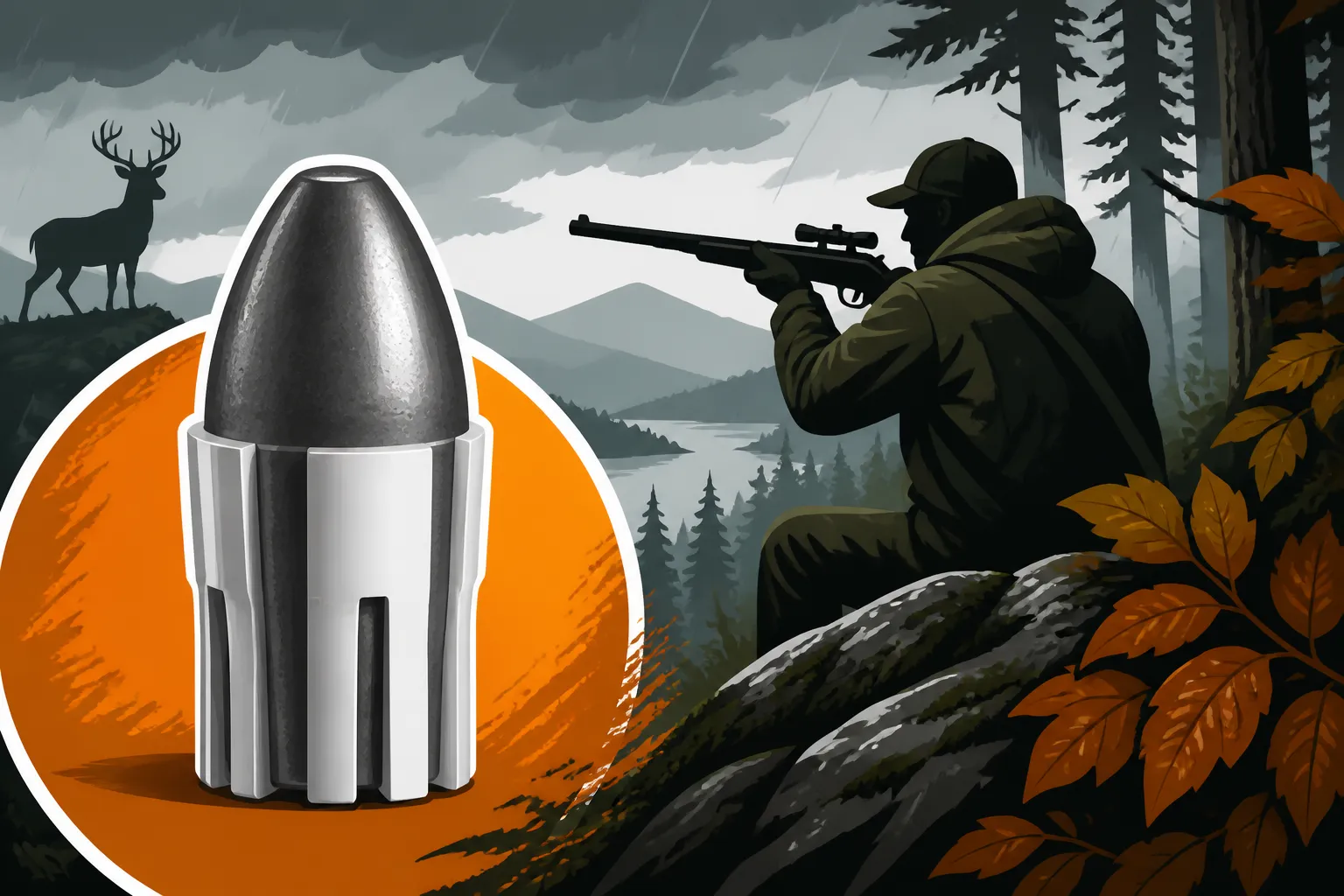
This is where your sabot becomes an unsung hero, not just for accuracy, but for protecting your precious powder charge. A sabot is that plastic cup or sleeve that holds a smaller-diameter bullet snugly in the larger bore of your muzzleloader. Beyond centering the bullet and allowing it to engage the rifling, a well-designed sabot creates a seal. This seal is crucial for generating consistent pressure, which translates to velocity and accuracy.
But a good sabot does more. It acts as a primary barrier against moisture working its way down the barrel and contaminating the powder. When seated properly, it forms a tight fit, essentially capping the powder charge from the front. While it won't prevent moisture from entering via the breach plug or nipple, it significantly reduces the pathways for water to reach your powder from the muzzle end, where rain and snow can easily fall in. Think of it as a mini-umbrella for your powder.
The Reality of Hunting in New Hampshire's Rain and Snow
Anyone who's spent time in the New Hampshire woods knows that "fair weather" hunting days during muzzleloader season are often few and far between. We typically get our Muzzleloader Deer Hunting in New Hampshire season in late October or early to mid-December, and those periods are notorious for everything from frosty mornings to persistent drizzle, heavy rain, or even early snowfalls. You might be still-hunting through a snow-dusted pine stand or sitting patiently in a stand as a cold rain drizzles through the hardwoods.
These are the conditions where a reliable muzzleloader setup truly shines, or, conversely, where a poorly chosen sabot or lack of preparation will utterly fail you. Preparing for these conditions isn't just about comfort; it's about ethical hunting. You need to be confident that your shot will fire, and fire true, every single time. This is especially true when you're out Hunting New Hampshire's Muzzleloader-Only Ten Days, where every minute counts.
Key Characteristics of a Wet-Weather Sabot
When the skies open up over the White Mountains or a damp fog rolls through the Lakes Region, your choice of sabot can make or break your hunt. It's not just about what shoots accurately; it's about what seals reliably against the relentless New Hampshire weather.
Material and Fit
The material of your sabot is critical. Most are made from various polymers, often a polyethylene blend. Some popular brands, like MMP and Harvester, have developed specific polymer blends designed for durability and consistent performance across temperature ranges. For wet weather, you want a material that maintains its integrity and tight fit even when cold and damp. A sabot that becomes brittle or too pliable when exposed to moisture or cold can compromise the seal.
Equally important is the fit. A proper sabot should require firm, consistent pressure to load down the barrel. It shouldn't feel loose, and it shouldn't be so tight that you risk deforming the bullet or sabot during seating. That snug fit is what creates the air- and moisture-tight seal around your powder charge. If you can easily push a sabot and bullet down the bore, it’s probably not going to offer reliable moisture protection. Every muzzleloader barrel can be a little different, even from the same manufacturer, so testing various sabot brands and bullet combinations in your specific rifle is paramount. It's a bit like finding the perfect pair of Boots for New Hampshire's Granite Terrain—it needs to be just right for you.
Design Features for Reliability
Beyond material and fit, the actual design of the sabot plays a huge role. Look for sabots with a robust, yet flexible, skirt design. The skirt is the base of the sabot that flares out to meet the rifling. In wet conditions, this skirt needs to form a complete, consistent seal to prevent water from wicking in. Some sabots have a more pronounced cup shape at the base, which can offer an extra layer of protection by encapsulating the powder.
Another aspect is the crimp or "petals" that hold the bullet. While this primarily affects accuracy and bullet retention, a well-formed petal design can also contribute to the overall integrity of the sabot against external forces, including moisture. A design that minimizes gaps or pathways for water to ingress, while still releasing the bullet cleanly upon firing, is ideal. When you're Choosing a Muzzleloader for the Ten-Day Season, considering sabot performance in less-than-ideal conditions should be a top priority.
Understanding Your Muzzleloader's Specific Needs
Just like different rifles prefer different bullet weights, different muzzleloaders can prefer specific sabot designs. Some barrels, particularly those with a faster twist rate, might stabilize a particular bullet-sabot combination better. However, for wet-weather hunting, the fit is king. A brand like CVA, Traditions, or Thompson/Center might have slightly different bore tolerances. What works perfectly in one rifle might be too loose or too tight in another.
This means experimentation is key. You might find that a .452 caliber bullet with a .50 caliber MMP HPH-12 sabot seals perfectly in your TC Impact, while your buddy's CVA Optima shoots better with a Harvester Crush Rib. Don't be afraid to try a few different options. Spend some time at the range, not just for accuracy, but to get a feel for the loading pressure and consistency. You want a consistent ramming pressure that indicates a good seal. This isn't just about projectile velocity; it's about peace of mind when the rain starts to fall. GoHunt resources often highlight various muzzleloader setups and their component preferences, which can be a great starting point for research.
Top Sabot Choices for New Hampshire's Wet Conditions
Choosing the right sabot isn't just about accuracy on a sunny day; it's about unwavering performance when the weather turns nasty, which is often the case during New Hampshire's muzzleloader season. You need sabots that actively resist moisture and maintain a tight seal.
Established Performers and Their Advantages
When it comes to wet weather, certain sabots have earned a reputation among experienced muzzleloader hunters. The MMP HPH-12 (specifically designed for .452 diameter bullets in a .50 caliber bore) and the Harvester Crush Rib are often cited as excellent choices.
The MMP HPH-12 is known for its relatively thick petals and robust base, providing a very tight seal. Many hunters find that this sabot offers a consistent loading feel and holds up well in adverse conditions. Its snug fit not only aids accuracy but acts as a strong barrier against moisture attempting to wick down the bore. When paired with a reliable bullet, it's a solid contender for any New Hampshire hunter.
Harvester's Crush Rib sabots are another fantastic option, particularly if you find other sabots too tight in your barrel. The "ribs" along the sabot's body are designed to compress and conform to the rifling, creating an excellent seal even in barrels with slight variations. This design makes them somewhat more forgiving on the loading ram, yet they still provide a reliable seal against powder contamination. For hunters struggling with overly tight sabots, the Crush Rib can be a game-changer, ensuring a consistent and dry load. These are often discussed when looking at Sabot Choices for a Ten-Day Muzzleloader Season because of their adaptability.
Matching Sabot to Bullet for Optimal Sealing
It’s crucial to remember that a sabot doesn't work in isolation; it's part of a system. The sabot and the bullet must be perfectly matched. You can have the best wet-weather sabot in the world, but if it's holding a bullet that's too small or oddly shaped, the overall integrity of your load can be compromised. Most sabots are designed for specific bullet diameters (e.g., .452", .458").
Popular bullets like Hornady SST, Barnes Expander, and Federal Premium B.O.R. Lock MZ bullets (which often come with their own specialized sabots) are frequently chosen for their ballistic performance, but also consider how well their base integrates with the sabot you've chosen. A bullet with a flat or slightly concave base often seats more effectively into a sabot, creating a better seal against the powder. Conversely, some bullets with very tapered or sharp bases might not create as strong of a seal. Testing different bullet brands and their corresponding sabot fits is essential for both accuracy and weather resistance. Many hunters consult platforms like GoHunt for reviews on different bullet-sabot combinations and their field performance.
Real-World Testing and Experience
Ultimately, the "best" sabot is the one that performs reliably in your muzzleloader under your hunting conditions. You simply have to get out to the range and test them. Don’t just shoot on a sunny afternoon; if possible, test them after leaving your rifle out in some damp weather for a bit (safely, of course, ensuring the bore is clear). Practice loading your preferred bullet and sabot combination repeatedly to ensure you can do it quickly and effectively, even with cold, gloved hands.
Think about the conditions you typically hunt in. If you're often Hunting a Beaver Flowage Edge in late fall, you're going to encounter more moisture than someone hunting a dry ridgeline. Simulate those conditions at the range. Does the sabot load consistently? Does the rifle fire reliably? Does it group well? These real-world experiences are invaluable. It's not just about theoretical performance; it's about what you can trust when that big buck finally steps out in the driving rain. This comprehensive approach is part of ensuring you have the Best In-Line Muzzleloader for Wet Fall Weather setup possible.
| Sabot Type / Feature | Primary Advantage in Wet Weather | Considerations |
|---|---|---|
| Tight-Fitting Polymer | Excellent seal against moisture ingress. | Can be difficult to load in some barrels; requires consistent ramming force. |
| Crush Rib Design | Adapts well to varying bore tolerances, consistent seal with less effort. | May not offer the absolute tightest initial seal for every barrel. |
| Cupped Base Sabot | Offers additional encapsulation of powder, reducing direct exposure. | Specific to certain bullet designs; ensure bullet fits well. |
| Thick-Walled Petals | Durable and less prone to moisture wicking along the sides. | Can make bullet seating slightly stiffer; may affect petal separation. |
Field Practices to Maximize Your Wet-Weather Muzzleloader Hunt
Even with the perfect sabot, your efforts to defeat New Hampshire's damp conditions don't end there. How you handle and protect your muzzleloader in the field is just as critical. A reliable sabot is your foundation, but good habits are your insurance policy.
Proper Loading and Handling in the Field
Loading your muzzleloader carefully in the field, especially when it’s wet, is paramount. Before you even head out, consider pre-measuring your powder charges and storing them in waterproof vials or speedloaders. This minimizes exposure to moisture during the reloading process. When it's time to load, avoid letting rain or snow fall directly into the muzzle. Use your hand, a hat, or even a small umbrella to shield the bore as you pour in the powder.
Once the powder is in, quickly and firmly seat your sabot and bullet. A swift, smooth loading stroke helps ensure the sabot seats properly and creates that vital seal against the powder. After loading, consider a small piece of electrical tape over the muzzle or a rubber muzzle cap. This is a common practice among seasoned hunters to prevent rain, snow, or even debris from entering the barrel between shots. Just remember to remove it before you shoot! It's all about proactive measures to keep that powder dry, a key consideration for Muzzleloader Gear for New Hampshire's Ten-Day Season.
Protecting Your Muzzleloader from the Elements
Beyond the sabot, you need a holistic approach to protecting your rifle. A good gun cover or case is indispensable when moving through wet brush or during heavy precipitation. When you're sitting in a stand, angle your muzzleloader slightly downwards to prevent rain from pooling in the barrel. Many hunters use a simple stretchable neoprene cover over the action and breach plug area. This is especially important for Keeping a Muzzleloader Dry in Late-Fall Rain as the ignition system is often the most vulnerable point.
Consider waterproof coatings for the exterior of your rifle, and ensure your scope caps are tightly closed. For 209 primers, some hunters use a small dab of waterproof grease or sealant around the primer once it's seated, though this needs to be applied carefully to avoid hindering ignition. In particularly nasty weather, I've even seen hunters keep their rifle under their hunting jacket until they need to raise it, offering a personal layer of warmth and dryness.
Post-Hunt Care for Muzzleloaders After Wet Exposure
Your hunt might be over, but the work isn't. Any time your muzzleloader has been exposed to moisture, it needs immediate and thorough cleaning. Moisture, especially when combined with the corrosive residues of black powder or its substitutes, can quickly lead to rust and pitting in your barrel.
As soon as you return from the field, unload your muzzleloader if it's still loaded (safely, following all protocols). Then, completely disassemble the breach plug, nipple, and any other removable components. Use a good muzzleloader cleaning solvent to scrub the bore, breach plug, and all other powder-contacting surfaces. Dry everything thoroughly, preferably with compressed air or by letting components air-dry completely. Finally, apply a rust-preventative oil to all metal surfaces. This diligent post-hunt care ensures your muzzleloader is ready for your next outing, whether it's Hunting the December Muzzleloader Close or preparing for next year's season. Neglecting this step means you might have a flawlessly protected powder charge next time, but a rifle that simply won't function due to neglect.
Disclaimer
This article is for general informational purposes only and does not constitute professional advice. Laws, prices and regulations vary by location and change over time. Consult a qualified professional for guidance on your specific situation.