Hunting a New Hampshire North Country Moose Bog
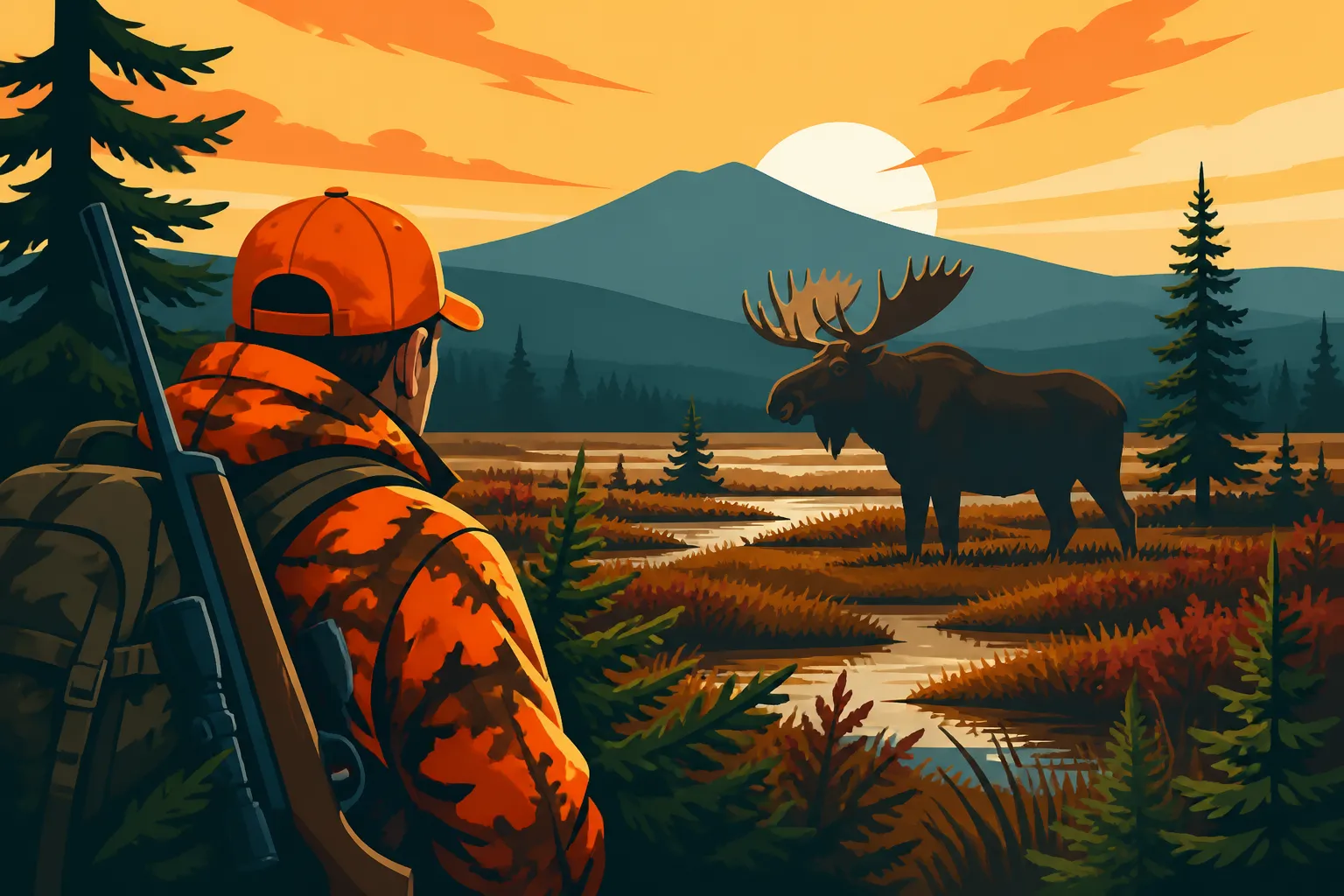
Hunting moose in the vast, often unforgiving North Country of New Hampshire is a dream for many, but tackling a remote bog adds a whole new layer of challenge and potential heartbreak if you're not prepared. The sheer density of cover, the treacherous footing, and the vastness of these wetland ecosystems can feel utterly overwhelming, often leading hunters to give up before they even start. This guide is here to unravel the complexities, sharing realistic strategies and crucial insights to help you successfully navigate and hunt a New Hampshire North Country moose bog, transforming that daunting landscape into a place of opportunity.
Understanding the North Country Moose Bog Ecosystem
New Hampshire's North Country is a mosaic of granite peaks, dense timber, and, perhaps most uniquely, sprawling bogs. These aren't just wet spots; they are incredibly complex and vital ecosystems that serve as prime habitat for moose, offering both sustenance and sanctuary. To hunt them effectively, you first need to understand them from the ground up – literally.
The Unique Habitat of a Bog
A bog, especially in the North Country, is a peculiar beast. It's often characterized by deep, acidic peat soils, saturated with water and covered by a specific type of vegetation that thrives in these conditions. Think stunted black spruce, tamarack (larch) that turns a brilliant gold in the fall, leatherleaf, and sphagnum moss that creates a spongy, often deceptively solid surface. Beneath this surface, you might find deep pockets of muck, hidden water channels, and treacherous obstacles like downed timber that have been submerged for decades. The ground can be incredibly inconsistent, ranging from somewhat firm islands to quaking, knee-deep (or worse) bog holes. This unique composition makes travel incredibly difficult but provides moose with a low-pressure environment where they can escape human activity.
Moose are perfectly adapted to this environment. Their long legs allow them to navigate the deep muck and tangled vegetation with relative ease compared to a human, and their broad hooves provide better flotation on soft ground. The dense cover offers excellent thermal protection from harsh weather and superb concealment from predators and hunters alike. You'll often find these bogs interspersed with slightly higher, drier ground – "islands" of hardwoods or fir – which provide critical bedding areas and vantage points for moose within the wetland complex. Understanding these micro-habitats within the larger bog system is crucial for patterning moose movement.
Why Moose Gravitate Towards Bogs
Moose aren't just tolerating bogs; they're often actively seeking them out. The primary draw is food. Bogs and their fringes are rich in browse, particularly aquatic vegetation like pondweed and water lilies, which moose are fond of, especially during the warmer months. As fall progresses and hunting seasons open, they still rely on woody browse found along the edges and within the drier islands of these wetlands. Additionally, the abundant water sources are essential for hydration and cooling, particularly for large, heavily insulated animals like moose. The sheer remoteness and difficulty of access mean less human disturbance, offering these animals a safe haven.
Beyond food and water, bogs provide an unparalleled sense of security. The dense, interwoven vegetation and soft, often noisy ground make it challenging for predators – and hunters – to move quietly or spot animals from a distance. A bull moose can seemingly disappear into a small patch of alders within a bog, making him incredibly hard to find once he's spooked. The mosaic of open water, thick timber, and dense shrubbery offers varied escape routes and endless places to hide. It's this combination of ample food, water, and superior security that makes North Country bogs so attractive to moose, making them prime targets for those adventurous enough to venture in.
Seasonal Changes and Their Impact
The character of a North Country moose bog shifts dramatically with the seasons, and these changes directly influence moose behavior and, by extension, your hunting strategy. Early fall, when New Hampshire's moose season typically opens, often means higher water levels from summer rains, making bogs even wetter and more challenging to traverse. The vegetation is still thick and green, providing maximum cover. As the season progresses into late October and early November, water levels might drop slightly, and the deciduous vegetation, particularly the tamaracks, will lose their leaves, opening up visibility a bit. However, the ground remains saturated and can quickly become a slushy, freezing mess as temperatures drop.
The rut, which often peaks in late September and early October, draws bulls to cows, and bogs can be crucial breeding grounds. Bulls will often cruise bog edges and islands, seeking out receptive cows. After the rut, moose shift their focus entirely back to feeding, trying to pack on calories for the long winter. They might still utilize bogs but could also move to higher, drier ground with better access to woody browse. Later in the season, colder temperatures can firm up some of the bog's softer areas, though treacherous ice might form over deep water, creating new hazards. Understanding these seasonal shifts helps you anticipate moose movement and adapt your approach, ensuring you're in the right place at the right time. For more on navigating the broader season, check out our comprehensive guide on Moose Hunting New Hampshire's North Country.
Pre-Season Scouting and Reconnaissance
Success in a New Hampshire North Country moose bog isn't just about showing up with a tag; it's about meticulous preparation long before opening day. Scouting, both from afar and on the ground, is the cornerstone of a productive hunt in such challenging terrain.
Interpreting Topographic Maps and Aerial Imagery
Before you ever set foot in a bog, your journey should begin with a detailed analysis of maps and satellite imagery. Topographic maps will reveal elevation changes, even subtle ones that indicate drier ground or hidden ridges within a seemingly flat bog. Look for contour lines that suggest islands, fingers of higher ground, or the paths of small streams and drainages entering or leaving the bog. These slight elevation changes are often travel corridors or bedding areas for moose. Pay close attention to any logging roads or old skidder trails that might border or cut through the bog; these can offer vital access points or, critically, extraction routes if you are successful.
Satellite imagery, especially high-resolution aerial photos, is your best friend when trying to decipher a bog. Programs like GoHunt offer invaluable insights, allowing you to zoom in and identify different vegetation types – the dark green of spruce, the lighter shades of tamarack, the tell-tale patterns of open water or dense shrubbery. Look for subtle color variations that might indicate drier ground, small stands of hardwoods, or even distinct patterns that suggest old beaver activity. Pinpoint areas where different vegetation types meet, as these "edge habitats" are often high-activity zones for moose. Identify any visible game trails, even faint ones, that might lead into or out of the bog. Mark potential pinch points, bottlenecks, or islands where a moose might pause or be forced to funnel through. Remember, what looks like an impenetrable green mass on a map might reveal hidden open water or travel routes with careful digital reconnaissance.
Boots-on-the-Ground Scouting Strategies
While digital scouting provides an excellent overview, there's absolutely no substitute for getting your boots dirty – or, more accurately, muddy – in the bog itself. This is where you verify your map findings and uncover the subtle details that satellite imagery can't show. Plan your scouting trips for several weeks before the season, ideally when the vegetation isn't at its absolute densest, but still reflects what you'll encounter during your hunt. Focus on accessing the bog from various angles, checking those identified entry/exit points and potential travel corridors. Look for fresh moose sign: large, distinctive tracks in the mud, rubs on small trees where bulls have polished their antlers, and fresh browse lines on saplings and shrubs.
Pay particular attention to the edges where the bog transitions to upland timber or a beaver flowage. These interfaces are often heavily used. Walk slowly, paying attention to the sounds and smells of the bog, noting areas of denser cover or more open pockets. Document your findings meticulously, marking promising locations on your GPS. Don't be afraid to push into the thicker areas, but always be mindful of your safety and ability to get out. The goal is to understand the flow of the terrain, how moose move through it, and identify specific ambush points or calling locations. This physical effort is backbreaking but priceless; it's how you truly learn the landscape and find those hidden gems.
Utilizing Technology for Bog Navigation
Navigating a North Country bog can be disorienting, even on a sunny day. The dense, uniform vegetation can quickly make all directions look the same, and traditional compass navigation can be challenging with constant detours around water and thickets. This is where modern navigation technology becomes not just helpful, but essential. A reliable GPS unit or a smartphone with a robust hunting app is critical. Load your pre-scouted waypoints, access points, and any identified game sign. GoHunt, for example, allows you to download offline maps, which is absolutely vital since cell service is often non-existent in these remote areas. These apps can track your movement, helping you backtrack if you get turned around, and show your real-time position relative to property lines and your marked points of interest.
Beyond basic navigation, consider using a satellite communicator like a Garmin InReach or a Zoleo. These devices allow you to send and receive text messages even without cell service, providing a crucial safety net in an emergency. They often include an SOS feature that can alert search and rescue. While these tools are incredible, never rely solely on electronics. Always carry a physical map and compass as a backup, and know how to use them. Batteries die, devices fail, and you don't want to be lost deep in a bog with no way out. Effective use of technology complements your traditional skills, making your bog hunt safer and more efficient. For tips on navigating without service, explore Using the Fish and Game App Without Cell Service.
Essential Gear and Equipment for Bog Hunts
Hunting a North Country moose bog demands a specific, well-thought-out gear list. The conditions are wet, cold, and physically demanding, and gear failure can quickly turn a challenging hunt into a miserable, even dangerous, experience.
Footwear and Clothing for Wet, Rugged Terrain
Your choice of footwear is paramount when hunting a bog. Forget your lightweight hiking boots; you need serious waterproof protection. Chest waders are often the best choice for navigating truly wet bogs, allowing you to cross deeper water and move through mucky sections without getting soaked. Look for durable, puncture-resistant models with good insulation if hunting in cold weather. Alternatively, high-quality, insulated rubber boots (like those from Muck Boot or Lacrosse) that come up to your knee or even higher can work for slightly drier bogs, but always prioritize waterproofing. Regardless of your choice, ensure they fit well and offer good ankle support, as the uneven ground can easily lead to twists and falls. For more specific recommendations, consider reading Best Boots for North Country Bog Hunting.
Layering is key for clothing. The intense physical exertion of moving through a bog will make you sweat, even in cold weather, but prolonged periods of sitting or calling mean you’ll cool down quickly. Start with a moisture-wicking base layer to draw sweat away from your skin. Add insulating mid-layers, such as fleece or synthetic puffy jackets, that retain warmth even when damp. Your outer layer should be completely waterproof and windproof, protecting you from rain, snow, and the biting North Country wind. Blaze orange is legally required during certain seasons and always a good idea for visibility. Choose durable fabrics that can withstand snagging on brush and branches. Don't forget waterproof gloves and a warm hat, as much of your body heat escapes from your head and hands. A detailed guide like Layering for New Hampshire's Cold Hunting Season can offer more nuanced advice.
Navigation and Communication Tools
As mentioned in scouting, reliable navigation and communication are non-negotiable. Carry both a primary GPS device (handheld or smartphone with offline maps) and a physical compass and map. Familiarize yourself with how to use both before you're deep in the woods. Batteries lose charge quickly in cold weather, so always carry spare battery packs or extra batteries for your electronics. A personal locator beacon (PLB) or satellite messenger like a Garmin InReach is a critical safety item. These devices can literally be lifesavers, allowing you to call for help even in areas without cell service. Don't go into a remote bog without one.
Beyond these essentials, a good headlamp with a red light option is crucial for pre-dawn hikes in and post-dusk hikes out, or if you find yourself tracking a moose after dark. Choose a model with a long battery life and carry spare batteries. A whistle can be used for signaling partners in dense cover. Consider a small, waterproof dry bag for your critical electronics, wallet, and keys to ensure they stay protected from the inevitable moisture of a bog hunt.
Weapons and Optics for Close-Quarters and Open Shots
The type of terrain you'll encounter in a moose bog can vary dramatically, from dense, claustrophobic spruce thickets to surprisingly open expanses of water and low brush. Your weapon choice should reflect this versatility. A powerful rifle capable of ethically taking a moose at varying distances is essential. Common calibers like .30-06, .300 Win Mag, .338 Win Mag, or 9.3x62mm are popular choices, paired with heavy, well-constructed bullets designed for large game. While shots might be close in the thick stuff, don't underestimate the possibility of a longer shot across an open section of the bog. Ensure your rifle is sighted in properly and you are proficient with it under various conditions.
Optics are also vital. While bogs can be dense, good binoculars are still indispensable for glassing distant islands or open water for a bull. A 10×42 or 8×42 power is a versatile choice. Look for models that perform well in low light, as moose are often most active during dawn and dusk. Waterproof and fog-proof binoculars are a must for the damp environment. For detailed advice, our guide on Best Binoculars for a North Country Bog can help you select the right pair. If you're using a scope on your rifle, choose one with a wide field of view and good light-gathering capabilities, with a magnification range that suits both close and moderate range shots (e.g., 1.5-6x or 2-7x). A rangefinder can also be helpful for confirming distances in tricky terrain, especially if you get a shot across open water. Remember, ethical shots are paramount, so know your limitations and your equipment's capabilities.
Tactics for Hunting a Moose Bog
Hunting a moose bog is less about speed and more about calculated, patient movement and precise execution. The bog will test your physical endurance and mental resolve, but with the right tactics, you can turn its challenges into advantages.
Still-Hunting the Bog Edges and Islands
Still-hunting is perhaps the most effective tactic for penetrating and working a North Country moose bog. This involves moving incredibly slowly and deliberately, stopping frequently to observe, listen, and glass. The goal isn't to cover ground quickly, but to move through the environment as stealthily as possible, mimicking the natural pace of the animals themselves. Focus your efforts on the edges where the bog transitions to higher ground, and on any "islands" of timber within the bog. These are often preferred bedding and feeding areas, and movement corridors.
When still-hunting, take one or two steps, then pause for several minutes, scanning every visible branch, shadow, and opening. Use your binoculars constantly to pick apart dense cover. Listen for the subtle sounds of the bog: the slosh of water, the snap of a twig, the rustle of leaves. Moose are large animals, and they make noise when they move, especially in the thick vegetation of a bog. Be prepared for very close encounters, as visibility can be limited to mere yards in some areas. If you spot a moose, assess the situation carefully. Can you get a clean, ethical shot? Is the animal aware of you? Sometimes the best move is to freeze and let the moose reveal more of itself or move into a better position. This slow, deliberate approach will allow you to pick up on subtle signs and detect moose before they detect you.
Calling Strategies in Open Bog Terrain
Moose calling, particularly during the rut (late September through mid-October), can be incredibly effective in bog settings. The acoustics of a bog can be unique; sounds often carry well across open water or low brush, but are quickly swallowed by dense spruce thickets. Understanding how your calls propagate is crucial. Start with soft cow moans to pique curiosity. If you get a response, slowly increase the intensity, adding in calf calls or a more aggressive bull grunt. In the semi-open expanses of a bog, you might hear a bull's guttural grunts or the distinct sound of him raking his antlers on brush. If you get an answer, position yourself carefully, ideally with the wind in your favor and some cover to break up your silhouette.
Don't be afraid to try some light antler rattling or raking in dense cover if you suspect a bull is nearby but shy. Moose are naturally curious, especially younger bulls. Patience is critical. A bull might take a long time to commit, circling downwind to scent-check the area before showing himself. Be prepared for him to appear silently, almost out of nowhere. Once he's committed, remain still and let him come within comfortable shooting range. Remember, calling is an art, not a science, and every situation is different. For more in-depth advice on attracting a bull, review Calling a Bull Moose in Late October.
Dealing with Wind, Thermals, and Visibility
The unpredictable nature of wind and thermals in a bog can be maddening. While bogs are generally flatter than granite ridges, localized drafts and swirling winds are common, especially around islands of higher ground or dense stands of timber. Always try to hunt with the wind in your face or quartering, so your scent blows away from where you expect moose to be. Pay attention to subtle cues: the direction flags on distant trees, the way smoke from a small fire drifts, or simply the feel of the breeze on your skin. Scent control is paramount; even with favorable wind, minimizing your human odor can give you an extra edge.
Visibility is another significant factor. In the dense spruce and alder thickets, your line of sight might be limited to 20-30 yards. This necessitates hyper-vigilance and a slow pace. However, in more open sections, like around water features or where vegetation is sparse, you might have views stretching hundreds of yards. Adapt your tactics accordingly. Use the thick cover to your advantage for stealthy approaches, but be ready for a quick shot if a moose presents itself in an open lane. Utilize any natural elevation, no matter how subtle, to gain a better vantage point. Persistence and a constant awareness of your surroundings are key to overcoming the visibility challenges inherent in bog hunting.
Post-Harvest Challenges and Logistics
Congratulations, you've successfully harvested a moose in a North Country bog! Now, the real work begins. This is arguably the most physically demanding part of the hunt, and inadequate preparation can turn triumph into genuine hardship.
Field Dressing a Moose in a Remote Bog
Field dressing a moose is a monumental task under any circumstances, but doing it in a remote bog presents unique challenges. The ground is often soft, muddy, and uneven, making it difficult to work comfortably or keep meat clean. Your primary goal is to cool the meat quickly to prevent spoilage. Start by rolling the moose onto its back if possible to access the belly. Be meticulous in removing the entrails, taking care not to puncture the bladder or intestines. You'll need a sharp, sturdy knife, and often a small hatchet or bone saw for the sternum and pelvis. For detailed instructions, refer to Field Dressing a Moose in the North Country.
Once the organs are removed, you'll need to decide on your extraction method. For bogs, quartering is almost always the only feasible option. This means meticulously breaking the animal down into four main quarters, plus the backstraps, tenderloins, neck meat, and head. This process is time-consuming and messy, especially in a bog environment. Lay out a tarp or game bags to keep meat as clean as possible, separating it from the bog floor. Work methodically, and consider taking photos for your registration requirements. Staying hydrated and taking short breaks will be important during this strenuous process.
The Herculean Task of Extraction
Getting a moose out of a bog is a test of will, strength, and careful planning. You've broken the animal down into manageable pieces, but those pieces are still heavy, ranging from 50 to over 100 pounds each, not including the head and hide. There are typically no ATV trails deep in a bog, meaning it's all human power. Internal frame backpacks are indispensable here. A good quality pack frame designed to carry heavy loads will distribute the weight better and make repeated trips more bearable. Our guide on Best Backpack Frame for a Quartered Moose can offer specific gear advice.
You and your hunting partners will likely make multiple trips. It’s crucial to mark your route clearly with flagging tape, especially if you quartered the animal some distance from a known trail or road. The terrain might be soft, requiring careful foot placement, and obstacles like downed trees and hidden water channels will slow you down. If you have to cross open water, consider using a small raft or even a large, heavy-duty tarp fashioned into a sled if the water isn't too deep and the bottom is relatively firm. Every step will be a struggle, and it’s critical to pace yourselves, stay hydrated, and work as a team. This is why planning your extraction route during scouting is as important as planning your hunting route. Getting a moose out of a truly remote bog can take days, so be prepared for the physical and logistical demands. For more on this grueling process, read Packing Out a New Hampshire Moose.
Meat Care in the North Country Wilds
Proper meat care begins immediately after the animal is down. Once field dressed and quartered, the meat must be protected from contamination and kept cool. High-quality, breathable game bags are essential for protecting the meat from insects, dirt, and debris while allowing air circulation to aid in cooling. Avoid plastic tarps or bags directly on the meat, as they can trap heat and moisture, accelerating spoilage. Hang the game bags from trees if possible, allowing air to circulate around them and keeping them off the ground away from scavengers.
In the cold North Country fall, temperatures often dip well below freezing at night, which helps with cooling. However, during warmer days, you might need to get the meat out faster or use coolers packed with ice once you reach your vehicle. If your extraction takes more than a day, check the meat regularly. Ensure it’s cooling evenly and that no areas are beginning to spoil. Once you get the meat out of the bog and to your vehicle, the journey isn't over. Transport it quickly and efficiently to a processor or to your home for butchering and freezing. Taking the time and effort to care for your wild game properly ensures that your hard-earned moose provides delicious, high-quality meat for your family and friends. When considering the full expedition, Packing for a Nine-Day Moose Hunt might offer further insights into overall preparedness.
Here's a quick look at common moose signs you'll encounter in North Country bogs:
| Sign Type | Appearance | What it Indicates | Typical Location in Bog |
|---|---|---|---|
| Tracks | Large, cloven hooves, often deep in soft mud | Recent presence, travel corridors | Muddy edges, water crossings, softer ground |
| Droppings | Elongated pellets (winter) or soft, clumpy (summer) | Feeding areas, bedding sites, recent activity | Near browse, bedding areas, travel routes |
| Rubs | Stripped bark, frayed wood on saplings (1-5 feet high) | Bull presence, often during pre-rut/rut | Edges of islands, thicker timber stands |
| Beds | Flattened depressions in vegetation, often oval-shaped | Resting spots, especially during midday | Thicker cover on islands or slightly drier humps |
| Browse | Twigs with jagged ends (moose lack lower incisors) | Active feeding, preferred food sources | Alder thickets, willow shrubs, aquatic plants |
| Wallows | Muddy depressions in soft ground, often with urine | Bull activity, particularly during rut (scent marking) | Damp, soft areas, often near thick cover |
| Trails | Distinct paths through dense vegetation | Frequent travel routes between feeding/bedding | Through dense alders, connecting islands |
Disclaimer
Hunting is an inherently dangerous activity. This article provides general information and recommendations only. Laws, regulations, and conditions can change rapidly. It is the responsibility of the individual hunter to understand and comply with all current New Hampshire Fish and Game Department regulations, possess the necessary licenses and permits, and prioritize safety above all else. Always inform someone of your hunting plans and expected return. Carry appropriate safety gear and be prepared for emergencies.