Best Sabot Weight for a Ten-Day Season
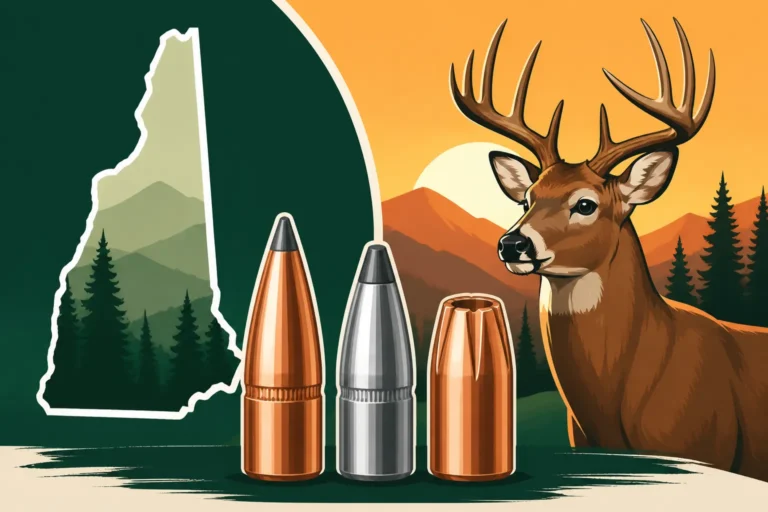
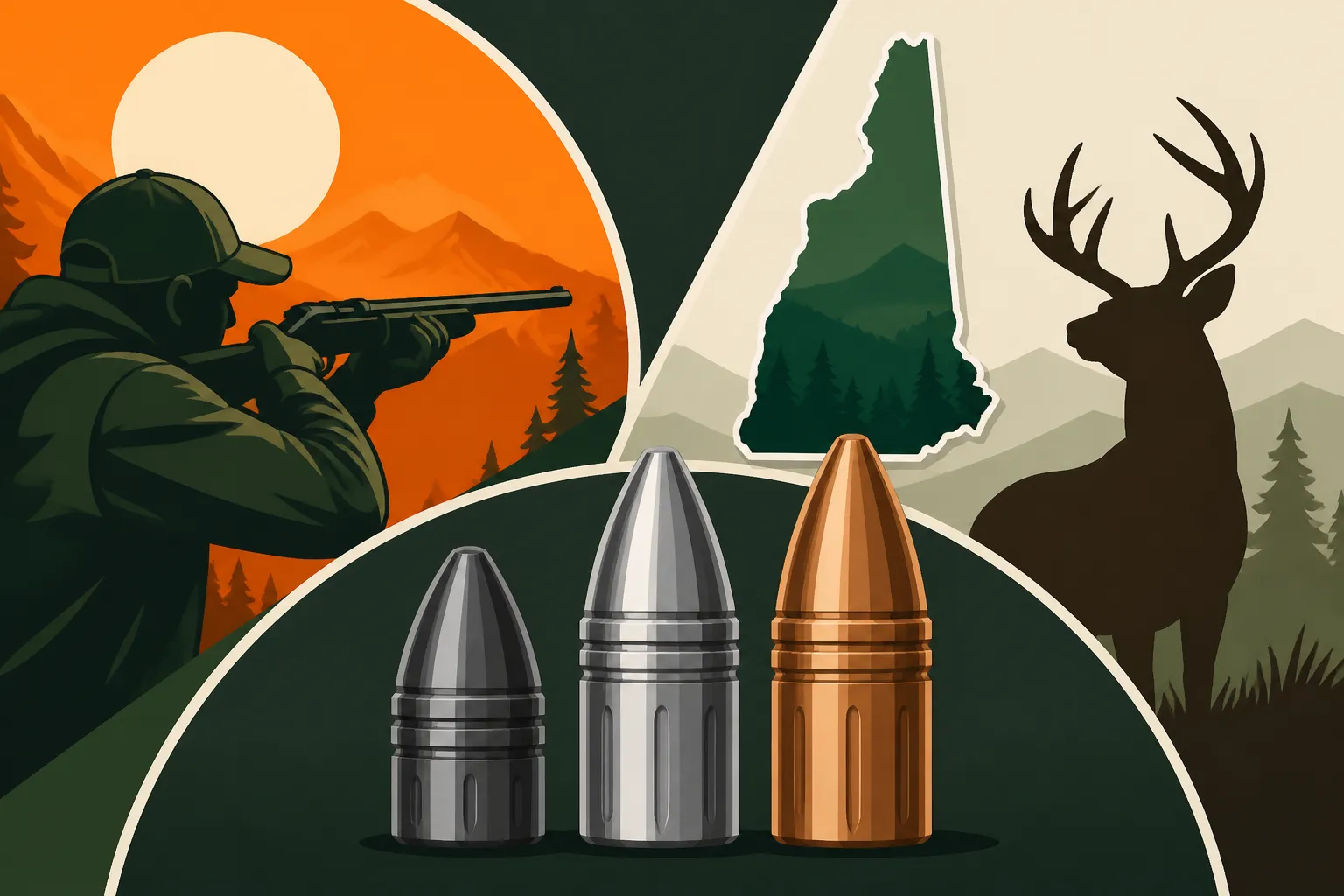
Finding the right sabot weight for your muzzleloader can feel like a deep dive into a rabbit hole, especially when you're looking to maximize your limited time during New Hampshire's short but sweet ten-day season. There's nothing more frustrating than heading afield with a load that isn't performing its best, leaving you second-guessing your shot placement and potentially missing out on a hard-earned opportunity. This guide is here to walk you through the nuances of sabot weights, helping you confidently choose the best option for your specific hunting style and the varied terrain you'll encounter across the Granite State.
Understanding Muzzleloader Sabots and Their Role
Before we dive into specific weights, let's get a solid grasp on what a sabot actually is and why it's such a critical component in modern muzzleloader hunting. It's more than just a piece of plastic; it's the bridge between your propellant and your projectile, ensuring efficiency and accuracy.
What is a Sabot and Why Does it Matter?
A sabot, pronounced "SAY-bow," is essentially a plastic sleeve or cup that holds a smaller, aerodynamic bullet within the larger diameter of your muzzleloader's bore. Think of it like a tiny, disposable carriage for your projectile. When you fire your muzzleloader, the burning powder generates gas pressure behind the sabot. The sabot, being the same diameter as your barrel, seals this gas incredibly efficiently, preventing it from escaping around the bullet. This efficient seal is absolutely crucial for building consistent pressure, which translates directly into consistent muzzle velocity and, ultimately, repeatable accuracy downrange.
Once the bullet and sabot leave the muzzle, aerodynamic forces cause the lightweight plastic sabot to separate from the heavier bullet almost immediately. The bullet then continues on its true flight path. Without a sabot, you'd be limited to shooting full-bore lead projectiles, which often have less aerodynamic shapes and can be harder to load. The frustration of trying to get a full-bore lead ball to perform with modern rifle-like accuracy is what led to the widespread adoption of sabots. For a hunter trying to make every shot count during New Hampshire's Muzzleloader-Only Ten Days, consistency is king, and a well-chosen sabot is a huge part of that equation.
The Relationship Between Bullet Weight, Muzzle Velocity, and Trajectory
The sabot itself usually weighs very little, so when we talk about "sabot weight," we're really referring to the weight of the bullet within the sabot. This bullet weight has a profound impact on your muzzleloader's performance, creating a delicate balance between speed and energy.
- Muzzle Velocity: Generally, a lighter bullet fired with the same powder charge will achieve a higher muzzle velocity than a heavier bullet. More speed can mean a flatter trajectory over longer distances, which can be appealing for open shots.
- Trajectory: The path your bullet takes from muzzle to target. A flatter trajectory means less "holdover" guesswork, which is certainly a benefit, especially if you're hunting varied terrain where yardage estimates might be challenging.
- Kinetic Energy: This is the energy the bullet carries upon impact, and it's vital for a clean, ethical kill. While velocity contributes, bullet weight plays a huge role here too. A heavier bullet, even if traveling a bit slower, often carries more kinetic energy at typical hunting ranges because it has more mass.
In New Hampshire, much of our deer hunting, even during the muzzleloader season, takes place in timber. Shots are often within 50-100 yards, sometimes out to 150. While a flatter trajectory is always nice, maximizing kinetic energy for quick, humane kills is often the priority. This is why balancing these three factors is so important. You need enough velocity for a reasonably flat shot out to your ethical maximum range, but also enough mass to deliver a powerful punch when it gets there.
Common Sabot Weights and Their Applications in New Hampshire
Different bullet weights paired with sabots are designed for different scenarios. Understanding these variations will help you tailor your setup for the specific conditions you anticipate during your hunt.
Lighter Sabots (200-250 Grain) for Open Country and Flatter Trajectories
When you're looking for speed and a flatter arc, lighter sabot bullets in the 200 to 250-grain range often come to mind. These projectiles typically offer higher muzzle velocities, making them appealing for situations where you might encounter longer shots. Imagine hunting along a sprawling powerline cut or an expansive agricultural field edge near the Connecticut River. In these more open environments, every bit of reduced bullet drop can mean the difference between a clean shot and a miss.
However, there's a trade-off. While they fly fast and flat, lighter bullets tend to carry less kinetic energy upon impact, especially as range increases. They can also be more susceptible to wind drift, which, while not a constant concern in New Hampshire's typically timbered landscapes, can certainly factor in when you're exposed on a large field or ridge top. If you're confident in your shot placement and hunting a WMU that offers more open-country opportunities, such as those found while Hunting the Connecticut River Valley or a freshly harvested Hunting a Clear-Cut Regrowth Edge, these lighter options could provide a slight ballistic advantage. Just be mindful of their limitations in terms of energy delivery on a larger deer.
Mid-Range Sabots (275-350 Grain) as the All-Around Performer
For many New Hampshire muzzleloader hunters, the sweet spot lies within the 275 to 350-grain range. This is often considered the "goldilocks zone" – not too light, not too heavy, but just right for the diverse hunting environments we have in the Granite State. These mid-weight bullets offer an excellent balance of muzzle velocity, trajectory, and downrange kinetic energy.
They're typically fast enough to provide a relatively flat trajectory out to 100-150 yards, which covers the vast majority of shots you'll take in our mixed hardwood and softwood forests. Crucially, they carry enough mass to deliver a significant punch upon impact, ensuring deep penetration and reliable expansion for ethical kills on New Hampshire whitetails. The recoil from these loads is also generally manageable for most shooters, allowing for better accuracy and quicker recovery for follow-up shots if needed. If you're looking for a versatile load that performs well whether you're still-hunting through thick timber or sitting on a field edge, a mid-range sabot is an excellent starting point. It's a reliable choice that gives you confidence no matter where White-Tailed Deer Across New Hampshire might lead you.
Heavier Sabots (375-450+ Grain) for Deep Timber and Maximum Energy
When you anticipate close-range encounters in dense cover, such as those found while Reading a White Mountain Deer Yard or stalking through thick spruce stands, heavier sabot bullets really shine. Projectiles in the 375-grain and up category might have a more pronounced trajectory arc at longer distances, but their sheer mass translates into incredible kinetic energy and momentum upon impact.
These heavy hitters are designed to bust through brush and deliver maximum energy transfer to the animal, even on less-than-ideal angles that can sometimes arise in tight quarters. They tend to penetrate deeper and can create larger wound channels, which can be a significant advantage when a deer might not travel far after the shot in dense cover. The trade-off, of course, is often increased recoil and a more "rainbow-like" trajectory, meaning you'll need to know your drops precisely for anything beyond 75-100 yards. However, if your typical shot is within 75 yards and you prioritize terminal performance above all else, these heavier sabots are tough to beat. They'll drop a deer with authority, which is exactly what you want when you've finally connected with a buck during Muzzleloader Deer Hunting in New Hampshire.
Factors Influencing Your Sabot Weight Decision
Choosing the best sabot weight isn't just about picking what looks good on the shelf. Several critical factors unique to your rifle and your hunting style will dictate what truly performs best for you.
Your Muzzleloader's Twist Rate and Barrel Length
This is perhaps the most overlooked, yet most crucial, factor in sabot performance. Every muzzleloader barrel has a "twist rate" – the rate at which the rifling inside the barrel rotates. This is expressed as a ratio, like 1:28" or 1:48". A 1:28" twist means the rifling makes one full rotation every 28 inches.
- Faster Twist Rates (e.g., 1:28" or 1:24"): These barrels are designed to stabilize longer, heavier projectiles. The faster spin helps prevent the bullet from "tumbling" in flight, which would destroy accuracy. If your muzzleloader has a faster twist, it's generally going to perform better with heavier sabots, allowing you to maximize that kinetic energy.
- Slower Twist Rates (e.g., 1:48" or 1:60"): These older, slower twist rates were typically designed for round balls or shorter, lighter conical bullets. While they might shoot some lighter sabot bullets adequately, they often struggle to stabilize heavier, longer projectiles, leading to poor accuracy.
It's a frustrating dance sometimes, trying to match the bullet to the barrel. If you try to shoot a heavy sabot through a barrel with too slow a twist, you'll likely see erratic accuracy or keyholing (where the bullet hits the target sideways). Conversely, a very light, short sabot bullet might be "over-stabilized" in a very fast twist barrel, though this is less common with modern designs. Always check your rifle's manual or the manufacturer's website for its twist rate. This information is paramount when selecting potential sabot weights.
Barrel length also plays a role, albeit a secondary one to twist rate. A longer barrel generally allows for more complete powder burn, which can translate to slightly higher velocities and better consistency. However, a long barrel in tight timber can be a nightmare to maneuver. Most modern muzzleloaders strike a good balance, but knowing your rifle's specs is key.
Typical Hunting Ranges and Target Game in New Hampshire
Let's be realistic about New Hampshire hunting. While we dream of wide-open shots, the reality for most of us, especially during the muzzleloader season when deer can be wary, is that shots are often fairly close. Think 25 to 125 yards, particularly if you're deep in the timber. Knowing your average engagement distance is paramount for selecting a sabot weight.
- Close-Range (Under 75 yards): If you primarily hunt dense cover where shots are almost guaranteed to be short, a heavier sabot (350+ grains) can be a fantastic choice. The trajectory differences at these distances are negligible, and the added momentum for punching through bone or tough hide is a clear advantage.
- Medium-Range (75-150 yards): This is where mid-range sabots (275-350 grains) truly shine. They offer a good blend of flat trajectory and significant energy to handle these common New Hampshire distances effectively.
- Long-Range (150+ yards): While possible with a muzzleloader, these shots require extensive practice and a very well-tuned load, usually on the lighter side (200-250 grains) for flatter flight. However, even with lighter sabots, maintaining ethical kinetic energy at these extended ranges on a robust New Hampshire buck can be a challenge. It's always best to know your limits and stick to them.
Remember, this article is focused on deer. If you were considering other game, like perhaps a bear during New Hampshire's WMU-Specific Bear Season, your bullet weight considerations might shift further towards the heavier end for maximum penetration and energy. But for our typical New Hampshire whitetails, matching sabot weight to likely shot distance is about achieving confidence and ethical performance.
Recoil Tolerance and Personal Preference
Let's be honest, muzzleloaders, especially with magnum powder charges and heavier bullets, can kick a bit. Recoil tolerance is a very real factor in accuracy. If you flinch or anticipate the recoil, your accuracy will suffer, no matter how perfectly matched your sabot is to your barrel.
- Lighter Sabots, Less Recoil: Generally, lighter bullets with standard powder charges will produce less felt recoil. If you are sensitive to recoil, or if you're introducing a new hunter to muzzleloading (though they need to meet New Hampshire Hunter Education Requirements), starting with a lighter sabot can build confidence and promote better shooting habits.
- Heavier Sabots, More Recoil: Conversely, heavier bullets, particularly when paired with hotter powder loads, will increase felt recoil. While many experienced hunters can handle this, it's worth considering. Can you comfortably shoot a heavy load repeatedly at the range without developing a flinch? Your ability to remain steady and make a precise shot in the field is far more important than a few extra foot-pounds of energy if it comes at the cost of accuracy.
It's a balance. You want a powerful enough load for the game you're pursuing, but one you can shoot accurately and consistently. Don't be afraid to experiment with different weights and powder charges (within safe limits, of course) to find what you shoot best. Sometimes, a slightly less powerful load that you can shoot perfectly is better than a monster load that makes you flinch. Sites like GoHunt often have forums or ballistics calculators where you can input different bullet weights and powder charges to get an idea of potential recoil and compare trajectory data before you even buy a box of sabots. This can save you a lot of time and money at the range.
Testing and Fine-Tuning Your Muzzleloader Load
Once you have an idea of what sabot weights might work best for your rifle and hunting style, the real work begins. There's no substitute for time at the range, trying different combinations to find the load that performs in your gun.
Range Testing Different Sabot/Powder Combinations
This step is non-negotiable. You absolutely cannot skip dedicated range time with your muzzleloader before the season opens. The ten-day muzzleloader season is short, precious, and you don't want to waste it second-guessing your equipment.
Here's a basic approach:
- Start Safe: Always begin with the manufacturer's recommended starting powder charge for your chosen sabot/bullet combination. Never exceed maximum recommended loads.
- Clean Between Shots (Initially): For the first few shots, especially when breaking in a new barrel or testing new components, a quick swab between shots can help identify any fouling issues.
- Shoot for Groups: Don't just shoot once. Fire 3-shot groups, allowing the barrel to cool between shots. This is critical for muzzleloaders, as heat can significantly affect accuracy.
- Experiment with Powder Charges: Once you have a baseline with one sabot weight, try slightly increasing or decreasing the powder charge (within safe limits) to see if accuracy improves. Even a small change can make a big difference.
- Try Different Sabot Weights: Once you've optimized one weight, try another in your chosen range. For example, if you started with 300 grains, try 275 or 325.
- Document Everything: Keep a detailed log. Note the sabot brand and weight, bullet type, powder type and charge, primer, and target results. This is invaluable data.
The frustration of an inconsistent load during hunting season can be crushing. Imagine sitting in your stand during Hunting a Muzzleloader Tag Before Firearms Opens, a beautiful buck steps out, and you hesitate because you're not sure if your gun is going to shoot straight. Don't let that happen. Dedicated range time ensures you know exactly where your bullet is going to hit every single time. It builds confidence, and confidence kills deer.
Considering Weather and Field Conditions
Muzzleloaders, by their very nature, are a bit more sensitive to environmental factors than modern cartridge rifles. New Hampshire weather in late fall and early winter can be notoriously fickle, swinging from crisp, sunny days to cold, damp, or even snowy conditions.
- Temperature: Extreme cold can slightly reduce powder efficiency and muzzle velocity. While usually not a huge factor for hunting ranges, it's something to be aware of.
- Humidity/Dampness: This is the big one for muzzleloaders. Moisture can wreak havoc on black powder or substitutes, leading to misfires or inconsistent ignition. Always ensure your powder, primers, and bullet/sabot combinations are stored in a dry environment. Consider a waterproof muzzleloader cap or cover to protect the bore and primer while in the field. Read up on tips for Keeping a Muzzleloader Dry in Late-Fall Rain to prevent a ruined hunt.
- Loading Technique: Consistency is key. Use the same loading procedure every time: uniform powder measure, firm and consistent seating of the sabot, and ensuring the bullet is seated all the way down onto the powder charge without crushing it. Any variation can lead to unpredictable results.
Testing your chosen load in conditions that mimic what you expect to encounter in the field (within reason) can be highly beneficial. If possible, shoot a few groups on a cold, damp day, rather than just on sunny, mild afternoons.
Documenting Your Results and Making a Final Choice
After all your testing, you should have a clear picture of what works best for your specific muzzleloader. That shooting log you kept? It's gold. It allows you to objectively compare group sizes, note any fouling issues, and track performance.
When making your final choice, consider these questions:
- Which sabot weight and powder combination consistently produced the tightest groups at your realistic hunting distances?
- Which load did you shoot most comfortably and confidently?
- Does the chosen load provide adequate kinetic energy for an ethical harvest of White-Tailed Deer Across New Hampshire?
- Are you confident that this load will perform reliably in typical New Hampshire weather conditions?
The ultimate goal is confidence. When you step into the woods during your ten-day season, you want to be absolutely certain that your muzzleloader, loaded with your carefully chosen sabot, will hit exactly where you aim. This certainty allows you to focus on the hunt, the tracking, and the experience, rather than worrying about your equipment. Remember, GoHunt can be a great resource for comparing notes with other muzzleloader hunters or finding reviews on different sabot and bullet manufacturers, helping you refine your choices before you even get to the range.
Sabot Weight Comparison for New Hampshire Muzzleloader Hunting
To help you visualize the choices, here's a general comparison table of sabot weights and their characteristics for New Hampshire hunting.
| Sabot/Bullet Weight (Grains) | Typical Hunting Range (Yards) | Key Advantages | Key Considerations | Best For New Hampshire |
|---|---|---|---|---|
| 200-250 | 75-175+ | Flatter trajectory, higher velocity | Less kinetic energy at range, more wind drift | Open fields, long clear-cuts in WMUs like D2 |
| 275-350 | 25-150 | Excellent balance of velocity & energy, versatile | Can be less flat than light, more recoil than light | Most timbered, mixed-habitat New Hampshire hunting |
| 375-450+ | 25-100 | Maximum kinetic energy, deep penetration | More pronounced trajectory arc, higher recoil | Dense timber, close-quarters, heavy cover |
This table provides a snapshot, but remember, individual muzzleloader performance can vary. Your personal testing is the final word!
Disclaimer
This article is for general informational purposes only and does not constitute professional advice. Laws, prices and regulations vary by location and change over time. Consult a qualified professional for guidance on your specific situation.