Best In-Line Muzzleloader for New Hampshire Hunters
Hunting New Hampshire's special muzzleloader season can be an incredible experience, offering dedicated time in the woods after the archery rush and before the main firearms season fully kicks off, or even extending into December. But if you've ever stood in the rain, fiddling with a traditional sidelock that just won't ignite, you know the frustration. This guide is all about finding that reliable, accurate in-line muzzleloader that will make your New Hampshire hunt successful, no matter what the weather throws at you or how far you have to trek into the woods.
Why an In-Line Muzzleloader is a Smart Choice for New Hampshire
When you think about muzzleloading, images of traditional flintlocks or percussion cap rifles might come to mind, conjuring scenes of colonial-era hunts. While those certainly have their charm, for many New Hampshire hunters, especially those looking for reliability and precision in varying weather, an in-line muzzleloader is truly the way to go. It’s a modern marvel that marries the spirit of muzzleloading with contemporary engineering.
Extending Your Deer Season Opportunities
One of the biggest draws of the muzzleloader season in New Hampshire is that it grants you extra time afield. It typically offers a distinct window, often a ten-day stretch, when you can be out pursuing deer with fewer hunters in the woods compared to the firearms opener. This is a golden opportunity, a chance to really dig into Hunting New Hampshire's Muzzleloader-Only Ten Days without the widespread pressure. For those of us who live and breathe hunting, any extension of the season is a blessing, and the in-line muzzleloader makes that extension far more practical and enjoyable.
Imagine you've been scouting hard since summer, pouring over maps, and finding those secret bedding areas and travel corridors. Having those extra days, often in late October or early November, before the general firearms season, means you get a crack at those bucks still on their regular patterns, before they go nocturnal or get pushed around by heavy pressure. It's a prime time, often overlapping with the early stages of the rut, offering a unique chance to fill your tag with a method that provides a distinct challenge. And for those drawn in the New Hampshire Moose Permit Lottery, a muzzleloader might even be an option in certain circumstances, though moose hunters typically prefer more powerful modern firearms.
Dealing with Variable Weather Conditions
If you've spent any time hunting in New Hampshire, you know our weather is anything but predictable. One day it's crisp and clear, the next it's a cold, driving rain, or even an early season snow. Trying to get a traditional muzzleloader to fire reliably in damp conditions can be a nightmare. The open pan of a flintlock or the exposed percussion cap of a sidelock are vulnerable to moisture, which can lead to misfires – that dreaded "click" instead of a "bang" when a buck is standing broadside.
This is where the in-line muzzleloader truly shines. Its design encases the primer (usually a 209 shotgun primer), protecting it much more effectively from the elements. This sealed system drastically reduces the chances of a misfire due to moisture, giving you a huge advantage when the weather turns foul. Think about sitting in a treestand on a rainy November morning, knowing that when that deer steps out, your muzzleloader is far more likely to perform. It takes away a layer of anxiety and lets you focus on the hunt itself, not on whether your primer is going to get wet. This reliability is especially crucial when you're Hunting a Muzzleloader Tag Before Firearms Opens and every shot counts.
The Precision Advantage of In-Line Design
Beyond reliability, in-line muzzleloaders offer a significant edge in accuracy compared to their traditional counterparts. The "in-line" refers to the firing mechanism, where the primer, powder, and projectile are all in a straight line with the bore. This direct path of ignition provides a more consistent and powerful ignition, leading to better powder burn and, ultimately, superior accuracy. You're getting a much more efficient and predictable combustion, which translates directly to tighter groups downrange.
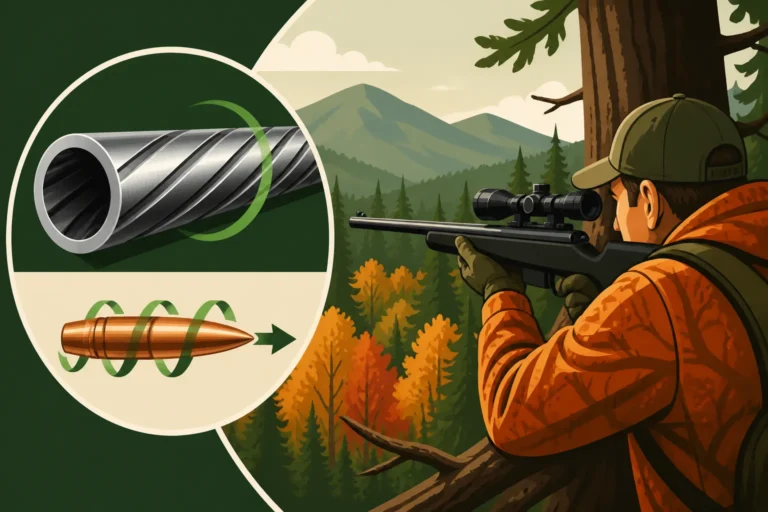
Many modern in-line muzzleloaders also feature rifled barrels with twist rates optimized for sabot-encased bullets, which behave more like modern rifle bullets than traditional round balls or patched conicals. This combination allows for greater effective range and improved bullet stability. While you're still pushing a projectile down the bore with black powder or a substitute, the design helps mitigate many of the accuracy challenges faced by older designs. For hunters who spend time practicing at the range, dialing in their shots, this precision is invaluable, especially when taking a shot at a New Hampshire deer in thicker timber or across a logging road. The confidence that comes from knowing your weapon is inherently accurate allows you to focus on shot placement, which is paramount for ethical hunting.
Key Features to Look For in a New Hampshire Muzzleloader
Choosing the right in-line muzzleloader isn't just about picking the first one you see. You need to consider how it will perform in our unique New Hampshire hunting conditions and what features will truly benefit you in the field. Let's dig into the nitty-gritty.
Barrel Material and Twist Rate
The barrel is the heart of any firearm, and muzzleloaders are no exception. Most modern in-line muzzleloaders come with either carbon steel or stainless steel barrels. Stainless steel is often preferred for New Hampshire hunting because of its superior resistance to rust and corrosion, a huge plus when you're out in damp, snowy, or rainy conditions. While carbon steel barrels can be more affordable, they require meticulous cleaning and oiling to prevent rust, which can be a real pain after a long day in the woods. Trust me, finding rust on your prized barrel is nobody's idea of a good time.
Equally important is the twist rate of the rifling inside the barrel. This refers to how many inches of barrel it takes for the rifling to make one complete revolution (e.g., 1:28" or 1:48"). A faster twist rate (like 1:28" or 1:24") is generally better for stabilizing longer, heavier, saboted bullets, which are popular for their ballistic performance and accuracy at extended ranges. Slower twist rates (like 1:48" or 1:60") are more suited for traditional conical bullets or patched round balls. For most New Hampshire deer hunting scenarios with modern sabots, a faster twist rate is usually the more versatile choice. It allows you to shoot a wider variety of projectiles accurately, giving you more flexibility.
Ignition System Reliability
The ignition system is crucial for consistent firing, especially when every moment counts. As mentioned, the 209 shotgun primer is the standard for most in-line muzzleloaders because of its hot, reliable spark and its sealed design, which offers excellent weather protection. When selecting a muzzleloader, look for a robust breach plug design that makes removing and cleaning the primer pocket easy. Some designs can be fiddly, and believe me, you don't want to be fighting a stuck breach plug in freezing temperatures.
Beyond the primer, consider the action itself. Is it a break-open design, making it easy to load and unload safely? Does it have an external hammer that's easy to cock, even with gloves on? Or is it a hammerless design with a firing pin mechanism? Each has its pros and cons, but ultimately, you want a system that feels solid, is easy to operate under pressure, and most importantly, is reliable. Brands like CVA and Traditions are well-known for their dependable in-line ignition systems, often featuring tools-free breach plugs which are a godsend in the field. For hunters venturing into more remote parts of the state, especially when Hunting a Beaver Flowage Edge, reliability is paramount.
Stock and Ergonomics for Field Use
A muzzleloader isn't just a collection of parts; it's an extension of you in the field. The stock material and overall ergonomics play a huge role in how comfortable and effective you are as a hunter. Synthetic stocks are incredibly popular for New Hampshire hunting because they are impervious to weather changes – they won't swell, warp, or crack like wood can in damp or cold conditions. They're also generally lighter and more durable, shrugging off bumps and scrapes that would mar a beautiful walnut stock.
Beyond material, consider the fit and feel. Does the length of pull feel right? Is the grip comfortable when holding the rifle naturally? How does it balance when shouldered? If you plan on adding optics, make sure the comb height allows for a natural cheek weld and sight picture. A muzzleloader that feels good in your hands and shoulders quickly will make a world of difference when that fleeting shot opportunity arises. Hunting can involve long treks, and carrying an ill-fitting or unbalanced rifle for miles up and down granite ridges can wear you out. A comfortable, ergonomic design means you're more likely to be steady when it counts.
Top Considerations for Choosing Your Muzzleloader
With so many options out there, narrowing down the "best" in-line muzzleloader can feel overwhelming. But by focusing on a few key considerations tailored to New Hampshire hunting, you can make an informed decision that will serve you well for seasons to come.
Caliber and Projectile Selection
The vast majority of in-line muzzleloaders are chambered in .50 caliber, and for good reason. The .50 caliber is widely considered ideal for deer-sized game, offering a good balance of knockdown power and manageable recoil. Projectiles for .50 caliber muzzleloaders come in a huge variety, but for modern in-line rifles, saboted bullets are the most common. These consist of a smaller-diameter bullet (like a .45 or .40 caliber) encased in a plastic sabot that engages the rifling, then falls away after leaving the muzzle.
Popular sabot bullet designs include hollow points, polymer-tipped bullets, and full metal jacketed (FMJ) variations, all designed for expansion and energy transfer on game. Brands like Hornady (SST), Barnes (T-EZ), and PowerBelt (Aerolite) offer excellent options. It's crucial to experiment with different bullets and powder charges to find what your specific muzzleloader shoots most accurately. What one rifle loves, another might scatter all over the target. Always refer to the manufacturer's recommendations for maximum powder charges and safe projectile weights. The folks over at GoHunt often share articles about bullet performance, and while they might not focus exclusively on muzzleloaders, the principles of energy transfer and ethical harvesting are universal. Being prepared with the right projectile is key whether you're still-hunting white mountain timber or Hunting a Green Field Planted for Deer.
Optics and Sighting Systems
While some muzzleloader purists opt for open sights, for enhanced precision and extended range, especially in varying light conditions, mounting a scope is a wise choice for a New Hampshire in-line. Many in-line muzzleloaders come drilled and tapped for scope mounts, or even include bases. A low-power variable scope (e.g., 1-4x, 2-7x, or 3-9x) is typically sufficient. Remember, muzzleloaders generally have a more limited effective range than modern centerfire rifles, so extreme magnification isn't usually necessary.
Look for a scope with good light-gathering capabilities, especially for those dusky or overcast New Hampshire mornings and evenings. Durability and fog-proofing are also essential given our weather. If you prefer to stick with iron sights, ensure they are high-visibility, fiber-optic sights that stand out against dark timber or low light. Some hunters also choose a red dot sight, which offers quick target acquisition at closer ranges, perfect for thick woods hunting. Whatever you choose, make sure it's sighted in precisely, as even a small error at the range can mean a missed opportunity in the field.
New Hampshire Specific Regulations and Compliance
This is absolutely critical. Before you even think about buying a muzzleloader, you must be intimately familiar with New Hampshire's specific hunting regulations. These rules dictate everything from legal calibers to approved ignition types, projectile types, and even how you can transport your muzzleloader. It’s not enough to assume; you must check the current hunting digest. The New Hampshire Fish and Game Department's website is your best friend here.
For instance, New Hampshire typically defines a legal muzzleloader as one loaded from the muzzle, using black powder or an approved substitute, and a single projectile. Most in-line muzzleloaders using 209 primers and modern saboted bullets meet these criteria, but always verify. There might be specific rules regarding scopes during certain parts of the muzzleloader season, or limitations on which WMUs allow certain hunting methods. Don't let a technicality cost you a ticket or your hunting privileges. Being informed means being legal and responsible, whether you're hunting the New Hampshire Muzzleloader Season Dates or preparing for any other season.
| Feature | Traditional Sidelock/Flintlock | Modern In-Line Muzzleloader |
|---|---|---|
| Ignition | Exposed percussion cap or flint/pan | Sealed 209 shotgun primer |
| Weather Impact | Highly susceptible to moisture, misfires | Highly resistant to moisture, reliable ignition |
| Accuracy | Can be good, but generally less consistent | High, often comparable to modern rifles |
| Loading | Often slower, can be fiddly | Simpler, often break-open designs |
| Cleaning | Can be more complex, multiple components | Easier, often tool-free breach plug |
| Projectile | Round balls, patched conicals | Saboted bullets, modern conicals |
| Effective Range | Shorter, less forgiving | Longer, more precise |
| Maintenance | More prone to rust if not meticulously cared for | Less prone to rust (especially stainless steel) |
| Aesthetics | Classic, historical | Modern, practical |
Maintenance and Care for Your New Hampshire Muzzleloader
An in-line muzzleloader is a fantastic tool, but like any finely tuned piece of equipment, it needs proper care to perform season after season. Neglecting your muzzleloader can lead to rust, fouling, and, worst of all, misfires when you least expect them. A well-maintained muzzleloader is a reliable muzzleloader, and that translates directly to hunting success and peace of mind.
Post-Hunt Cleaning Essentials
This is arguably the most critical part of muzzleloader ownership. Black powder and its substitutes are corrosive, and they leave behind residues that can quickly cause rust if not removed promptly and thoroughly. Ideally, you should clean your muzzleloader as soon as possible after every shooting session or hunt, even if you didn't fire a shot but were out in damp conditions.
Start by disassembling your muzzleloader according to the manufacturer's instructions. Remove the breach plug – a good in-line will have a design that makes this easy, perhaps even tool-free. Use a good muzzleloader cleaning solvent (many are water-soluble for easy cleanup) with brushes and patches to scrub the bore, breach plug, and any other fouled parts. Pay special attention to the threads of the breach plug and receiver, as fouling loves to accumulate there. Once clean, dry all components thoroughly and apply a thin layer of protective oil to all metal surfaces, inside and out. Don't forget to run an oiled patch down the bore. This meticulous process helps prevent corrosion and ensures your rifle is ready for the next adventure.
Storage and Long-Term Readiness
Proper storage is key to maintaining your muzzleloader's integrity between hunts and seasons. Once thoroughly cleaned and oiled, store your muzzleloader in a dry, temperature-controlled environment. A gun safe or cabinet is ideal, providing security and protection from environmental fluctuations. Avoid storing it in a soft case for extended periods, as soft cases can trap moisture and promote rust – a hard case with a good seal is a much better choice if you must use a case for long-term storage.
Before storing for an extended period, it's wise to apply a slightly heavier coating of preservative oil, especially to the bore and external metal surfaces. You might even consider using a silicone-impregnated gun sock for an extra layer of protection. When the next season rolls around, a quick wipe down and re-oiling, along with a function check, will ensure your muzzleloader is ready to go. You want to avoid that last-minute scramble, especially when you're preparing for something like Hunting New Hampshire's November Firearms Deer Season, which has a lot of crossover with muzzleloader preparedness.
Field Care and Troubleshooting
Even with the best preparation, things can happen in the field. Knowing how to perform basic field care and troubleshooting can save a hunt. Always carry a small cleaning kit with you, including patches, solvent, a bore brush, and a speed loader or two with fresh powder and projectiles. If you experience a misfire, safely unload the muzzleloader (following manufacturer's instructions, which usually involves removing the breach plug or firing a blank primer to clear the bore if safe to do so) and check for any obstructions or wet powder. This is where the in-line's sealed primer system really shines, reducing these kinds of issues.
Another common field issue can be a stuck bullet if you don't seat it properly. Always ensure your projectile is fully seated against the powder charge. A ramrod with depth marks can help ensure consistent seating. GoHunt often emphasizes preparedness, and this certainly applies to muzzleloading. If you're out there Cold-Weather Sitting Strategy in the North Country, the last thing you want is a preventable equipment failure. Practice loading and unloading your muzzleloader at home, so it becomes second nature. Understand how your particular model functions, how to remove and reinstall the breach plug quickly, and how to safely handle any potential issues. That knowledge will give you confidence and keep you safe when you're far from home in the New Hampshire woods.
Disclaimer
This article is for general informational purposes only and does not constitute professional advice. Laws, prices and regulations vary by location and change over time. Consult a qualified professional for guidance on your specific situation.