Best Cooler for Packing Out Meat in Warm Weather
There’s nothing quite like the excitement of a successful hunt in New Hampshire, but that feeling can quickly turn to anxiety when you realize the weather is pushing 70 degrees and you have a long haul ahead. Ensuring your hard-won venison, moose, or bear meat makes it from the field to your freezer in prime condition is absolutely crucial, and that’s where having the right cooler becomes your best friend. This guide is all about helping you pick out the perfect cooler to protect your harvest, even when the thermometer isn't cooperating.
Why Warm Weather Is Your Biggest Challenge (and How Coolers Fight It)
It's a scenario every New Hampshire hunter dreads: you've put in the work, made a clean shot, and now you're standing over your game, watching the heat waves shimmer off the forest floor. That beautiful animal, moments ago full of life, is now a ticking clock when it comes to meat spoilage. Warm weather doesn't just make you sweat; it actively works against the quality of your hard-earned protein.
The Urgency of Quick Cooling
Bacteria are naturally present on and within any animal, and they thrive in warmth. When an animal is alive, its immune system keeps these bacteria in check. Once harvested, however, those defenses are gone, and the bacteria begin to multiply rapidly, especially when meat isn't cooled down quickly. This is where you run into issues like souring, which can give meat an unpleasant odor and taste, or even outright spoilage, making it inedible. The goal is to get that internal meat temperature out of the "danger zone" – typically between 40 and 140 degrees Fahrenheit – as quickly as possible.
Imagine an early-season archery hunt for a whitetail in late September. The morning started crisp, but by noon, the sun is high and temperatures are climbing into the high 60s or even 70s. You've just dropped a nice buck deep in the woods of Grafton County. You field dress him quickly, but the clock is ticking. Every minute that meat is exposed to ambient heat, especially before it's broken down and cooled, you're fighting a losing battle against those microscopic organisms. Proper field care is the first line of defense, but a great cooler is your essential next step to stop that process in its tracks.
Understanding Insulation and Ice Retention
The magic of a good cooler in warm weather boils down to its ability to maintain a consistently low temperature. This isn't just about throwing some ice in a box; it's about engineering that prevents heat transfer. High-performance coolers, often referred to as "roto-molded" due to their manufacturing process, are designed with incredibly thick, insulated walls. Think of it like a miniature, portable refrigerator without the compressor. These walls are filled with pressure-injected polyurethane foam, which is an excellent insulator.
Beyond the walls, a quality cooler will feature a freezer-grade gasket around the lid, creating an airtight seal. This seal is crucial for keeping the cold air trapped inside and preventing warm air from leaking in. Heavy-duty latches cinch the lid down tight, reinforcing that seal. When you combine these features with smart usage, like pre-chilling your cooler before you even leave home by filling it with sacrificial ice or ice packs, you create an environment where ice can last for days. This extended ice retention means your meat stays well below that bacterial danger zone, protecting its quality whether you're driving an hour home or taking an overnight trip from the North Country.
Key Features to Look for in a Warm-Weather Meat Cooler
When you're investing in a cooler for valuable game meat, you're not just buying a fancy ice chest. You're buying peace of mind and protection for your harvest. This means looking beyond basic features and understanding what truly makes a cooler perform when the stakes are high.
Construction and Durability
For serious New Hampshire hunters, a roto-molded cooler is almost a necessity, especially when dealing with larger game or warm temperatures. Unlike traditional coolers that are often thin-walled and brittle, roto-molded coolers are made from a single, continuous piece of plastic. This process eliminates seams, making them incredibly strong and resistant to cracking, denting, or breaking. They're built to withstand the abuse of being tossed in the back of a truck, dragged across rocky terrain, or dropped from a tailgate – common occurrences when you're hunting in the rugged White Mountains or working around a remote camp.
Look for coolers with UV-resistant exteriors, which prevent the plastic from degrading over time when exposed to the sun. Heavy-duty rubber latches that can be easily operated even with cold or gloved hands are a must, as are robust, non-corroding hinges that won't snap under pressure. This level of quality means the cooler will likely last you for decades, making the initial investment worthwhile. When you're researching options, check out reviews from sources like GoHunt; they often provide insights into how different brands stand up to real-world hunting conditions.
Size and Portability Considerations
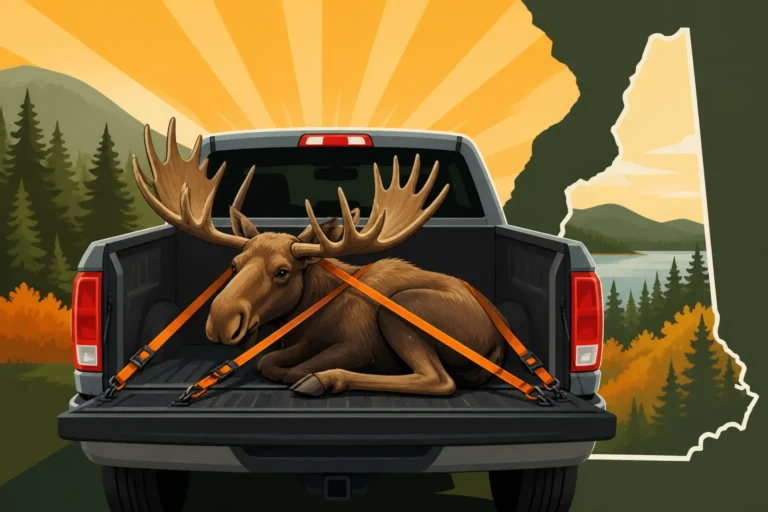
Choosing the right size is a delicate balance. You need enough capacity for your expected harvest, but you don't want a cooler so massive it's impossible to handle. For a quartered deer, a cooler in the 65-100 quart range is often ideal, allowing space for meat and plenty of ice. If you're fortunate enough to draw a New Hampshire Moose Permit Cost for Residents, you'll likely need multiple large coolers, perhaps two 150-quart or larger units, to handle the sheer volume of meat from a bull moose. Consider the type of game you primarily pursue. For small game like ruffed grouse or snowshoe hare, a much smaller, more portable cooler might suffice.
Portability features are also key. Strong, comfortable handles that can accommodate two people are essential for larger, heavy coolers. Some larger models come with wheels, which can be a lifesaver when moving a fully loaded cooler from your truck to a processing area, though wheels are less useful for navigating uneven forest terrain. Tie-down points are another critical feature, allowing you to secure the cooler in your truck bed or on an ATV, preventing it from sliding around and potentially spilling its contents. Remember, a full cooler can be incredibly heavy, so plan how you’ll load and unload it, especially if you're hunting solo.
Drain Plugs and Ease of Cleaning
This might seem like a minor detail, but a well-designed drain plug is incredibly important for both hygiene and convenience. After a few days of holding meat and melting ice, your cooler will inevitably contain a mix of blood, water, and sometimes bits of hair or debris. A large-diameter drain plug, preferably one that won't get lost, allows for quick and efficient draining. Some coolers offer plugs that are tethered or twist-on, reducing the chance of misplacement.
Beyond just draining, consider how easy the interior surfaces are to clean. Smooth, non-porous plastic liners are ideal as they resist stains and odors and can be thoroughly sanitized. You want to be able to easily rinse out the cooler, scrub it down, and dry it completely to prevent mold or mildew growth, which can contaminate future harvests. A clean cooler is a critical component of ensuring the highest quality venison for your table. After all the effort put into the hunt, the last thing you want is a spoiled batch of meat because of a poorly maintained cooler.
Top Cooler Types and Their Best Use Cases in New Hampshire
Just like there are different hunting methods for various game and terrain, there are different types of coolers suited for specific situations. Understanding the strengths and weaknesses of each will help you make the best choice for your New Hampshire hunting adventures.
High-Performance Roto-Molded Coolers
These are the workhorses of warm-weather meat transport. Brands like YETI, RTIC, Orca, and Grizzly are popular for their exceptional ice retention, often keeping ice solid for several days, even in hot temperatures. This is due to their thick, insulated walls and superior sealing gaskets.
Pros:
- Unmatched Ice Retention: This is their primary advantage, crucial for warm weather.
- Extreme Durability: Built to last a lifetime, they can take a beating.
- Excellent Protection: Keeps contents safe from critters and external contamination.
Cons:
- Heavy: Even empty, they are substantially heavier than other coolers.
- Expensive: The initial cost is significantly higher.
- Bulky: Their thick walls mean less internal capacity for a given external footprint.
Best Use Cases:
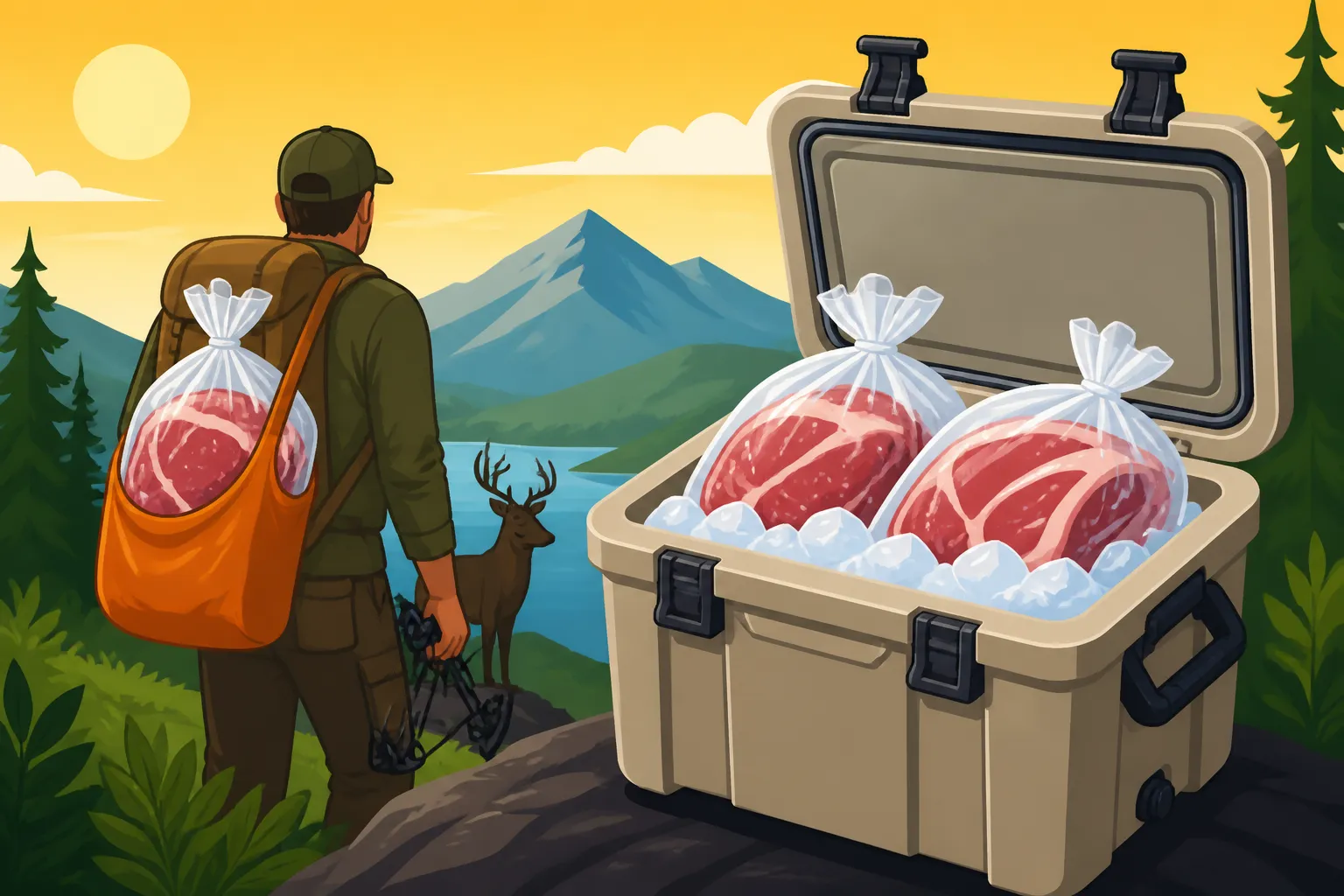
These coolers are absolutely essential for multi-day hunts where you might be far from resupply, such as a remote deer camp in the North Country. They are also ideal for long drives home, especially if you’ve had to Packing Meat Out of a North Country Bog and need to keep it pristine for hours. When you've quartered a deer or a bear and put the meat in good Best Game Bags for Field Care, a high-performance roto-molded cooler ensures that meat arrives at your butcher's or home processing station in perfect condition, even if the ambient temperature is in the 70s or 80s. They are the gold standard for preserving your harvest when maximum cold retention is paramount.
Insulated Soft-Sided Coolers (for smaller hauls)
While not designed for long-term ice retention in extreme heat like their rigid counterparts, soft-sided coolers have a place in a hunter's arsenal. These usually feature flexible but well-insulated walls and robust zippers.
Pros:
- Lightweight: Much easier to carry than hard-sided coolers.
- Portable: Often come with shoulder straps, making them ideal for carrying short distances.
- Compact: Easier to stash in a vehicle or under a seat.
Cons:
- Limited Ice Retention: Not suitable for multi-day storage or very hot conditions.
- Less Durable: Can be punctured or torn more easily than hard-sided coolers.
- Smaller Capacity: Typically designed for smaller loads.
Best Use Cases:
A good insulated soft-sided cooler is excellent for transporting smaller game, like a limit of pheasants or a couple of rabbits, particularly on shorter trips. They are also fantastic for bringing processed meat from a butcher back to your home freezer, or for carrying lunch and drinks into the woods for a day hunt. While you wouldn't pack an entire deer quarter in one, they are perfect for that quick run to the processor or for keeping a small amount of harvested small game cool until you get home. They can also serve as a secondary cooler for ice or other perishables when you have your primary meat cooler working overtime.
Using Cooler Accessories and Best Practices
Simply owning a great cooler isn't enough; how you use it makes all the difference. Pre-chilling your cooler for at least 12-24 hours before loading it with meat and fresh ice is vital. Use sacrificial ice or frozen water bottles to bring the internal temperature down, then dump it before adding your meat and fresh ice.
When it comes to ice, block ice lasts much longer than cubed ice because it has less surface area exposed to warm air. However, cubed ice can fill voids better and surround meat more effectively for rapid cooling. A good strategy is to use a mix: a layer of block ice on the bottom, then your game bags, then cubed ice to fill the gaps. Frozen water bottles or reusable ice packs are also excellent, as they prevent your meat from sitting in meltwater, which can affect flavor and potentially allow bacteria to grow.
Game bags are non-negotiable for keeping meat clean and allowing it to breathe. Never put raw, unbagged meat directly on ice, as the cold water can leach out flavor and turn the meat mushy. Some hunters use elevated racks inside their coolers to keep meat out of meltwater entirely, which is a fantastic idea. When researching gear, remember that resources like GoHunt often have reviews and tips on the latest cooler accessories and best practices that can enhance your success.
Here's a quick comparison of ice types:
| Ice Type | Pros | Cons | Best Use Case |
|---|---|---|---|
| Block Ice | Longest lasting, slow melt | Hard to pack tightly around irregular shapes | Base layer for prolonged cold, long trips |
| Cubed Ice | Fills voids, rapid initial cooling | Melts faster than block ice | Surrounding bagged meat for quick chill |
| Ice Packs | No meltwater, reusable, clean | Limited overall cooling capacity | Small game, keeping processed meat dry, supplementing ice |
| Frozen Water Bottles | Reusable, no meltwater, potable water after melt | Bulky, takes up space | Similar to ice packs, good for drinking water later |
Real-World Scenarios and Practical Tips for New Hampshire Hunters
Hunting in New Hampshire throws all sorts of variables at you, from steep granite terrain to sudden weather shifts. Knowing how to integrate your cooler strategy into your overall hunt plan can make all the difference between premium table fare and a disappointing experience.
After the Shot: Getting Meat Into the Cooler Quickly
Once you’ve successfully harvested an animal, the race against spoilage begins immediately. Field dressing the animal promptly is the first critical step to allow the body heat to dissipate. In warm weather, it's even more important to remove the entrails as quickly as possible. For larger game like deer, many hunters opt to quarter the animal in the field. This not only makes Dragging a Deer Out of a Granite Ravine much easier, but it also allows the individual sections of meat to cool down much faster than an intact carcass.
Once quartered, get the meat into breathable game bags. These bags protect the meat from flies, dirt, and debris while still allowing for crucial airflow. If you have a long pack out, especially in higher temperatures, getting the bagged meat out of direct sunlight and into the shade, perhaps even covering it with a space blanket, can help slow the warming process. As soon as you reach your vehicle, the pre-chilled cooler filled with ice should be waiting. Pack the bagged meat directly onto and around the ice, making sure there's as much contact as possible for efficient heat transfer. Remember the stark difference between Field Dressing a Deer in Cold Weather where ambient temps do some of the work, and warm weather where the cooler has to do all of it.
Transporting Your Harvest Home
The journey home can be as critical as the initial field care. With your cooler packed, make sure it’s securely tied down in your truck or trailer. A shifting, heavy cooler is not only a safety hazard but could also damage your meat. Consider placing a tarp or heavy-duty plastic sheeting under the cooler to catch any condensation or minor leaks, protecting your vehicle's interior.
During a long drive, avoid opening the cooler unnecessarily. Every time you open the lid, you let warm air in and cold air out, reducing the effectiveness of your insulation. If you're traveling for several hours, especially on a very hot day, it's a good idea to monitor the internal temperature of the cooler if you have a reliable probe thermometer. If you notice ice melting rapidly, you might need to stop and add more. For those who process their own game, the goal is to get that meat into a controlled environment for further processing or into a freezer as soon as possible. If you're dropping it off at a processor, communicate with them about when you'll arrive and the condition of the meat. Properly Butchering a Deer at Camp or at home starts with properly chilled meat. Always remember your New Hampshire Deer Reporting Requirements once you've successfully harvested your game.
Planning Ahead for Success
The best defense against spoiled meat in warm weather is proactive planning. Before your season even begins, especially for early archery or late-season hunts that might coincide with warm spells, assess your cooler situation. Do you have enough capacity? Is your existing cooler up to the task, or is it time to upgrade? Don't wait until you've got a downed animal to realize your cooler is inadequate.
Factor in the weather forecast for your hunting days. If temperatures are predicted to be high, bring extra ice, even if you think you might not need it. Scout out potential ice purchase locations along your route to and from your hunting area. If you're heading into a remote area like the Connecticut Lakes Headwaters, access to more ice might be limited, so pack accordingly. Many hunters use apps like GoHunt to track not only weather patterns but also to visualize terrain and plan extraction routes, which can indirectly impact how quickly you can get meat to a cooler. Knowing your area, such as from Scouting New Hampshire Public Land Before Season, and having a solid plan for getting your animal out and cooled, even when dealing with difficult terrain and conditions like Packing Meat Out of a North Country Bog or Getting a Moose Out on a Logging Road, is paramount. Taking these steps ensures that the precious venison from your New Hampshire hunt will be delicious and safe to enjoy. Remember to also be mindful of New Hampshire's CWD Prevention Rules regarding carcass handling, especially if traveling between WMUs.
Disclaimer
This article is for general informational purposes only and does not constitute professional advice. Laws, prices and regulations vary by location and change over time. Consult a qualified professional for guidance on your specific situation.