Best Snowshoes for Late-Season Tracking
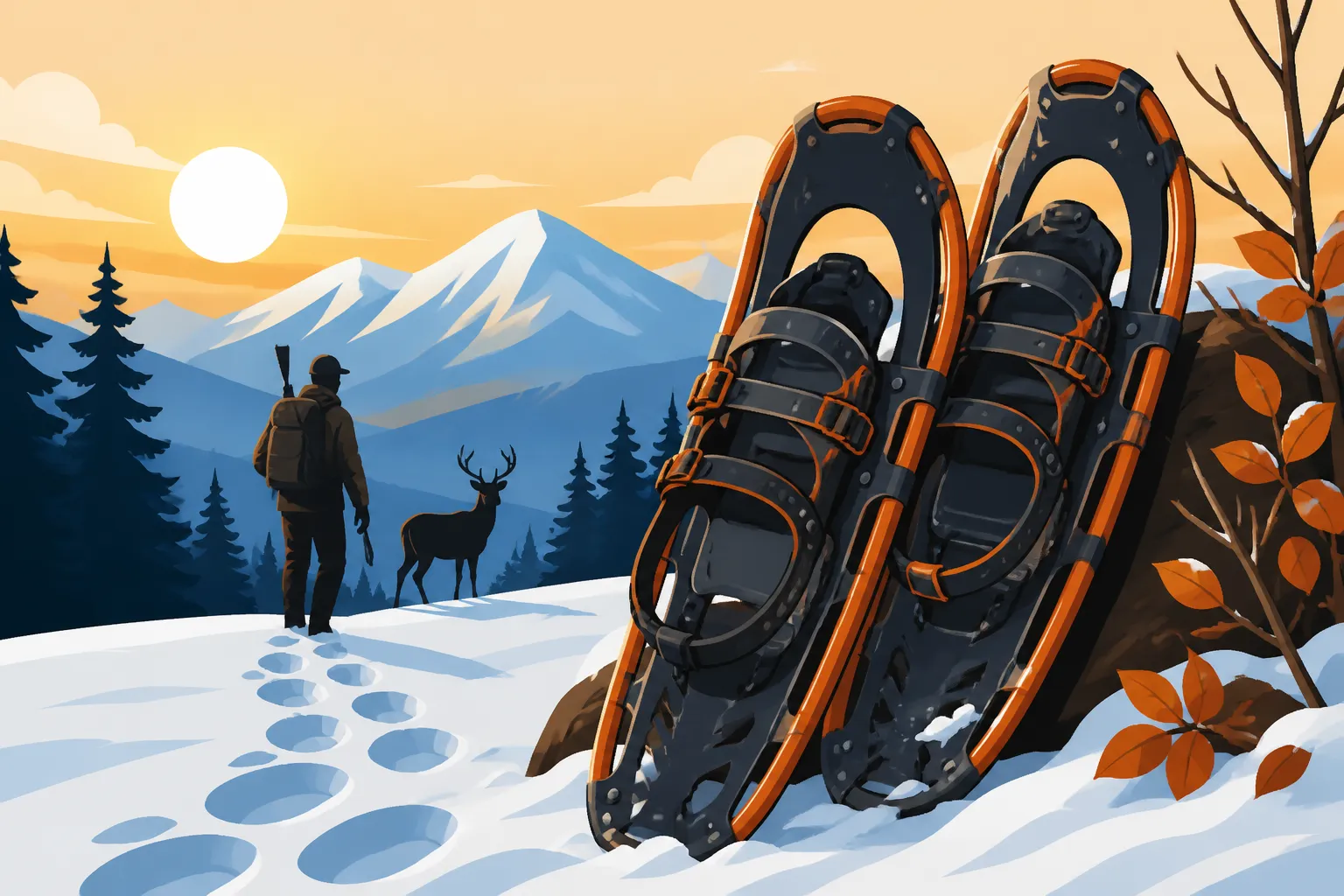
There's nothing quite like the crunch of fresh snow underfoot, but when those New Hampshire winter storms really lay it on thick, suddenly that picturesque landscape turns into an energy-sapping, post-holing nightmare. Trying to track a deer through knee-deep (or worse, waist-deep) powder without the right gear can turn a promising late-season hunt into an exercise in frustration and exhaustion. This guide is all about helping you navigate those deep winter conditions, ensuring you're equipped with the best snowshoes for staying efficient, quiet, and safe while tracking game in the Granite State's challenging terrain.
Why Snowshoes Are Essential for Late-Season Tracking in New Hampshire
When the snow starts piling up in the North Country, or even in the lower elevations after a big storm, your regular hunting boots just aren't going to cut it. Trying to push through several feet of fresh powder is not only physically draining but also incredibly slow and noisy, making it nearly impossible to sneak up on wary late-season whitetails or even follow a track effectively. That’s where a good pair of snowshoes become an absolute game-changer. They distribute your weight over a much larger surface area, allowing you to "float" on top of the snow rather than sinking in with every step.
Imagine the frustration of picking up a hot track only to find yourself sinking to your hips every few steps. You're expending twice the energy, making three times the noise, and probably getting soaked in the process. This isn't just about comfort; it's about endurance and effectiveness. Late-season hunting often means fewer daylight hours and colder temperatures, so conserving energy and moving efficiently can be the difference between tagging a deer and heading home empty-handed and frozen. Snowshoes let you keep moving with purpose, covering more ground and maintaining the focus needed for a successful track. They unlock access to areas that would otherwise be impenetrable, allowing you to follow game into thick timber or across wide-open fields where deer might be bedding down.
Conserving Energy and Maximizing Stealth
One of the biggest advantages of snowshoes for tracking is the incredible energy savings. When you're not fighting against every step, lifting your leg out of a deep post-hole, you can walk farther, stay out longer, and remain more alert. This is crucial when you're cold-weather sitting strategy in the North Country. Your heart rate stays lower, you sweat less (which is vital for staying warm), and you retain the stamina needed for the final stalk or for packing meat out of a North Country bog. In deep snow, a regular pair of boots simply makes too much noise, but with the right snowshoes, designed for quiet movement, you can actually be incredibly stealthy.
The distinct advantage of flotation cannot be overstated when pursuing a wounded animal. If a buck has put some distance between himself and your initial shot, every ounce of energy you can save will be critical for the recovery. A good set of snowshoes lets you glide over the snow, reducing the audible crunch that can alert bedded animals. By choosing models with flexible, quiet decking materials, you can minimize the sound signature of your movement, making it easier to close the distance on a tucked-away deer or approach a new sign without giving yourself away. You want to be a silent shadow, not a snowplow.
Accessing Remote Winter Cover
New Hampshire's public lands, particularly in the White Mountain National Forest, can hold some fantastic late-season hunting opportunities. However, these areas often become nearly inaccessible once significant snow arrives. Old logging roads, forgotten woods trails, and even familiar game trails vanish under a blanket of white. Snowshoes allow you to traverse these deep snow conditions, opening up vast tracts of land that other hunters might avoid. This means you can get into those secluded deer yards or thick cedar swamps where deer congregate in winter.
Think about scouting with the New Hampshire Fish and Game app, marking a promising thicket or a sheltered granite ridge saddle. Without snowshoes, reaching these spots in January could be a grueling, perhaps impossible, trek. With them, you can effectively expand your hunting range, accessing areas that offer better odds for finding undisturbed deer. It's not just about tracking, it’s about accessing. You're gaining an advantage by being able to go where the game is, even when the elements are doing their best to keep everyone else out. This can be particularly true when you're trying to read a White Mountain deer yard, where the best sign might be far from any plowed road or even a well-trodden snowmobile path.
Key Features to Look For in Tracking Snowshoes
Choosing the right pair of snowshoes for late-season tracking isn't about grabbing the first pair you see on sale. It’s about understanding the specific demands of hunting in New Hampshire's winter environment. We're often dealing with varied snow conditions, from fluffy powder to crusty ice, and challenging terrain that can include steep climbs, rocky outcrops, and dense timber. Your snowshoes need to be built to handle all of it, quietly and efficiently.
Flotation and Surface Area
The primary job of a snowshoe is to keep you on top of the snow, and that’s determined by its surface area. The deeper and lighter the snow, the more flotation you'll need. This means matching the snowshoe size to your body weight plus the weight of your hunting gear (pack, rifle, layers, etc.). Don't underestimate the weight of a fully loaded hunting pack! Always err on the side of slightly larger if you're consistently hunting in deep powder, especially in the North Country where snow depths can be extreme. If you misjudge, you'll still be post-holing, just not as deeply.
It's a common misconception that bigger is always better. While larger snowshoes offer more flotation, they can also be cumbersome in tight timber, making it harder to navigate around trees or maintain a steady pace. Consider the typical snow conditions you expect to encounter. Are you mainly tracking through fresh, light powder after a big storm, or are you navigating areas with denser, more consolidated snow? A versatile mid-range size often works best for New Hampshire's mixed conditions, providing good flotation without sacrificing too much maneuverability. Many manufacturers provide weight charts, which are a great starting point, but always factor in your full hunting load.
Traction and Crampons
New Hampshire terrain isn't always flat, open powder. You'll encounter icy patches, steep granite ridges, and side-hills that demand serious grip. This is where aggressive crampons and side rails come into play. Look for snowshoes with substantial front (toe) crampons, designed to bite into ice and hard-packed snow during ascents, and smaller, but still effective, heel crampons for stability on descents. Steel crampons are generally preferred for durability and bite.
Side rails, often found on backcountry-oriented snowshoes, provide crucial lateral stability, preventing your foot from slipping sideways on traverses. If you anticipate hunting steep terrain, such as still-hunting White Mountain National Forest timber or working a ridge above a North Country bog, heel lifts (also called "ascender bars") are a game-changer. These small flip-up bars reduce calf fatigue on steep climbs, making a significant difference in your endurance over a long day. Without adequate traction, a simple hillside can become a dangerous slide, so prioritize models that offer robust, multi-directional grip for confidence and safety.
Bindings and Adjustability
A good binding system is paramount. You need bindings that securely hold your boot, prevent your foot from slipping around, and are easy to adjust, even with cold, gloved hands. Nothing is more frustrating than fumbling with frozen straps when you're trying to get going at first light or make a quick adjustment on the trail. Ratchet-style bindings are often preferred for their ease of use and secure fit, allowing for quick tightening and loosening.
Look for bindings that accommodate a variety of boot sizes and types, from insulated winter boots to more aggressive hiking boots. A snug, comfortable fit is essential to prevent chafing and blisters, especially on longer treks. Some bindings offer more flexibility, allowing your foot to pivot more naturally, which can reduce fatigue and improve your stride. Durability is also key here; plastic buckles can become brittle in extreme cold, so look for robust materials and simple, reliable designs. A binding that keeps your foot centered and prevents lateral movement will make every step more efficient and less tiring, allowing you to focus on the track ahead.
Frame and Decking Materials
The frame of a snowshoe is typically made from aluminum, which offers a good balance of strength and weight. Some higher-end models use composite materials for lighter weight and specific flex characteristics. The decking material, the fabric that provides the flotation, is equally important. Look for durable, tear-resistant materials that remain flexible in cold temperatures. Quietness is a huge factor for hunters. Some decking materials can be quite noisy, especially in very cold conditions, producing a "crinkling" sound that will absolutely carry through the still winter woods.
Seek out materials and designs known for their quiet operation. This might mean flexible hypalon or specialized plastics that don't become stiff and noisy in sub-freezing temperatures. The overall construction should be robust enough to withstand bumps against rocks, branches, and general abuse that comes with navigating dense New Hampshire timber. Remember, these aren't just for walking; they're for hunting, which means they'll be put through their paces in harsh, unforgiving environments.
Types of Snowshoes and Their Best Use Cases for Hunters
Just like there are different rifles for different game or different boots for various terrain, snowshoes come in a few distinct categories, each with strengths and weaknesses that might make them more or less suitable for your late-season tracking adventures in New Hampshire. Understanding these differences will help you make an informed choice that truly supports your hunting style.
Recreational and Trail Snowshoes
These are the most common type of snowshoes you'll find, often designed for packed trails, gentle rolling terrain, and casual winter walks. They are generally lighter, less aggressive in their crampon design, and focus more on comfort for extended use on groomed paths. For a hunter, these might be suitable if your primary goal is to get to a pre-set stand on a well-used trail after a light snowfall, or if you're hunting relatively flat farmland edges where snow isn't excessively deep or icy.
However, for serious late-season tracking off-trail in New Hampshire's backcountry, recreational snowshoes often fall short. Their smaller size might not offer enough flotation in deep powder, and their less aggressive crampons won't give you the grip you need on steep, icy slopes or when traversing a granite ridge. While they are usually more affordable, sacrificing performance in critical conditions can compromise your safety and success. They're great for a leisurely stroll but less so when you're blood trailing after dark in New Hampshire or trying to gain elevation on a snowy hillside.
Backcountry and Mountaineering Snowshoes
This is where the serious tracking hunter will likely find their best fit. Backcountry and mountaineering snowshoes are built for rugged, varied terrain and deep, untracked snow. They feature larger surface areas for superior flotation, robust and aggressive crampons (often steel) for maximum grip on ice and steep ascents, and durable, high-performance bindings that can handle extreme conditions. Many come with heel lifts, which are invaluable for reducing calf strain on long, uphill climbs.
These snowshoes are designed for adventurers who push into remote areas, similar to how you might hunt a New Hampshire North Country moose bog. For tracking deer through thick timber, over rocky terrain, or across frozen beaver flowages, their superior traction, flotation, and durability are indispensable. They might be a bit heavier and often more expensive than recreational models, but the enhanced performance, safety, and reliability they offer are well worth the investment for a dedicated late-season hunter. When you're following a track that leads you deep into the wild, you need gear that won't let you down.
Hunting-Specific Snowshoes
Some manufacturers offer snowshoes marketed specifically for hunting. These models often combine features from both recreational and backcountry categories, attempting to create a balanced option. They might feature camouflage patterns, quieter decking materials, and a binding system designed to work well with hunting boots. Typically, they aim for a good compromise between flotation, traction, and maneuverability in dense cover.
The trick with "hunting-specific" gear is to critically evaluate whether it meets your specific needs for late-season tracking in New Hampshire. While the camo might look cool, the critical features remain flotation, traction, and durability. Do they have aggressive enough crampons for the icy conditions you might encounter? Is the decking truly quiet in sub-zero temperatures? Sometimes, a high-quality backcountry snowshoe from a reputable brand like MSR or Tubbs, even if it doesn't come in camo, will outperform a "hunting-specific" model that compromises on essential performance features. When you're tracking a deer in fresh White Mountain snow, performance outweighs aesthetics every time.
Here's a quick comparison of snowshoe types for hunting:
| Feature | Recreational Snowshoes | Backcountry Snowshoes | Hunting-Specific Snowshoes |
|---|---|---|---|
| Terrain Suitability | Packed trails, gentle slopes | Steep, varied, deep untracked | Mixed terrain, off-trail |
| Flotation (Deep Snow) | Moderate | High | Moderate to High |
| Traction (Ice/Steep) | Mild | Aggressive, steel crampons | Moderate, varied |
| Durability | Good | Excellent, heavy-duty | Good, designed for abuse |
| Weight | Light to Moderate | Moderate to Heavy | Moderate |
| Quietness | Can be noisy or quiet | Typically robust, can be loud | Often prioritized for quietness |
| Heel Lifts | Rarely | Common | Sometimes |
| Maneuverability | Good on open trails | Good for technical terrain | Designed for timber |
| Best Use Case | Easy access points, light snow | Remote, challenging terrain | Generalist off-trail hunting |
When you're planning your hunt, consider consulting mapping tools. Applications like GoHunt or similar platforms can give you an excellent overview of the topography and help you anticipate the kind of snow conditions and terrain you'll face. This helps in choosing the right snowshoe for the specific challenges of your hunting area.
Maintenance and Care for Your Hunting Snowshoes
Even the best snowshoes won't last long or perform optimally if they're not properly cared for. Neglecting your gear is a sure way to find yourself struggling with broken bindings or dull crampons when you least expect it, or worse, when you're trying to recover a deer from a beaver flowage in freezing temperatures. A little routine maintenance goes a long way in ensuring your snowshoes are always ready for your next late-season tracking adventure.
Cleaning and Drying After Each Use
After a long day in the woods, it's tempting to just toss your snowshoes in the back of your truck or shed. However, snow and ice can accumulate on the decking, in the bindings, and around the crampons. If left to melt and refreeze, this can cause damage, rust, or make them incredibly stiff and hard to handle for your next outing. Always take a few minutes to clean them off.
Use a brush or your hand (with gloves on!) to remove any excess snow, ice, mud, or debris from the frame, decking, and especially the bindings and crampons. Pay close attention to the moving parts of the bindings. Once cleaned, let your snowshoes air dry completely in a warm, dry place, away from direct heat sources that could warp plastic components. Hanging them up can help promote airflow and ensure thorough drying. This simple step prevents rust on metal components, keeps fabrics from deteriorating, and ensures your bindings remain flexible and functional. It's a small effort that pays dividends in longevity and reliability.
Inspecting Bindings and Crampons
Before and after each hunting trip, give your snowshoes a thorough inspection. Check all straps and buckles on the bindings for any signs of wear, tears, or brittleness. Are they still securely attached? Do they cinch down tightly without slipping? Replace any damaged components promptly. A binding failure in the middle of a remote track can be a serious problem, leaving you literally stuck in the snow.
For the crampons, inspect them for any bends, breaks, or excessive wear. Sharp crampons are essential for good traction on ice and hard snow. If they're dull, they won't bite as effectively. While some crampons can be sharpened with a file, follow the manufacturer's recommendations. Also, check the screws or rivets that hold the crampons to the frame to ensure they are tight and secure. Loose crampons are not only ineffective but can also lead to an unexpected fall. By being proactive with these inspections, you can catch minor issues before they turn into major headaches out in the field. This also helps you ensure your gear, like your boots for White Mountain granite terrain, are always in top shape.
Proper Storage
When the season finally ends, and it's time to put your snowshoes away for the spring and summer, proper storage is crucial. Store them in a cool, dry place, ideally hanging or lying flat where they won't be exposed to extreme temperatures or direct sunlight. UV rays can degrade plastic and fabric components over time, making them brittle and prone to failure. Storing them neatly also prevents accidental damage from other gear bumping into them.
Consider storing them in a dedicated gear bag to protect them from dust and dings. Some snowshoes come with their own carry bags, which are great for this. If you’ve used a product like GoHunt to plan your hunts, you know how important preparation is; extending that mindset to gear care is just as critical. By storing your snowshoes correctly, you're not just preserving them, you're ensuring they're ready to perform flawlessly for you next season, ready to help you track those elusive New Hampshire whitetails through the deepest winter snows.
Disclaimer
This article is for general informational purposes only and does not constitute professional advice. Laws, prices and regulations vary by location and change over time. Consult a qualified professional for guidance on your specific situation.