Best Sled for Dragging a Deer Over Snow
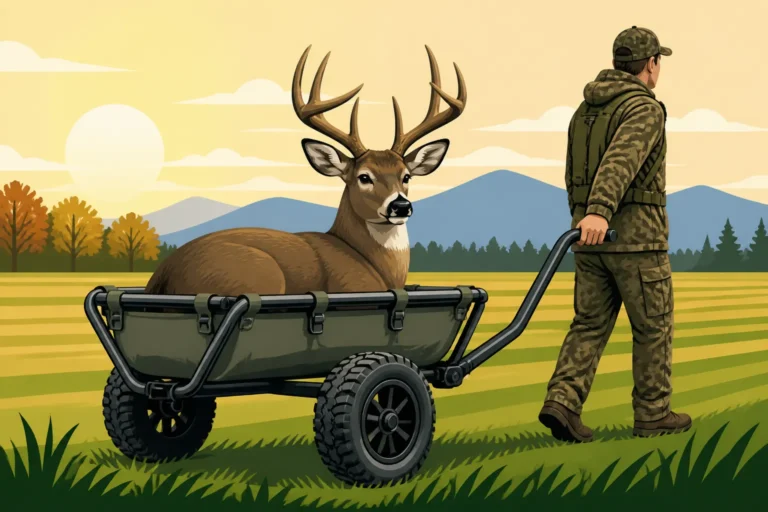
Dragging a deer through fresh New Hampshire snow can feel like an impossible task after a successful hunt. You've put in the work, made a clean shot, and now the real physical challenge begins, especially when you're deep in the timber with a few inches—or feet—of the white stuff on the ground. This guide is all about making that arduous journey a little easier by helping you choose the best sled for dragging a deer over snow, focusing on what truly works in our varied New Hampshire landscape.
Why a Deer Sled is Essential for New Hampshire Deer Recovery
Let's face it, wrestling a mature New Hampshire whitetail out of the woods, particularly late in the season when the snow flies, is one of the toughest parts of hunting. The ground might be uneven, covered in a mix of crusty snow and ice, or be a treacherous layer of fresh powder. Without the right tools, it's a back-breaking, sweat-inducing ordeal that can turn a triumphant moment into a miserable slog. That's where a good deer sled comes into its own.
The Physical Toll of a Snow Drag
Think about it: a decent-sized New Hampshire buck can easily weigh 150-200 pounds or more dressed, not to mention the weight of your gear, your rifle, and perhaps even a pack. Trying to physically hoist and drag that weight over uneven ground, through brush, and across snow without anything to smooth the path is an express ticket to muscle strain, exhaustion, and potentially even injury. I’ve seen hunters try to do it all by hand, leaving a trail of frustration and often having to leave a deer overnight, risking spoilage or scavengers. The energy you expend can be immense, taking away from the satisfaction of your hunt. A good sled mitigates a lot of that friction and resistance, allowing you to move your deer with far less effort, saving your strength for the actual pack-out or butchering. This is especially true when you're Tracking a Deer in Fresh White Mountain Snow where every step can be a challenge.
Navigating New Hampshire's Varied Terrain
Our state isn't exactly flat. From the rolling hills of the Monadnock Region to the steep, granite-strewn terrain of the White Mountains, or the thick, dense softwoods of the North Country, you're going to encounter a mixed bag. Early season snow might be light and fluffy, but by December, you could be slogging through heavy, wet snow, or worse, a frozen crust that crunches underfoot but offers serious resistance. A proper deer sled is designed to glide over these various snow conditions, minimizing hang-ups on roots, rocks, and downed logs. It allows the deer to be pulled smoothly, rather than getting caught on every obstacle. This becomes even more critical when you're hunting in challenging spots, perhaps trying to Recovering a Deer From a Beaver Flowage where the ground can be notoriously uneven and soft even under snow. Using a reliable mapping app like GoHunt can also help you identify potential drag routes and terrain features before the hunt, allowing you to anticipate where a sled will be most beneficial.
Protecting Your Harvest
Beyond the sheer physical effort, a deer sled also helps protect your hard-earned harvest. When you're dragging a deer directly on the ground, especially over rough, frozen terrain or through thick brush, you risk tearing the hide, getting dirt and debris into the meat, or even damaging a trophy set of antlers. A sled keeps the animal elevated and contained, offering a layer of protection from the elements and the abrasive ground. This means your venison stays cleaner, and the hide remains in better condition if you plan on tanning it or caping for a mount. It's a small investment that can make a big difference in the quality of your post-hunt care.
Types of Deer Sleds and Their Features
When it comes to deer sleds, you'll find there's a good range of options, each with its own benefits and drawbacks depending on the specific conditions you anticipate in New Hampshire. Understanding these differences will help you make an informed choice for your next hunt.
Traditional Utility Sleds
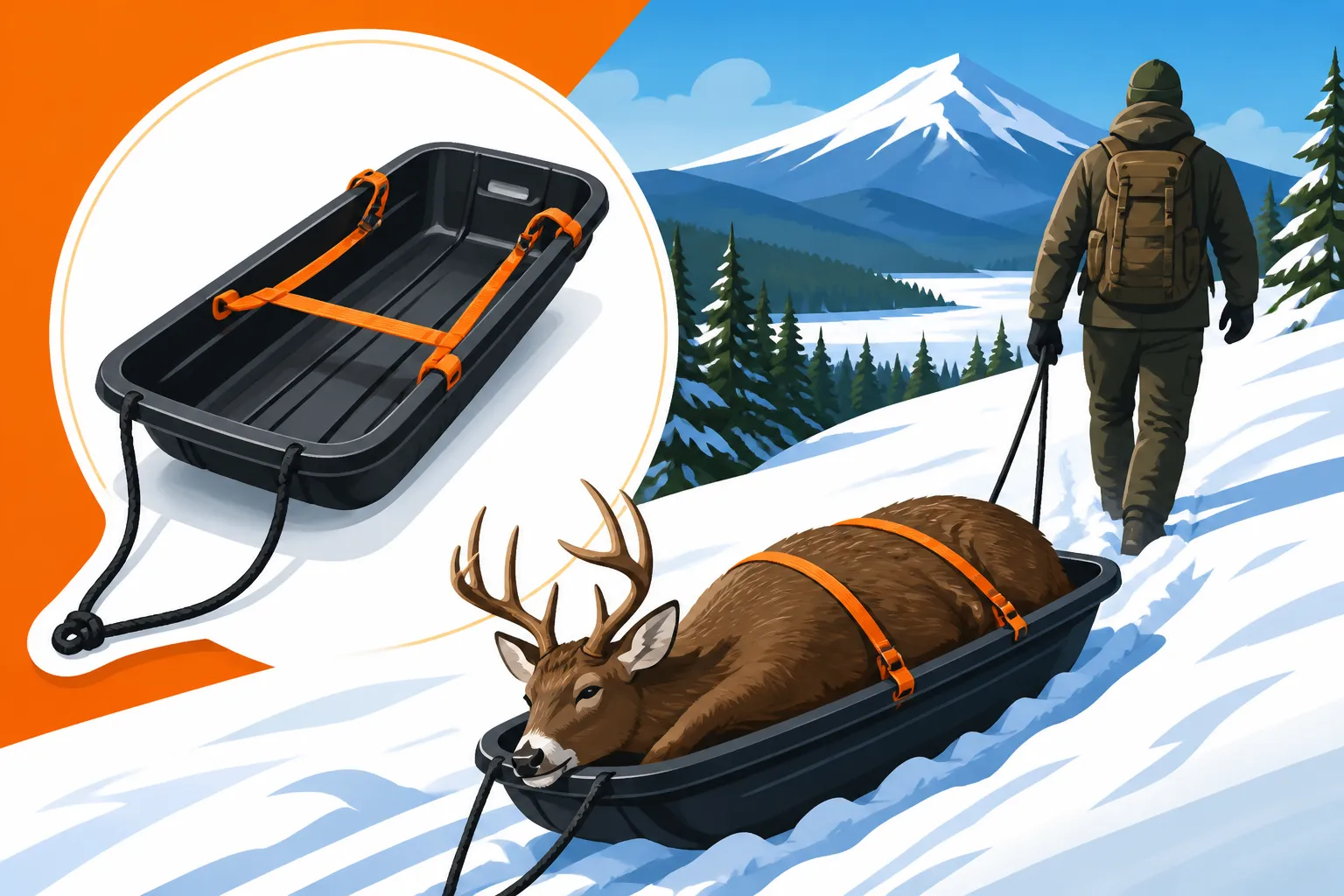
These are often the most common and budget-friendly options, frequently found at hardware stores or general sporting goods shops. They’re typically made from durable, high-density polyethylene plastic. They're basically large, shallow tubs with a rope attached to the front.
- Pros: They are inexpensive, readily available, and generally quite tough. The smooth plastic bottom glides well over most snow types, and they're versatile enough for other tasks like hauling firewood or camping gear. Many come with pre-drilled holes for attaching your own rope or harness.
- Cons: Their open design means the deer can shift around, and snow or debris can pile up inside the sled. They often lack built-in features for securing the deer, which means you might need extra straps or bungee cords. The leading edge can sometimes dig into deep snow, making it harder to pull. For serious deep snow or rugged terrain, they might not be optimized for the best glide or stability.
- Best Use in NH: Great for lighter, less frequent use, or if you have relatively flat, consistent snow conditions near logging roads or farm fields. If you're Hunting a Standing Corn Field for Deer with a short drag, a utility sled can work just fine.
Specialized Deer Sleds
These sleds are designed specifically for game recovery, featuring more thoughtful design elements to make dragging easier and more efficient. They're usually longer and narrower than utility sleds, often with a raised front end and sometimes even side walls to contain the animal.
- Pros: The design is optimized for deer. The raised front helps prevent plowing in deep snow, and the contoured shape often helps the sled track straighter. Many include integrated tie-down points or even built-in straps to secure the deer, reducing shifting. They often have heavier-duty construction and more ergonomic pull ropes or even rigid pull poles. Some models, like those from popular brands, have very slick bottoms for minimal friction.
- Cons: They are generally more expensive than basic utility sleds. Their specialized shape might make them less versatile for other hauling tasks. They can also be bulkier to transport in your vehicle or on an ATV.
- Best Use in NH: Ideal for hunters who regularly harvest deer in snowy conditions and want a dedicated tool to make recovery easier. They excel in moderate to deep snow, and their stability helps when navigating slightly uneven ground. For dedicated deer hunters in areas with reliable winter snow, this is often the sweet spot.
Heavy-Duty Expedition or Pulk Sleds
These are the big guns, often used for winter camping, ice fishing, or hauling heavy loads over vast distances of snow. They are typically deep, highly durable plastic tubs, sometimes with built-in rigid tow bars and comfortable harnesses.
- Pros: Extremely durable and can handle very heavy loads. The deep sides keep the deer fully contained and protected from the elements and brush. The rigid tow bar system distributes the pulling force efficiently, reducing strain on your back and allowing you to lean into the drag. They glide exceptionally well over deep, soft snow.
- Cons: They are the most expensive option and by far the bulkiest and heaviest. Their size can make them challenging to maneuver in dense timber or tight spots. They are often overkill for a single deer unless you anticipate extremely long drags or plan to quarter the animal and haul out other gear with it.
- Best Use in NH: Reserved for very specific scenarios, such as Hunting a New Hampshire North Country Moose Bog where long, arduous drags through deep snow are expected, or if you're regularly quartering deer and hauling multiple large loads of gear in winter backcountry. Not typically necessary for most deer hunting scenarios.
Material Considerations
Most sleds are made from some form of polyethylene. High-density polyethylene (HDPE) is common due to its excellent impact resistance, flexibility in cold temperatures, and slick surface. Look for sleds with thicker walls and a robust rim to resist cracking if you hit a hidden rock or stump. The quality of the plastic makes a huge difference in how the sled holds up over time, especially when encountering Finding Sign in White Mountain Timber that might include sharp rocks or frozen branches.
Choosing the Right Sled for Your New Hampshire Hunt
Selecting the best sled really boils down to balancing cost, durability, and the specific New Hampshire hunting conditions you expect to encounter. It's not a one-size-fits-all situation, and what works for a quick drag across a field might not cut it for a deep woods retrieve.
Assessing Your Typical Hunting Environment
Consider where you do most of your hunting in New Hampshire.
- Open Fields and Gentle Slopes: If you frequently hunt agricultural areas like those found near the Connecticut River Valley, or relatively open woodlots with less underbrush, a simpler utility sled might be perfectly adequate. The distances might be shorter, and the terrain more forgiving. You're less likely to snag on dense brush.
- Dense Timber and Thick Undergrowth: For the thick softwoods, cedar swamps, or young regrowth areas common in much of New Hampshire, a specialized deer sled with a higher, more pointed nose and robust tie-downs will be a game-changer. These features help prevent the sled from snagging on branches and allow it to ride over small obstacles more smoothly. A durable, contained sled will also protect the deer better from abrasive contact with trees and brush. Using a mapping application like GoHunt can provide satellite imagery that helps you visualize the density of cover and plan your potential drag route, highlighting areas where a more robust sled would be beneficial.
- Steep, Rocky Terrain: The granite ridges and steep ravines of the White Mountains and other higher elevations present the toughest challenge. Here, you'll need something extremely durable. While a sled can help, even the best sled will struggle on truly steep, icy ascents or descents. In these scenarios, quartering the animal and using a high-quality pack frame might be a more practical solution, or working with a partner for Deer Drives With Three or Four Hunters to help manage the sled over difficult sections. If you can use a sled, opt for one with superior tracking and stability to prevent it from sliding sideways on slopes.
Capacity and Size Considerations
How big are the deer you typically harvest? A small doe won't require the same capacity as a hefty North Country buck.
- Length: A longer sled (6-7 feet) can fully contain a large deer, preventing legs or antlers from dragging and snagging. Shorter sleds (4-5 feet) are more maneuverable in dense timber but might leave parts of the deer exposed.
- Width: A narrower sled tracks better through dense brush and between trees. Wider sleds offer more stability and capacity but can be cumbersome in tight spots. For many New Hampshire hunters, a mid-range length and narrower width often strikes the best balance between maneuverability and capacity.
- Portability: Remember, you have to get the sled to your deer. A bulky, heavy sled is a nuisance to carry in, especially if you're hiking a long distance. Consider foldable or rollable options if portability is a major concern, though these often sacrifice some durability.
Pulling System: Rope vs. Harness vs. Rigid Pole
The method you use to pull the sled is just as important as the sled itself.
- Rope Only: Many basic sleds come with a simple rope. This is fine for very short, easy drags, but a simple hand-held rope concentrates all the strain on your arms and shoulders. If you're going more than a few hundred yards, your hands will get cold and tired, and your back will likely suffer.
- Rope with Shoulder Strap/Loop: A simple upgrade is to add a loop to the rope that you can sling over your shoulder or around your waist. This distributes the load better, but it can still be uncomfortable, especially if the rope digs in.
- Padded Shoulder Harness: This is a much better option for comfort and efficiency. A padded harness worn like a backpack transfers the pulling force to your core, engaging larger muscle groups and saving your arms. Many specialized deer sleds offer these as an accessory or integrated feature.
- Rigid Pull Pole: For expedition-style sleds, a rigid pole connects directly to a padded waist belt or backpack. This provides excellent control, prevents the sled from running into your heels on descents, and offers the most ergonomic pulling experience. It's the best for long, challenging hauls, but less practical for short, quick retrieves.
Here's a quick comparison of common sled features:
| Feature | Traditional Utility Sled | Specialized Deer Sled | Expedition/Pulk Sled |
|---|---|---|---|
| Cost | Low | Medium | High |
| Durability | Good, but can be brittle in extreme cold | Excellent, designed for rugged use | Superior, built for extreme conditions |
| Capacity | Moderate, open design | Good, contoured for deer, often with tie-downs | Excellent, very deep and stable |
| Maneuverability | Moderate, can snag in deep snow | High, pointed nose and narrower profile for timber | Low, bulky, best for open areas |
| Protection | Minimal, open to elements and debris | Good, keeps deer contained and off ground | Excellent, fully enclosed, protects from all elements |
| Pulling System | Rope (handheld or DIY shoulder loop) | Often includes ergonomic rope/harness points | Typically features rigid tow bar and padded harness |
| Best NH Use | Short, easy drags; open fields; light snow | Typical NH timber/snow conditions; moderate distances | Extreme cold, deep snow, very long hauls, heavy loads |
Remember to consider your own physical condition and whether you'll be hunting alone or with partners. A good sled can level the playing field, making deer recovery a manageable task regardless of snow conditions.
Tips for Efficient Deer Dragging with a Sled in New Hampshire
Having the right sled is only half the battle; knowing how to use it effectively in New Hampshire's conditions will make all the difference. Efficiency is key, especially when you’re cold, tired, and daylight is fading.
Prepare Your Deer and Sled Before the Drag
Before you even start pulling, take a few moments to properly prepare your deer and the sled. This might seem like extra time, but it will save you considerable effort and frustration later.
- Field Dress Thoroughly: Make sure your deer is fully field-dressed. This reduces weight and ensures the cavity is clean. For instructions, check out Field Dressing a Deer in Cold Weather.
- Position the Deer: Place the deer in the sled with its head facing the direction of travel. Tucking the front legs back and securing them with a bungee cord can prevent them from splaying out and catching on brush. For large bucks, positioning the antlers carefully within the sled or resting on the back of the sled can prevent them from digging into the snow or getting damaged. If your sled has side walls, try to keep the deer as centered as possible.
- Secure the Load: Use straps, bungee cords, or the sled's built-in tie-downs to secure the deer firmly in place. You don’t want the animal shifting around as you navigate uneven terrain or steep sections. A shifting load is harder to pull and more likely to get hung up.
- Check Your Pulling System: If using a rope, ensure it's securely attached to the sled and comfortable for you. If you have a harness, adjust it properly for your body. This is a good time to double-check your route on a GPS app like GoHunt, looking for the path of least resistance or avoiding particularly dense thickets.
Optimizing Your Dragging Technique
Dragging a deer is a full-body workout, but with proper technique, you can minimize strain and maximize progress.
- Use Your Core and Legs: Whether you're using a harness or a rope, try to pull from your core and drive with your legs, rather than just relying on your arms and back. Lean into the pull, keeping your back straight. Take small, deliberate steps.
- Walk the Path of Least Resistance: When you’re Hunting a Funnel Between Two Woodlots or navigating thick cover, look for natural openings, old logging paths, or game trails. Even a slight deviation from a straight line can make the drag significantly easier if it avoids a pile of downed timber or a dense stand of saplings.
- Manage Obstacles: When you encounter a fallen log or a large rock, don't try to power over it. Angle the sled to lift one side over the obstacle, then the other, or find a low point. If you have a partner, one person can lift the front of the sled while the other pulls.
- Dealing with Slopes: On descents, try to control the sled's speed. A rigid pull pole is excellent for this as it prevents the sled from running into you. Without one, be prepared to brace yourself or even loop the rope around a tree to control the descent gradually. On ascents, take frequent breaks. If the snow is deep, you might need to "break trail" first without the sled, then come back and drag it through your packed path.
- Work with Snow Conditions:
- Deep, Powder Snow: Here, the sled’s wide footprint helps, but it will still be tough. A sled with a high, pointed nose helps prevent plowing. Consider breaking trail.
- Crusty Snow: This can be challenging. A solid crust might support the sled, making it easy, but a weak crust will break, causing the sled to plow and creating maximum friction. Again, a pointed nose helps.
- Wet, Heavy Snow: This is often the hardest to drag through due to its weight and stickiness. Keep the sled as clean as possible, shaking off any accumulated snow.
Post-Drag Sled Care
Once you’ve got your deer out, don't just toss the sled in the corner. A little care will ensure it’s ready for your next adventure.
- Clean It Thoroughly: Remove any blood, hair, dirt, and debris. A quick rinse with a hose and a scrub brush is usually sufficient. This prevents odors, keeps the plastic pristine, and reduces the spread of potential disease.
- Inspect for Damage: Check the sled for any cracks, deep gouges, or damage to the rope or harness. Address minor issues promptly to prevent them from becoming major problems.
- Store Properly: Store your sled out of direct sunlight and ideally in a place where it won’t be constantly flexed or stressed. This helps prolong the life of the plastic.
By investing in the right sled and honing your dragging technique, you can transform one of the most dreaded parts of a successful New Hampshire hunt into a manageable and even efficient process, ensuring your focus remains on the satisfaction of your harvest rather than the pain in your back.
Disclaimer
This article is for general informational purposes only and does not constitute professional advice. Laws, prices and regulations vary by location and change over time. Consult a qualified professional for guidance on your specific situation.