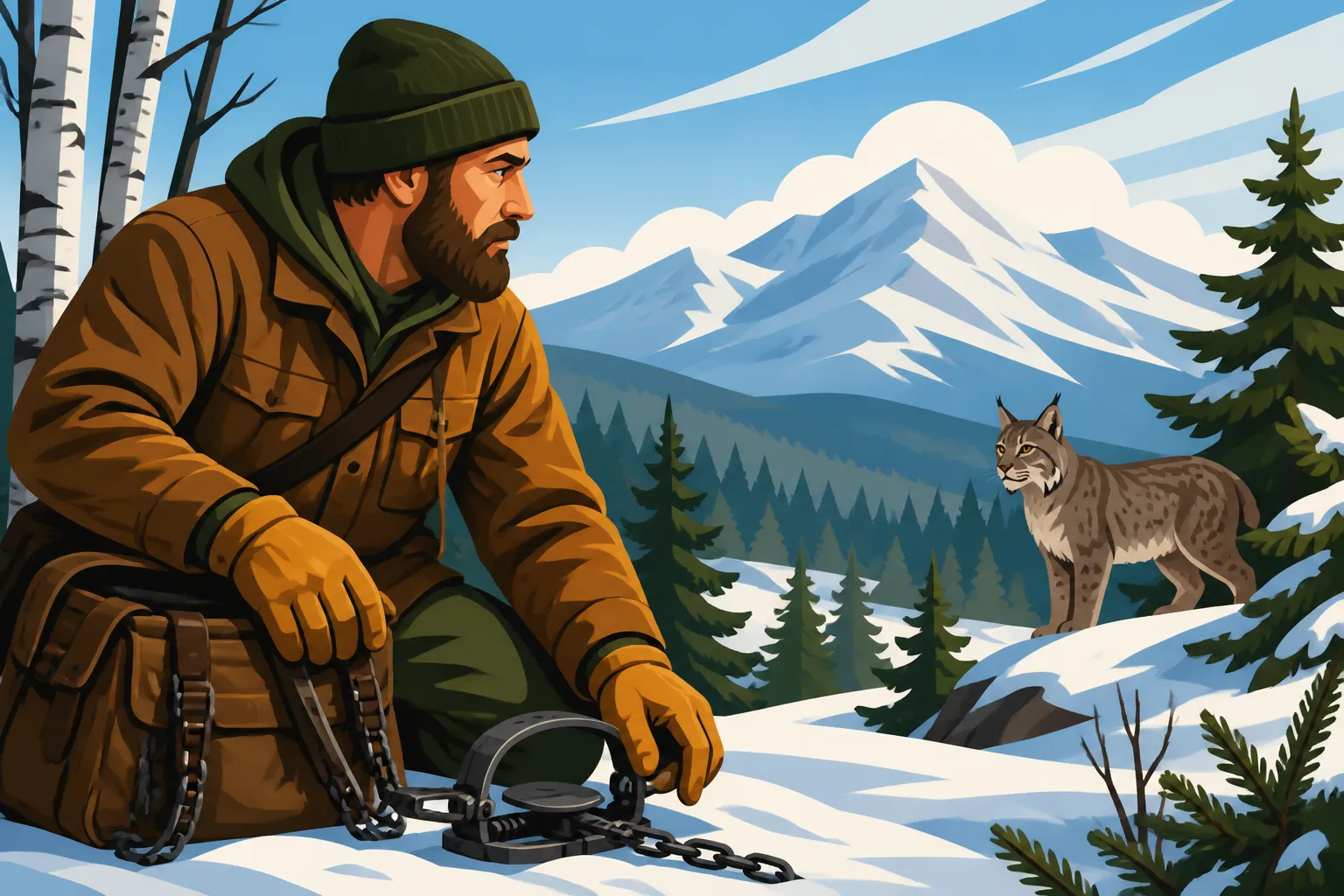
Running a Trapline in Rural New Hampshire
Trapping in rural New Hampshire can feel like a deep connection to tradition, a skill often passed down through generations. Yet, for many, whether you're new to the pursuit or a seasoned veteran looking to ensure you're current, the sheer volume of regulations, best practices, and ecological considerations can feel overwhelming. This comprehensive guide aims to demystify the process, offering practical, in-depth advice on how to run a responsible, effective, and ethical trapline across the Granite State.
Navigating New Hampshire's Trapping Regulations and Licensing
Before you even think about setting your first trap, understanding the legal landscape is paramount. New Hampshire, like all states, has specific laws designed to manage wildlife populations, ensure humane practices, and maintain public safety. Ignoring these rules isn't just a risk for fines; it undermines the entire trapping community's reputation and conservation efforts.
Required Licenses and Permits
First and foremost, you'll need the proper licensing. In New Hampshire, to run a trapline, you are required to hold a valid New Hampshire hunting license, sometimes referred to as a "primary" or "base" license, in addition to a specific trapping license. This isn't just a formality; it demonstrates a baseline understanding of outdoor ethics and safety, which is also reinforced by hunter education requirements. If you're wondering about the specific costs and where to obtain these, details on New Hampshire Trapping License Requirements are readily available through the New Hampshire Fish and Game Department's online portal or at authorized vendors. It's crucial to purchase these well in advance of the season, as you don't want to miss out on prime trapping days waiting for paperwork to clear.
Beyond the basic license, there can sometimes be additional permits or stamps required depending on the species you're targeting or the specific location. For instance, if you plan to trap on federal lands, such as portions of the White Mountain National Forest, always double-check if federal permits or specific access rules apply, as they can sometimes differ from state regulations. Always carry your licenses and any required permits with you while actively trapping, ready to present them to a conservation officer if requested.
Species-Specific Seasons and Limits
New Hampshire's trapping seasons are meticulously set to align with furbearer biology, population health, and pelt quality. You can't just trap any animal at any time. Each species—beaver, muskrat, mink, otter, fox, bobcat, raccoon, skunk, and coyote—has a defined season, and some even have specific bag limits or restrictions on method. For example, if you're interested in the elusive bobcat, you'll find that New Hampshire Fox and Bobcat Trapping Season dates are quite specific and often more restricted than those for more common furbearers. This is a critical piece of information to consult annually, as dates and rules can occasionally be adjusted based on wildlife surveys and management goals.
It's not uncommon for different Wildlife Management Units (WMUs) to have slightly varying season dates or specific regulations, especially for species with localized population concerns. This emphasizes the importance of knowing your WMU and carefully consulting the New Hampshire Fish and Game Digest each year. The digest is your bible for trapping season dates, bag limits, and any special provisions for species like New Hampshire Beaver and Muskrat Trapping Season. Misidentifying a furbearer or trapping out of season can lead to severe penalties, so take the time to study animal identification thoroughly.
Setbacks and Device Restrictions
The type of traps you can use and where you can place them are also subject to strict regulations designed for safety and humane dispatch. New Hampshire has specific rules regarding the use of body-gripping traps (like Conibears), foothold traps, and snares, including size restrictions and whether they must be submerged or checked within certain timeframes. For example, many body-gripping traps have size limitations and must be set a certain distance from public ways or buildings unless completely submerged. Similarly, foothold traps often require certain jaw spreads and may need to be offset or covered.
Understanding these details is non-negotiable. Familiarize yourself with the exact specifications for trap types, such as jaw spread limits for footholds, loop size restrictions for snares, and setback requirements from roads, trails, and residences. These rules are in place not only to protect non-target animals, including pets and livestock, but also to ensure the safety of other outdoor enthusiasts. Always double-check your local ordinances too, as some towns may have additional restrictions.
Strategic Scouting and Trap Selection for New Hampshire Furbearers
Successful trapping isn't just about setting a trap; it's about smart scouting and selecting the right equipment for the job. You wouldn't hunt deer with a turkey call, and you shouldn't set a muskrat trap in prime bobcat country. It requires observation, patience, and a keen understanding of animal behavior.
Identifying Productive Habitat
Before you even carry a trap into the field, you need to know where your target animals live, eat, and travel. This is where diligent scouting truly pays off. For aquatic furbearers like beaver, muskrat, and mink, you'll be looking for signs around water bodies: streams, rivers, ponds, and wetlands. Think about finding a Beaver Flowage Edge, looking for chewed saplings, dams, lodges, and slides where beavers enter and exit the water. Muskrats will leave behind feeding signs, small piles of vegetation, and push-ups in marshy areas. Mink often travel stream banks, looking for small prey, and will leave tracks along muddy edges or under bridges.
For terrestrial species like fox, coyote, raccoon, and skunk, you'll be focusing on travel corridors, pinch points, and food sources. Logging roads, field edges, thickets, and even suburban fringes can be hotspots for these animals. You'll look for scat, tracks, rub marks, and den sites. Many experienced trappers use tools like the New Hampshire Fish and Game App or mapping platforms like GoHunt to analyze aerial photos, identify natural funnels, and mark potential trap locations before ever stepping foot on the ground. This virtual scouting helps immensely in narrowing down vast tracts of land. Understanding the movements of animals and "Reading Aerial Photos for North Country Deer" can even provide insights into general wildlife movement patterns that benefit furbearer trappers.
Strategic Trap Placement and Sets
Once you've identified promising habitat, the next step is choosing the right "set" for the animal and location. This is where trapping becomes an art form.
- For Beaver: Conibear traps (body-gripping) are often placed in channels, dam breaks, or runs leading to lodges. Foothold traps might be used at castor mounds or slides, often paired with castor mound sets. Remember to check local regulations for required trap sizes and submersion for beaver.
- For Muskrat: Smaller body-gripping traps or footholds are used at runs, feeding stations, or den entrances. "Pocket sets" along stream banks baited with sweet apples or carrots are also effective.
- For Mink: Blind sets along logs crossing streams, cubby sets, or pocket sets near water are common. They are opportunistic predators, so mimicking a natural ambush point is key.
- For Fox and Coyote: Dirt hole sets, flat sets, and post sets are classic choices. The goal is to make the animal investigate a small "hole" or "post" where the trap is buried. Scent is critical for these animals.
- For Raccoon and Skunk: Dog-proof traps, cubby sets, or cage traps are popular. These are often baited with sweet foods, corn, or fish. When targeting raccoons, consider their foraging habits near water or agricultural fields. New Hampshire Raccoon and Skunk Trapping efforts often focus on these opportunistic feeders.
Each set has its own nuances. Learning to blend your trap into the environment, hide it from wary eyes, and stabilize it properly is crucial for success. You want the animal to focus on the lure or bait, not the trap itself.
Lures, Baits, and Attractants
Lures, baits, and attractants are the final piece of the puzzle, enticing animals to your meticulously placed traps. They can be broadly categorized:
- Food Baits: These are designed to appeal to an animal's hunger. For raccoons, sweet items like marshmallows, corn, or fruit work well. For coyotes and fox, meat scraps, tainted meat, or specialized commercial pastes are effective. For aquatic animals, apples, carrots, or fish are common.
- Scent Lures: These mimic the scent of another animal, either a potential mate, rival, or prey. Gland lures, often made from the animal's own glands, are powerful attractants for territorial species like fox and coyote. Curiosity lures, like skunk essence (which can also act as a powerful cover scent for the trapper), appeal to an animal's inquisitive nature.
- Visual Attractants: Sometimes a flash of color or movement is enough to draw an animal in, especially in an area of high visibility. A small piece of flagging tape, a feather, or even a piece of reflective material can act as a visual attractant, drawing attention to your set.
Always use high-quality, fresh lures and baits. Old or rancid baits, unless specifically designed to be that way (like some predator baits), will often deter animals. It's also important to rotate your lures, as animals can become accustomed to certain scents. Be mindful of New Hampshire's CWD Prevention Rules, especially regarding the use of natural urine-based lures for deer, as these are restricted. Stick to artificial scents or those derived from species not susceptible to CWD.
The Daily Grind: Running and Maintaining Your Trapline
Trapping is not a "set it and forget it" activity. It demands daily commitment, physical exertion, and a deep sense of responsibility. The work begins long before the first snow and continues well after the season closes.
Daily Checks and Animal Care
One of the most important aspects of ethical trapping in New Hampshire, and frankly, anywhere, is the legal requirement for daily trap checks. Traps must be checked by a certain time each day, typically within 24 hours of setting. This isn't just a rule; it's a moral imperative. Daily checks ensure that any caught animal is quickly and humanely dispatched, minimizing stress and suffering. It also allows you to address any non-target catches promptly.
When you approach a set, do so carefully. Always assume there's an animal in the trap. Dispatch should be quick, humane, and discreet. For smaller furbearers, this might involve a swift blow to the head. For larger animals like coyotes, a small caliber firearm is often used, where legal and safe. If you catch a non-target animal, such as a domestic pet, it's crucial to release it safely and without injury. Carry a specialized release tool, like a setter for body-gripping traps or a snare pole, to aid in safe release. If the animal is injured, contact New Hampshire Fish and Game for guidance. Remember, your actions reflect on all trappers.
Skinning, Processing, and Selling Furs
Once an animal is harvested, the work truly begins. The quality of your pelt is directly related to the care it receives immediately after dispatch. Field dressing, skinning, fleshing, and stretching are all critical steps in preparing a valuable fur.
- Field Dressing: For larger animals, some trappers choose to remove the entrails in the field to cool the carcass quickly, especially in warmer weather. This prevents spoilage and lightens the load.
- Skinning: The method of skinning (open or cased) depends on the species and market demand. Fox, coyote, and muskrat are typically cased-skinned, meaning the hide is peeled off like a sock, leaving the fur intact. Beaver are open-skinned, creating a flat pelt. Precision is key to avoid knife cuts in the fur.
- Fleshing: This involves removing all fat and muscle tissue from the hide. A fleshing beam and knife are essential tools for this tedious but vital step. Proper fleshing prevents hair slip and ensures the pelt dries correctly.
- Stretching and Drying: Pelts are stretched on boards or wire stretchers specific to the animal, shaping them for market. They are then air-dried in a cool, well-ventilated area, away from direct sunlight or heat, which can damage the fur.
After processing, furs can be sold to fur buyers, at auctions, or directly to tanneries. The market fluctuates, so keeping abreast of current fur prices is important for making informed decisions. Many trappers are also taxidermists, preserving their catches for personal enjoyment or for clients.
Common Challenges and Troubleshooting
Trapping isn't without its frustrations. You'll encounter challenges that test your patience and ingenuity.
- Weather: New Hampshire's weather can be unpredictable. Heavy snow can bury traps, making them ineffective or hard to find. Freezing rain can ice up traps, preventing them from firing. High winds can move sets or blow away scent. Adjust your sets, use antifreeze solutions on trap components, or focus on sheltered areas.
- Non-Target Catches: Catching a domestic pet or a non-furbearer (like a deer in a snare) is always a concern. Careful trap placement, using species-specific sets, and avoiding areas with high non-target activity can help. As mentioned, prompt and humane release is critical.
- Thieves and Vandalism: Unfortunately, trapline interference is a reality. Running a Trapline in Rural New Hampshire, especially on publicly accessible land, means you might face stolen traps or released animals. Marking your traps clearly, not over-publicizing your efforts, and reporting suspicious activity to law enforcement or Fish and Game can help. Consider using mapping apps like GoHunt to discretely mark your trap locations for your own reference, rather than relying on visible markers that might attract unwanted attention.
- Scent Contamination: Human scent on traps or around sets can deter wary animals like fox and coyote. Wear gloves, handle traps with care, and use natural materials to blend your sets.
Ethical Practices, Processing, and Conservation
Trapping, when done correctly, is a highly regulated and ethical activity that contributes significantly to wildlife management and conservation. It's more than just harvesting an animal; it's about stewardship.
Minimizing Non-Target Catches
One of the biggest concerns for the public regarding trapping is the potential for catching non-target animals, particularly pets. Ethical trappers go to great lengths to avoid this. This means careful site selection, avoiding areas frequented by domestic animals, and using trap types and sizes appropriate for the target species. For instance, using smaller foothold traps in areas where only muskrats are common reduces the risk of catching a larger animal. Specific techniques like "dirt hole sets" for coyotes, when properly constructed, are designed to appeal primarily to canids, further reducing incidental catches.
Regular trap checks are also vital here. A trapped animal, whether target or non-target, must be addressed quickly to prevent undue suffering. This is why the 24-hour check rule is so important. Being prepared with a release tool and knowing how to safely release a non-target animal is part of being a responsible trapper. Education and experience help trappers become incredibly skilled at setting selective traps in areas where the likelihood of a target species encounter is maximized.
Contributing to Wildlife Management
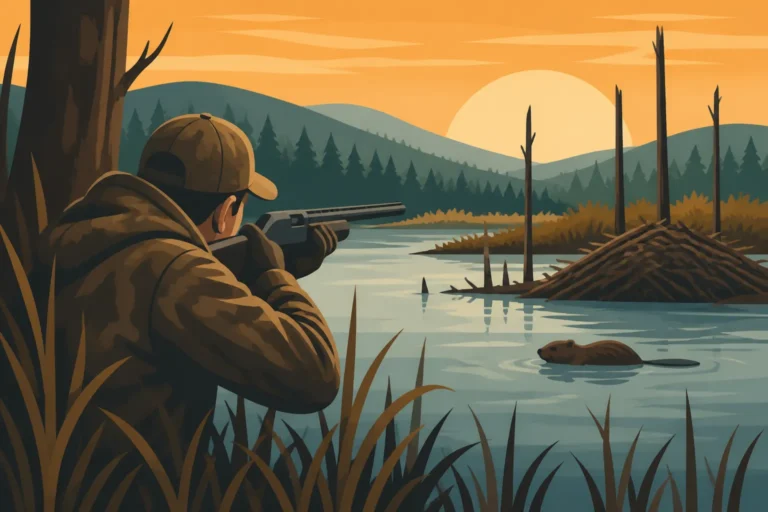
Trapping plays a crucial role in managing furbearer populations. For species like beaver, for example, trapping can help control populations to prevent damage to timber, agricultural crops, and infrastructure, as well as to maintain healthy wetland ecosystems. Too many beaver can flood roads, cut down valuable trees, and alter stream flows in ways that negatively impact other species. Understanding New Hampshire Beaver Population and Damage is key to seeing the conservation value of trapping.
Similarly, trapping can help manage coyote populations, which can impact deer fawn survival and other small game species. By providing data on harvest numbers, locations, and biological information, trappers contribute directly to the scientific understanding of furbearer populations, aiding wildlife biologists in making informed management decisions. This partnership between trappers and wildlife agencies ensures that furbearer populations remain healthy and sustainable for future generations. It's not just about what you take; it's about what your actions contribute to the broader ecosystem.
Common New Hampshire Furbearers and Trap Suitability
Here's a quick reference for some of New Hampshire's common furbearers and suitable trap types. Always confirm specific regulations and legal trap sizes in the current New Hampshire Fish and Game Digest.
| Furbearer | Preferred Habitat | Common Trap Types | Best Set Examples |
|---|---|---|---|
| Beaver | Ponds, rivers, streams, wetlands | Body-gripping (Conibear), Foothold | Channel sets, dam break sets, castor mound sets |
| Muskrat | Marshes, slow-moving water, ponds | Body-gripping (small), Foothold, Cage | Feed bed sets, dive sets, pocket sets |
| Mink | Stream banks, marsh edges, near water | Body-gripping (small), Foothold, Cage | Blind sets along logs, cubby sets, pocket sets |
| Fox | Farmland, open woods, field edges | Foothold, Snare | Dirt hole sets, flat sets, post sets |
| Coyote | Open woods, farm country, brushy areas | Foothold, Snare | Dirt hole sets, flat sets, scent post sets |
| Raccoon | Waterways, farm fields, wooded areas | Dog-proof, Cage, Body-gripping | Pocket sets, cage sets, culvert sets |
| Skunk | Open woods, suburban areas, farm country | Cage, Dog-proof | Cage sets, cubby sets (for odor containment) |
| Otter | Rivers, large streams, coastal marshes | Body-gripping (large), Foothold (large) | Slide sets, dive sets, crossover sets |
Disclaimer
The information provided in this guide is for general informational purposes only and is not a substitute for official regulations. All trappers must consult the most current New Hampshire Fish and Game laws, rules, and regulations before engaging in any trapping activities. Laws can change, and it is the individual's responsibility to stay informed and compliant.