Hunting Pressure on New Hampshire Public Land
It's no secret that finding unpressured deer, moose, or turkey on public land in New Hampshire can feel like a fool's errand. Many hunters face the frustration of walking into a favorite spot only to find boot tracks, old stand locations, or spooked game. This guide dives deep into understanding hunting pressure across our beautiful Granite State and equips you with practical strategies to outsmart the crowds and consistently find success on public land.
Understanding the Dynamics of Hunting Pressure
Hunting pressure isn't just about how many vehicles are parked at the trailhead; it's a complex interplay of human activity, game behavior, and even the landscape itself. Truly understanding it is the first step to mitigating its effects and still having a fulfilling hunt.
What Constitutes Hunting Pressure
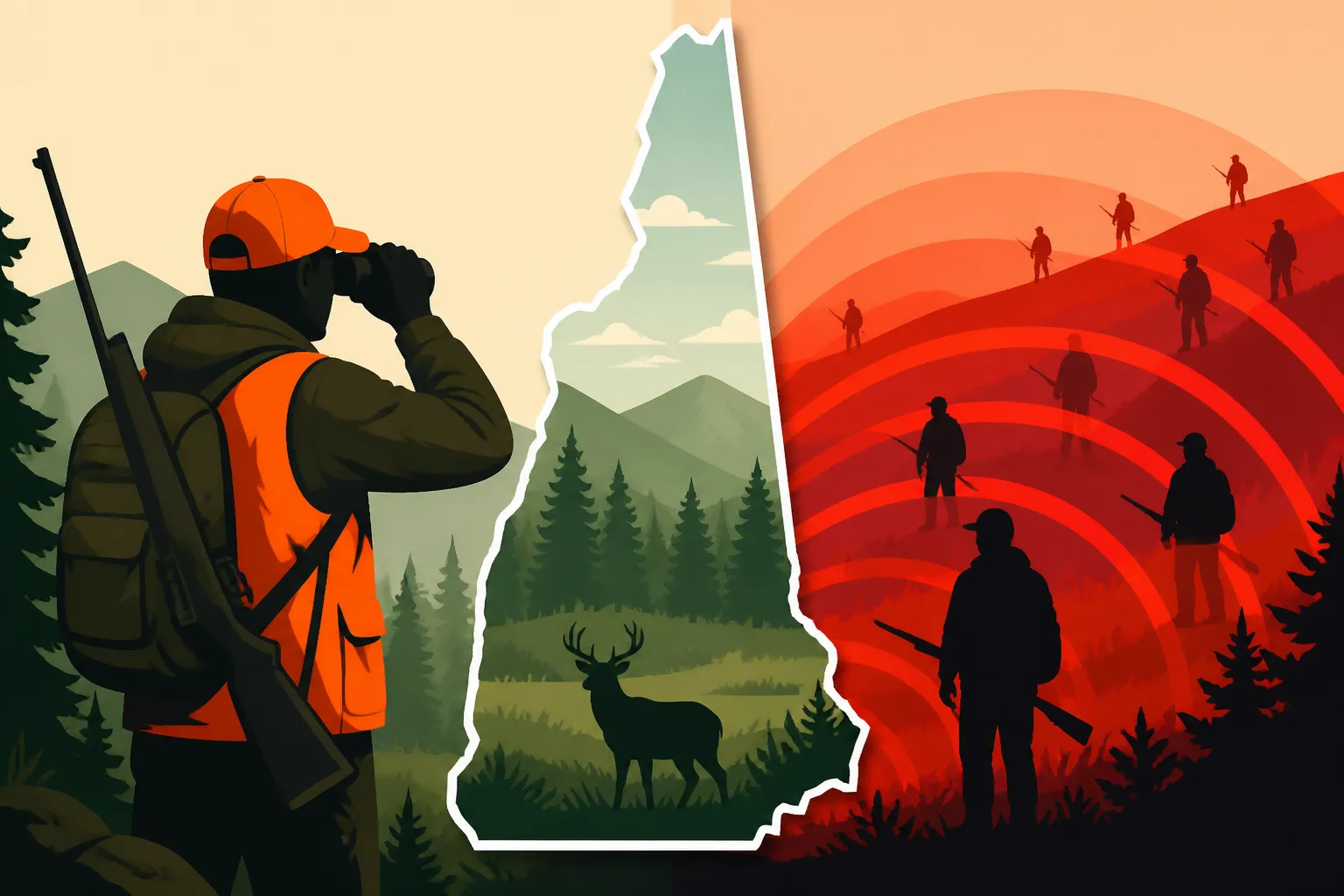
When we talk about hunting pressure, we're really talking about any human activity that influences the behavior of game animals. This isn't limited to hunters with rifles or bows in hand. It encompasses everything from hikers and mountain bikers on trails to dog walkers, bird watchers, and even the general noise and scent left behind by human presence. On public lands, especially those easily accessible, this cumulative disturbance can drastically alter how deer, bears, and turkeys utilize their habitat. They become warier, more nocturnal, and will often abandon areas that feel too exposed or frequently disturbed. Think about a buck that routinely crosses a field edge at dusk; if that field sees daily foot traffic, that buck might shift his pattern to the dead of night or relocate entirely to a thicker, less disturbed patch of woods.
How Game Animals React to Pressure
New Hampshire's wildlife, particularly whitetails and turkeys, are incredibly adaptable, but sustained pressure forces them into survival mode. Their primary reactions include becoming more nocturnal, seeking out denser cover, and moving to less accessible areas. Deer, for example, will often bed down in the thickest, nastiest swamps or steepest, rockiest ridges they can find, especially those that are tough for a human to navigate. Turkeys might abandon traditional roosts near roads and fly further back into the timber. You'll often see them moving in the darkest hours before dawn or after sunset, minimizing their exposure during legal hunting light. This is why you often hear of folks seeing big bucks on trail cameras at 2 AM but rarely in daylight. They learn which areas are safe and when, and they adapt quickly. It’s a constant chess match between hunters and the hunted, where the animals often hold the home-field advantage.
Identifying Pressured Areas in New Hampshire
Knowing where the pressure is helps you strategize how to avoid it. While it might seem obvious to avoid parking lots full of trucks, there are more subtle signs that tell you an area is seeing a lot of human traffic.
Visual and Auditory Clues of Pressure
The easiest way to identify high-pressure areas is through direct observation. Packed parking lots at trailheads, numerous boot tracks on logging roads, and well-worn trails leading into promising timber stands are all undeniable signs. If you're walking in and see old treestand straps, spent shotgun shells, or even human litter, you know others have been there, and likely recently. In a more subtle vein, listen. Constant noise from distant roadways, the sound of dogs barking, or even the faint chatter of hikers can indicate a zone of frequent human activity. Pay attention to the subtle things that might go unnoticed. Are the rubs along a popular trail from last year or fresh this week? Are deer tracks abundant but only showing nocturnal movement?
Another critical indicator is the type of sign you don't see. In a truly unpressured area, you'd expect to see more fresh daytime deer sign, such as tracks crossing open areas in daylight, fresh droppings on well-used trails, or extensive, active scrape lines. If these are absent, and instead you find only old, faded sign or fresh sign exclusively near dense bedding cover, it's a strong hint that daytime movement is suppressed by human presence. On a recent scouting trip near Bear Brook State Park, a popular spot, I noticed plenty of tracks, but they were almost exclusively crossing the access road deep into the darkest cedars at first light, then not reappearing until well after dark. That tells you the deer are there, but they know to be hidden when the humans are around.
Utilizing Technology and Maps to Predict Pressure
In today's hunting world, smart use of technology can give you a significant edge. Mapping apps like onX Hunt or GoHunt provide invaluable layers that can predict where pressure might be highest and, more importantly, where it might be lowest. Look for:
- Access Points: Areas with easy road access, established parking, or well-maintained trail networks almost always see more pressure. Conversely, finding small, obscure pull-offs or areas that require a longer walk through tough terrain often means fewer hunters.
- Topography: Steep ridges, deep ravines, or large wetland complexes can act as natural barriers to human movement. Hunters, like most people, tend to follow the path of least resistance. Look for these "hard to get to" spots on your topo maps.
- Property Boundaries: Public land bordering large tracts of private land that aren't hunted can sometimes act as sanctuaries, funneling deer into the adjacent public ground. However, if the private land is heavily hunted, that pressure can bleed over.
- Habitat Features: Large, contiguous blocks of mature timber, dense softwood thickets, or vast beaver flowages often hold game that seeks refuge from disturbance.
By cross-referencing these features, you can identify areas that might deter the average hunter. I often spend evenings with my GoHunt app, zooming in on potential entry routes and identifying bottlenecks that would naturally filter out casual hunters. It's about finding that small overlooked pocket or the nasty thicket that requires extra effort to reach. For deeper insights into navigating these digital tools, check out our guide on Scouting With the New Hampshire Fish and Game App.
Strategies for Counteracting Hunting Pressure
Once you understand the mechanisms of pressure and how to identify it, it's time to build a strategy. This isn't about avoiding all other hunters; it's about making choices that put you in areas where game feels safer and acts more naturally.
Getting Away from the Crowds
The most straightforward way to avoid pressure is simply to put in the effort to go where others won't. This often means walking further, hiking into tougher terrain, or targeting less obvious access points.
- Go Deeper: Most hunters don't venture more than a quarter to half-mile from a road or parking area. Every additional quarter-mile you hike significantly reduces the number of other hunters you'll encounter. This is particularly true in expansive areas like the White Mountain National Forest or large Wildlife Management Areas. Don't be afraid to shoulder a heavy pack and hike a mile or two (or more!) into the backcountry. The deer certainly do.
- Embrace the Difficult Terrain: Seek out the steepest slopes, the swampy bottoms, the thickest briar patches, or the areas with significant blowdowns. These are places that deter most casual hunters due to the sheer physical effort required. Often, these undesirable spots become natural sanctuaries for game animals.
- Utilize Water Access: If legal and safe, consider using a canoe, kayak, or small boat to access areas along rivers or large ponds that are otherwise unreachable by foot. This can open up vast stretches of unpressured shoreline and wetland habitat. For example, some sections of the Connecticut River can offer incredible opportunities for those willing to put in the paddle time. We've talked about Decoying Ducks on New Hampshire's Connecticut River before, but the same principle applies to deer moving along river corridors.
- Hunt Mid-Week or Off-Hours: If your schedule allows, hunting on weekdays, especially Monday through Thursday, will almost always result in fewer people in the woods compared to weekends. Also, consider hunting during less popular times of day, like the mid-day lull when many hunters take a break.
- Find Overlooked Micro-Features: Sometimes it's not about miles, but inches. Look for small, unnoticeable pockets of public land, odd-shaped corners, or areas that are technically public but require passing through a small sliver of unposted private land (with permission, of course!). These small details on your GoHunt or other mapping app can reveal hidden gems. Our guide on Finding Ground Others Walk Past dives deeper into this exact strategy.
Understanding Deer Movement in Pressured Areas
Deer in heavily hunted zones don't just disappear; they adapt their movement patterns to minimize risk. This means they often become almost exclusively nocturnal or they utilize extremely thick cover during daylight hours. Your strategy must shift to intercept them when and where they feel safest.
- Focus on Bedding Areas: Instead of trying to catch deer moving at traditional feeding times (which often become nocturnal in pressured areas), focus your efforts closer to their bedding areas. In these spots, even pressured deer will move a little in daylight, adjusting their beds, or making short forays to grab a quick bite. Think about those dense cedar swamps or the steepest side of a ridge that's tough to climb. A still-hunt through these areas in the middle of the day might push a bedded deer, offering a shot opportunity. Our article on Still-Hunting White Mountain National Forest Timber goes into more detail on this method.
- Hunt Travel Corridors During Peak Activity: While overall movement might be nocturnal, deer still need to travel between bedding and feeding areas. Identify thick, natural funnels or pinch points that provide cover for deer during these movements. These might be narrow strips of timber between open fields, creek bottoms, or saddles between ridges. Hunt these spots during the first and last hour of daylight, as deer might risk moving under the cloak of low light.
- Use the Pressure to Your Advantage: Sometimes, other hunters can be your unwitting beaters. If you know there's a drive happening on one side of a ridge, position yourself on the escape routes on the other side. Deer will often try to sneak out the back door when pushed. This strategy requires careful planning and communication if you're part of the "push," or keen awareness if you're simply listening to the woods around you. Just make sure you understand the local regulations and safety protocols for hunting near others.
- Consider Early and Late Season: During the early archery season, deer may be less pressured than during the firearms season. Similarly, late season hunts, especially during the December muzzleloader close, can find deer driven by colder temperatures and a need for food, potentially making them more active during daylight, though still wary.
Adapting Your Hunting Tactics
Outsmarting pressured game isn't just about where you go, but how you hunt. A flexible approach and a willingness to adjust your tactics are crucial for success in New Hampshire's public lands.
Stealth and Minimal Impact Hunting
When you're dealing with wary, pressured animals, every detail of your approach matters. Minimizing your impact and maximizing your stealth are paramount.
- Scent Control is Critical: Pressured deer are constantly on alert for human scent. Shower with scent-free soap, wash your hunting clothes in scent-free detergent, and store them in airtight containers. Use scent-eliminating sprays on your clothes and gear before heading out. Consider your entry and exit routes carefully, always playing the wind to avoid blowing your scent into potential bedding or travel areas. Even the faintest whiff of human odor can send a mature buck running.
- Quiet Entry and Exit: Plan your routes to be as quiet as possible. Avoid crunchy leaves, snapping twigs, or anything that creates unnecessary noise. Walk slowly, deliberately, and stop frequently to listen. If you're using a stand, ensure your climbing sticks or ladder stand are silent to install and use. Remember, the goal is to enter and exit without leaving any trace of your presence. This might mean taking a longer, more circuitous route that offers more cover or quieter footing.
- Still-Hunting and Ground Hunting: Instead of sitting in a static stand that might have been bumped by other hunters, consider still-hunting. This involves moving slowly and deliberately through the woods, taking a few steps, stopping for several minutes to observe and listen, and then repeating. This allows you to cover ground, find fresh sign, and potentially jump a bedded animal that other hunters have pushed. For those willing to be mobile, this can be an extremely effective strategy.
- Utilize Natural Cover for Blinds: Instead of setting up a pop-up ground blind that might look out of place, focus on brushing yourself into existing natural cover. Use downed trees, thick brush, or rock outcroppings to break up your silhouette. This reduces your visual footprint and helps you blend into the environment seamlessly, making wary animals less likely to spot you. Our post on Brushing In a Blind on a Field Edge offers some excellent tips.
Scouting and Intelligence Gathering
The more information you have, the better your chances of success. Scouting isn't just for pre-season; it's an ongoing process that helps you adapt to changing conditions and pressure.
- Year-Round Scouting: Don't just scout a week before opening day. Get out in the off-season to learn the land without the pressure of hunting. Identify bedding areas, food sources, and natural funnels. Look for old rubs and scrapes that indicate where bucks have traveled in previous seasons. During the off-season, you can also easily identify where other hunters have placed stands or left signs of their presence, helping you to actively avoid those spots come hunting season.
- Trail Cameras in Strategic Locations: While trail cameras can be invaluable, placing them in obvious, high-traffic areas on public land might not give you the full picture of deer movement. Instead, place them deep in cover, along subtle travel corridors, or on the edge of known bedding areas. Look for patterns of movement that indicate when and how deer are using those areas in relation to human activity. A cellular trail camera, like those offered by Cuddeback or Browning, can be a game-changer for monitoring remote spots without frequent disturbance. Just be sure to adhere to New Hampshire's rules regarding Trail Camera Rules on New Hampshire Public Land.
- Read the Landscape: Deer leave clues everywhere. Learn to read tracks in the mud or snow, identify fresh droppings, and understand what different types of rubs and scrapes tell you about a buck's age and activity. Pay attention to how deer move along contours, through saddles, or around obstacles. Every piece of sign is a puzzle piece telling you a story about how deer are using that particular piece of woods. Even subtle changes in soil or vegetation can indicate subtle travel routes. Learning to spot Scrape Lines Along a Logging Road can be a huge asset.
When hunting in areas with significant pressure, success often boils down to doing what others are unwilling to do. That might be walking further, hunting nastier cover, or simply being more patient and observant. The deer are still there; you just have to adapt your strategy to find them.
| Characteristic | High-Pressure Area | Low-Pressure Area |
|---|---|---|
| Human Sign | Numerous boot tracks, old stands, litter, vehicle noise | Minimal boot tracks, no old stands, pristine |
| Deer Activity (Daylight) | Very little, primarily nocturnal movement | More visible daytime movement, active feeding |
| Bedding Locations | Deepest, densest cover; steepest, most remote terrain | Can be found in more varied cover, less secluded |
| Entry/Exit Routes | Clear, easy access roads, well-worn trails | Requires longer walks, bushwhacking, difficult terrain |
| Deer Behavior | Extremely wary, jumpy, quick to flee, hyper-vigilant | More relaxed, may hold tight, less reactive to minor sounds |
| Rub/Scrape Lines | Often old, infrequent; fresh sign is deep in cover | Frequent, fresh, and active, even near travel corridors |
| Game Harvest | Often younger animals, fewer mature bucks | Higher potential for mature, older-aged animals |
Disclaimer
Hunting is an inherently dangerous activity. Always prioritize safety, adhere to all New Hampshire Fish and Game laws and regulations, and respect private property. This guide provides general information and strategies, but individual hunting success depends on many factors, including skill, preparation, and conditions.