New Hampshire Fall Turkey Permit Rules
Fall turkey hunting in New Hampshire can sometimes feel like you need a law degree just to understand the regulations. With different season dates, varying weapon allowances, and WMU-specific rules, it's easy to get bogged down and frustrated when all you want to do is get out in the woods and call in a fall flock. This comprehensive guide is designed to untangle the complexities of New Hampshire's fall turkey permit rules, ensuring you're fully prepared, compliant, and confident for your autumn pursuit of gobblers.
Understanding New Hampshire's Fall Turkey Seasons
The fall turkey season in New Hampshire is a fantastic opportunity, offering a different challenge than the spring hunt. However, it's also where many hunters get tripped up by the nuances of the regulations. It's not a "one size fits all" season; the rules change based on your chosen method of take and, crucially, your specific Wildlife Management Unit (WMU). Getting a clear picture of these variations is the first step to a successful and legal hunt.
Archery and Shotgun Season Overlaps
Unlike the singular focus of spring turkey hunting, fall in New Hampshire often sees an extended archery season that may or may not overlap with a shorter shotgun season. This provides a unique window for bowhunters, giving them more flexibility and time afield, often starting in mid-September and stretching into mid-December in many WMUs. This longer archery period allows dedicated bowhunters to really pattern fall flocks as they transition from summer patterns to searching for mast crops. The reduced hunting pressure during the earlier archery-only portions can also lead to more relaxed birds.
The shotgun season, on the other hand, is typically much more condensed, usually lasting just a single week in mid-October. This short, intense window often coincides with peak fall foliage and cooler temperatures, making for beautiful but potentially more crowded hunting conditions. Hunters need to be hyper-aware of these specific dates, as venturing out with a shotgun outside this designated week, even with a valid permit, is a serious violation. The overlap, if any, often means you'll have a choice of weapon for a short period, and it's essential to ensure your permit covers your chosen method and the specific WMU you're hunting in.
When both seasons are open, it adds another layer of consideration to your hunting strategy, especially on public lands where you might encounter both archers and shotgun hunters. This shared space means heightened awareness for all participants is paramount. Always be sure of your target and what lies beyond, as the woods will be active with various hunters pursuing different game. Understanding these distinct season structures is fundamental to knowing when and how you can legally pursue fall turkeys.
Youth Turkey Weekend Considerations
New Hampshire often designates a special Youth Turkey Weekend, typically falling in late October, exclusively for young hunters. This initiative is a fantastic way to introduce the next generation to the joys of hunting and conservation without the added pressure of adult competition. It allows young hunters (usually under 16) to hunt turkey, often with an expanded bag limit or specific dates that precede or follow the regular adult seasons. The specific dates for this youth hunt will vary year by year, so consulting the current year's digest is non-negotiable.
During this special weekend, strict regulations are in place regarding supervision. A licensed adult hunter, often referred to as a mentor, must accompany the youth hunter. This mentor cannot carry a firearm or bow themselves, effectively dedicating their time to guiding and educating the young hunter. This setup fosters a safe and educational environment, allowing mentors to focus entirely on teaching ethics, safety, and hunting techniques. It's an invaluable opportunity for children and teenagers to gain practical experience and confidence in the field.
For non-youth hunters, this weekend can also offer unique benefits. While you cannot hunt during the youth-only period, it serves as an excellent scouting opportunity. You can observe turkey movements, locate new flocks, and get a feel for the woods without the added stress of actively hunting. It's also a chance to witness the positive impact of mentored hunting and support the future of the sport. Just remember that the general rules regarding WMU openings and bag limits still apply to the youth hunt, so ensure the chosen WMU is indeed open for fall turkey.
Why Dates Vary by WMU
The concept of Wildlife Management Units (WMUs) is central to New Hampshire's approach to game management, and it's especially critical when understanding fall turkey season dates. New Hampshire is divided into numerous WMUs, each with distinct habitat characteristics, turkey population densities, and management goals. Because turkey populations can thrive differently across the state, what's good for the goose in WMU G might not be good for the gander in WMU A. For instance, the denser southern WMUs typically support a more robust turkey population, allowing for longer or more liberal fall seasons, while the more remote and less populated northern WMUs (like A and B) are often closed entirely to fall turkey hunting to help sustain their smaller, more vulnerable flocks.
These variations mean that you absolutely cannot assume the season dates are the same across the entire state. Relying on last year's knowledge or what a buddy said about a different part of the state could land you in hot water. The New Hampshire Fish and Game Department meticulously studies population trends, harvest data, and environmental factors annually to determine the appropriate regulations for each WMU. This data-driven approach ensures sustainable hunting opportunities while protecting the overall health of the turkey population.
Therefore, before you even think about packing your gear, you must consult the official New Hampshire Fish and Game Hunting Digest for the current season. This will clearly outline which WMUs are open for fall turkey hunting, what methods are allowed in each (archery-only versus archery and shotgun), and the specific dates for both. Missing this crucial step could lead to hunting out of season or in a closed WMU, resulting in significant fines and penalties. For a detailed breakdown, you’ll want to check out information on Which WMUs Allow Fall Turkey Hunting or even New Hampshire's Fall Turkey WMU List to confirm your plans.
Permit Requirements and Costs
Once you understand when and where you can hunt fall turkeys, the next critical step is ensuring you have the proper permits and understand the associated costs. New Hampshire, like most states, requires hunters to purchase a general hunting license before adding any species-specific permits, such as a turkey permit. Navigating these requirements can be straightforward if you know what to look for, but overlooking them can invalidate your entire hunt.
Resident vs. Nonresident Permit Fees
New Hampshire, like many states, distinguishes between resident and nonresident hunters when it comes to license and permit fees. This is a common practice aimed at providing more affordable access for state residents, whose tax dollars often contribute to wildlife management and conservation efforts within the state. For New Hampshire residents, the cost of a general hunting license and the additional fall turkey permit is significantly lower, reflecting their ongoing contribution and connection to the state's natural resources. It’s designed to make hunting accessible to the local population, encouraging participation and local engagement in conservation.
For nonresidents, the price tag for a general hunting license and a fall turkey permit can be considerably higher. While this might seem steep, it's important to remember that these fees play a vital role in funding the New Hampshire Fish and Game Department's operations, including habitat restoration, wildlife research, law enforcement, and public land management. When you purchase a nonresident license, you're directly contributing to the conservation efforts that make hunting opportunities possible in the Granite State. While it might feel like a barrier, think of it as an investment in the unique hunting experiences New Hampshire offers.
It's crucial to factor these costs into your hunting budget well in advance. Don't wait until the last minute, as sticker shock can derail your plans. You can find detailed breakdowns of these costs, whether you're looking for New Hampshire Resident License Options or New Hampshire Nonresident License Options, on the official New Hampshire Fish and Game website. Always verify the current year's fees, as they can change annually.
Obtaining Your Fall Turkey Permit
Once you've decided to embark on a New Hampshire fall turkey hunt, acquiring your permit is a relatively straightforward process, designed for convenience. The primary method for purchasing permits these days is online through the New Hampshire Fish and Game Department's official licensing portal. This digital storefront allows you to select your base hunting license, add your fall turkey permit, and even print it from the comfort of your home or office. It’s an incredibly efficient way to ensure you have all your necessary paperwork before heading out into the field. You'll typically need to create an account, provide some personal information, and potentially link a prior hunting license number or hunter education certificate.
For those who prefer a more traditional approach, or if you find yourself without reliable internet access, you can also purchase your permits in person. Many licensed agents throughout the state, often found in sporting goods stores, bait shops, and some general stores, are equipped to issue hunting licenses and permits. Additionally, you can visit a New Hampshire Fish and Game Department office during business hours to complete your purchase. These in-person options can be great for getting last-minute questions answered or simply for the camaraderie of speaking with a local expert.
Regardless of how you acquire your permit, the most crucial step is ensuring you have physical proof of it on your person while hunting. While carrying a digital copy on your phone might be accepted in some instances, a printed paper copy or a physical license is always the safest bet, especially in remote areas where cell service might be nonexistent. Always keep your license and permit dry and protected, perhaps in a waterproof pouch, so you can present it to a conservation officer if requested.
Understanding Bag Limits and Annual Tags
Understanding the specific bag limits for fall turkey hunting in New Hampshire is absolutely crucial to stay legal and ethical. In contrast to the spring season, where hunters are typically allowed two bearded birds, the fall turkey bag limit is generally restricted to one bird of either sex. This distinction is incredibly important. "Either sex" means you can harvest a hen or a gobbler, but only one total for the entire fall season. This more conservative bag limit for fall reflects the different management goals and population dynamics during this time of year, primarily focusing on maintaining healthy breeding populations.
This single bird limit is typically tied to your annual turkey permit, which is purchased in addition to your base hunting license. When you harvest your bird, you are required to immediately attach a tag to it (which comes with your permit) before moving it. This tag serves as proof of legal harvest and ensures you don't accidentally or intentionally take more than your allowed limit. The tag usually needs to contain vital information, such as your license number, the date of harvest, and the WMU where the bird was taken.
Failing to properly tag your bird or exceeding the bag limit are serious offenses that can result in significant penalties, including hefty fines, confiscation of your bird, and even loss of hunting privileges. It's not worth the risk. Always double-check the current year's New Hampshire Fish and Game Digest for any changes to bag limits or tagging procedures. Being clear on these rules protects both you and the turkey population, ensuring sustainable hunting for generations to come.
Legal Methods and Gear for Fall Turkey Hunting
Knowing what you can and cannot use in the field is just as important as understanding the permit requirements. New Hampshire has clear regulations regarding legal methods of take and specific gear that is either permitted or prohibited for fall turkey hunting. These rules are designed to promote ethical hunting practices and ensure fair chase.
Shotgun and Archery Restrictions
For shotgun hunters, New Hampshire typically restricts the legal gauges and shot sizes for fall turkey. Shotguns are usually limited to 10, 12, 16, or 20 gauge, and the shot size is generally restricted to sizes between #4 and #7.5. Larger shot sizes, like buckshot or slugs, are typically prohibited for turkey hunting, as they are considered unsafe and unnecessary for humanely harvesting a turkey. The rationale behind these restrictions is to ensure a clean, ethical kill while minimizing the risk of injury to other hunters or non-target species. You'll want to ensure your shotgun is patterned correctly with your chosen shot size, especially for the typically shorter ranges of turkey hunting.
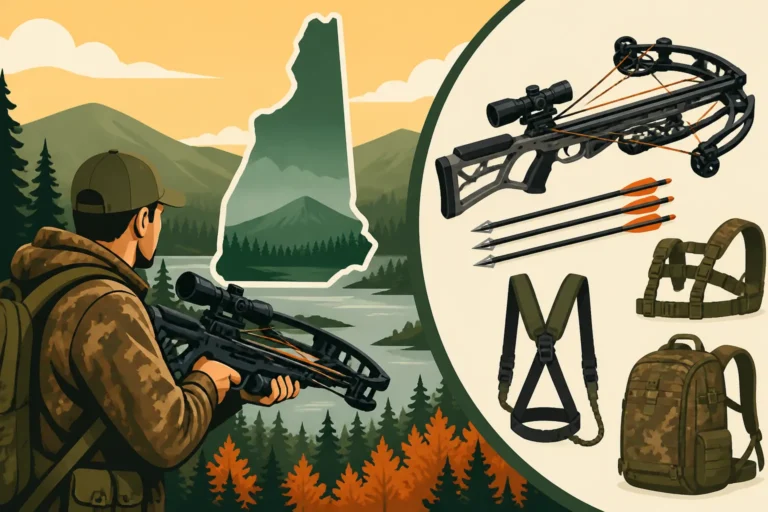
Archery hunters, on the other hand, have a broader window, and the equipment requirements are also specific. Traditional bows, compound bows, and crossbows are generally permitted, though crossbows might have WMU-specific restrictions or require an additional permit in some areas, so checking those details is crucial. For specific guidance on bowhunting, you can always refer to resources like Bowhunting New Hampshire's Long Archery Season. Arrows must be fitted with broadheads that meet minimum width and cutting edge requirements. Typically, broadheads must have at least two cutting edges and a minimum width of 7/8 inch. Expanding or mechanical broadheads are generally legal as long as they meet these minimum dimensions when expanded. Using an illegal broadhead can compromise the ethical harvest of a bird and result in penalties.
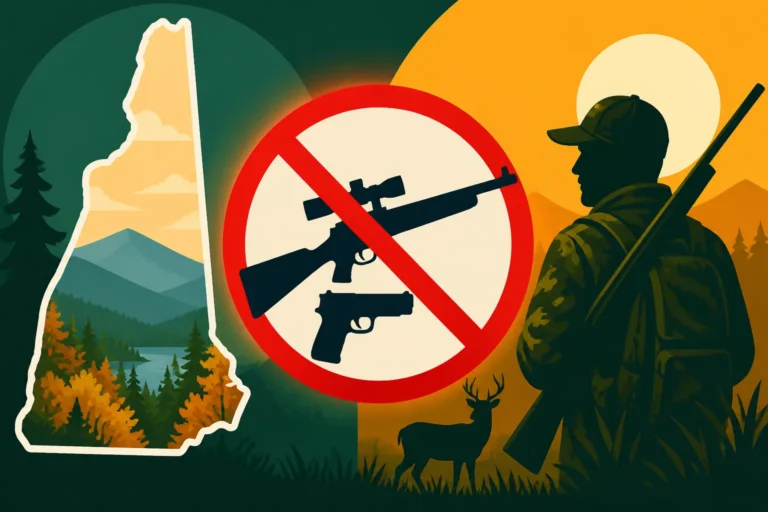
It is absolutely critical to note that rifles are strictly prohibited for turkey hunting in New Hampshire, both in spring and fall. This is a common point of confusion for new hunters or those coming from states with different regulations. The use of a rifle for turkey hunting is a serious violation and will result in severe penalties. Always ensure your chosen weapon complies with the current regulations for the season and WMU you are hunting.
Decoys, Calls, and Blinds in Fall
When it comes to calls and decoys, fall turkey hunting offers a different dynamic than the spring. Electronic calls are generally not permitted for turkey hunting in New Hampshire, regardless of the season. Hunters must rely on traditional mouth calls, slate calls, box calls, or other non-electronic devices. For fall, calling strategies often differ significantly from spring. Instead of trying to mimic a lovesick gobbler or hen, fall calls are more about sounding like a lost hen or chick trying to regroup with a scattered flock. Kee-kee runs and lost hen yelps are often more effective than aggressive gobbling.
Decoys are legal for fall turkey hunting, but their effectiveness can vary. In the spring, a strutting tom decoy or a receptive hen can be incredibly powerful. In the fall, however, turkeys are often in larger family groups or bachelor flocks, and their behavior is less about breeding and more about foraging and security. A single hen decoy might work, especially if you've broken up a flock and are trying to draw a lone bird back in. Sometimes, simply relying on your calling skills and camouflage is more effective than setting up decoys that might make wary fall birds even more cautious.
Ground blinds are also legal and can be particularly effective in the fall, especially when hunting highly mobile flocks or when needing to conceal multiple hunters (such as during a youth hunt). They offer excellent concealment from observant turkey eyes and provide protection from the elements during what can be a chilly time of year. Just remember that if you're using a ground blind on public land, there might be specific rules about their construction, placement, and removal to prevent long-term abandonment or damage. Always review guidelines similar to those found in Using a Ground Blind on Public Land to ensure compliance.
Essential Gear for Cold Weather and Public Land
Hunting New Hampshire's fall turkey season means being prepared for a wide range of weather conditions. Crisp, sunny autumn days can quickly turn into cold, rainy, or even snowy ones, especially as the season progresses towards December. Therefore, a smart layering system is absolutely essential for comfort and safety. Start with moisture-wicking base layers to keep sweat away from your skin, followed by insulating mid-layers like fleece or down, and topped off with a waterproof and windproof outer shell. You'll be sitting still for extended periods, so warmth retention is critical. You can find excellent advice on Layering for New Hampshire's Cold Hunting Season to help you build the perfect system.
Durable, waterproof boots are another non-negotiable item. New Hampshire's terrain can be rugged, with rocky uplands, boggy lowlands, and meandering streams. Your feet will thank you for investing in quality footwear that can handle the mileage and wet conditions. Good ankle support is also a blessing when navigating uneven ground with a successful harvest in tow. Don't forget warm, waterproof gloves and a hat or beanie; a significant amount of body heat is lost through your head and extremities.
When hunting on public land, especially in more remote WMUs, reliable navigation tools are paramount. A GPS unit or a robust mapping app on your smartphone (such as GoHunt or onX Hunt) is indispensable for knowing your location, tracking your movements, marking key sign, and most importantly, staying within public land boundaries and avoiding accidental trespass onto private property. Always carry a portable power bank for your phone, as cold weather can drain batteries quickly. Having a physical map and compass as a backup, and knowing how to use them, is a smart safety measure, particularly if you venture into areas with spotty cell service.
WMU Specific Regulations for Fall Turkey
The complexity of New Hampshire's fall turkey rules often boils down to the WMU (Wildlife Management Unit) you plan to hunt. What's legal and available in one WMU might be completely prohibited in another, even a neighboring one. This hyper-local approach to management is designed to protect turkey populations where they are less robust and allow for more liberal hunting where they are thriving.
Identifying Open and Closed WMUs
Before you even step foot into the woods, your very first task should be to consult the current New Hampshire Fish and Game Hunting Digest or their official website to determine which WMUs are open for fall turkey hunting. This information is updated annually based on population surveys, harvest data, and overall turkey health. It is never safe to assume that a WMU that was open last year will be open this year, or that your favorite spot will always be available.
Typically, the northern WMUs, such as WMU A and WMU B, often remain closed to fall turkey hunting due to lower turkey populations and longer, harsher winters that can impact their survival. Conversely, many of the central and southern WMUs, where habitat is more diverse and populations are more robust, are generally open for some form of fall turkey season, whether it's archery-only or a combined archery and shotgun season. The table below provides a general overview based on common regulations, but remember to always verify the most current information. The New Hampshire Fish and Game website is your definitive source for New Hampshire's Fall Turkey WMU List.
This diligent research is not just about avoiding a ticket; it's about being a responsible conservationist. Hunting in a closed WMU, even by accident, can negatively impact local turkey populations that are still establishing or recovering. Understanding the rationale behind these closures helps you appreciate the management efforts and makes you a better, more ethical hunter.
| WMU | Archery Season (Approx. Dates) | Shotgun Season (Approx. Dates) | Bag Limit (Fall) | Status for Fall Turkey |
|---|---|---|---|---|
| A | CLOSED | CLOSED | N/A | CLOSED |
| B | CLOSED | CLOSED | N/A | CLOSED |
| C | Sept 15 – Dec 15 | CLOSED | 1 Bird (Either Sex) | Archery Only |
| D1 | Sept 15 – Dec 15 | CLOSED | 1 Bird (Either Sex) | Archery Only |
| D2 | Sept 15 – Dec 15 | Oct 15 – Oct 21 | 1 Bird (Either Sex) | OPEN (Archery & Shotgun) |
| E | Sept 15 – Dec 15 | CLOSED | 1 Bird (Either Sex) | Archery Only |
| F | Sept 15 – Dec 15 | CLOSED | 1 Bird (Either Sex) | Archery Only |
| G | Sept 15 – Dec 15 | Oct 15 – Oct 21 | 1 Bird (Either Sex) | OPEN (Archery & Shotgun) |
| H1 | Sept 15 – Dec 15 | Oct 15 – Oct 21 | 1 Bird (Either Sex) | OPEN (Archery & Shotgun) |
| H2 | Sept 15 – Dec 15 | Oct 15 – Oct 21 | 1 Bird (Either Sex) | OPEN (Archery & Shotgun) |
| I1 | Sept 15 – Dec 15 | Oct 15 – Oct 21 | 1 Bird (Either Sex) | OPEN (Archery & Shotgun) |
| I2 | Sept 15 – Dec 15 | Oct 15 – Oct 21 | 1 Bird (Either Sex) | OPEN (Archery & Shotgun) |
| J1 | Sept 15 – Dec 15 | Oct 15 – Oct 21 | 1 Bird (Either Sex) | OPEN (Archery & Shotgun) |
| J2 | Sept 15 – Dec 15 | Oct 15 – Oct 21 | 1 Bird (Either Sex) | OPEN (Archery & Shotgun) |
| K | Sept 15 – Dec 15 | Oct 15 – Oct 21 | 1 Bird (Either Sex) | OPEN (Archery & Shotgun) |
| L | Sept 15 – Dec 15 | Oct 15 – Oct 21 | 1 Bird (Either Sex) | OPEN (Archery & Shotgun) |
| M | Sept 15 – Dec 15 | Oct 15 – Oct 21 | 1 Bird (Either Sex) | OPEN (Archery & Shotgun) |
Disclaimer: This table provides approximate season dates and is for illustrative purposes only. Actual dates and regulations are subject to change annually. Always consult the most current New Hampshire Fish and Game Hunting Digest for definitive information.
Special Rules for WMUs with Fall Seasons
Even within WMUs that are open for fall turkey hunting, there might be subtle but important differences in rules. For example, some WMUs might be open for the full archery season but completely closed to shotgun hunting in the fall. This typically occurs in areas where turkey populations are still a bit more sensitive to harvest pressure or where management wants to favor specific hunting methods. It’s a nuanced approach that requires careful attention to detail on the hunter's part. It would be a frustrating and potentially costly mistake to bring a shotgun into an archery-only WMU during the fall.
Furthermore, some WMUs might have slightly different start or end dates for their seasons, or even unique restrictions on certain types of private land access if local ordinances are in play. While less common for turkey than for deer, it's always worth a quick scan of the digest's WMU-specific notes. These details are critical, and neglecting to check them could lead to a violation. The New Hampshire Fish and Game Department's online resources or their annual digest are the best places to look for these specific distinctions.
Ultimately, the best advice here is proactive research. Don't rely on word-of-mouth. Download the annual digest or use the GoHunt app to overlay WMU boundaries with current regulations. Having a clear understanding of the specific rules for your chosen WMU will ensure your hunt is both enjoyable and fully compliant. It helps you avoid any nasty surprises or penalties that could arise from an oversight.
Navigating Geographic Restrictions
Beyond the broad WMU-specific rules, hunters in New Hampshire also need to be acutely aware of smaller, but equally important, geographic restrictions that apply statewide. The most significant of these are safety zones around occupied dwellings. New Hampshire law dictates that you cannot discharge a firearm or archery equipment within a certain distance of an occupied building without the express written permission of the owner. This setback distance is typically 300 feet for firearms and 150 feet for archery equipment. While it's a statewide rule, it becomes particularly relevant when hunting fall turkeys, as they often frequent habitat edges closer to developed areas or farmlands.
Another critical consideration is the distinction between public and private land. Even if a WMU is open for fall turkey hunting, you still need explicit permission to hunt on private property. "Posted" signs clearly indicate land where permission is required, but even unposted private land is not open for public hunting without consent from the landowner. Trespassing, even accidentally, is a serious offense. This is where modern mapping applications like GoHunt become invaluable, as they can overlay property boundaries and landowner information right onto your GPS. These tools help you visualize the landscape, identify parcels you can legally access, and avoid inadvertently crossing onto private property.
Finally, be mindful of state parks, town forests, or other specific conservation areas that might have their own unique hunting rules, or even be closed to hunting entirely. While some state parks or town lands may allow hunting, they often have specific dates, methods, or permitting requirements that differ from the general statewide or WMU rules. Always check with the specific land management agency before hunting any non-state land. These layers of geographic restrictions demand a diligent approach to scouting and planning to ensure your hunt remains legal and respectful of all land types and property owners.
Checking and Reporting Your Fall Turkey Harvest
Congratulations, you've successfully navigated the permit rules, seasons, and WMU specifics, and now you have a beautiful New Hampshire fall turkey in hand! But the process isn't over yet. The final, and arguably most crucial, step is to properly check and report your harvest. This isn't just a formality; it's a legal requirement that provides vital data for wildlife management and ensures the long-term sustainability of New Hampshire's turkey population.
Mandatory Registration Procedures
Upon harvesting a fall turkey in New Hampshire, you are legally obligated to complete several immediate steps before moving the bird. The very first thing is to immediately tag your bird with the tag provided with your turkey permit. This tag must be securely attached to the bird, usually to a leg or wing, and filled out accurately with information such as your license number, the date and time of harvest, and the WMU where the bird was taken. Failing to immediately tag your bird before moving it from the kill site is a violation. This immediate tagging ensures that every legally harvested bird is accounted for and helps prevent poaching or misrepresentation of kills.
After tagging, the next mandatory step is to report your harvest. This typically needs to be done within 24 hours of the kill. This rapid reporting system allows the New Hampshire Fish and Game Department to collect real-time data on harvest numbers, hunter success rates, and the distribution of turkeys across different WMUs. This information is invaluable for making informed decisions about future season structures, bag limits, and overall population management strategies. The integrity of this data relies heavily on every hunter diligently following the reporting requirements.
The act of reporting contributes directly to conservation. Each reported bird helps paint a clearer picture of the turkey population's health, informing biologists and managers. It’s a collective effort that helps ensure that fall turkey hunting remains a viable and thriving tradition in the Granite State for years to come.
Online vs. In-Person Reporting
New Hampshire offers convenient options for reporting your fall turkey harvest, catering to different preferences and situations. The most popular and often easiest method is online reporting. You can typically report your bird through the New Hampshire Fish and Game Department's official website or, even more conveniently, through their dedicated mobile app. This digital system allows you to submit all the required information (license number, WMU, date, time, sex of bird) from your phone or computer, often right from the field if you have cell service. This is particularly beneficial for hunters who are far from physical check stations or prefer the ease of digital submission. For specific steps and details, you can refer to information on New Hampshire Turkey Checking Requirements.
For those who prefer a more traditional method or find themselves in an area without cell service, in-person check stations are still available. These stations are typically located at various sporting goods stores, general stores, or Fish and Game offices throughout the state. Visiting a check station allows you to present your bird and permit to an agent who will record the necessary information. Many hunters still appreciate the camaraderie and tradition of stopping by a local check station, sharing their hunting story, and sometimes even getting a look at other hunters' harvests.
It's wise to plan your reporting method before you head out. If you know you'll be in a remote area, consider having the app downloaded and understanding the offline reporting features (if available), or identify the nearest physical check station beforehand. Regardless of the method, ensure you have all your permit details and harvest information readily available to make the process quick and seamless.
Avoiding Common Reporting Mistakes
Even after a successful hunt, it’s easy to make small mistakes during the reporting process that could lead to unnecessary hassle or even a violation. One of the most common errors is incorrectly identifying the WMU where the bird was harvested. It's incredibly easy to cross WMU boundaries without realizing it, especially in areas where they aren't marked by obvious physical features. This is where a reliable mapping app like GoHunt truly shines, allowing you to confirm your exact location and the WMU you're in before and after the shot. Double-check your location carefully.
Another frequent mistake is failing to report within the required timeframe, which is typically 24 hours. Life happens, and sometimes hunters get caught up in field dressing, travel, or celebrating, pushing off the reporting until it's too late. Set a reminder on your phone or make it an immediate priority after getting the bird out of the woods. Delays in reporting not only put you at risk of a violation but also skew the real-time data that wildlife managers rely on. If you encounter technical difficulties with online reporting, don't just give up; contact New Hampshire Fish and Game or find an in-person station.
Finally, ensure all the information you provide is accurate and legible. A rushed or poorly filled-out tag or online form can create discrepancies. Double-check your license number, the date, and the sex of the bird. Providing accurate data is a crucial part of your responsibility as a hunter and directly contributes to sound wildlife management. Taking an extra minute to review your submission can save you a lot of headache down the line.
Common Fall Turkey Hunting Scenarios and Tips
Fall turkey hunting presents a distinctly different challenge than the spring season. The birds' behavior, social structure, and responses to calls are all influenced by the post-breeding season and their focus on finding food and staying safe as a flock. Understanding these nuances and adapting your tactics accordingly is key to punching your fall turkey tag.
Locating Fall Flocks
Unlike spring, when lone gobblers are actively seeking hens, fall turkeys are typically found in larger family groups, known as flocks, consisting of hens and their poults (young turkeys), or bachelor groups of mature gobblers. These flocks are highly mobile, constantly moving in search of reliable food sources. Your scouting efforts should therefore focus heavily on identifying key feeding areas. Look for mast crops like acorns, beechnuts, and wild grapes in oak and beech stands, as well as agricultural fields (especially corn or alfalfa) that offer abundant calories.
Turkey sign, such as droppings, feathers, and tracks, can indicate recent activity. Fresh scratchings in the leaves under mast-producing trees are a dead giveaway that a flock has been feasting there. Roosting areas, often identified by significant droppings under large conifers or hardwoods, are also critical. Observational scouting at dawn or dusk, either by simply sitting and listening or using binoculars from a distance, can help you pinpoint a flock's general location and travel patterns. Being stealthy and patient during this phase is paramount, as spooking a fall flock can send them to new territories. Remember that turkeys are constantly on the move, so what was hot last week might be cold this week.
Once you locate a flock, your goal shifts from spring's territorial calling to fall's social calling. You're trying to mimic a lost or separated bird, or communicate with the flock directly. This requires a shift in mindset and a keen understanding of fall turkey vocalizations.
Breaking Up a Flock Strategy
One of the most classic and effective fall turkey hunting tactics is the "scatter and call" method. This strategy capitalizes on the strong social instincts of fall flocks. Once you've located a flock, the goal is to aggressively break them apart. This often means rushing them, yelling, or clapping your hands to make them scatter in all directions. The more effectively you can disperse the birds, the better your chances of calling them back. It's a loud, sometimes chaotic, but highly effective technique.
After the flock has scattered, quickly find a concealed spot with good visibility and set up. Position yourself in the direction you anticipate the birds will return from, or where you heard the most vocalizations as they scattered. Then, wait. The natural instinct of scattered turkeys is to regroup. Young birds, especially, will start issuing "kee-kee" runs – a series of high-pitched whistles – indicating they are lost and trying to find the flock. You can mimic these calls, or use soft yelps and clucks to sound like the "mother hen" or another lost bird. The key is to be patient; it can take anywhere from 15 minutes to several hours for birds to feel secure enough to start calling and attempting to regroup.
When calling, start subtly, gradually increasing the volume and frequency as birds respond. Often, the first birds to come back will be those that were scattered closest to you. These could be jakes or young hens, sometimes followed by more mature birds. Being prepared for a shot at any moment is crucial. This tactic is extremely rewarding when it works, showcasing the social dynamics of turkeys in a way that spring hunting often doesn't. You can learn more about this approach by reading Breaking Up a Fall Turkey Flock.
Dealing with Hunting Pressure and Other Hunters
Fall in New Hampshire means overlapping hunting seasons. While you might be focused on turkeys, other hunters could be in the woods pursuing deer (especially during the bow season, which can run concurrently with fall turkey). This increased presence means that being aware of your surroundings and practicing extreme safety is paramount. Always identify your target clearly and be absolutely sure of what lies beyond before taking a shot. During the brief Hunting the Shotgun-Only Fall Turkey Week, this becomes even more critical due to the increased noise and potential for more hunters in the woods. While blaze orange isn't always required for turkey hunting (check current regulations), wearing some visible orange or pink during overlapping seasons can be a smart safety measure, making you more visible to deer hunters.
To mitigate the impact of hunting pressure, consider hunting during weekdays when most people are at work. Sundays are typically closed to hunting in New Hampshire, so weekdays are your best bet for solitude. Another strategy is to hike deeper into public lands or target parcels that are less accessible, often marked as "hunting allowed" by organizations like GoHunt. Turkeys in pressured areas tend to be warier and will quickly move to dense cover. Getting off the beaten path can yield untouched flocks.
Furthermore, consider hunting areas less traditionally known for turkeys but still offering suitable habitat. Sometimes the edges of logging cuts, overgrown clearings, or even smaller, overlooked woodlots can hold birds that have moved away from heavier pressure. Remember, respectful interaction with other hunters is key. A friendly wave or quick chat can go a long way in ensuring everyone has a safe and enjoyable experience in the New Hampshire woods.
Disclaimer
The information provided in this guide is for informational purposes only and is not a substitute for the official New Hampshire Fish and Game Department hunting regulations. Hunting laws and regulations are subject to change annually. Always consult the most current New Hampshire Fish and Game Hunting Digest or their official website before participating in any hunting activities to ensure full compliance with all applicable rules and regulations. It is the individual hunter's responsibility to understand and adhere to all legal requirements.