New Hampshire Duck and Goose Bag Limits
The world of waterfowl hunting in New Hampshire can feel incredibly rewarding, but let's be honest, trying to decipher the ever-changing duck and goose bag limits can sometimes feel like you need a law degree and a Ph.D. in avian biology. It's frustrating when you're just trying to enjoy a morning in the marsh, but you're constantly second-guessing if you're legal. This comprehensive guide is here to cut through that confusion, breaking down New Hampshire's specific bag limits for ducks and geese so you can focus on the birds, not the rulebook.
Decoding New Hampshire's Waterfowl Bag Limits
Navigating the intricacies of waterfowl regulations can be one of the most challenging aspects of hunting in the Granite State. It’s not just about knowing a limit; it’s about understanding the mosaic of limits that apply to different species, at different times, and in different zones. This complexity is born out of a crucial need: conservation.
The 'Why' Behind the Rules: Conservation and Management
At its heart, every bag limit, every season date, and every species restriction is a carefully crafted tool for wildlife conservation and sustainable management. New Hampshire, like all states, operates within a federal framework established by the U.S. Fish and Wildlife Service, which sets broad guidelines for migratory bird hunting based on extensive population surveys and scientific data. These federal frameworks are then adapted by the New Hampshire Fish and Game Department to reflect local population dynamics, habitat conditions, and hunter opportunity.
For instance, species like the American black duck, pintail, or canvasback often have more restrictive bag limits because their populations may be stable but sensitive, or even declining in certain areas. Conversely, more abundant species like mallards might have a higher general limit, though even then, specific rules might apply to hens to protect breeding potential. This scientific approach ensures that we can enjoy robust waterfowl populations for generations to come, preventing overharvesting while still providing ample hunting opportunities. It’s a delicate balance, and understanding the 'why' makes following the rules a lot more meaningful.
Daily Versus Possession Limits: What's the Difference?
One of the most common points of confusion for waterfowl hunters, especially those new to the sport, revolves around the distinction between daily bag limits and possession limits. It sounds simple enough on paper, but the practical application can sometimes trip people up.
A daily bag limit refers to the maximum number of birds of a specific species or aggregate of species that an individual hunter may take in one calendar day. This is the number you need to be acutely aware of while you’re out in the marsh or fields, actively hunting. If the daily limit for mallards is four (with no more than two hens), that means on any given hunt, you cannot shoot more than four mallards, and of those four, no more than two can be female. This limit resets at midnight, allowing you to hunt again the next day and potentially add to your collection.
A possession limit, on the other hand, is the maximum number of birds that a hunter may have in their physical possession, either dressed or undressed, at any given time. This includes birds stored at your home, in your vehicle, at a processing facility, or anywhere else. For most migratory game birds in New Hampshire, the possession limit is three times the daily bag limit. So, if the daily bag limit for a certain duck is six, your possession limit would be eighteen. This means if you hunt for three days and hit your daily limit each time, you've reached your possession limit and cannot acquire more birds until some of your current birds are consumed or legally transferred. It’s a critical rule to prevent the stockpiling of game and ensures a fairer distribution of harvest among hunters. Many hunters use apps like GoHunt to keep track of their daily and season-long harvests, helping them stay well within these critical limits.
Diving into Duck Bag Limits by Species
When it comes to ducks, New Hampshire hunters encounter a diverse array of species, and the regulations reflect this biodiversity. You can't just shoot "six ducks" and call it a day; you need to know which ducks have individual ceilings within that overall bag.
Common Dabblers and Divers: Mallards, Wood Ducks, Blacks, and More
New Hampshire's duck hunting opportunities are primarily centered around what we call dabblers and divers. Dabbling ducks, like mallards, wood ducks, and black ducks, feed by tipping up in shallow water, while diving ducks, such as ring-necks, buffleheads, and goldeneyes, fully submerge themselves to find food. The general daily aggregate bag limit for ducks is typically six birds, but this comes with significant species-specific restrictions that you absolutely must know. For a more detailed breakdown, you can always check the specific New Hampshire Duck Daily Bag Limit regulations.
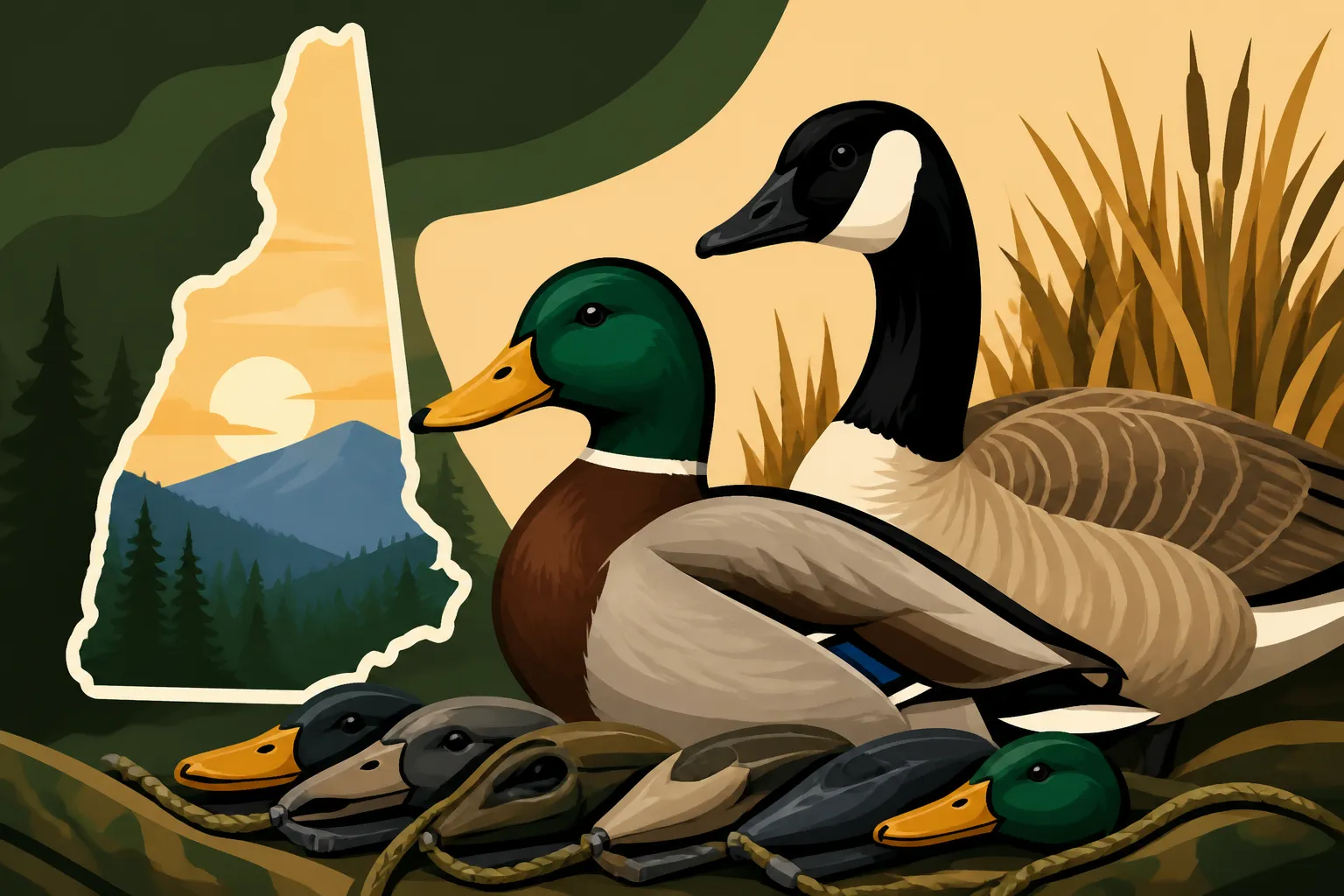
For instance, the Mallard is arguably the most common duck in New Hampshire, but its limit often comes with a caveat: you can typically take four mallards per day, but no more than two of those can be hens. Identifying hen mallards from drakes is crucial here, even for experienced hunters, as their plumage can be similar outside of breeding season. Black Ducks, beautiful and wary birds, often have a much tighter limit, typically two birds per day, reflecting their more sensitive population status. Similarly, highly prized ducks like Pintails and Canvasbacks often come with very restrictive limits, sometimes as low as one or two birds per day, respectively. Even Wood Ducks, admired for their stunning colors, usually have a daily limit of three. Then there are species like Scaup (bluebills), which have seen fluctuating populations and may have limits that vary from year to year, sometimes one or two birds, or even a split limit where you can take more early in the season and fewer later. It's a lot to keep track of, but crucial for staying legal and contributing to conservation.
Mergansers, Sea Ducks, and Other Waterfowl Categories
Beyond the typical "puddle ducks" and "diving ducks," New Hampshire's waters host other fascinating waterfowl that fall under specific regulatory categories, each with its own set of rules.
Mergansers, often called "fish ducks" due to their serrated bills used for catching fish, are a common sight on New Hampshire's lakes and rivers. There are three species: the common merganser, red-breasted merganser, and the hooded merganser. While you can typically take an aggregate of five mergansers per day, there's usually a specific restriction on the strikingly beautiful Hooded Merganser, limiting you to no more than two per day within that overall merganser bag. They are distinct and often encountered while Decoying Ducks on New Hampshire's Connecticut River or other large bodies of water.
Then we have Sea Ducks, a unique group including Eiders, Scoters (Black, Surf, and White-winged), and Long-tailed Ducks (formerly Oldsquaw). These birds primarily inhabit coastal waters, though they can sometimes be found inland. Sea duck hunting often requires specialized gear and boats. New Hampshire has specific zones for sea duck hunting, and their bag limits are separate from the general duck limits. A common limit for sea ducks might be five birds total, with no more than three of any single species. For example, you might be able to take three scoters and two eiders, but not four scoters. These regulations are designed to manage species that face different pressures and have different life histories than their inland counterparts. Always consult the current year's digest for the precise sea duck regulations, as these can also shift based on population assessments.
Understanding New Hampshire's Goose Bag Limits
Geese present another layer of complexity in New Hampshire's waterfowl regulations. While less species-diverse than ducks, the varying seasons and regional management strategies for Canada geese, in particular, require close attention.
Canada Geese: Resident vs. Migratory and Zone-Specific Rules
Canada geese are perhaps the most recognizable waterfowl species, but their management in New Hampshire is anything but simple. This is largely due to the presence of both abundant resident Canada geese (those that breed and live in New Hampshire year-round) and migratory Canada geese (those that pass through during spring and fall migrations). The distinction is crucial for setting hunting seasons and bag limits, as resident populations are managed more aggressively to mitigate agricultural damage and nuisance issues. You can find more specific details on these limits by reviewing the New Hampshire Goose Daily Bag Limit.
New Hampshire often has an "Early Canada Goose Season" that targets these resident birds, typically in September before the main duck season opens. During this early season, bag limits can be quite generous, sometimes as high as eight birds per day, in an effort to reduce local populations. However, during the regular waterfowl season, the daily bag limit for Canada geese typically drops significantly, often to one or two birds, especially in the Northern and Inland Zones. For instance, hunters in the Northern Zone might see different specific dates and limits compared to those hunting in the Inland Zone. Some late-season opportunities for Canada geese might also exist, often with higher bag limits again, especially if they are targeting concentrations of migratory birds. Understanding New Hampshire's Split Waterfowl Season Explained is key here, as goose seasons are often split to provide different hunting opportunities throughout the fall and winter. Knowing your specific location within New Hampshire and consulting an up-to-date mapping tool or the official digest is paramount.
Snow Geese, Brant, and Other Goose Species
While Canada geese dominate the goose hunting scene in New Hampshire, opportunities sometimes arise for other species, primarily snow geese and brant. These birds, while less common for most hunters in the state, have their own distinct bag limits.
Snow geese are a striking sight, and their populations, particularly on the Atlantic Flyway, have grown to such an extent that they often cause significant habitat destruction on their breeding grounds. Because of this, federal and state agencies often encourage their harvest. Consequently, when open seasons are allowed in New Hampshire, the daily bag limit for snow geese is usually very liberal, often fifteen birds per day, with generous possession limits to match. These "conservation seasons" are specifically designed to reduce their numbers, and hunters might find success pass-shooting geese over a spread or utilizing specialized electronic calls where legal. Scouting with a tool like GoHunt can help identify potential flyways or feeding areas.
Brant are a smaller, darker goose species found primarily along coastal areas, feeding on submerged vegetation. Their presence in New Hampshire is less frequent than Canada geese, and when a season is open, their daily bag limit is typically very conservative, often one bird per day. This reflects their more stable but lower overall population levels compared to Canada geese or snow geese. Always double-check the current hunting digest for any specific brant season dates or bag limits, as they can sometimes be closed entirely depending on population health.
Navigating Special Situations and Exemptions
Beyond the standard season dates and bag limits, New Hampshire’s waterfowl regulations include specific provisions for youth hunters and geographical considerations that can significantly impact your hunting strategy.
Youth Waterfowl Weekend: A Special Opportunity
The Youth Waterfowl Weekend is a fantastic initiative designed to introduce young hunters to the traditions and excitement of waterfowl hunting, often providing them with a less pressured environment. This special weekend, typically held before the regular season opens, allows eligible young hunters to pursue ducks, geese, and other migratory game birds under specific conditions.
Generally, youth hunters must be 15 years of age or younger and be accompanied by a properly licensed adult hunter (18 years or older) who is not allowed to hunt themselves. The adult’s role is strictly supervisory. The bag limits for youth during this weekend usually mirror the regular season daily bag limits for ducks and geese, providing a full and authentic hunting experience. It’s a wonderful chance for mentors to pass on their knowledge and passion for the outdoors. If you're planning to participate, be sure to confirm the exact dates and any specific requirements for Hunting New Hampshire's Youth Waterfowl Weekend in the annual hunting digest. It's an unforgettable experience for many young outdoors enthusiasts.
Split Seasons and Zone Boundaries: Planning Your Hunt
New Hampshire's waterfowl season structure is carefully designed to account for varying migration patterns and local bird concentrations across the state. This is primarily managed through two distinct waterfowl zones and the use of "split seasons."
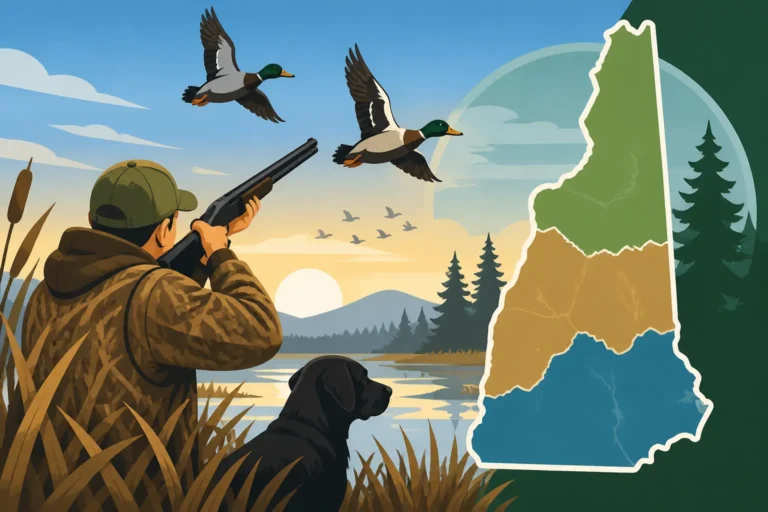
The state is divided into the Northern Zone and the Inland Zone, each with its own set of opening and closing dates for duck and goose seasons. The Northern Zone, generally encompassing the more northerly and higher elevation regions, often has an earlier opening and closing date to coincide with the earlier migration through those areas. The Inland Zone, covering the majority of the state's central and southern regions, tends to have later dates. Understanding New Hampshire's Northern and Inland Zones Explained is paramount for any waterfowl hunter, as being in the wrong zone on the wrong date can lead to serious violations. Using a reliable mapping application like GoHunt can help you precisely identify zone boundaries relative to your hunting spot.
Furthermore, New Hampshire often implements split seasons. This means a specific hunting season might open, close for a period, and then reopen later in the fall or winter. For example, a duck season might run for two weeks, close for ten days, and then reopen for another month. These splits are strategic, allowing wildlife managers to maximize hunting opportunity while still protecting breeding populations or allowing birds to stage and move through unpressured during certain periods. They also allow hunters to target early migrating birds and then later returning flights. When you're planning your hunts, especially when considering tactics like Reading a Marsh for a Morning Flight, it's vital to cross-reference your dates with the zone you intend to hunt. This layered approach can seem complex, but it effectively caters to the dynamic nature of migratory waterfowl.
Essential Tools and Best Practices for Compliance
Staying on the right side of New Hampshire’s waterfowl regulations requires diligence and the use of reliable resources. It's not enough to simply know the rules; you need to understand where to find the most current information and how to apply it ethically in the field.
The Official Digest and Digital Resources: Your Go-To Guides
In the ever-evolving world of hunting regulations, the single most authoritative source of information for New Hampshire hunters is the official New Hampshire Fish and Game Hunting Digest. This publication, updated annually, contains all the current season dates, bag limits, licensing requirements, and other critical rules for all game species, including ducks and geese. You can usually pick up a physical copy at license vendors or download a digital version directly from the NH Fish and Game website. It's not just a suggestion; it's your responsibility as a hunter to read and understand this document every single year, as regulations can and do change.
Beyond the printed digest, technology offers incredible tools for staying informed. The New Hampshire Fish and Game Department often provides its own mobile app, which can be invaluable for quick look-ups in the field, even if you’re Hunting a Beaver Flowage Edge at Dusk where cell service might be spotty. Additionally, specialized hunting apps like GoHunt have become indispensable for many hunters. These platforms often provide detailed mapping layers that show public land, private property boundaries, and crucial regulatory overlays like waterfowl zone lines. They can even integrate season dates and bag limits, giving you instant access to information right on your smartphone. Relying on outdated information or hearsay is a surefire way to run into trouble, so make these official and digital resources your primary tools. You'll also want to make sure you've covered all your bases for licensing, including the New Hampshire Federal Duck Stamp Requirement and New Hampshire HIP Certification for Bird Hunters.
Keeping Accurate Records and Ethical Hunting
Beyond simply knowing the rules, ethical hunting demands that we actively participate in responsible harvest management. This means not only adhering to daily and possession limits but also keeping accurate records of your harvest. While not always a legal requirement for every species, personally tracking your daily take and cumulative possession is a best practice that helps ensure you never inadvertently exceed your limits. Some hunters keep a small waterproof notebook in their blind bag, while others use the note-taking features within their hunting apps.
Ethical hunting goes beyond just compliance; it encompasses respect for the game, the land, and fellow hunters. This includes making clean shots to minimize crippling losses, retrieving all downed birds, and being a good steward of the environment. If you're Layout Blind Hunting a Northern Zone Field, make sure you clean up all your shells and trash. It also means accurately reporting your harvest when required, as this data is crucial for wildlife agencies to assess population health and adjust future regulations. Every waterfowl hunter plays a direct role in the conservation success story, and by understanding and respecting these bag limits and ethical guidelines, we ensure that the thrilling cry of geese overhead and the splash of ducks in the decoys will continue for generations to come.
New Hampshire Waterfowl Daily Bag Limits Summary
To make things a bit easier to digest, here's a quick overview of typical daily bag limits for some of New Hampshire's most commonly hunted duck and goose species. Remember, these are general guidelines and always refer to the most current New Hampshire Fish and Game Hunting Digest for precise, up-to-date information, as regulations can change annually and vary by zone and season segment.
| Species Category | Species (Examples) | Typical Daily Bag Limit | Important Notes |
|---|---|---|---|
| Ducks (Aggregate) | Mallard, Wood Duck, Black Duck, Pintail, Canvasback | 6 Total Ducks | Aggregate limit, but with species-specific restrictions. |
| Mallard | 4 (only 2 hens) | Distinguish drakes from hens. | |
| Black Duck | 2 | More restrictive due to population status. | |
| Wood Duck | 3 | ||
| Pintail | 1 | Highly restrictive. | |
| Canvasback | 2 | Restrictive. | |
| Redhead | 2 | ||
| Scaup (Bluebill) | Varies (e.g., 1-2 or split season) | Historically fluctuating limits; check current year. | |
| Mergansers | Common, Red-breasted, Hooded Merganser | 5 Total (only 2 Hooded) | Separate from general duck limit, but specific limit on Hooded Mergansers. |
| Sea Ducks | Eider, Scoter, Long-tailed Duck | 5 Total (no more than 3 of any one species) | Separate season & limits. Primarily hunted in coastal zones. |
| Canada Geese | Resident & Migratory Canada Geese | Varies (1 to 8+) | Highly variable by season segment (early, regular, late) and zone (Northern, Inland). Early season often has higher limits. |
| Snow Geese | Snow Goose | 15 | Very generous limits due to overpopulation concerns. |
| Brant | Brant | 1 | Less common, restrictive limit. |
This table is for illustrative purposes only. Always consult the most current New Hampshire Fish and Game Hunting Digest for definitive legal information.
Disclaimer
Please remember that hunting regulations, including bag limits and season dates, are subject to change by the New Hampshire Fish and Game Department and federal authorities. This article is intended for informational purposes only and does not constitute legal advice. It is the responsibility of every hunter to review and understand the most current official hunting regulations before participating in any hunting activity. Always confirm all information with the latest New Hampshire Fish and Game Hunting Digest or their official website.