New Hampshire Goose Daily Bag Limit
Understanding the fluctuating and sometimes intricate regulations surrounding waterfowl hunting in New Hampshire can feel like trying to hit a fast-flying teal in a crosswind. It’s a common frustration for hunters trying to plan their season, especially when it comes to something as sought-after as geese. This guide is designed to cut through the confusion, clearly detailing New Hampshire’s daily goose bag limits, where and when they apply, and other essential information you’ll need to make your next goose hunt a successful and compliant one.
Understanding New Hampshire's Waterfowl Zones and Seasons
New Hampshire's waterfowl regulations aren't a one-size-fits-all deal, and understanding the different zones and how they dictate seasons and bag limits is absolutely critical. Imagine spending hours setting up your spread, only to realize you're in the wrong zone for the season you're hunting, or that the bag limit you thought applied simply doesn't. It’s a mistake that can easily happen if you don’t do your homework, and it’s one we want to help you avoid.
The Northern and Inland Zones
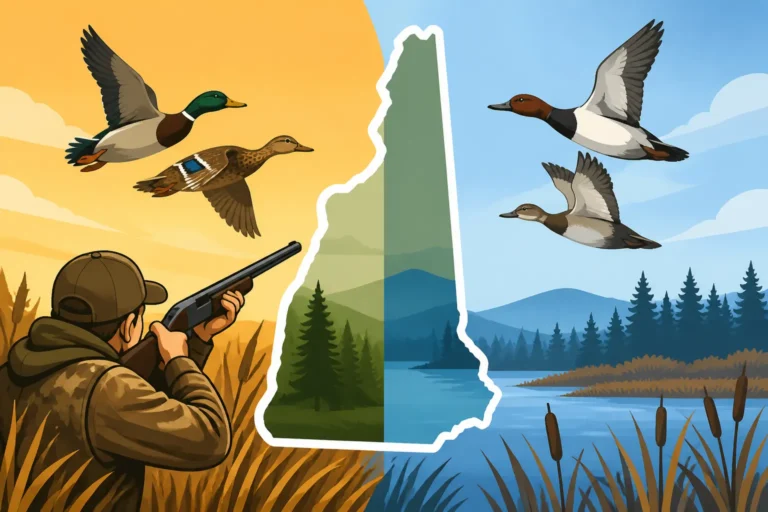
The Granite State is divided into two primary waterfowl zones: the Northern Zone and the Inland Zone. These zones are established to account for the varying migration patterns and timing of waterfowl throughout the state. Geese, like many other migratory birds, move through different parts of New Hampshire at different times, and these zones help wildlife managers tailor hunting seasons to optimize harvest opportunities while also protecting the resource. For instance, the northern reaches of the state often see earlier migration activity and harsher weather conditions, warranting a slightly different season structure.
Knowing exactly which zone you're hunting in is your first, most important step. The boundary between these two zones isn't always intuitive, often following specific town lines or natural features. You might think you're in one, but actually be in another just by crossing a road. It pays to consult the New Hampshire Fish and Game digest or a reliable mapping app like GoHunt to confirm your location. A quick double-check can save you a lot of headache and potential legal trouble later on. Remember, what's legal in one part of the state might not be in another, even for the same species. For more detailed insights into these areas, you can check out the guide on New Hampshire Waterfowl Season and Zones.
Split Seasons and Special Hunt Opportunities
Beyond the geographical zones, New Hampshire also employs "split seasons" for waterfowl, including geese. This means that instead of one continuous hunting period, the season is broken up into multiple segments with short closures in between. These splits are often strategically placed to align with peak migration periods or to reduce pressure during certain times of the year. For example, you might have an early September goose season, a mid-fall season, and then a late-season segment. Each of these segments, even within the same zone, can sometimes have slightly different opening and closing dates, or even specific bag limits.
Then there are special hunt opportunities, such as the popular early resident goose season, which typically kicks off in September before the regular duck and goose seasons begin. This early season targets New Hampshire's robust population of non-migratory Canada geese, which can offer some fantastic hunting when the weather is still pleasant. Additionally, don't forget about the Hunting New Hampshire's Youth Waterfowl Weekend, which provides a fantastic chance for younger hunters to get out in the field. Always check the current year's digest for exact dates, as they can shift annually. These special seasons are often designed with specific goals in mind, whether it's managing a local population or providing unique recreational opportunities, and as such, their regulations might deviate from the general season.
Navigating the Daily Goose Bag Limits
Now, let's get down to the brass tacks: how many geese can you actually bag in a day? This isn't just a simple number; it's influenced by the species of goose, the specific season segment you're hunting, and, of course, which of New Hampshire's waterfowl zones you're in. Misunderstanding these limits can lead to serious legal issues, so paying close attention here is paramount.
Resident Canada Geese vs. Migratory Geese
For many New Hampshire hunters, Canada geese are the primary target. The regulations often distinguish between "resident" Canada geese (those that breed and spend their entire lives within the state or nearby regions) and "migratory" Canada geese (those that pass through from more northern breeding grounds). Typically, the early September season is specifically designed to target the abundant resident Canada goose population, and often boasts a more generous daily bag limit to help manage their numbers. As the regular seasons progress into fall and winter, migratory geese become more prevalent, and the bag limits often adjust to reflect the broader regional management strategies for these populations.
For instance, during the early September season, you might see a daily bag limit of up to five or eight Canada geese, offering a fantastic opportunity to fill your freezer. However, once the regular waterfowl season opens, which often overlaps with duck hunting, the daily bag limit for Canada geese typically reduces to a more conservative three birds per hunter in both the Northern and Inland Zones. It's crucial to confirm these numbers year by year, as they are subject to change based on population surveys and federal frameworks. Keep an eye on the official New Hampshire Fish and Game Department website or their annual hunting digest for the most current information. Apps like GoHunt can also be invaluable for quickly looking up regulations on the go.
Here's a simplified look at typical Canada goose bag limits, but remember to always verify current regulations through the NH Fish and Game Department:
| Season Segment | Northern Zone Daily Bag Limit | Inland Zone Daily Bag Limit | Notes |
|---|---|---|---|
| Early September Resident Goose | 5-8 Canada Geese | 5-8 Canada Geese | Targets local populations, check exact dates/limits |
| Regular Season (Fall/Winter) | 3 Canada Geese | 3 Canada Geese | Often aligns with duck seasons |
| Late Season (select areas/dates) | Varies | Varies | Check for specific restrictions or closures |
Note: These numbers are illustrative and require verification with current NH Fish and Game regulations for the specific hunting year.
Other Goose Species and Their Limits
While Canada geese are undoubtedly the most common goose species harvested in New Hampshire, it's possible to encounter other goose species, each with their own specific regulations. Snow geese and Brant are two such examples. Snow geese, with their distinctive white plumage, are generally less common than Canada geese in New Hampshire, but they do pass through during migration. Historically, their daily bag limits have been quite generous, often allowing for a large number of birds, sometimes even twenty or more, reflecting their robust continental population.
Brant, a smaller, darker goose species typically found closer to coastal saltwater environments, also have their own specific, much more restrictive bag limits. You're unlikely to encounter them far inland, but if you're hunting along the coast or brackish estuaries, be aware of their distinct regulations. The presence and bag limits for these other species can be highly variable and often depend on the Flyway Council's recommendations and federal frameworks. Always consult the official New Hampshire waterfowl regulations for a complete list of all goose species and their specific daily bag and possession limits. Failing to correctly identify your bird and adhere to its specific limit can lead to fines and penalties, so positively identifying your target before pulling the trigger is paramount.
Essential Requirements Beyond the Bag Limit
Hunting geese in New Hampshire involves more than just knowing your zones and bag limits; there are several other critical requirements that every waterfowl hunter must fulfill. Overlooking any of these can invalidate your hunt, turn a successful outing into a legal headache, and ultimately detract from the enjoyment of being in the field.
Licensing and Federal Duck Stamp
Before you even think about setting up your first decoy spread or making a goose call, you need to be properly licensed. This means having a valid New Hampshire hunting license. For residents, there are various options, including an annual license, while non-residents will need to purchase the appropriate New Hampshire Nonresident License Options. On top of your state hunting license, all waterfowl hunters 16 years of age or older are required to purchase a Federal Migratory Bird Hunting and Conservation Stamp, more commonly known as a Federal Duck Stamp. This stamp is a mandatory annual purchase, and a significant portion of the funds generated from its sale goes directly towards conserving wetlands and waterfowl habitats across the country.
Additionally, every migratory bird hunter in New Hampshire must register with the Harvest Information Program (HIP). This involves a simple certification process where you answer a few questions about your previous year's hunting activity for migratory birds. This data is crucial for wildlife agencies to estimate harvest numbers and monitor population trends. You can usually complete your New Hampshire HIP Certification for Bird Hunters when you purchase your state hunting license, whether online or in person. It’s a small step that contributes significantly to waterfowl conservation efforts.
Transporting and Reporting Your Harvest
Once you've successfully harvested a goose, the responsibilities don't end there. Proper transportation of your game is essential to ensure compliance with state and federal regulations. This typically means that one wing or the head of the goose must remain naturally attached to the bird until it reaches your home, is delivered to a taxidermist, or arrives at a meat processing facility. This allows law enforcement to easily identify the species and determine if bag limits have been adhered to. Removing wings or the head prematurely can make identification difficult and may lead to suspicion of illegal activity.
While general waterfowl harvests are primarily tracked through the HIP program, there aren't typically individual reporting requirements for each goose shot, unlike deer or moose in New Hampshire. However, it's always wise to be familiar with any specific area or special hunt rules that might introduce unique reporting mandates. For example, if you're Registering a New Hampshire Deer In Person During the Blackout Days, that process is very different from waterfowl. Always carry your license, Federal Duck Stamp, and HIP certification on your person while hunting, and be prepared to present them to a conservation officer if requested. Keeping a clear record of your harvest, even if not explicitly required for reporting, is also a good practice for your own personal hunting journal and for contributing to overall wildlife management understanding.
Practical Tips for Maximizing Your Goose Hunt
Bag limits and regulations are one thing, but actually putting geese on the ground consistently is another. New Hampshire offers diverse goose hunting opportunities, from vast agricultural fields to winding rivers, and adapting your strategy to the specific environment and the birds' behavior is key. You don't want to spend all your time fretting over limits and miss out on the action!
Scouting and Decoy Strategies
Successful goose hunting begins long before opening day. Scouting New Hampshire Public Land Before Season is invaluable. Geese are creatures of habit; they'll often fly from a roosting area (like a large lake or river) to a feeding area (often a stubble cornfield, hayfield, or even a golf course) on a predictable schedule. Your best bet is to spend time observing these flight paths and identifying where they're feeding. Look for fresh droppings, trampled grass, and feather sign. Finding their preferred feeding ground is often half the battle.
Once you’ve identified a pattern, setting up an effective decoy spread is paramount. For field hunting, large spreads of full-body decoys or silhouetted decoys that mimic a feeding flock are highly effective. For water setups, particularly on the Connecticut River, a mix of floating full-bodies and shell decoys can work wonders. Concealment is absolutely non-negotiable. Geese have incredible eyesight. Whether you’re using a layout blind, brushing in a pit blind, or hiding in natural cover along a hedgerow or Hunting a Green Field Planted for Deer, make sure you're invisible. Sometimes, less is more with decoys if they're placed perfectly, but generally, for geese, a big spread instills confidence. Consider strategies like Layout Blind Hunting a Northern Zone Field for ultimate concealment.
Staying Legal and Ethical in the Field
Beyond just adhering to the daily bag limit, successful and responsible goose hunting means a commitment to legal and ethical practices in every aspect of your hunt. This includes understanding the specific legal firearms for waterfowl, which typically means shotguns firing non-toxic shot (steel, bismuth, tungsten alloy, etc.). Lead shot is strictly prohibited for all waterfowl hunting throughout the United States due to its toxic effects on birds. Make sure your shotgun is plugged to only hold a maximum of three shells (one in the chamber, two in the magazine) while hunting migratory birds.
Ethical hunting also means making clean, humane shots and diligently pursuing any wounded birds. Pass-Shooting Geese on a Split-Season Field can be effective, but only if you're sure of your range and ability to recover the bird. Never take shots beyond your effective range, and always err on the side of caution. New Hampshire's varied terrain, from the Hunting the Connecticut River Valley to the smaller ponds, can make recovery challenging, so always consider this before you shoot. Understanding regulations around retrieving game from private land, even if your bird falls on it, is also crucial. Be sure to check state laws regarding accidental trespass for game retrieval. These considerations are part and parcel of being a respected and responsible hunter in New Hampshire.
Disclaimer
Please be aware that hunting regulations, including daily bag limits, season dates, and licensing requirements, are subject to change annually by the New Hampshire Fish and Game Department and federal frameworks. Always consult the most current official New Hampshire Hunting and Trapping Digest or the NH Fish and Game Department's website before planning your hunt to ensure you have the most up-to-date information. This guide is for informational purposes only and should not be considered a substitute for official regulations.