New Hampshire Captive Cervid Oversight
The thought of a devastating wildlife disease taking hold in our beautiful Granite State is enough to give any hunter or nature enthusiast a cold sweat. For those of us who cherish New Hampshire’s vibrant wild deer and elk populations, the health of these animals isn't just a biological concern—it’s the very heartbeat of our outdoor heritage. This comprehensive guide will pull back the curtain on New Hampshire’s meticulous oversight of captive cervid facilities, exploring why these regulations are so crucial for safeguarding our wild herds and, by extension, the future of our hunting traditions.
Why New Hampshire Cares So Much About Captive Cervids
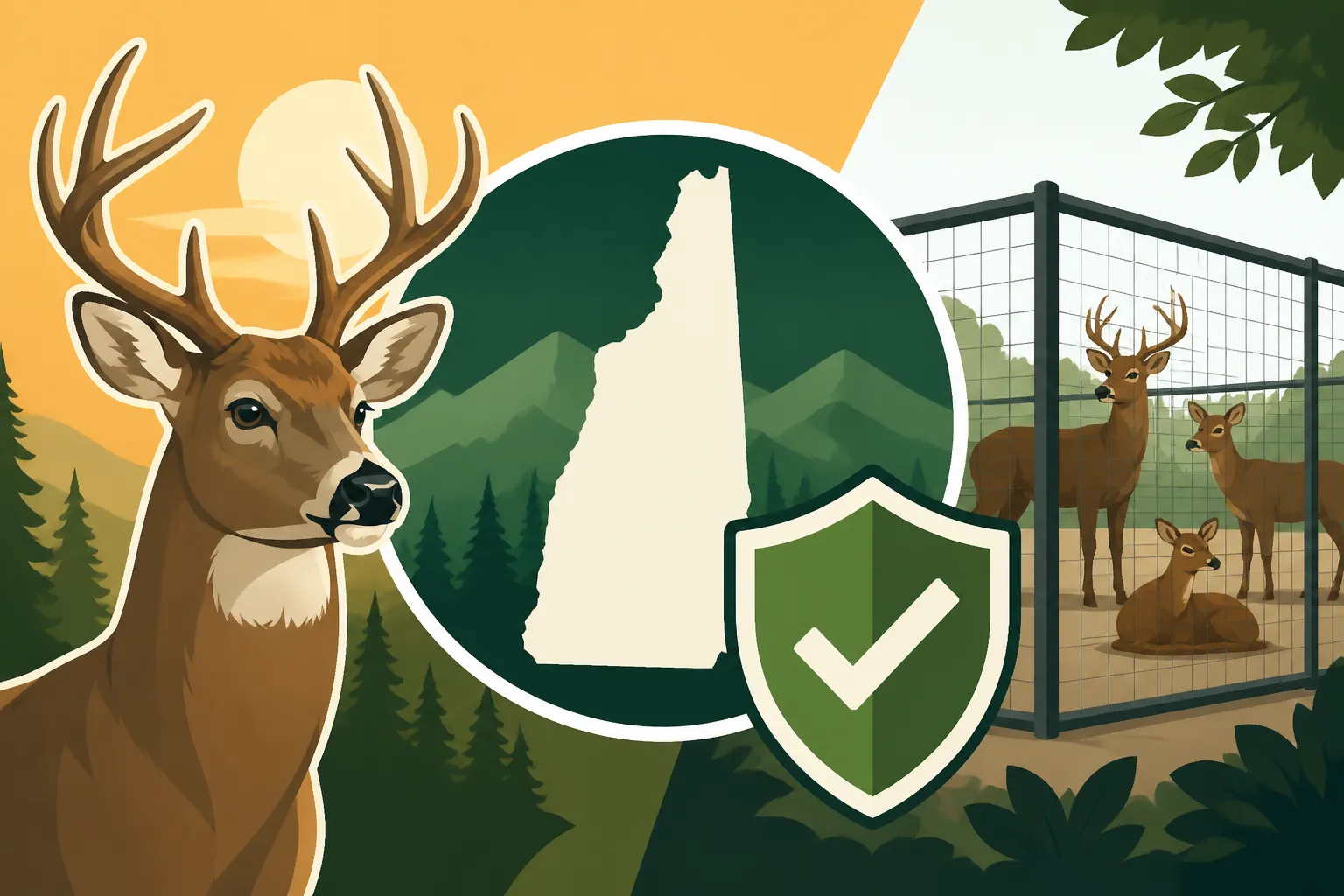
When we talk about "captive cervids," we're generally referring to privately owned deer, elk, or moose held in enclosures, often for breeding, agricultural purposes, or even rehabilitation. While these operations can seem far removed from the thrill of a hunt in the backcountry, their management is intimately tied to the health and vitality of the wild deer that roam our forests. New Hampshire takes a proactive, serious approach to their oversight, and for very good reason.
Guarding Our Wild Deer from Chronic Wasting Disease CWD
Imagine a disease that is always fatal, spreads easily, and can linger in the environment for years, essentially turning prime hunting grounds into no-go zones. That's Chronic Wasting Disease (CWD), and it's every wildlife manager's and hunter's nightmare. CWD is a neurological disease affecting deer, elk, moose, and reindeer (cervids). It's caused by abnormal proteins called prions, similar to Mad Cow Disease, and there is no cure, no vaccine, and it’s always fatal.
New Hampshire has been incredibly fortunate to remain CWD-free to date, a status that is a testament to diligent surveillance and strict regulations. Our state has seen the devastating impact CWD has had in other regions, decimating deer populations and creating immense challenges for wildlife agencies and local economies that rely on hunting tourism. The close monitoring of captive cervid facilities is a primary line of defense. If CWD were to enter New Hampshire through a captive herd, the potential for it to jump to our wild deer population would be catastrophic. This is why New Hampshire's CWD Prevention Rules are so critical, encompassing everything from carcass importation restrictions to surveillance of both wild and captive cervids. Every deer farmer, every hunter, every Granite Stater has a role in maintaining our CWD-free status, and robust captive cervid oversight is a cornerstone of this effort. The New Hampshire Fish and Game Department's ongoing New Hampshire Deer and Moose Disease Monitoring program works tirelessly to detect any potential threats early, ensuring our wild deer herd remains healthy and strong.
Preventing Escapes and Protecting Genetic Integrity
Beyond disease, there's another subtle but significant threat posed by poorly managed captive cervid operations: escapes. While it might sound like a simple fence repair, an escaped captive cervid can introduce several problems into the wild. For one, if that animal carries any latent diseases not yet detected, it could be the vector that brings illness to an otherwise healthy wild population. Think of it like a pandemic: one unchecked case can rapidly spread throughout a vulnerable population.
Secondly, there's the concern of genetic integrity. Captive deer are often bred for specific traits, like larger antlers or a certain color phase, sometimes incorporating genetics from different geographic regions or even different subspecies. If these animals escape and breed with our native New Hampshire whitetails, they could dilute the genetic pool that has evolved over millennia to thrive in our specific climate and terrain. This might sound minor, but maintaining the genetic resilience of our local deer is vital for their long-term survival against environmental changes, diseases, and other pressures. Effective oversight, including stringent fencing requirements and swift reporting protocols for escapes, is designed to minimize these risks. It's about protecting what makes a New Hampshire whitetail a New Hampshire whitetail.
The Hunter's Stake in a Healthy Wild Herd
For many of us, hunting isn't just a pastime; it's a way of life, a deep connection to the land and its resources. The health of New Hampshire's wild deer herd is directly linked to the quality and availability of hunting opportunities. A diseased or genetically compromised wild population would mean fewer deer, potentially stricter hunting regulations, and a less vibrant outdoor experience for everyone.
Consider the practical implications: if CWD were to appear in a region, specific hunting seasons might be altered, carcass movement could be severely restricted, and mandatory testing might become a common practice. This would fundamentally change how we hunt and enjoy our time afield. The regulations surrounding captive cervids are therefore not just bureaucratic red tape; they are a proactive measure to safeguard the very traditions and resources that hunters value. We all benefit from the current New Hampshire's CWD-Free Deer Herd status, and it's something we should all work to maintain. When you consider the passion and effort that goes into Bowhunting New Hampshire's Long Archery Season or New Hampshire's November Firearms Deer Season, you quickly understand why protecting our wild deer is paramount.
Navigating New Hampshire's Comprehensive Regulatory Framework
Managing captive cervids isn't a free-for-all. New Hampshire has a well-defined, multi-layered regulatory framework designed to ensure that these facilities operate responsibly and do not pose a threat to our wild populations. This involves various state agencies working together, most notably the New Hampshire Fish and Game Department and the New Hampshire Department of Agriculture, Markets & Food.
The Nitty-Gritty of Licensing and Facility Standards
Operating a captive cervid facility in New Hampshire isn't as simple as putting up a fence and buying some deer. There's a stringent licensing and permitting process that all operators must go through. This involves detailed applications, site visits, and inspections to ensure that proposed or existing facilities meet specific standards. These standards cover everything from the structural integrity and height of fences designed to prevent escapes, to the appropriate handling and disposal of animal waste, and even the welfare of the animals themselves.
For instance, fences must be of a certain height and gauge to be escape-proof, often double-fenced with specific setbacks to create a buffer zone. Water sources and feeding areas must be designed to minimize contact with wild animals, preventing potential disease transmission. Regular inspections ensure ongoing compliance with these standards. Failure to meet these requirements can lead to penalties, including fines or even the revocation of licenses. It's a system built on diligence and accountability.
Here's a simplified look at some key requirements:
| Aspect | Key Requirement | Oversight Agency |
|---|---|---|
| Licensing | Mandatory annual permits, detailed application & renewal process. | NH Dept. of Agriculture, Markets & Food |
| Facility Fencing | Double perimeter fences, minimum height (e.g., 8-10 feet), specific gauge, regular inspection. | NH Fish and Game, NH Dept. of Agriculture, Markets & Food |
| Biosecurity | Measures to prevent contact with wild cervids, secure feed storage, waste management. | NH Dept. of Agriculture, Markets & Food |
| Animal Identification | All cervids must be individually identified (e.g., ear tags). | NH Dept. of Agriculture, Markets & Food |
| Record Keeping | Detailed records of animal acquisition, sales, births, deaths, and movements. | NH Dept. of Agriculture, Markets & Food |
| Emergency Protocols | Plans for escapes, disease outbreaks, and natural disasters. | NH Fish and Game, NH Dept. of Agriculture, Markets & Food |
Strict Health Monitoring and Disease Reporting
The backbone of captive cervid oversight is a robust health monitoring program. This isn't just about ensuring the animals are generally healthy; it’s specifically designed to detect and prevent the spread of serious diseases like CWD. All captive cervids in New Hampshire facilities are subject to mandatory testing protocols, especially for CWD. This typically involves post-mortem testing of any cervid that dies, regardless of cause, to continuously monitor for the presence of the disease.
Beyond CWD, facilities must adhere to strict veterinary oversight, ensuring that herd health is regularly assessed. This includes regular examinations, vaccinations, and prompt diagnosis and treatment of any illnesses. Critical to this system is the requirement for immediate reporting of any unusual illness, unexplained deaths, or suspected disease outbreaks to the appropriate state agencies. This allows for rapid intervention, isolation of affected animals, and implementation of control measures to prevent any potential spread. Carcass disposal also falls under these strict rules, often requiring rendering or burial to prevent scavenging by wild animals that could spread pathogens. These layers of oversight are crucial for upholding New Hampshire's CWD Surveillance Program and keeping our wild herds safe.
Rules for Moving Cervids In, Out, and Around the Granite State
The movement of captive cervids, whether across state lines or even within New Hampshire, is highly regulated. This is perhaps one of the most critical aspects of disease prevention. Importing cervids into New Hampshire requires special permits, and animals typically must come from herds that have been certified as CWD-free for a specific number of years, often undergoing a quarantine period upon arrival and presenting extensive health certificates from a licensed veterinarian. These certificates verify the animal's health status, vaccination history, and origin.
Furthermore, New Hampshire has strict New Hampshire Carcass Import Restrictions in place for hunters. You cannot bring whole deer, elk, or moose carcasses from states or provinces where CWD has been detected. Only specific parts, like deboned meat, antlers, or hides, are allowed, and even then, often with specific requirements. This prevents the accidental introduction of CWD prions that might be present in the brain, spinal cord, or lymph nodes of an infected animal. Even within the state, movement of captive cervids between facilities may require permits and health checks, depending on the specific circumstances and the risk assessment by state officials. This meticulous control over movement is a vital shield against disease introduction.
The Reality of Captive Cervid Operations in New Hampshire
While the regulations are clear on paper, the practical application of captive cervid oversight involves a dynamic landscape of different types of operations, each with its own set of challenges and needs. It's not a one-size-fits-all situation, and the state agencies are constantly working to ensure compliance across this varied spectrum.
Diverse Operations and Their Oversight Needs
Captive cervid operations in New Hampshire can range from small, family-owned hobby farms with a handful of deer to larger, more commercially focused breeding facilities for specialty meat or antler production. We also have licensed wildlife rehabilitators who might temporarily house injured deer or moose. Each of these different types of operations presents unique oversight needs and challenges.
For a small farm, the primary concern might be maintaining proper fencing and ensuring animal identification, while a larger breeding operation would require more extensive disease testing protocols, meticulous record-keeping, and detailed plans for animal transport. Wildlife rehabilitation centers, though temporary, still need to adhere to strict biosecurity to prevent the transmission of diseases to or from wild animals that might pass through their care. While tools like GoHunt are incredibly useful for hunters to scout potential hunting areas and understand land ownership boundaries for Scouting New Hampshire Public Land Before Season, direct oversight of captive cervid facilities falls squarely on state regulatory bodies. These agencies must be adaptable, providing guidance and enforcement that is appropriate for the scale and specific activities of each facility, all while upholding the overarching goal of protecting our wild resources.
Ensuring Compliance and Addressing Violations
The system of oversight only works if facilities actually comply with the regulations. This is where the NH Fish and Game Department and the NH Department of Agriculture, Markets & Food truly earn their keep. They conduct regular and unannounced inspections, investigate complaints, and monitor for any signs of non-compliance. These efforts are not always easy. Some violations might be simple oversights, easily corrected with guidance, while others could be more serious, requiring significant intervention.
When violations are found, there's a tiered response, from warnings and corrective action plans to fines and, in severe cases, the confiscation of animals or revocation of licenses. The agencies also work to educate facility operators on best practices and any updates to regulations, fostering a culture of voluntary compliance. The goal is always to prevent problems rather than just reacting to them. This proactive stance is essential in maintaining the integrity of our wild herds and ensuring that New Hampshire remains CWD-free. The collaborative spirit between these state departments is critical, especially when dealing with the complexities of managing captive wildlife in a state that values both agriculture and abundant wild game.
The Broader Impact: Securing Our Hunting Future
Ultimately, the strict oversight of captive cervids is about much more than just a few fenced-in animals. It’s about ensuring the long-term health and abundance of our wild deer, elk, and moose populations, which directly translates to a thriving hunting future for generations to come.
How Strict Oversight Protects Your Hunting Opportunities
Think about the sheer joy of Hunting a New Hampshire North Country Moose Bog or the challenge of Still-Hunting White Mountain National Forest Timber for a buck. These experiences are only possible because we have healthy, wild game populations. Without strict oversight of captive cervids, the risk of disease introduction, particularly CWD, looms large. If CWD were to gain a foothold, it could decimate our deer herds, leading to drastic changes in hunting seasons, bag limits, and even access to certain areas.
By maintaining rigorous controls over captive cervids, New Hampshire proactively protects our wild populations from these threats. This means that hunters can continue to enjoy consistent seasons, maintain reasonable bag limits, and move harvested game within the state without excessive restrictions. It ensures that the tradition of deer hunting, which runs so deep in New Hampshire, remains viable and vibrant. The ability to ethically harvest an animal and responsibly handle your venison, understanding that the herd is healthy, is a direct benefit of this careful management. When you're looking to acquire your New Hampshire Resident License Options for the upcoming season, remember that part of that license fee helps support the programs that keep our wild deer healthy.
What Hunters Can Do to Help
As hunters, we are often the first line of defense for our wildlife. We spend countless hours in the field, intimately observing our deer. You play a crucial role in supporting these oversight efforts. If you ever observe anything suspicious related to captive cervids—like inadequate fencing, unusual animal behavior in a fenced area, or a suspected escape—it's vital to report it to the New Hampshire Fish and Game Department or the Department of Agriculture, Markets & Food. Your vigilance can make a real difference.
Furthermore, always adhere to all New Hampshire's CWD Prevention Rules, especially regarding the importation of cervid carcasses. If you hunt out of state, know the rules for what you can legally bring back into New Hampshire. Properly field dressing and disposing of carcasses, or utilizing authorized processors, minimizes any potential risk. Knowing how to use the online system for Registering a New Hampshire Deer Online also ensures the state has accurate data for monitoring herd health and population dynamics. Your active participation and responsible actions are integral to safeguarding the health of our wild deer and securing the future of hunting in the Granite State.
Disclaimer
Please note that hunting regulations, licensing requirements, and wildlife management policies are subject to change. Always consult the most current New Hampshire Fish and Game Department official digest or website for the most accurate and up-to-date information before planning any hunting activities or engaging with captive cervid operations. This guide is for informational purposes only and should not be considered a substitute for official legal or regulatory advice.