How Deep Snow Affects New Hampshire Deer Survival
Oh, the deep snow. If you've spent any time hunting or just observing wildlife in New Hampshire during the late fall and winter, you know that heavy snowfall isn't just picturesque; it's a profound challenge for our white-tailed deer. When those flakes really start piling up, it directly impacts how our deer survive the brutal New England winter, influencing everything from their ability to find food to evading predators. This guide will delve deep into the real struggles deer face and how those deep drifts shape the health and future of our beloved herd.
The Immediate Dangers of Deep Snow for Deer
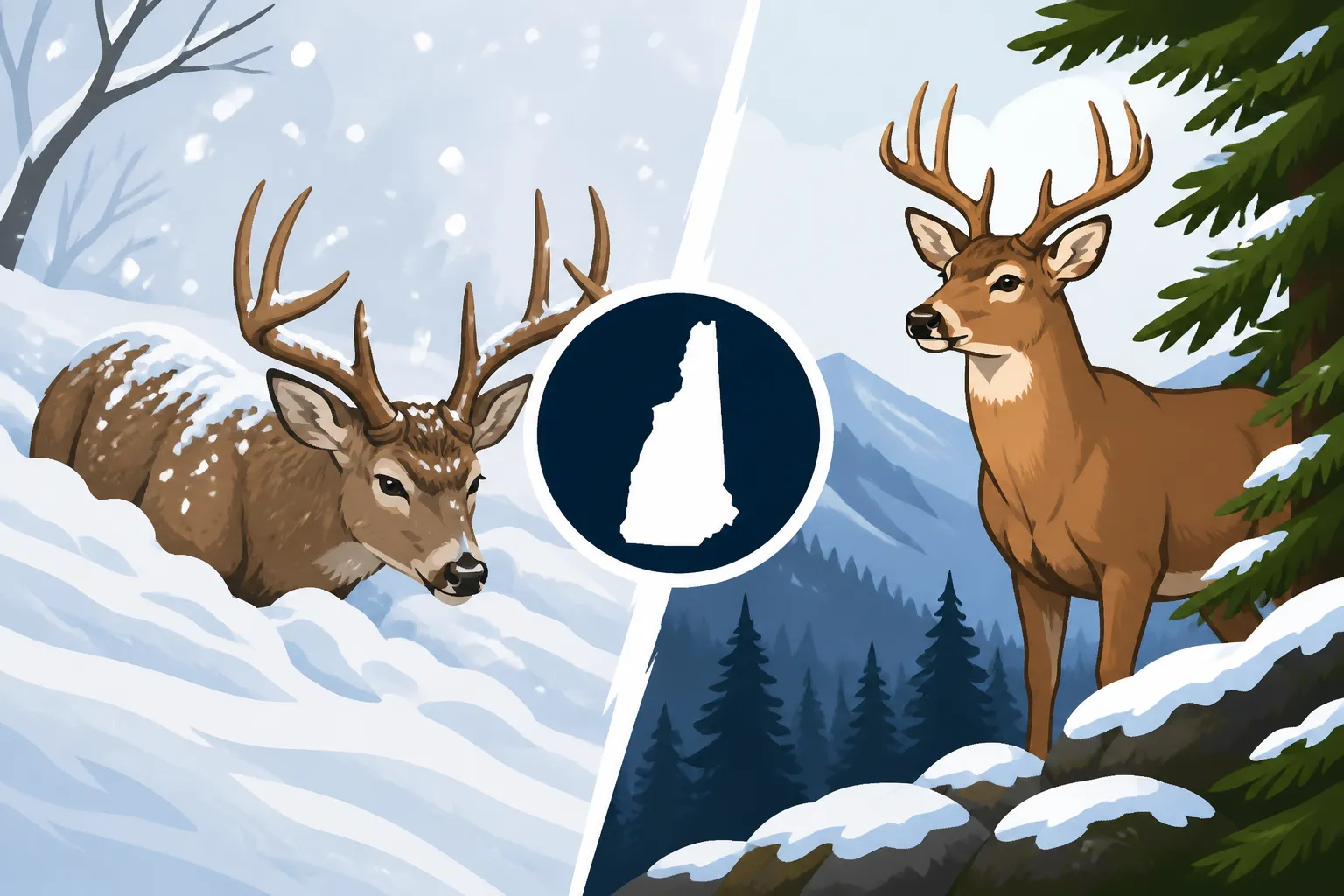
It's easy to look out at a winter wonderland, but for a deer, it can quickly become a deadly landscape. Deep snow isn't just cold; it's physically exhausting, demanding immense energy from an animal already fighting to conserve every calorie. Imagine trying to walk through waist-deep snow all day, every day – that's the reality for our deer in a tough New Hampshire winter.
Physical Exertion and Energy Drain
Every step a deer takes in deep snow costs them. They're not built with snowshoe-like feet; their narrow hooves tend to punch through, especially in soft, powdery conditions. This "post-holing" effect forces them to lift their legs high with each stride, burning precious calories they can't afford to lose. Think about a 150-pound deer trying to navigate through 24 inches of snow; it's a constant, slow-motion struggle. This isn't just a minor inconvenience; it's a battle against starvation. When a deer expends more energy walking than it gains from foraging, it's on a downward spiral. The more energy they burn simply moving from one browse patch to another, the less reserves they have to keep warm, fight off illness, or grow strong antlers come spring. It's a cruel feedback loop that many deer, especially fawns and older animals, simply cannot overcome.
Increased Vulnerability to Predators
Deep snow isn't just tough on deer; it can be an absolute boon for predators. Coyotes, for instance, often have longer legs and a different gait that allows them to move more efficiently over certain snow conditions. When a deer is slogging through deep drifts, a predator can often bound more easily, closing the distance rapidly. What might be a manageable chase in open, snow-free terrain becomes a desperate, often losing, struggle for the deer. We've all seen the tracks in the snow – the tell-tale signs of a chase, often ending abruptly. This vulnerability is particularly acute when a crust forms on top of the snow. If it's strong enough to support a coyote but not a heavier deer, the advantage swings dramatically in favor of the predator. A sharp, icy crust can also cut a deer's legs as it breaks through, further hindering its escape. This natural selection process, while harsh, does often mean that the strongest and healthiest deer are the ones who make it through.
Winter Deer Yards: Their Critical Role in Survival
To combat the challenges of deep snow, New Hampshire's deer have a time-tested survival strategy: they seek out what we call "deer yards" or "deer wintering areas." These aren't just random spots; they are specific habitats that offer a lifeline when the snow gets too deep and the temperatures drop too low. Understanding these areas is key to understanding New Hampshire Deer Wintering Yards Explained and how the herd survives.
The Appeal of Softwood Cover
Deer yards are typically dense stands of conifer trees – hemlock, spruce, and fir are common. These evergreens provide crucial overhead cover that acts like a natural umbrella. This canopy intercepts snowfall, preventing some of it from reaching the forest floor directly. More importantly, it creates a microclimate where temperatures are often a few degrees warmer and, crucially, snow depths are significantly shallower than in surrounding hardwood forests or open fields. This reduction in snow depth, even by a foot or two, can make all the difference for a deer trying to move and forage. The dense branches also block wind, further reducing chilling effects and helping deer conserve body heat. When you're scouting, using tools like GoHunt can help you identify these dense softwood areas on a map, as they often appear as darker green patches, hinting at the thermal cover deer crave. This helps you understand where deer might be concentrated during a harsh winter, whether you're planning a late-season hunt or simply observing their patterns.
Reduced Movement and Concentrated Resources
Once deer find a good yard, they often stay there for the duration of the harshest winter months, minimizing their movement to conserve energy. This concentration of deer in relatively small areas means that available browse – twigs, buds, and bark – gets heavily utilized. Deer will often create a network of "deer runs" or trails within the yard, packing down the snow, which makes travel easier and further reduces energy expenditure. These packed trails are a clear sign of an active deer yard and can be fascinating to observe. However, this concentration also has its downsides. As deer deplete the browse within the yard, they're forced to venture out more, increasing their exposure to deeper snow and predators. The challenge for wildlife managers, and for us as responsible hunters, is ensuring that these critical wintering areas are protected and that the surrounding habitat offers enough forage to sustain the New Hampshire Deer Population Estimate.
The Long-Term Ramifications of a Hard Winter
A single deep snowfall can be tough, but a prolonged period of deep snow and bitter cold can have lasting impacts on the deer herd, affecting not just individual animals but the overall health and productivity of the population for years to come. It’s a cascading effect that extends far beyond the winter months.
Nutritional Stress and Its Carryover Effects
When deer spend weeks or months slogging through deep snow and relying on sparse winter browse, they enter spring in a weakened state. They might survive the winter, but they've burned through most, if not all, of their fat reserves. This nutritional stress is particularly hard on does that are pregnant. A doe that is severely malnourished during gestation might give birth to smaller, weaker fawns, or worse, reabsorb her fetuses or abort them entirely. This directly impacts the New Hampshire Fawn Survival Rates for the upcoming year. Even if fawns are born, a weakened mother may struggle to produce enough milk to sustain them, leading to higher fawn mortality. For bucks, severe winter stress can delay or reduce antler growth the following summer. The energy that would normally go into growing impressive antlers is diverted to simply recovering from the winter's ordeal, leading to smaller racks than they might otherwise produce.
Increased Susceptibility to Disease
A deer that is fighting starvation and exhaustion is also a deer with a compromised immune system. Just like humans, when animals are under severe stress, their bodies are less able to fend off pathogens. A prolonged period of deep snow can lead to an uptick in various diseases or parasitic infestations within the deer population. This is a subtle but significant long-term consequence. Weakened animals are more likely to succumb to issues they might otherwise shrug off. While New Hampshire has been fortunate to remain free of Chronic Wasting Disease (CWD) – which is a huge credit to the work of New Hampshire Fish and Game and regulations around New Hampshire's CWD Prevention Rules – other diseases can still impact a vulnerable herd. The cumulative effect of these factors can take years for a herd to fully recover from, impacting future hunting seasons and overall wildlife health.
Here's a quick look at how different snow depths impact deer:
| Snow Depth (Inches) | Impact on Deer Movement | Energy Expenditure | Risk to Survival | Notes |
|---|---|---|---|---|
| 0-10 | Minimal restriction | Low | Low | Good foraging conditions |
| 10-20 | Moderate restriction | Moderate | Moderate | Movement to yards begins, some difficulty |
| 20-30 | Significant restriction | High | High | Yarding behavior is critical, predators gain advantage |
| 30+ | Severe restriction | Very High | Very High | Deep yarding, high mortality risk, limited forage |
How Hunters and Conservation Efforts Can Help
Understanding how deep snow affects our deer herd isn't just academic; it gives us insight into how we, as hunters and conservationists, can contribute to the herd's resilience. Our actions, or in some cases, our inactions, play a vital role in their long-term survival.
Responsible Hunting Practices in Winter Conditions
While New Hampshire's primary deer firearms season usually wraps up before the deepest snows hit, late-season archery and muzzleloader opportunities, such as during Hunting the December Archery Close or Hunting Into the December Muzzleloader Close, can coincide with significant snowfall. During these periods, ethical considerations become paramount. If snow is exceptionally deep and deer are visibly stressed, concentrated in yards, pushing further into those areas can cause undue stress and energy expenditure. A deer pushed out of a yard might not have the reserves to make it back, especially if it's wounded. Many responsible hunters will opt to avoid heavily used deer yards during periods of extreme winter conditions, recognizing that the long-term health of the herd takes precedence. It's about respecting the animal and the immense struggle it's facing. The goal is a healthy, sustainable herd, not just a tag.
Habitat Management and Protecting Deer Yards
The most significant way we can help deer survive deep snow is through proactive habitat management, especially focusing on protecting and enhancing critical deer wintering areas. This means advocating for responsible forestry practices that maintain dense softwood stands rather than clear-cutting them. When timber harvests occur near or within known deer yards, they should be done in a way that preserves thermal cover and, ideally, creates future wintering habitat. Organizations like the New Hampshire Fish and Game Department actively manage state lands and work with private landowners to identify and protect these vital areas. Hunters can also play a role by identifying potential deer yards while scouting, perhaps even marking them on an app like GoHunt, to avoid disturbing deer unnecessarily during harsh conditions. This understanding of local habitat, bolstered by tools like GoHunt's satellite imagery and topographical maps, can help inform our decisions in the field. Supporting conservation initiatives that focus on habitat preservation, particularly for wintering deer, is crucial for the future of the New Hampshire Deer Herd Size.
Monitoring Herd Health and Population Dynamics
Beyond direct habitat work, understanding the overall health and population dynamics of the deer herd is essential. A hard winter doesn't just impact individual deer; it can shift the entire demographic balance. Wildlife agencies carefully monitor deer populations and hunter harvest data to assess the impact of severe winters. This includes looking at factors like the New Hampshire Buck Age Structure, fawn recruitment rates, and overall body condition of harvested deer. This data helps them make informed decisions about future hunting season structures and bag limits, ensuring that the herd can recover and thrive. By registering harvested deer and providing accurate information, hunters contribute directly to this vital data collection. When the herd experiences significant winter kill, it impacts the available game for hunters in subsequent seasons. It's a sobering reminder of the delicate balance between nature's challenges and our management efforts.
Disclaimer
This article is for general informational purposes only and does not constitute professional advice. Laws, prices and regulations vary by location and change over time. Consult a qualified professional for guidance on your specific situation.