Deer Meat Yield From a New Hampshire Buck
It's a moment every New Hampshire hunter dreams of: finally dropping a beautiful buck. But after the initial excitement, a common question often surfaces – just how much usable venison will this animal actually yield? It's a practical concern, whether you're feeding your family, planning your freezer space for the winter, or just trying to understand the full reward of your hard work. This guide will walk you through the factors influencing the actual amount of meat you'll get from a New Hampshire buck, from the moment it hits the ground to when it's packaged in your freezer.
Understanding the Numbers: Live Weight, Dressed Weight, and Processed Yield
When we talk about a deer's weight, it's easy to get confused by the different terms. Hunters often throw around "live weight" or "dressed weight," but neither of those truly tells you how many pounds of delicious venison you'll be enjoying. Breaking down these terms is crucial to setting realistic expectations for your harvest.
Live Weight Versus Dressed Weight
The live weight of a buck is exactly what it sounds like: its weight when it's alive and walking around in the woods. This is the biggest number you'll hear, and it's what most hunters brag about. A 200-pound New Hampshire buck live weight sounds mighty impressive, and it absolutely is! But this weight includes everything – bones, hide, internal organs, blood, and all that non-meat stuff.
Once you've successfully field-dressed your deer, you're looking at its dressed weight. This is also commonly called "field-dressed weight." Field dressing involves removing all of the internal organs – the heart, lungs, liver, stomach, intestines, etc. This is a critical step, not just for reducing weight for the drag out of the woods, but more importantly, for cooling the carcass quickly and preventing spoilage, especially if you're not in the freezing temperatures of late November. Learning proper Field Dressing a Deer in Cold Weather is paramount for preserving your meat. The reduction from live weight to dressed weight is significant, typically ranging from 20% to 30%. So, that impressive 200-pound live weight buck might now weigh closer to 140 to 160 pounds. It’s still a good haul, but already a much different number than the initial figure.
Dressed Weight to Processed Meat Yield
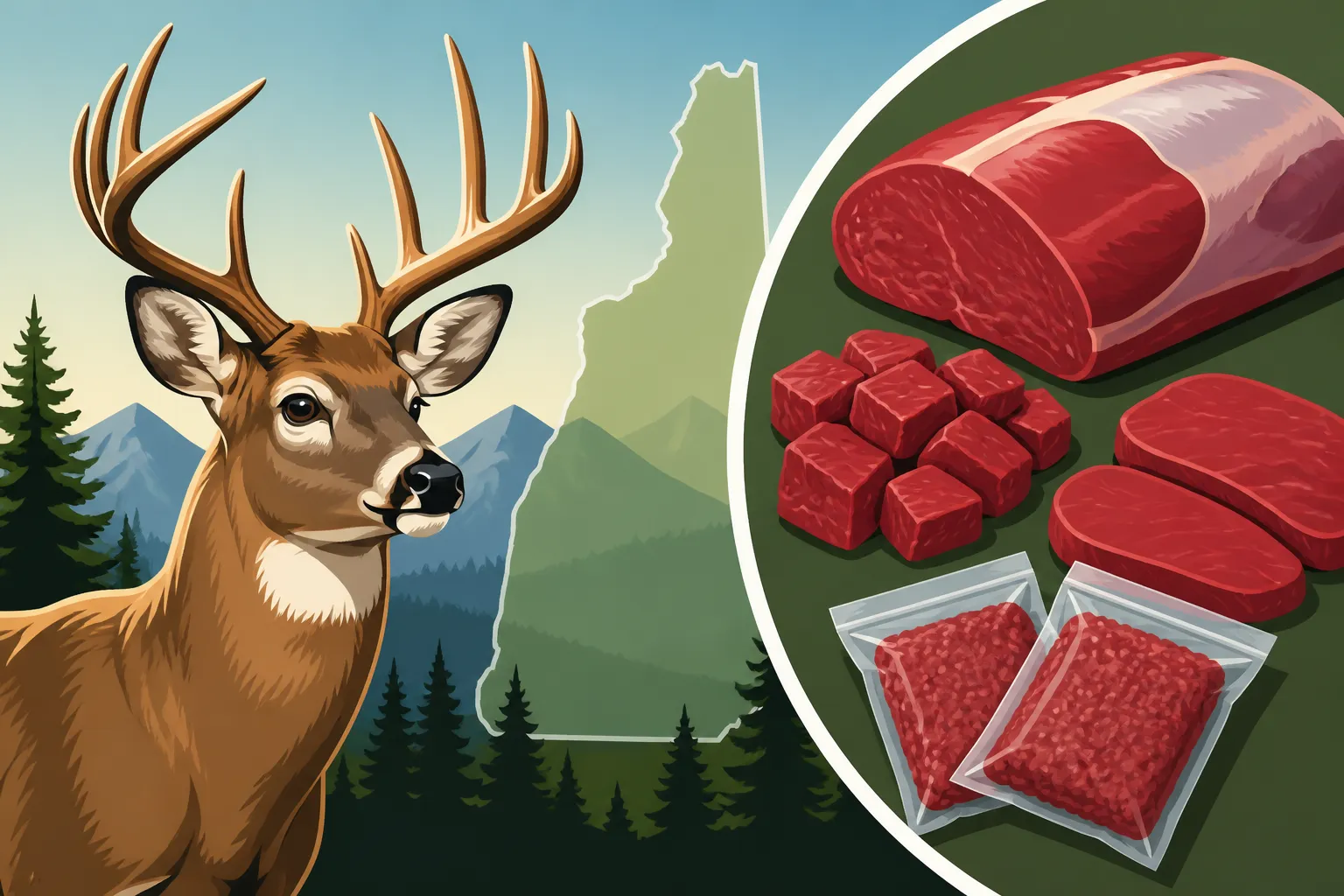
Now for the real question: how much actual meat? The processed meat yield is the weight of all the boneless cuts, ground venison, and any stew meat you get after the animal has been fully butchered. This is the weight that ends up in your freezer, ready for cooking. The conversion from dressed weight to processed meat yield is where things get even more interesting and where various factors really come into play.
Generally, you can expect to get about 50% to 65% of the dressed weight in boneless, processed meat. This percentage can fluctuate based on the deer's build, the skill of the butcher (whether you or a professional), and how much bone-in meat you choose to keep (like bone-in roasts or chops). If you want to know about Butchering a Deer at Camp yourself, you'll soon understand how much work goes into maximizing every ounce. For our hypothetical 200-pound live weight buck, which dressed out at 150 pounds, you're likely looking at somewhere between 75 to 97.5 pounds of finished venison. That's a huge difference from the original 200 pounds, but still a fantastic amount of high-quality protein for your family. Understanding these conversions helps manage expectations and appreciate the true value of your harvest.
Factors That Influence Your Venison Haul
The amount of venison you ultimately get isn't just a fixed percentage; it's a dynamic figure influenced by several critical factors. From the moment the deer is on the ground to when it's wrapped and frozen, every decision and circumstance plays a role in your final yield.
Buck Size and Age
It might seem obvious, but the bigger the buck, the more meat you'll get. However, it's not always a linear relationship. A mature, well-fed buck, particularly one from a region with good nutrition like some of New Hampshire's southern WMUs, will often have a higher meat-to-bone ratio than a scrawny, younger deer or one from a more remote, food-scarce area of the North Country. When you're using tools like GoHunt to scout for areas with higher deer density by New Hampshire region, you might also be inadvertently looking for locations known for healthier, more robust deer.
Older bucks, while often larger, can also present different challenges. A very old, "sway-backed" buck might have lost some muscle mass, or its meat could be tougher, requiring different processing and cooking methods. Younger bucks, while smaller, typically yield incredibly tender venison. So, while you might get a few less pounds, the quality can be outstanding. Factors like How Deep Snow Affects New Hampshire Deer Survival can also impact the general health and size of deer in a given year, which in turn influences meat yield.
Shot Placement and Damage
This is a big one that often gets overlooked in the excitement of the moment. Where your shot hits the deer directly impacts how much meat is salvageable. A perfectly placed shot through the vitals (heart/lungs) typically minimizes meat damage. The bullet or broadhead passes through soft tissue, leaving the prime cuts intact.
However, a shot that hits bone (like a shoulder shot) or major muscle groups can cause significant bloodshot meat and bone fragments to contaminate surrounding tissue. All of that damaged, bloodshot meat has to be trimmed away, reducing your overall yield. Sometimes, a shot that's a little far back and guts the animal can also lead to issues, as stomach contents can contaminate the meat if not handled swiftly and cleanly during field dressing. That's why aiming for the kill zone is not just ethical; it's practical for maximizing your venison.
Field Care and Prompt Processing
The care you give your deer immediately after the shot is paramount. Prompt and thorough field dressing, as mentioned, is crucial for rapid cooling. In New Hampshire, especially during the later firearms or muzzleloader seasons, cold temperatures are often your friend. However, even in cold weather, getting the guts out allows the body cavity to cool down and prevents bacterial growth.
Leaving a deer to lie for an extended period, especially in warmer early season archery conditions, can lead to bacterial growth and spoilage. Meat that "sours" or develops an off-flavor will have to be trimmed heavily, if not discarded entirely, drastically reducing your yield. After field dressing, getting the deer to a cooler environment quickly is key. This might mean getting it back to camp, hanging it in a garage, or taking it directly to a processor. The longer you wait, especially if the deer is exposed to warm temperatures or rain, the more potential meat quality and quantity you risk losing. Proper Handling Venison From a Healthy Herd starts literally minutes after the shot.
Maximizing Your Meat: From Field to Freezer
Getting the most out of your New Hampshire buck is a process that extends beyond the shot itself. Every step, from the moment you approach your downed deer to the final wrap in your freezer, contributes to the overall yield and quality of your venison.
Efficient Field Dressing Techniques
Good field dressing isn't just about removing the guts; it's about doing it cleanly and efficiently. A sharp knife is your best friend here. Make clean cuts, try to avoid puncturing the stomach or intestines, and work methodically. Getting the hide off in the field, if conditions allow and you're prepared for it, can also help cool the carcass faster. However, in rough terrain or deep snow, simply eviscerating the animal might be enough for the initial stage.
Once the cavity is open, wipe it clean with paper towels or a clean cloth, if available, but avoid using water unless absolutely necessary and you can thoroughly dry it afterwards. Water can promote bacterial growth. Some hunters carry a small spray bottle with a vinegar solution to spray the cavity, which can help inhibit bacteria, though this is debated among purists. The goal is to get the heat out and keep it clean. For those venturing into more remote areas, remember that apps like GoHunt can help you mark your kill site and plan the most efficient extraction route, which is part of maximizing your field care.
Professional Butcher or DIY Processing
The decision to take your deer to a professional butcher or process it yourself significantly impacts your yield. A skilled professional butcher can often extract more usable meat, especially from areas you might typically leave on the bone. They have specialized tools, experience, and knowledge of anatomy that can turn scraps into usable ground meat or stew cuts. They also typically work in temperature-controlled environments, which is ideal for aging and processing.
However, processing it yourself gives you complete control. If you invest the time to learn proper butchering techniques, you can be incredibly efficient. There are many online resources and guides to help you through the process of Butchering a Deer at Camp. The key is to have sharp knives, a clean workspace, and patience. You can decide exactly how you want your cuts – roasts, steaks, grind, jerky meat – and ensure that every last bit is utilized. Many hunters find immense satisfaction in processing their own game, connecting them even more deeply to the harvest. For New Hampshire hunters concerned about New Hampshire's CWD Prevention Rules, self-processing also allows for careful handling of the carcass and knowing exactly what's going into your freezer.
Aging and Packaging for Optimal Quality
Once the deer is field-dressed and, ideally, skinned, the next crucial step is aging the meat. Aging involves letting the carcass hang in a cool, well-ventilated environment (ideally between 34-40°F) for several days, usually 5-10 days, depending on temperature and humidity. This process allows natural enzymes in the meat to break down muscle fibers, tenderizing the venison and enhancing its flavor. Without proper aging, even the most tender cut can be chewy. You can learn more about Aging Venison in Cold Weather for the best results.
After aging, the meat is ready for packaging. Proper packaging is essential for preventing freezer burn and maintaining quality for months. Vacuum sealing is arguably the best method, as it removes all air, preventing oxidation and dehydration. If vacuum sealing isn't an option, use heavy-duty freezer paper or freezer bags, wrapping tightly to remove as much air as possible. Label everything clearly with the cut and date. Taking these final steps ensures that the precious venison from your New Hampshire buck remains delicious and freezer-burn free, providing sustenance and memories long after the season ends.
Typical Yields for New Hampshire Bucks: What to Expect
Let's get down to some concrete numbers to help you set expectations for your next New Hampshire deer harvest. While every deer is different, and factors like nutrition and genetics play a role, we can establish some general benchmarks for what to anticipate.
Averages for Live Weight, Dressed Weight, and Processed Meat
In New Hampshire, deer sizes can vary quite a bit across the state's WMUs. A buck harvested in the deep woods of the North Country might be a bit smaller-bodied than one taken in the more agricultural, southern parts of the state. However, based on New Hampshire Deer Harvest Records and general estimates, here's a typical breakdown:
- Small Buck (Yearling to 2.5 years old): Live weight might range from 120-150 pounds.
- Medium Buck (3.5 years old): Live weight often falls between 150-180 pounds.
- Large Buck (4.5+ years old): Live weight can push 180-220+ pounds, with some truly impressive specimens going even higher.
Now, let's apply the percentages we discussed earlier to get a clearer picture of what lands in your freezer.
Estimated Yields by Buck Size
| Buck Size | Estimated Live Weight (lbs) | Estimated Dressed Weight (lbs) (70-80% of Live) | Estimated Processed Meat (lbs) (50-65% of Dressed) |
|---|---|---|---|
| Small Buck | 120-150 | 84-120 | 42-78 |
| Medium Buck | 150-180 | 105-144 | 52.5-93.6 |
| Large Buck | 180-220+ | 126-176+ | 63-114.4+ |
It's important to remember these are estimates. Your experience might vary based on the specific animal, your field dressing efficiency, and the skill of the butcher. Some very lean, older bucks might yield a bit less meat relative to their size, while a younger, prime-age buck in peak condition could surprise you with a higher yield.
The Value of Every Pound
When you look at the numbers, even a "smaller" New Hampshire buck provides a substantial amount of lean, organic, ethically sourced protein. Compare the processed meat yield to what you'd pay for similar cuts at a grocery store, and the value of your hunting efforts becomes even more apparent. This isn't just about pounds; it's about quality. Wild venison is generally lower in fat and cholesterol than commercially raised red meats, making it a healthy choice for your family.
Beyond the nutritional value, there's the undeniable satisfaction of providing for yourself and your loved ones from the land. Every package of venison in your freezer is a testament to your time, skill, and dedication in the New Hampshire woods. Whether you're tracking a buck in the White Mountain National Forest or setting up on a Hunting a Funnel Between Two Woodlots in the Merrimack Valley, the effort is worth every delicious pound. Logging your harvest data, perhaps within a scouting app like GoHunt, can provide valuable insights for future seasons and help you better estimate your personal yields over time. After all the effort, from using tools like GoHunt for scouting to the careful shot, you want to make sure you get every last morsel.
Disclaimer
This article is for general informational purposes only and does not constitute professional advice. Laws, prices and regulations vary by location and change over time. Consult a qualified professional for guidance on your specific situation.