New Hampshire Peregrine Falcon Recovery
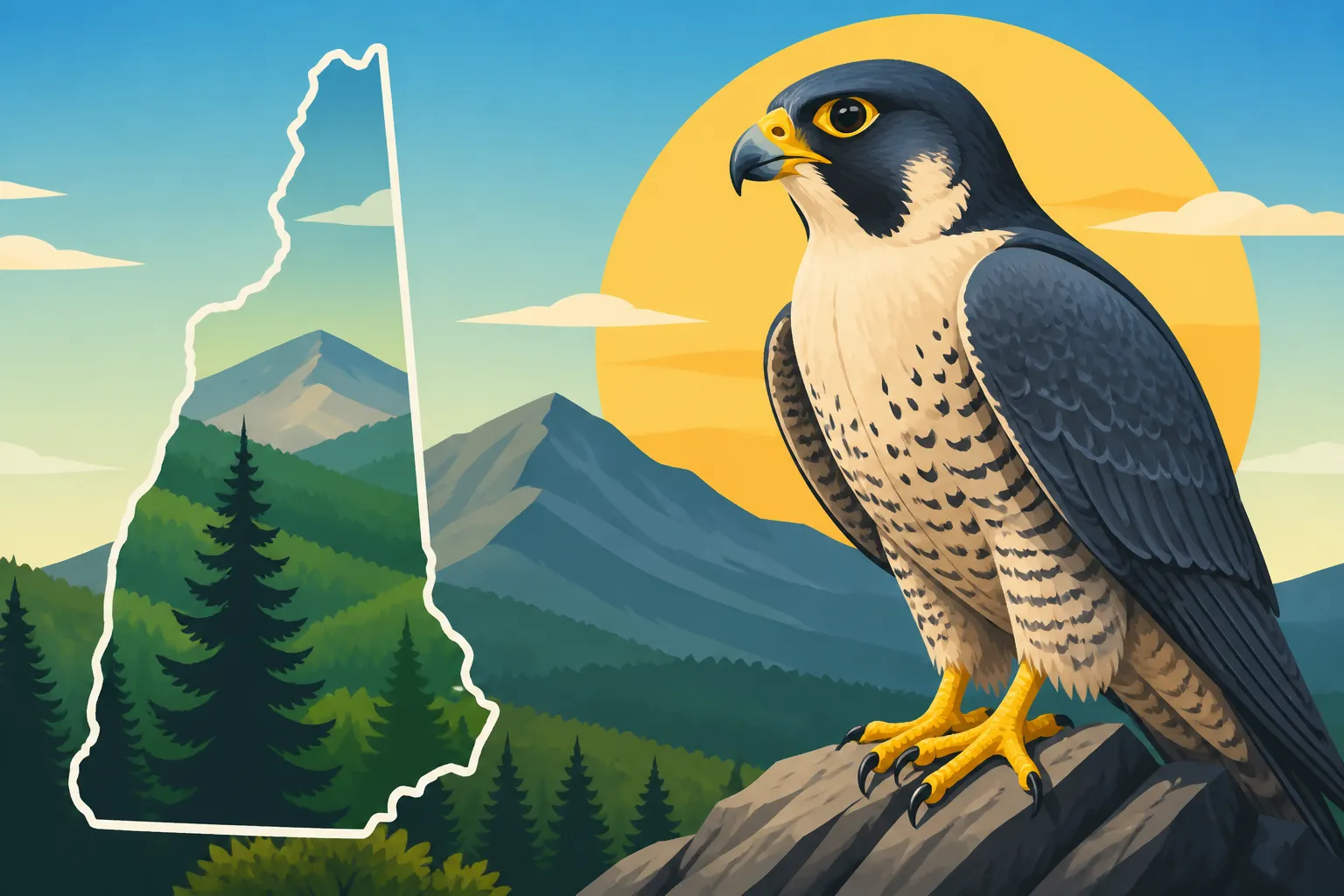
It’s easy to take for granted the sight of a powerful peregrine falcon soaring overhead or perched on a distant cliff face here in New Hampshire. But for many years, these magnificent birds were a truly rare, even heartbreakingly absent, presence in our skies. This guide is dedicated to exploring the incredible journey of the peregrine falcon, from the brink of extirpation to a thriving comeback, and what it means for the Granite State's rich natural heritage.
The Historical Decline of Peregrine Falcons in New Hampshire
To truly appreciate the comeback story, we first need to understand just how dire the situation was for peregrine falcons not so long ago. It wasn't just a slow decline; it was a rapid, almost catastrophic collapse that shocked wildlife biologists and conservationists across the continent. The pristine cliffs and remote ledges where these birds once nested became eerily silent.
DDT's Devastating Impact
The primary culprit behind the dramatic fall of peregrine falcon populations, along with many other raptors like bald eagles and ospreys, was the widespread use of dichlorodiphenyltrichloroethane, or DDT. This synthetic pesticide, introduced in the 1940s, was initially hailed as a miracle chemical for controlling insect pests and disease vectors. Farmers sprayed it on crops, foresters used it in timberlands, and even homeowners used it in their gardens. The problem, however, was its persistence in the environment and its tendency to biomagnify up the food chain.
Peregrine falcons, being apex predators, consume smaller birds that had, in turn, eaten insects or plants contaminated with DDT. Over time, the chemical accumulated in the falcons' systems. It didn't directly kill them in large numbers, but it had a insidious effect: it interfered with their calcium metabolism. This led to eggshell thinning, making the shells so fragile that adult falcons would inadvertently crush them during incubation. Nests that once held vibrant clutches of eggs now contained only broken fragments, and successful breeding plummeted. Across New Hampshire, like much of the eastern United States, the nesting sites that had been active for generations suddenly went quiet.
The Silent Skies
By the mid-20th century, the silence was deafening. Peregrine falcons were virtually gone from the eastern United United States, and New Hampshire was no exception. What were once fairly common sights in our rugged White Mountain terrain, soaring above the Franconia Ridge or hunting over the Pemigewasset River valley, became a distant memory. The last known nesting pair in New Hampshire vanished in the early 1960s. Imagine a landscape as wild and untamed as ours, without one of its most iconic avian hunters. It was a stark reminder of humanity's impact on the natural world, even with seemingly beneficial technologies.
This period was a critical wake-up call for environmentalists and lawmakers. The plight of the peregrine, alongside other affected species, galvanized public opinion and ultimately contributed to the formation of the Environmental Protection Agency (EPA) and the ban of DDT in the United States in 1972. It wasn't just about saving a single bird; it was about understanding the interconnectedness of ecosystems and the long-term consequences of our actions. The challenge, then, shifted from stopping the decline to figuring out how to bring these magnificent birds back.
New Hampshire's Peregrine Falcon Recovery Efforts
Bringing a species back from the brink of extirpation is no small feat, requiring immense dedication, scientific expertise, and collaborative effort. New Hampshire, in concert with regional and national programs, played a vital role in this intricate dance of conservation.
Early Conservation Initiatives and Reintroduction
Following the DDT ban, the road to recovery began. Peregrine falcons were listed under the Endangered Species Act, which provided critical protections and funding for recovery programs. The primary strategy employed was a technique called "hacking." This involved placing young peregrine chicks, often sourced from captive breeding facilities, into artificial nest boxes on cliffsides that historically hosted peregrines. These chicks were fed by humans without direct contact, allowing them to imprint on the natural environment and eventually fledge as wild birds, ideally returning to nest in the general area as adults.
New Hampshire began its hacking efforts in the late 1980s, primarily focusing on historical nesting sites within the White Mountain National Forest and other suitable cliff habitats. Sites were carefully chosen for their remoteness, security from human disturbance, and natural prey availability. Over several years, dozens of young falcons were released in New Hampshire, each release a hopeful step towards re-establishing a breeding population. Organizations like the New Hampshire Fish and Game Department, along with federal agencies and non-profit groups, meticulously managed these sites. The process was slow and often challenging, but the commitment remained unwavering. You can often use tools like GoHunt to familiarize yourself with public land regulations around sensitive wildlife areas, even if those areas aren't specifically for hunting.
Monitoring, Protection, and Habitat Management
As the hacking program began to show success, with some reintroduced birds returning to nest, the focus shifted to rigorous monitoring and protection of these nascent populations. Biologists and trained volunteers regularly surveyed known and potential nesting sites, identifying active eyries (falcon nests) and monitoring breeding success. This meant long days in challenging terrain, often observing from a distance with powerful Optics for New Hampshire's Timber Country to avoid disturbing the sensitive nesting birds.
Protection measures included seasonal closures of climbing routes or hiking trails near active nest sites to prevent disturbance during critical breeding periods. Public education campaigns were launched to inform hikers, climbers, and other outdoor enthusiasts about the presence of falcons and the importance of respecting their space. Habitat management primarily revolved around preserving the integrity of their cliff nesting sites and ensuring a healthy prey base. New Hampshire's commitment to maintaining its vast tracts of public lands, like those managed by New Hampshire Wildlife Management Areas or Hunting New Hampshire's White Mountain National Forest, indirectly benefits peregrines by preserving large, undisturbed ecosystems. The success seen in peregrine recovery paved the way for similar efforts, like the ongoing work for New Hampshire Bald Eagle Recovery.
Current Status and Future Outlook for Peregrine Falcons in New Hampshire
The efforts of decades have truly paid off, transforming the peregrine falcon's status from a conservation crisis to a celebrated success story in New Hampshire.
Where to See Peregrine Falcons Today
Today, peregrine falcons are no longer just a memory; they are a vibrant, self-sustaining part of New Hampshire's wildlife. From once being completely gone, the state now boasts a healthy and growing population, with dozens of active nesting pairs. They were officially delisted from the federal Endangered Species Act in 1999 and from New Hampshire's state endangered species list in 2008, a testament to the remarkable recovery.
You can often spot these incredible raptors in areas with suitable cliff habitat, especially during the breeding season from spring through summer. Popular viewing spots include many of the prominent notches and cliffs in the White Mountains, such as those along the Kancamagus Highway or areas near Franconia Notch. Hikers frequently report sightings on trails that ascend to open, rocky summits. Finding Sign in White Mountain Timber can sometimes lead you to areas where falcons might be hunting or nesting. Even in some urban areas with tall buildings or bridges that mimic natural cliff faces, a few pairs have occasionally established nests, showcasing their adaptability. While observing, always remember to maintain a respectful distance and never disturb a nest site. Binoculars and spotting scopes are essential tools for responsible wildlife viewing.
Ongoing Challenges and Conservation Needs
While the recovery of the peregrine falcon is undoubtedly a success, the work of conservation is never truly "finished." Several challenges remain, requiring ongoing vigilance and adaptive management. One significant concern is the potential for new environmental contaminants to emerge, much like DDT, that could affect raptor health. Continuous monitoring of environmental quality and prey species is crucial.
Another challenge is managing human-wildlife interactions, particularly in popular recreational areas. As more people seek outdoor experiences, the potential for disturbance at nesting sites increases. Education and clear communication about seasonal closures and ethical wildlife viewing practices are paramount. Climate change also presents long-term uncertainties, potentially impacting prey availability, nesting habitat, or migration patterns. The peregrine falcon's success story serves as a powerful reminder of what can be achieved with concerted conservation efforts, but also of the constant need to protect our natural world against evolving threats. Similar efforts are vital for species like the New Hampshire Osprey Nesting Platforms, which also suffered from DDT.
Here's a quick look at the peregrine falcon's journey in New Hampshire:
| Phase | Time Period | Key Characteristics | Status in NH |
|---|---|---|---|
| Historical Abundance | Pre-1950s | Widespread, stable populations | Common nesting resident |
| Devastating Decline | 1950s – 1970s | DDT causes eggshell thinning, reproductive failure | Extirpated (last known 1960s) |
| Recovery Efforts | 1970s – 1990s | DDT banned, captive breeding, hacking, reintroduction | Slowly re-establishing |
| Delisting & Growth | Late 1990s – Present | Federal/state delisting, robust breeding population | Recovered, self-sustaining |
How Hunters and Outdoor Enthusiasts Can Support Recovery
The health of New Hampshire's ecosystems impacts all wildlife, not just game species. Hunters and other outdoor enthusiasts often have a deep connection to the land and a vested interest in healthy wildlife populations, making them vital partners in conservation.
Respecting Nesting Sites and Regulations
One of the most direct ways outdoor enthusiasts can support peregrine falcon recovery is by respecting nesting sites. During the spring and early summer, peregrine falcons are extremely sensitive to disturbance, especially when they are incubating eggs or raising young chicks. Approaching a nest too closely, making loud noises, or otherwise drawing attention to the site can cause adults to abandon their nest, leaving eggs or chicks vulnerable to predation or exposure.
New Hampshire Fish and Game, often with the support of partner organizations, implements seasonal closures for certain rock climbing routes or trails that are adjacent to active peregrine nests. It's crucial to always check for these advisories before heading out, especially if you plan to explore known cliff areas. Resources like the New Hampshire Fish and Game website or even apps like GoHunt can provide up-to-date information on public land access and potential closures. Adhering to these temporary restrictions isn't just about following the law; it's about giving these magnificent birds the space they need to thrive and ensuring their long-term presence in our state. Even when hunting in areas like the Monadnock Region Hills or the Connecticut River Valley, being aware of potential sensitive wildlife areas is a good practice.
The Broader Picture of Wildlife Conservation
Supporting peregrine falcon recovery is also about understanding the broader picture of wildlife conservation. It reminds us that all species, from the largest moose to the smallest songbird, play a role in the intricate web of life. Hunters, through their license fees and excise taxes on hunting equipment (Pittman-Robertson Act), contribute significantly to wildlife management and habitat conservation programs that benefit a wide array of species, including non-game animals like the peregrine falcon. When you purchase a hunting license in New Hampshire, you're not just buying access to hunt deer; you're contributing to the health of the entire ecosystem, which ultimately includes the habitats and prey bases that peregrines rely on.
Engaging with conservation groups, volunteering for habitat projects, or simply educating others about the importance of responsible outdoor ethics are all ways to contribute. The success of the peregrine falcon in New Hampshire is a shining example of what's possible when people come together for a common conservation goal. It stands as a powerful symbol of hope and resilience, reminding us that even after significant challenges, nature has an incredible capacity to recover when given the chance. Understanding the state of all wildlife, including topics such as New Hampshire Deer and Moose Disease Monitoring or New Hampshire Turkey Population Trends, helps create a holistic view of conservation.
Disclaimer
This article is for general informational purposes only and does not constitute professional advice. Laws, prices and regulations vary by location and change over time. Consult a qualified professional for guidance on your specific situation.