Aging Venison in Cold Weather
Aging venison in cold weather explains how hanging a deer carcass between 34 and 40 degrees allows natural enzymes to improve meat tenderness.
Know what you’re after.
Big game, small game, upland birds, and waterfowl — identification, behavior, rut and migration timing, and how each species moves through the season.
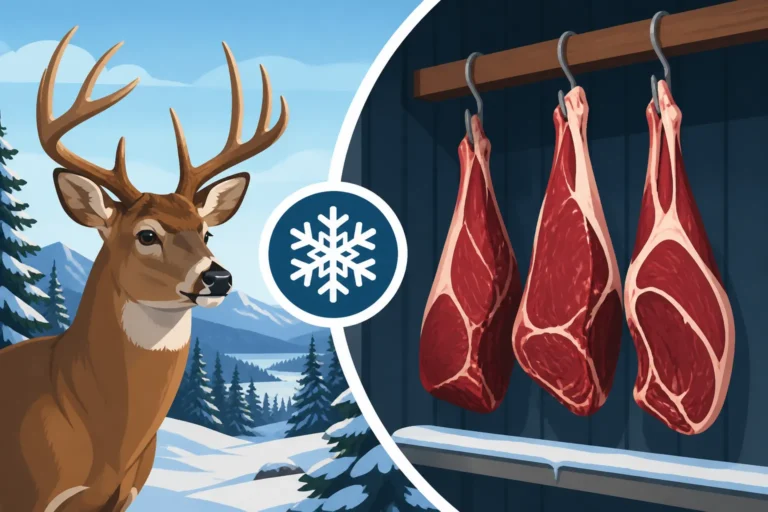
Aging venison in cold weather explains how hanging a deer carcass between 34 and 40 degrees allows natural enzymes to improve meat tenderness.
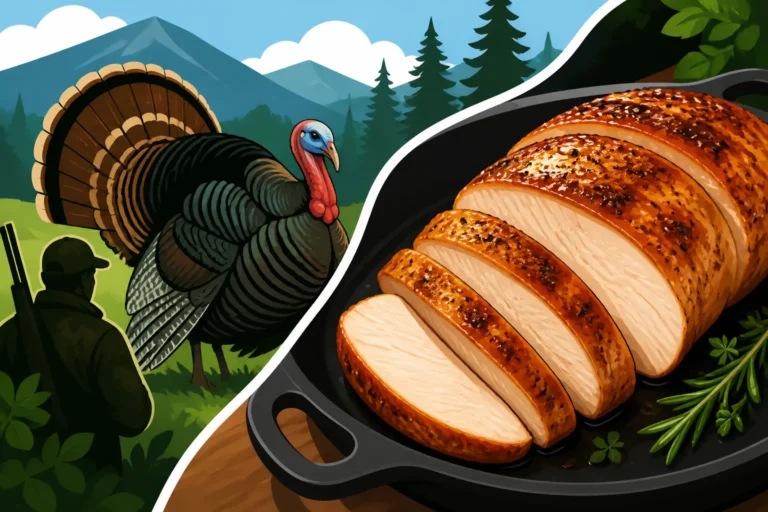
Proper field care, breathable game bags, and skinning methods for cooking lean wild turkey breast without drying it out.
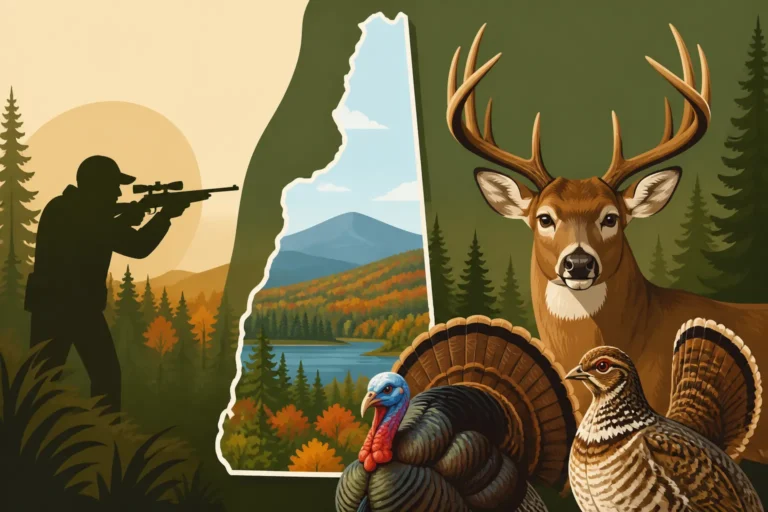
New Hampshire wild game flavor depends on diet, habitat, age, and sex, shaping the taste of deer, moose, bear, and turkey.
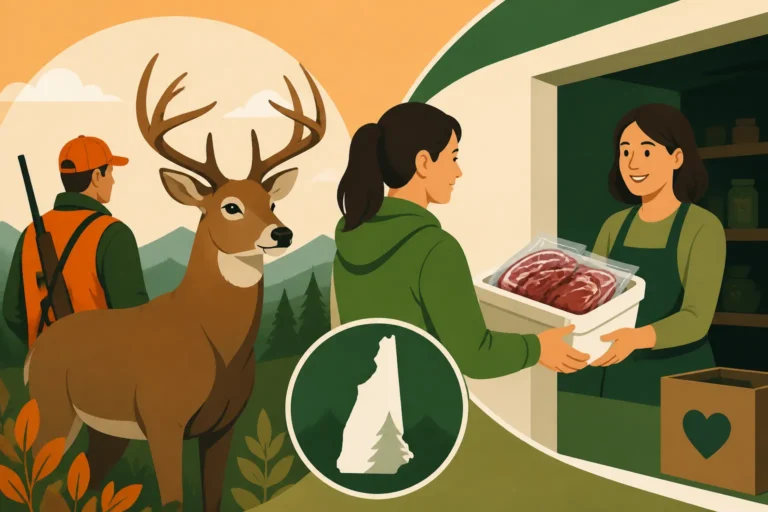
New Hampshire venison donations supply lean protein to local food banks while supporting state wildlife management goals.
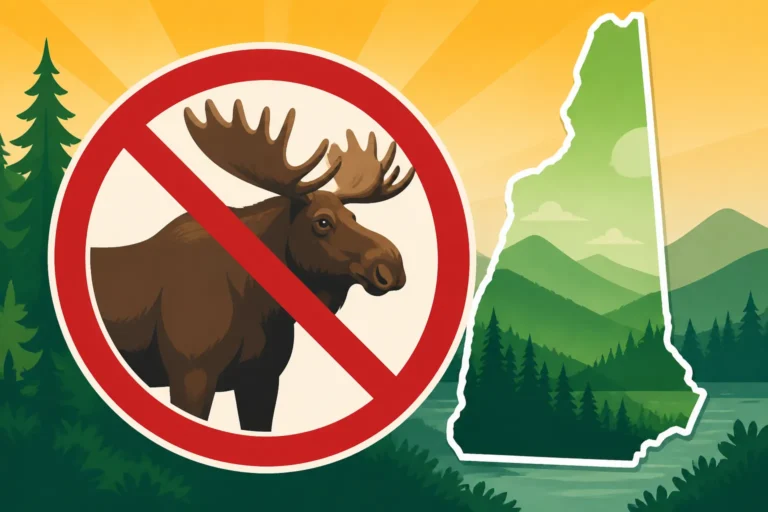
New Hampshire protected wildlife regulations explain which animals are illegal to hunt to ensure conservation and population health.
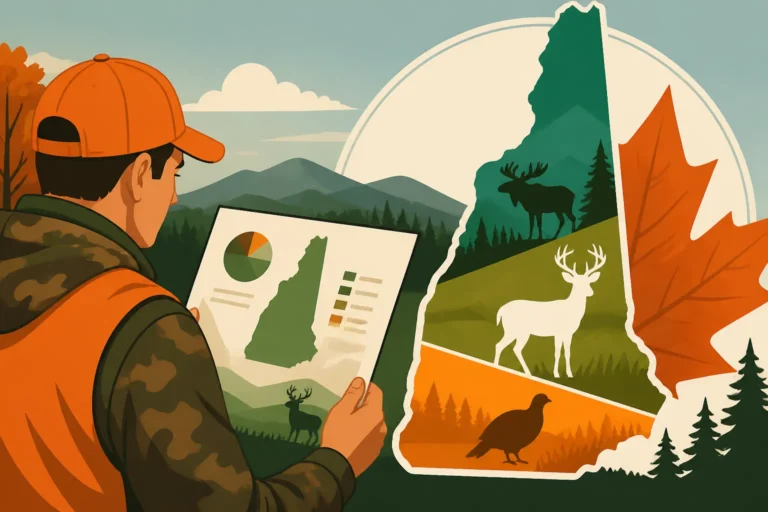
New Hampshire harvest reports provide hunters with wildlife data and deer population trends to improve hunting strategy and season planning.
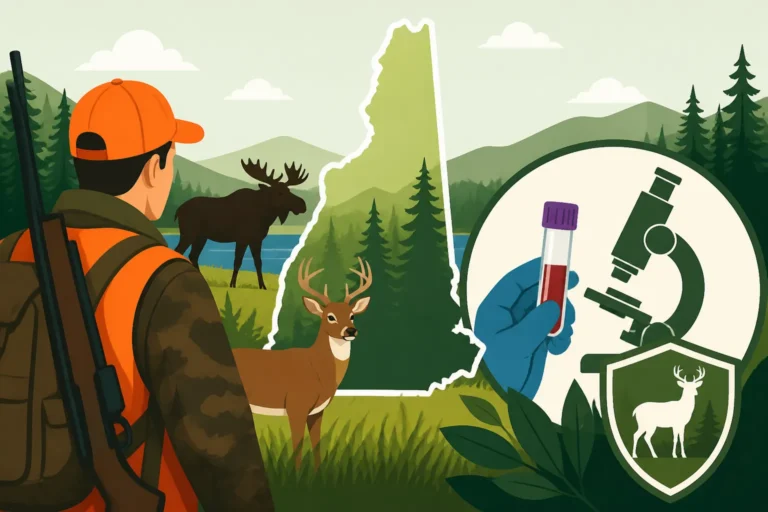
The New Hampshire Wildlife Disease Monitoring Program protects wild game health, safeguards public safety, and supports hunting.
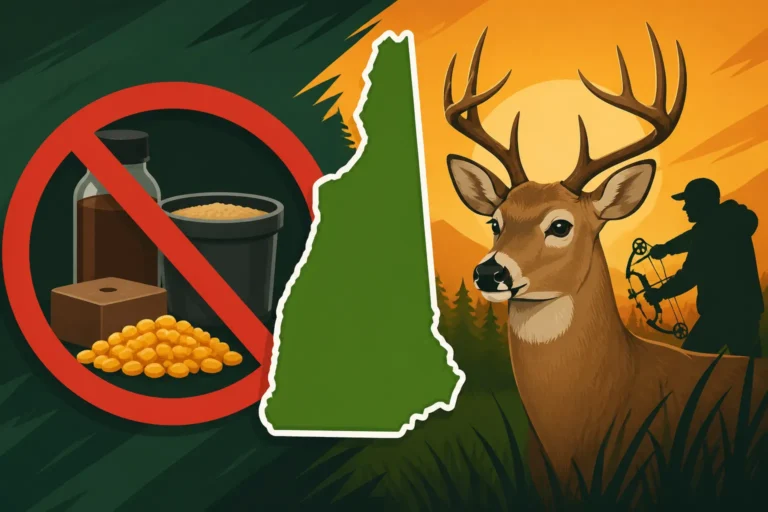
New Hampshire’s natural deer lure ban explains why regulations prohibit these products to prevent Chronic Wasting Disease transmission.
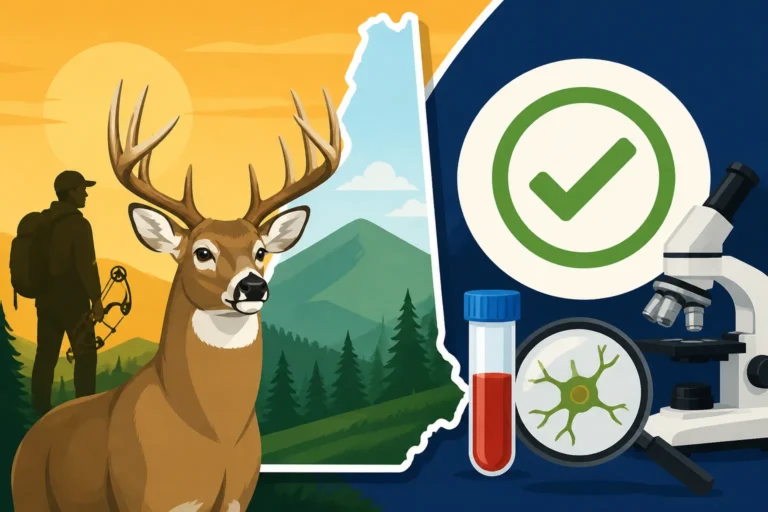
New Hampshire surveillance data and proactive management explain why state deer testing consistently returns clean results.
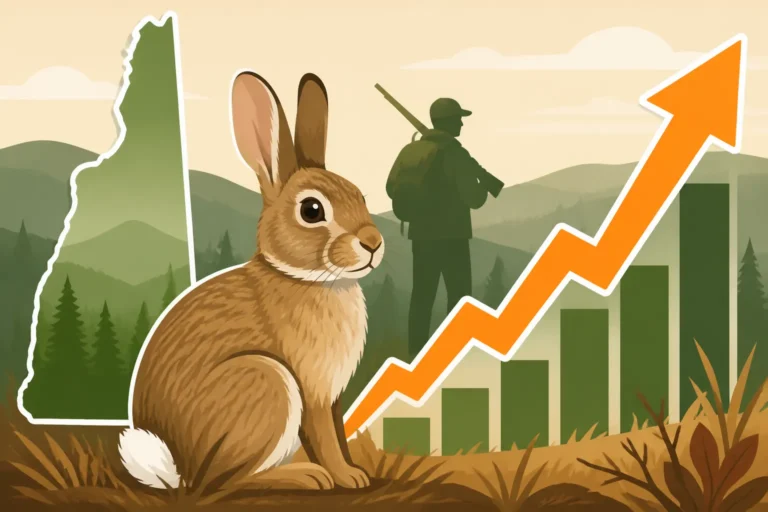
New Hampshire cottontail population trends, detailing the decline of the native New England species and introduced Eastern cottontails.