Hunting the Connecticut Lakes Region
Hunting the Connecticut Lakes Region details moose, black bears, deer, ruffed grouse, and snowshoe hare in New Hampshire.
Find ground you can hunt.
National forest, BLM, and state land — WMAs, walk-in programs, unit boundaries, access rules, and how to get permission on private ground.
Hunting the Connecticut Lakes Region details moose, black bears, deer, ruffed grouse, and snowshoe hare in New Hampshire.
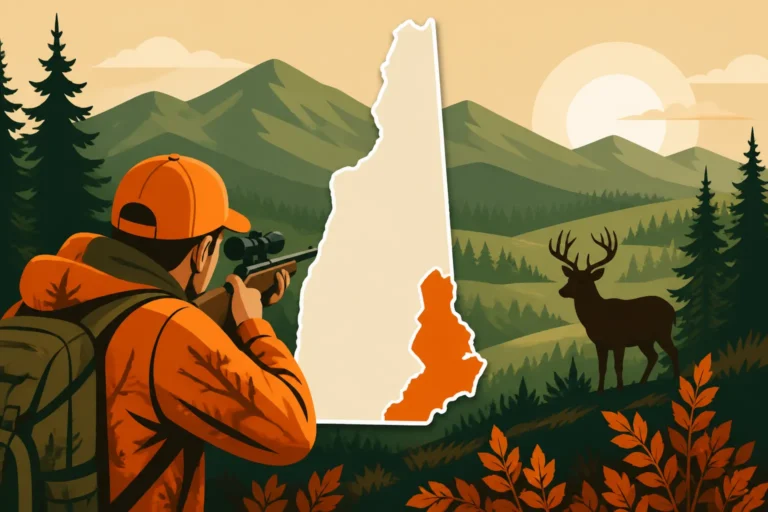
New Hampshire Wildlife Management Unit M hunting strategies help navigate fragmented private land and find white-tailed deer.
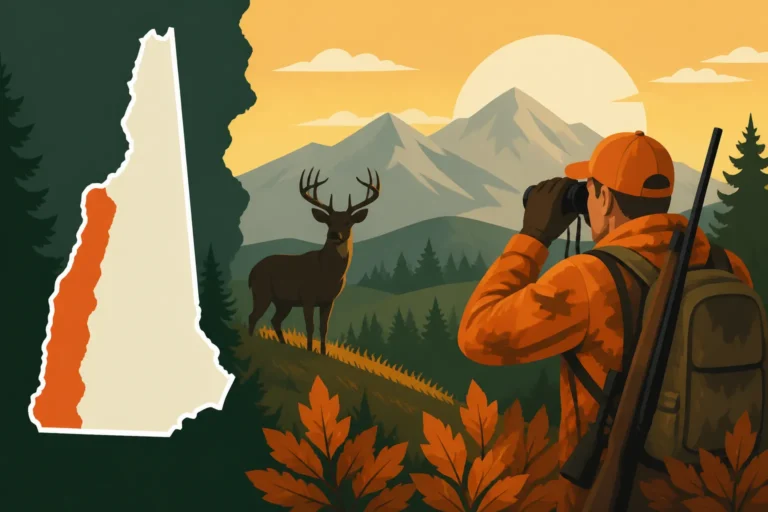
New Hampshire wildlife management unit L presents diverse terrain, access puzzles, and state borders influencing deer movement.
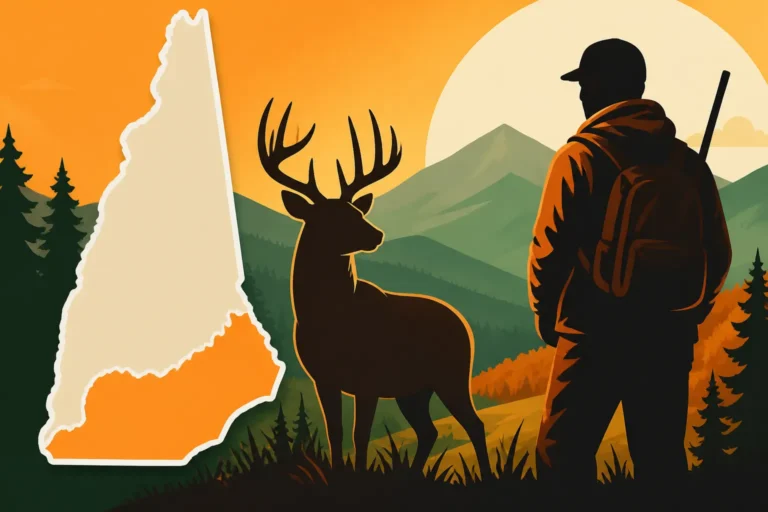
Hunting New Hampshire WMU K southern tier requires strategies for fragmented woodlots, agricultural lands, and pressured whitetail deer populations.
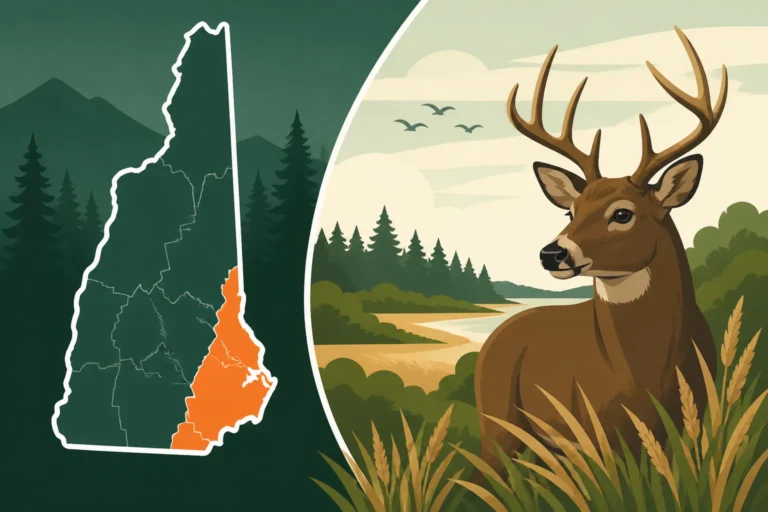
New Hampshire wildlife management unit J2 contains coastal plain habitats, tidal rivers, and strategies for regional game hunting.
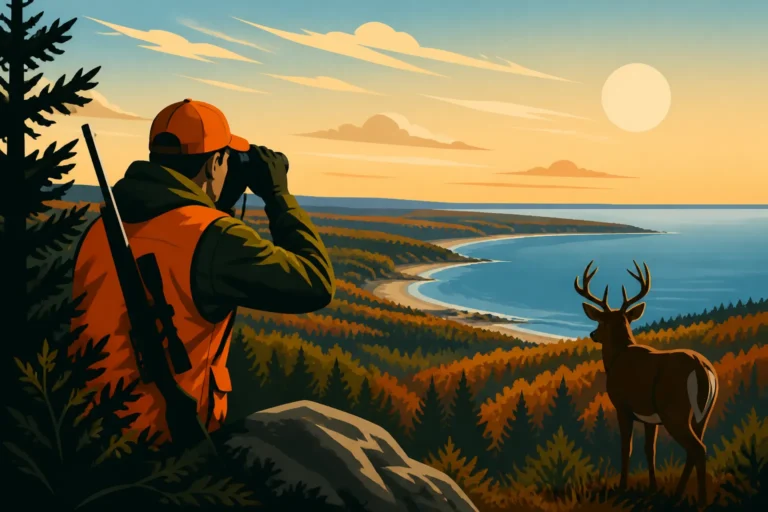
Hunting in New Hampshire wildlife management unit J1 explains terrain, game species, and strategies for suburban coastal areas.
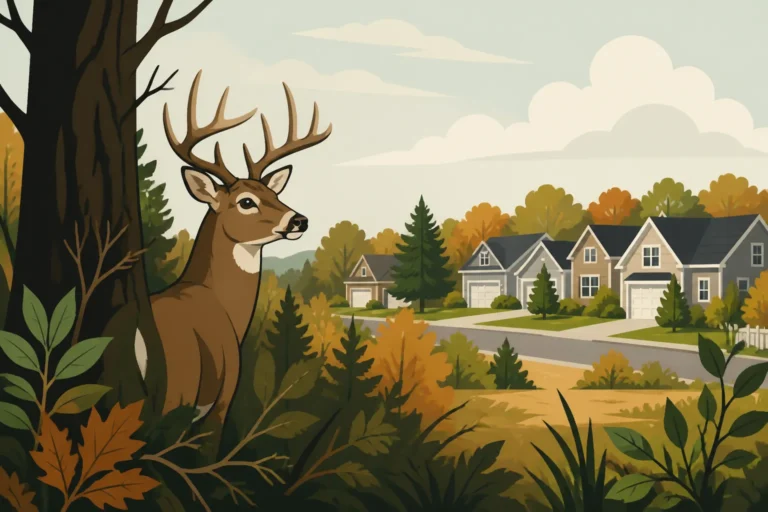
New Hampshire wildlife management unit I2 offers unique hunting challenges near homes, roads, and suburban transition zones.
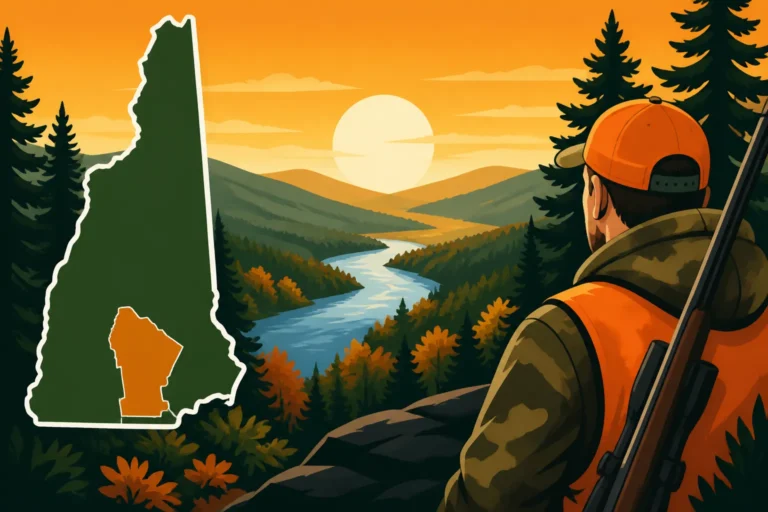
Wildlife Management Unit I1 in New Hampshire offers successful hunts across agricultural fields, forests, wetlands, and river corridors.
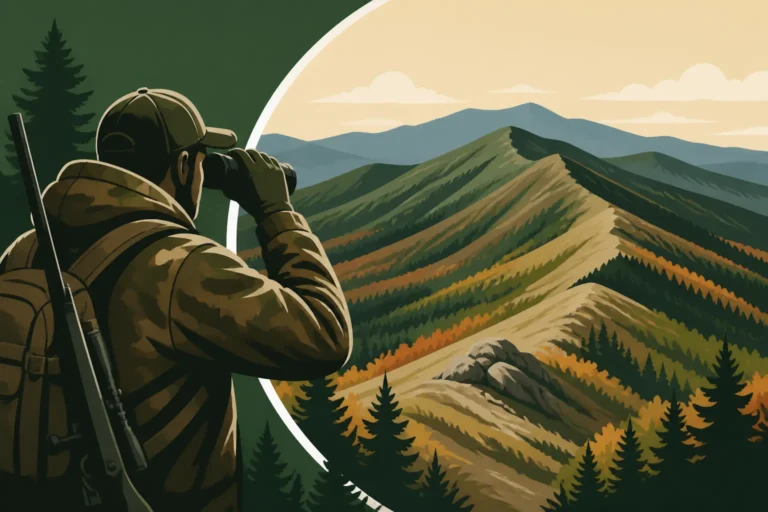
WMU H2 ridge country terrain features, granite geology, and vegetation patterns that dictate deer movement and hunting strategies.
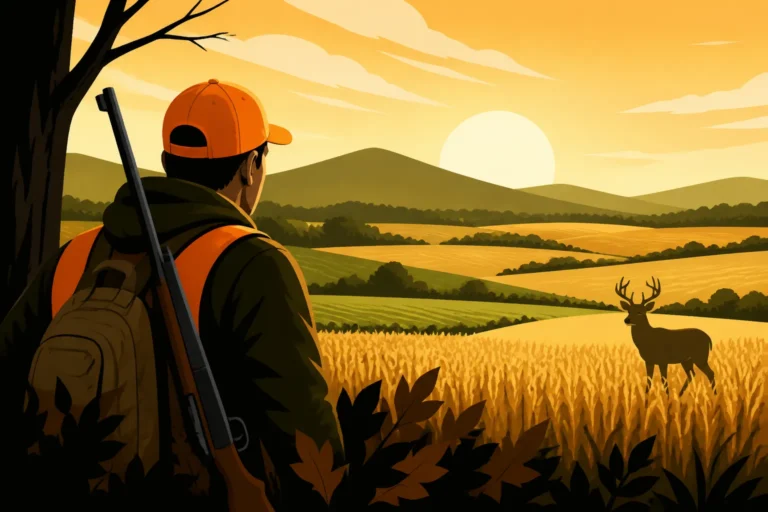
New Hampshire WMU H1 farmland deer hunting requires scouting fragmented cover, crop cycles, small woodlots, and thick briar patches.