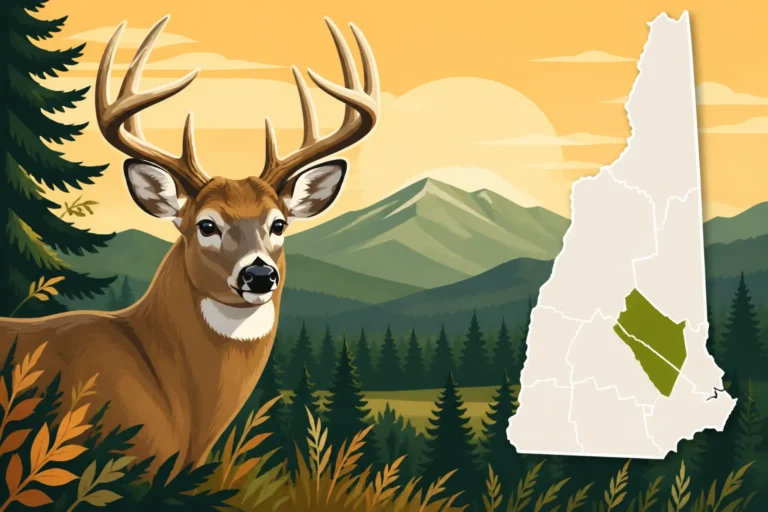
Southwest Hill Country Sits Inside WMU G
New Hampshire Wildlife Management Unit G terrain features, hardwood ridges, and weather patterns that influence hunting success.
Find ground you can hunt.
National forest, BLM, and state land — WMAs, walk-in programs, unit boundaries, access rules, and how to get permission on private ground.
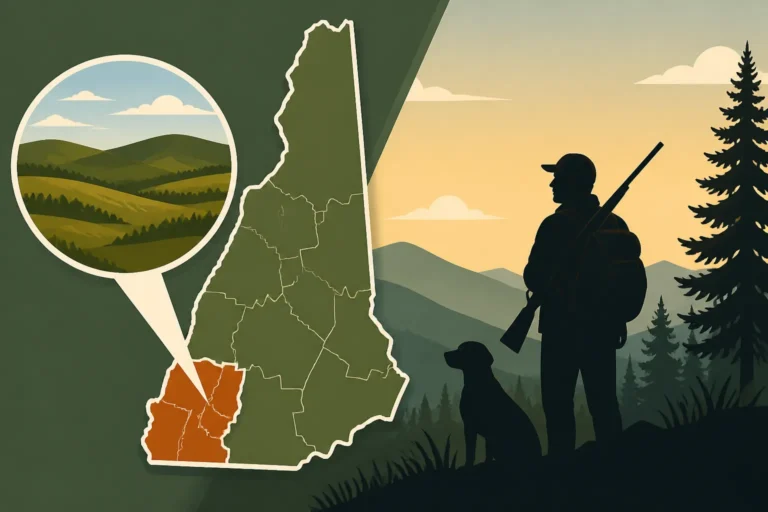
New Hampshire Wildlife Management Unit G terrain features, hardwood ridges, and weather patterns that influence hunting success.
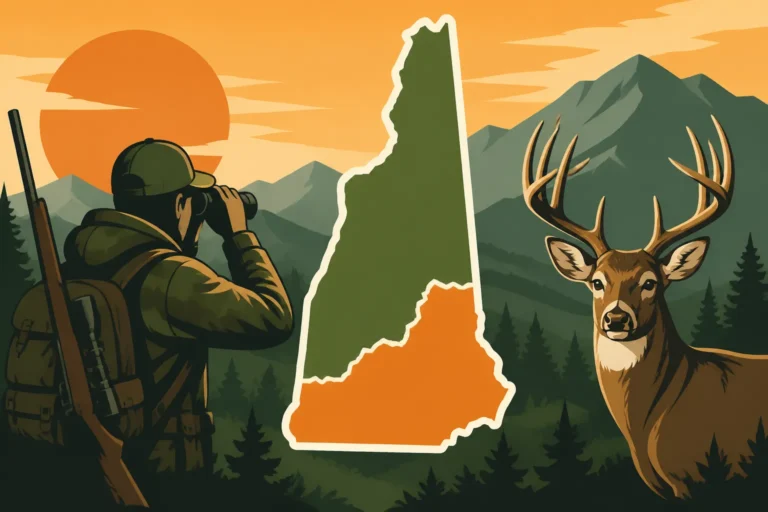
Hunting the New Hampshire Highlands requires strategies for rugged topography, dense timber, and difficult mountain weather conditions.

Wildlife Management Unit E in the White Mountains offers rugged terrain, public land access, and challenging big game hunting.

Hunting deer in the WMU D2 river valley requires strategies for tracking movement across agricultural fields and dense cover.
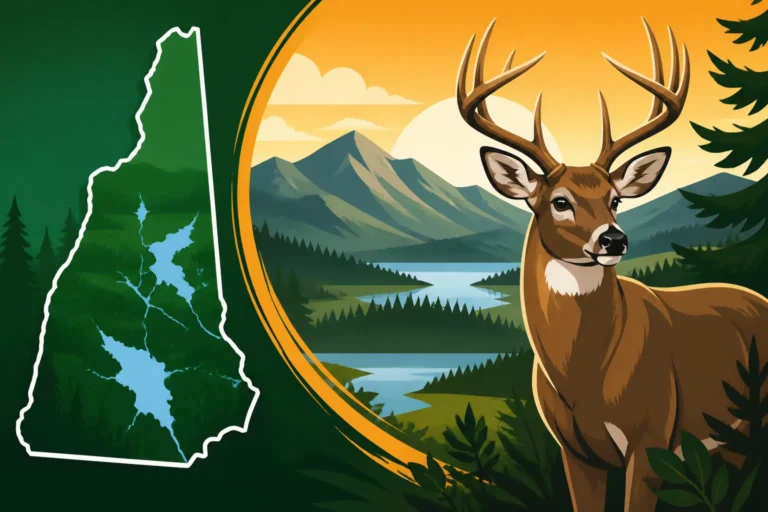
New Hampshire hunters learn how the Lakes Corridor fits inside Wildlife Management Unit D1 and shapes local hunting strategies.

Hunting the WMU C Foothills in New Hampshire provides actionable strategies for finding white-tailed deer and wild turkeys.
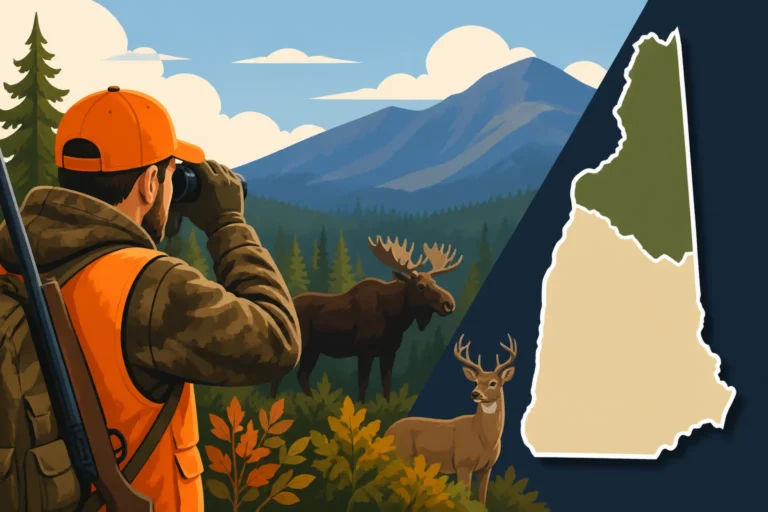
New Hampshire Wildlife Management Unit B features rugged forests, water features, deer, moose, and bear hunting opportunities.

Hunting Wildlife Management Unit A in New Hampshire requires mastering rugged terrain, unpredictable weather, and low deer densities.
Strafford County public land deer hunting offers fragmented parcels, high hunting pressure, and tactics for finding whitetails.

Rockingham County public hunting access strategies, state forests, and wildlife management areas for New Hampshire hunters.