Hunting the WMU F Highlands
Hunting the WMU F Highlands can feel like stepping into a whole different world compared to the rolling hills and farmlands of southern New Hampshire. The sheer scale, the steep ascents, the unpredictable weather, and the dense timber can leave you feeling overwhelmed, and honestly, a little intimidated, especially if you’re used to less demanding terrain. Many hunters dream of tagging a buck in this majestic, wild country, but the reality is that it takes a specific approach and a hefty dose of preparation to find success here. This guide is designed to help you unravel the mysteries of WMU F, giving you the insights and strategies you need to tackle its challenges head-on and increase your odds of a successful hunt.
Understanding WMU F: Terrain, Habitat, and Game
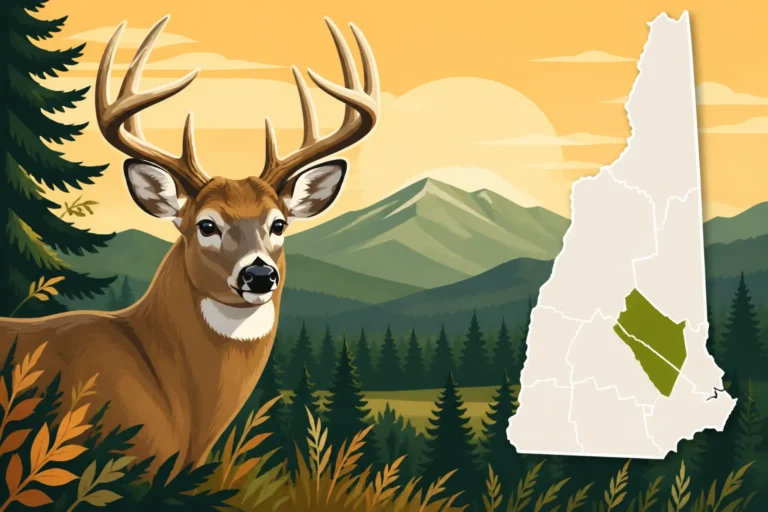
WMU F, often simply referred to as the Highlands or the White Mountain region, encompasses a significant portion of New Hampshire's rugged interior. This isn't your average woodlot hunt; it's a vast expanse of towering peaks, deep valleys, and dense, often unforgiving, forest. If you've ever felt dwarfed by the landscape, this is where it happens. The key to hunting here isn't just about finding deer; it's about understanding the very ground you walk on and how it dictates animal movement and survival.
The Rugged Topography and Varied Forest Cover
Imagine endless ridges and ravines, with elevation changes that can make a half-mile walk feel like a marathon. That's WMU F for you. The topography is dominated by the White Mountains, featuring granite outcrops, boulder fields, and steep, often rocky, slopes. Rivers and streams cut through the landscape, creating natural funnels and sometimes formidable barriers. It's a place where you gain and lose elevation constantly, and what looks like a short distance on a map can be hours of arduous trekking. Hunting the White Mountains High Country delves deeper into these specific challenges.
The forest cover is equally varied, ranging from mature hardwood stands in lower elevations and on southern-facing slopes to vast tracts of dense softwood, like spruce and fir, higher up and in shaded hollows. You’ll find pockets of thick young growth, often in areas that have been logged decades ago or hit by natural disturbances, offering vital bedding and browse. However, much of the timber is mature, offering good visibility in places but also presenting vast areas where deer can simply disappear. Navigating these varied conditions requires not just physical stamina but also a keen eye for changes in vegetation that might signify a deer travel corridor or a bedding area. The sheer density of some of these softwood thickets can be overwhelming, making still-hunting incredibly difficult and often pushing you to rely on more stationary tactics near known travel routes.
Primary Game Species and Their Highland Habits
While WMU F is home to various wildlife, deer, moose, and bear are the primary big game species hunters pursue here. However, their habits are distinctly shaped by this mountain environment.
White-tailed Deer: Unlike their southern counterparts that might spend time in agricultural fields, deer in WMU F are almost exclusively forest dwellers. They adapt to the rugged terrain by seeking out thermal cover in dense conifers during cold snaps, finding south-facing slopes for warmth, and utilizing sheltered valleys for bedding. Their diet often consists of browse from young trees and shrubs, acorns when available in hardwood pockets, and various forbs. They tend to travel along contours, subtle benches, and natural funnels like saddles between ridges. Reading a White Mountain Deer Yard explains how these animals use specific areas to survive harsh winters. Due to the lower deer density compared to other WMUs, every sign you find—every track, rub, or scrape—becomes incredibly valuable. The bucks here might not always carry the heavy racks of agricultural deer, but they are tough, wily, and hard-earned trophies.
Moose: WMU F also holds a population of moose, especially in the northern reaches and near wetland areas. These giants prefer the mixed forests, bogs, and regenerating clear-cuts that offer both food and cover. While a moose permit is drawn through a lottery, if you are lucky enough to secure one, WMU F offers true wilderness hunting. They often use old logging roads and wet areas for travel, making these spots prime locations to key in on. Moose Hunting New Hampshire's North Country offers further insights into this incredible pursuit.
Black Bear: Bear are abundant throughout WMU F, finding refuge in the vast timber and foraging on berries, nuts, and insect larvae. They are incredibly adaptable and can be found almost anywhere there's good cover and food. Hunting bear here, whether by baiting, hounds, or still-hunting, offers a unique challenge. Their movements are often dictated by seasonal food sources, so understanding what they're eating and where is paramount. The dense cover also means many bear encounters are at close range, requiring quick decision-making and preparedness.
Strategic Approaches for Hunting the WMU F Landscape
Hunting in the WMU F Highlands demands a different mindset and a robust set of strategies. You can't just wander in and expect success; this country rewards careful planning, persistent effort, and a willingness to adapt. The scale of the landscape means you need to be efficient with your time and energy, focusing on high-percentage areas and understanding how the animals utilize the terrain.
Mastering Scouting and E-Scouting for the Highlands
Before you even step foot in the woods, thorough e-scouting is your best friend in WMU F. Digital mapping tools like onX Hunt or GoHunt are invaluable for identifying promising areas. Start by looking for changes in elevation, saddles, benches, and funnels between distinct habitat types. Pay close attention to south-facing slopes for wintering areas and early season food sources, and identify potential bedding areas in dense softwood thickets or on secluded benches. Look for access points, old logging roads (even overgrown ones), and hiking trails that might provide a way into deeper country. Reading Aerial Photos for North Country Deer can teach you how to decipher these visual clues.
Once you have a few spots picked out, it's time for boots-on-the-ground scouting, ideally outside of hunting season. This isn't just a walk in the park; it's an intense recon mission. You're looking for fresh sign: rubs, scrapes, tracks, and droppings. Identify common travel routes that connect bedding to feeding areas. Pay attention to how wind and thermals will affect these routes. Because the terrain is so unforgiving, finding small pockets of prime habitat – a cluster of oak trees, a specific dense thicket, a secluded bench – is crucial. These are the spots deer will gravitate to, even in vast timber. Don't be afraid to put in the miles; the more intimately you know the landscape, the better your chances when the season opens. Shed Hunting on New Hampshire Public Land can also be a fantastic way to scout post-season and learn about buck habits in the area.
Adapting Your Hunting Methods to Mountainous Terrain
The tactics you use in flatland woods often need significant adjustment for WMU F. Still-hunting, while possible, is incredibly challenging in thick, steep terrain. Every step on rocky ground or over downed logs can betray your presence. Instead, focusing on pinch points, saddles, and benches where deer are naturally funneled can be more effective.
Stand Hunting: If you're going to use a treestand or ground blind, strategic placement is everything. Focus on primary travel corridors between known bedding and feeding areas. Consider funnels created by sharp changes in elevation, water features, or dense cover. Remember that Wind and Thermals in Steep Granite Terrain will play a massive role in how deer move and how your scent travels. Always hunt with the wind in mind, understanding that thermals in mountainous regions will typically drop in the morning and rise in the afternoon. Early morning sits in low saddles or creek bottoms can be productive as deer move off feeding areas, while evening hunts on benches or near food sources on higher ground can also be good. Portable climbing stands are ideal for this country, allowing you to adapt to new sign quickly without leaving permanent structures on public land.
Still-Hunting and Drives: For those who prefer to keep moving, still-hunting slowly and deliberately along contours or old logging roads, often requires a different pace. It's about taking five steps, then stopping for five minutes, carefully scanning ahead. Use binoculars not just for distance, but to pick apart cover just 50 yards in front of you. When the snow flies, Tracking a Deer in Fresh White Mountain Snow becomes a highly effective, albeit physically demanding, method. Drives, if conducted safely with a small group, can also be effective in certain areas, pushing deer from thick cover towards standers positioned on known escape routes or saddles. Always prioritize safety, communication, and clear shooting lanes in this environment.
Essential Gear and Critical Planning for a WMU F Expedition
Hunting in the WMU F Highlands isn't just a physical challenge; it's a gear challenge. The right equipment can make the difference between a successful, safe hunt and a miserable, potentially dangerous one. You're often miles from the nearest road, exposed to rapidly changing weather, and navigating rugged terrain. Skimping on preparation here is simply not an option.
Footwear, Layering, and Protection Against Highland Weather
Your feet are your most important asset in WMU F. Invest in high-quality, waterproof, ankle-supporting boots. They need to be durable enough to withstand sharp rocks, provide excellent traction on slippery surfaces, and offer comfort for miles of hiking. Boots for New Hampshire's White Mountain Granite Terrain are a necessity, not a luxury. Complement these with good wool socks to manage moisture and prevent blisters.
Layering is absolutely critical because the weather in the White Mountains can change dramatically within hours, even minutes. You might start a morning hunt in freezing temperatures in a valley, only to be sweating profusely while climbing a sunny slope by midday, then hit with a sudden cold rain or snow shower in the afternoon. A good layering system includes:
- Base layers: Moisture-wicking synthetics or merino wool to pull sweat away from your body.
- Mid-layers: Insulating fleece or puffy jackets for warmth.
- Outer shell: A waterproof and windproof jacket and pants to protect against the elements.
Always pack more layers than you think you’ll need, especially an extra dry base layer. Layering for New Hampshire's Cold Hunting Season provides a detailed breakdown of how to prepare for New Hampshire's fluctuating temperatures. Hypothermia is a real threat, even early in the season, if you get wet and the temperature drops.
| Item Type | Key Features for WMU F Highlands | Why it Matters |
|---|---|---|
| Boots | Waterproof, high ankle support, aggressive tread, durable materials, comfortable fit | Protects feet from rocks, moisture, prevents sprains, ensures comfort on long, steep treks. |
| Layers | Moisture-wicking base, insulating mid, waterproof/windproof outer shell, extra dry set | Adapts to rapid weather changes, manages sweat during exertion, prevents hypothermia from wetness/cold. |
| Backpack | Comfortable, well-fitting, sufficient capacity (30-50L day pack or larger for overnight), hydration compatible, load-bearing capability for game | Carries essential gear, food, water, extra layers, and helps distribute weight; crucial for packing out even small game or gear. |
| Navigation | GPS device/smartphone with mapping app (e.g., onX Hunt), compass, paper map, power bank | Prevents getting lost in vast, unmarked terrain, especially in poor visibility or at night. |
| First Aid | Comprehensive kit for cuts, blisters, sprains, emergencies | Self-reliance is paramount in remote areas where help is hours away. |
| Headlamp | Bright, long battery life, red light option | Essential for pre-dawn hikes, post-dusk recovery, setting up camp, or unexpected overnight stays. |
| Food & Water | High-energy snacks, water bladder/bottles, water filter/purifier | Sustains energy for demanding physical activity, prevents dehydration, and allows for extended stays in the field. |
| Communication | Satellite messenger/PLB, fully charged cell phone (for emergencies if service found) | Crucial for emergencies outside of cell service, providing peace of mind and a lifeline if things go wrong. |
Navigation, Communication, and Safety in Remote Backcountry
Getting lost in WMU F is a genuine concern, even for experienced hunters. Cell service is notoriously spotty or non-existent in much of the high country. Therefore, relying solely on your phone for navigation is a risky gamble. Always carry a dedicated GPS unit or a reliable smartphone app like onX Hunt with downloaded offline maps. Better yet, carry both, along with a physical compass and a waterproof paper map of the area. Know how to use them all. Best GPS App for New Hampshire Public Land can help you choose the right digital tool.
Safety should be your top priority. Always tell someone your exact hunting plan, including where you're going, your route, and when you expect to return. Consider carrying a personal locator beacon (PLB) or a satellite messenger like an inReach or Zoleo. These devices can send emergency messages or check-ins even when you have no cell service, which is incredibly reassuring in such remote country. Pack a comprehensive first-aid kit, a whistle, a fire-starting kit, and enough food and water for at least an extra day, just in case. The ability to build a shelter and start a fire in an emergency could save your life. In areas where moose or bear are prevalent, understanding how to react to an aggressive encounter is also important. This preparation isn't about being paranoid; it's about being realistic and responsible in challenging wilderness.
Accessing and Understanding Regulations within WMU F
Successfully hunting WMU F also means understanding the nuances of land access and the specific regulations that govern this region. It’s a mix of vast public lands and scattered private parcels, each with its own rules and considerations. Navigating these can be as challenging as the terrain itself.
Deciphering Public and Private Land Access
A significant portion of WMU F falls within the Hunting New Hampshire's White Mountain National Forest, offering vast tracts of public land accessible to hunters. This means you can often walk for miles without encountering private property lines, which is a huge draw for those seeking true wilderness experiences. However, even within the National Forest, there are rules regarding camping, vehicle use on forest roads, and where you can set up permanent stands. Always check the specific regulations for the National Forest before heading out.
Outside the National Forest boundaries, WMU F contains a mix of state forests, private timber company lands (some with public access agreements), and smaller private holdings. Using mapping tools like onX Hunt becomes critical here to clearly identify property boundaries and landowner information. While some private timber lands might permit hunting, always assume you need permission unless explicitly stated otherwise. Do You Need Written Permission in New Hampshire? covers the specifics of New Hampshire's trespass laws. Knocking on doors and asking for permission on smaller private tracts can sometimes yield excellent results, especially if you're respectful and offer to help with chores. However, expect to spend most of your time on public ground in WMU F.
Key Hunting Regulations and Special Considerations
Beyond general statewide regulations, WMU F has specific considerations due to its unique character. Always consult the most current New Hampshire Hunting Digest, as regulations can change. Pay close attention to season dates for deer, moose, and bear, which can sometimes vary slightly by WMU or method. New Hampshire's WMU-Based Deer Season Structure is a fundamental aspect of planning any hunt in the state.
Blaze Orange: During firearms season, the blaze orange requirements are critical for safety in this dense, mountainous terrain. Make sure you and your hunting partners are highly visible. This is not just a legal requirement but a life-saving practice in areas where visibility can be poor and hunters may be spread out.
Carcass Transportation: Given the remote nature of some hunts, particularly for moose or large deer, plan how you will recover and transport your game. This might involve quartering an animal in the field, using game bags, and having a suitable backpack frame or game cart (though carts are often impractical in much of WMU F's rugged terrain). Also, be aware of New Hampshire's CWD Prevention Rules regarding carcass transport, especially if you're traveling through or from other states. While New Hampshire has remained CWD-free, these regulations are designed to keep it that way and must be followed. Understanding the specific regulations for the WMU you're hunting in is paramount, as some rules, such as those regarding crossbow use, can vary by WMU. Which WMUs Allow Archery Crossbows illustrates how regulations are tailored to specific regions.
WMU F is a beast, no doubt about it. But with the right preparation, knowledge, and a healthy respect for the mountains, it offers some of the most challenging and ultimately rewarding hunting experiences New Hampshire has to offer. Good luck out there!
Disclaimer
This article is for general informational purposes only and does not constitute professional advice. Laws, prices and regulations vary by location and change over time. Consult a qualified professional for guidance on your specific situation.