The Lakes Corridor Falls Inside WMU D1
If you've ever cast a line into Lake Winnipesaukee or hiked the trails around Squam, you know the stunning beauty of New Hampshire's Lakes Region. But for hunters, this picturesque area holds a different kind of promise, and understanding its unique designation within the state's wildlife management framework is crucial. This guide is dedicated to shedding light on a specific aspect of this region for hunters: how the iconic Lakes Corridor fits squarely within Wildlife Management Unit (WMU) D1, and what that means for your hunting opportunities and strategies in this truly special part of the Granite State.
Understanding WMU D1 and the Lakes Corridor
Hunting in New Hampshire isn't just about grabbing your gear and heading into the woods; it's about understanding the lay of the land, and that includes grasping the state's Wildlife Management Unit (WMU) system. These units are more than just lines on a map; they represent distinct ecological zones with varying habitats, game populations, and often, specific regulations. For many, the Lakes Region is synonymous with vacation homes and recreational boating, but for hunters, WMU D1 and its "Lakes Corridor" offer unique challenges and rewards that demand a tailored approach.
Defining WMU D1's Boundaries
WMU D1 is a significant chunk of New Hampshire, encompassing a wide array of landscapes, but it's most defined by its central feature: the vast network of lakes and surrounding hills that give the region its name. From the bustling shores of Lake Winnipesaukee, the largest lake in the state, to the quieter coves of Squam Lake and countless smaller ponds, WMU D1 is undeniably shaped by water. Its boundaries generally stretch through parts of Belknap, Carroll, and Grafton counties, creating a diverse blend of topography.
Imagine tracing a line on a map that captures the heart of this region: you'd find bustling towns giving way to rural homesteads, dense softwood stands transitioning into mature hardwood ridges, and, of course, the ubiquitous presence of freshwater lakes and their tributaries. This mix means that while you might find typical forest hunting opportunities, you'll also encounter more developed areas and shoreline properties, which directly impacts access and hunting pressure. It’s a landscape that requires hunters to be particularly observant of their surroundings and respectful of private land.
This unit's unique geography, with its fragmented forest cover and abundant water, creates a mosaic of habitats that supports various game species differently than, say, the deep woods of the North Country or the expansive farmlands of the Connecticut River Valley. Understanding these specific local characteristics is the first step to becoming a successful hunter in WMU D1, and it means adapting your strategies to the realities of a more developed, yet still wild, environment.
The Lakes Corridor: A Distinctive Landscape
Within WMU D1, the "Lakes Corridor" refers to the immediate vicinity of these major water bodies, as well as the connecting rivers, streams, and wetlands. This isn't just some vague term; it describes a very real ecological and geographical phenomenon that dictates game movement and hunter access. The corridor acts as a natural funnel and sanctuary for wildlife, even amidst human activity. Deer, for instance, often use the edges of lakes and rivers as travel corridors, especially during the rut, or seek refuge in the dense, often difficult-to-access, shoreline cover.
The proximity of water creates microclimates and specific vegetation types that can differ significantly from inland areas. You'll find swampy lowlands, dense cedar bogs, and thickets along shorelines that offer excellent thermal cover and browse for deer and small game, particularly as winter approaches. This type of habitat can be incredibly challenging to hunt, often requiring specialized gear like waders or even a canoe for access, but it can also hold some of the biggest, most elusive animals. It truly embodies the idea of Hunting a Beaver Flowage Edge.
However, this distinctive landscape also comes with its challenges. Private land ownership is extensive around the major lakes, meaning that public access can be fragmented. Hunters often face the frustration of spotting game on posted land or realizing that a promising piece of cover is surrounded by no-trespassing signs. This reality makes careful scouting and understanding property boundaries, perhaps with the aid of apps like onX Hunt, absolutely essential for anyone planning a hunt in the Lakes Corridor. Without this careful preparation, you might spend more time navigating property lines than actually hunting.
Game Species and Hunting Opportunities in WMU D1
The Lakes Corridor within WMU D1 offers a surprisingly diverse range of hunting opportunities, but success often hinges on understanding how the local landscape influences game behavior and population dynamics. While the region might be famous for its human recreation, wildlife thrives in the pockets of wildness that remain, offering hunters a chance at everything from whitetails to waterfowl.
Whitetail Deer in a Lakes Region Setting
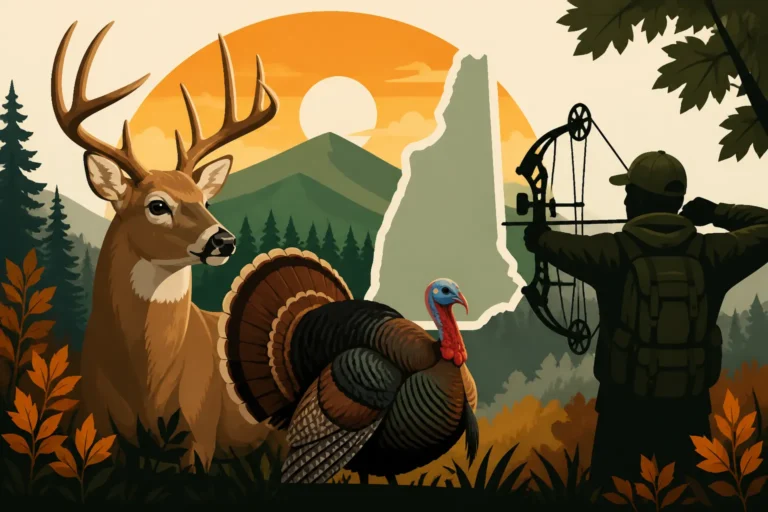
When we talk about White-Tailed Deer Across New Hampshire, the deer in WMU D1, especially within the Lakes Corridor, present a unique blend of characteristics. These deer often contend with fragmented habitat and increased human presence compared to their counterparts in more remote areas. This can make them incredibly wary, utilizing thick cover and moving predominantly at night or during twilight hours. They're often smaller-bodied than deer found in agricultural areas but can still produce impressive racks, especially if they've found consistent food sources and sanctuaries.
Hunting whitetails here requires a keen understanding of their movements along lake edges, connecting wetlands, and pockets of undeveloped land. Look for natural funnels created by the terrain and water features. A small strip of woods between a lake and a road, or a narrow peninsula, can be a goldmine for deer movement. During the rut, bucks will cruise these areas searching for does, making it a prime time to set up a stand near known travel routes. However, due to the prevalence of private land, access to these prime spots can be limited, demanding extensive scouting and permission-seeking efforts.
The season structure for deer in this WMU, much like the rest of the state, follows distinct phases, allowing for varied hunting methods. Whether you're targeting early archery opportunities or making a late-season sit, understanding how deer use the specific features of the Lakes Corridor—like dense cedar swamps or small hardwood ridges overlooking water—is paramount. Don't underestimate the challenge of Hunting a Funnel Between Two Woodlots when one of those "woodlots" is bordered by open water.
Turkey and Small Game Prospects
WMU D1 is not just about deer; it also holds excellent opportunities for Wild Turkeys in New Hampshire. The mix of agricultural fields, mature hardwoods, and open woodlands found around the lakes provides ideal turkey habitat. In the spring, gobblers will announce their presence with booming calls echoing across the quiet morning water, often roosting in tall pines along the shoreline or on prominent hardwood ridges. These birds are often accustomed to some level of human activity, but that doesn't make them easy targets; they can be incredibly wary and will quickly pick up on any unnatural movement or sound.
For fall turkey hunting, the challenge shifts to locating flocks that have dispersed after the breeding season. They'll often feed in oak flats or along the edges of fields, especially those near water sources. A successful fall hunt might involve "breaking up a flock" and calling individual birds back, a technique that requires patience and a good understanding of turkey vocalizations. Don't forget the importance of scouting beforehand, using tools like GoHunt to analyze historical harvest data or identify areas with consistent turkey activity.
Beyond turkeys, WMU D1 also offers solid prospects for New Hampshire Small Game and Furbearers. Squirrels are abundant in the hardwood forests, especially in areas with mature oak and beech trees. Rabbit populations can be found in brushy clearcuts, regenerating timber, or thickets along wetlands. These hunts are often more accessible and less dependent on large tracts of private land, making them great options for new hunters or those looking for a more relaxed outing. The ability to find consistent food sources, often found near the rich soils of lakebeds and stream bottoms, keeps these populations thriving.
Predator and Waterfowl Possibilities
While often overlooked in this region, WMU D1, with its varied terrain and dense pockets of cover, provides habitat for coyotes and other predators. Coyotes and Predators in New Hampshire are adaptable creatures that thrive in diverse environments, including those with a mix of development and wild spaces. Calling coyotes in the early morning or late evening, especially around areas where deer or small game are abundant, can be a thrilling and challenging hunt. The fringes of farm fields, brushy stream bottoms, and thick stands of pines near residential areas are all potential hotspots for these wary animals.
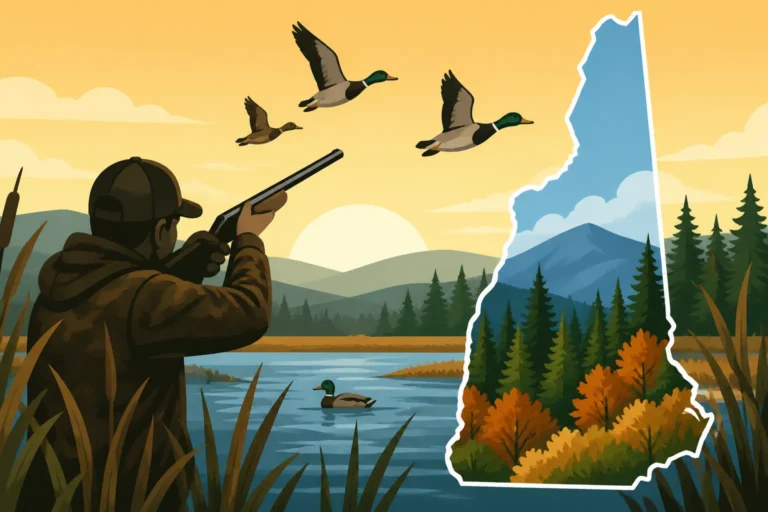
The Lakes Corridor's abundant water also means excellent New Hampshire Waterfowl on the Atlantic Flyway opportunities. While not as vast as the Connecticut River or coastal marshes, the numerous lakes, ponds, and connecting rivers in WMU D1 serve as important stopovers and breeding grounds for ducks and geese. Mallards, wood ducks, and even Canada geese can be found in good numbers, especially during the migration. Setting up decoys on a quiet cove or jump-shooting a small pond or river stretch can yield rewarding results.
Table: Primary Game Species and Their Habitat Preferences in WMU D1
| Game Species | Preferred Habitat in WMU D1 | Key Hunting Considerations |
|---|---|---|
| Whitetail Deer | Dense cedar swamps, hardwood ridges, lake edges, thickets | Highly pressured, utilize thick cover and nocturnal movement. Focus on funnels and corridors. |
| Wild Turkey | Mature hardwoods, oak flats, field edges near water, roosts in tall pines | Spring gobblers vocal along shorelines; fall flocks disperse to food sources. Use calling and scouting. |
| Squirrels | Mature oak and beech forests, dense conifer stands | Abundant, look for mast crops. Often less pressured than deer. |
| Rabbits | Brushy clearcuts, regenerating timber, wetland thickets | Good numbers in specific pockets. Ideal for small game hunters with dogs. |
| Coyotes | Fringes of farm fields, dense cover, stream bottoms | Wary and adaptable. Calling at dawn/dusk, focus on areas with abundant deer/small game. |
| Waterfowl | Lakes, ponds, rivers, small marshes, flooded timber | Mallards, wood ducks, geese. Decoying or jump-shooting in coves and river stretches. |
Navigating WMU D1: Public Access and Hunting Strategies
Hunting in WMU D1 and the Lakes Corridor is a unique experience that combines classic New England hunting challenges with the complexities of a more populated region. Success here isn't just about knowing your species; it's about shrewd strategy, careful planning, and a deep respect for the land and its landowners.
Public and Private Land Dynamics
One of the biggest hurdles for hunters in WMU D1 is the prevalence of private land. While New Hampshire boasts a good amount of Public Hunting Land in New Hampshire overall, finding extensive, contiguous public tracts in the immediate Lakes Corridor can be a challenge. The shorelines of the major lakes are often lined with private residences, and even further inland, large parcels are privately owned. This means that hunters must be extra diligent in identifying legal access points and securing permission before venturing out.
Mapping applications like onX Hunt are absolutely indispensable in this region. They allow you to clearly see property lines, identify landowners, and differentiate between public and private holdings. Before you even leave home, you can spend hours Scouting New Hampshire Public Land Before Season from your computer or phone, marking potential access points and identifying corridors that might be open for hunting. This digital reconnaissance can save you countless hours of walking and prevent inadvertent trespassing, which is a big deal in a place where properties can be small and boundaries sometimes unclear.
When public land is available, it's often in the form of smaller state forests, town forests, or conservation easements. These parcels might not be vast, but they can be incredibly productive if you learn how to hunt them effectively. Focus on finding sections that are harder to access, perhaps a bit further off the beaten path, as these areas often hold less pressure. Don't be afraid to Knocking on Doors in New Hampshire Farm Country to ask for permission; a friendly, respectful approach can open up some fantastic private land opportunities, especially if you offer to help with chores or share some venison.
Strategic Considerations for Success
Given the challenges of fragmented habitat and human presence, hunters in WMU D1 need to be strategic. Deer, in particular, will become largely nocturnal in areas with high human activity, so focusing your efforts during the low light hours of dawn and dusk is paramount. Pay close attention to subtle terrain features that create natural funnels or pinch points, like a narrow strip of hardwoods between two houses or a small wooded peninsula jutting into a lake. These are often high-traffic zones for deer moving between bedding and feeding areas.
Wind and thermals are also critical, especially if you're hunting in hilly or mountainous terrain that often borders the lakes. In the mornings, cold air will typically drain down into valleys and low-lying areas, while in the evenings, warm air will rise. Understanding these patterns is essential for staying undetected. Using a mapping app can also help you identify topographical features like saddles or benches where deer might travel or bed down. Hanging a Stand on a Granite Ridge overlooking a natural bottleneck can be incredibly effective, but only if your wind is right.
For those interested in waterfowl, Decoying Ducks on New Hampshire's Connecticut River provides insight into how to set up successful spreads, a strategy that can be adapted for the lakes and ponds of WMU D1. Consider small, portable decoy spreads that can be deployed quickly and quietly in out-of-the-way coves or along marshy shorelines. Early morning is key, as birds will be moving from roosting to feeding areas. Don't overlook the smaller, less obvious water bodies; they often receive less pressure and hold good numbers of birds.
Essential Gear and Tools for WMU D1
Hunting in WMU D1 requires gear that is versatile and adaptable to the varied conditions. You'll move from dense woods to open fields, and potentially through marshy areas or shallow water. Good quality, waterproof boots are non-negotiable, particularly if you plan on exploring any of the wetland edges. If you anticipate crossing shallow streams or hunting beaver flowages, a good pair of chest waders might be a smart investment.
Optics are also vital. While you might not be making extreme long-range shots as in open country, binoculars are crucial for scanning thick cover, identifying game at first light, and confirming property lines. A reliable rangefinder is also a good idea, as shot distances can vary greatly from tight timber to open field edges. For detailed map work and navigating property boundaries, a premium GPS unit or a robust mapping app on your phone, like onX Hunt or GoHunt, is essential. These tools not only show you where you are but can also help you identify areas of public access, landowner information, and detailed topographical features.
Finally, consider the seasonal weather. New Hampshire's hunting seasons stretch from early fall into early winter, meaning you could encounter anything from mild, rainy days to bitter cold and snow. Layering clothing is key to staying comfortable and focused. Be sure to carry adequate blaze orange during the firearms season, and always have a well-stocked pack with essentials like water, snacks, a first-aid kit, and a headlamp for those inevitable walks out after dark. Planning your gear around the specific demands of the Lakes Corridor will make your hunt safer and more enjoyable.
Disclaimer
This article is for general informational purposes only and does not constitute professional advice. Laws, prices and regulations vary by location and change over time. Consult a qualified professional for guidance on your specific situation.