Hunting New Hampshire’s Great North Woods Region
Hunting New Hampshire's Great North Woods region is an endeavor that truly tests a hunter's mettle. This isn't your average woodlot hunt; it's a vast, rugged expanse where the moose roam free, the deer are wild and wary, and the terrain demands respect. Many folks dream of chasing big game in a place that feels untouched, but the sheer scale and remoteness of the North Woods can feel utterly overwhelming when you first look at a map. This guide is here to unravel the mysteries of hunting this incredible landscape, sharing practical advice and insights to help you plan your adventure, understand the game, and navigate the challenges of New Hampshire's wildest corner.
Unveiling the Wild Heart of New Hampshire: The Great North Woods
When we talk about the Great North Woods, we're not just talking about a larger patch of trees. We're talking about a distinct ecological and geographical region that feels a world away from the more populated southern parts of New Hampshire. It's an area defined by its massive timber tracts, sprawling bogs, numerous lakes and rivers, and towering peaks that aren't quite as dramatic as the Whites but are no less challenging. This is where the term "big woods" truly applies, and it impacts everything from the wildlife behavior to the strategies you'll need to employ.
Defining the Region's Rugged Beauty
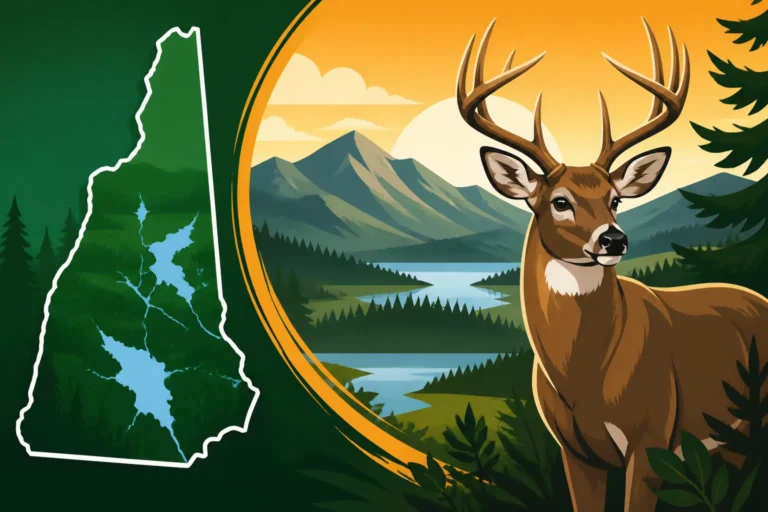
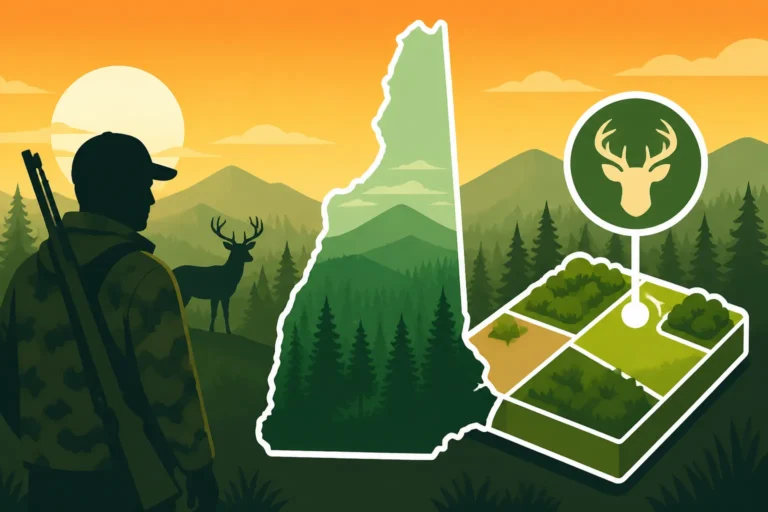
Geographically, the Great North Woods largely encompasses Coos County, stretching from the northern reaches of the White Mountain National Forest all the way to the Canadian border. Think vast, unfragmented forests of spruce, fir, and mixed hardwoods, interspersed with wetlands, remote ponds, and the headwaters of major rivers. Elevations vary dramatically, from the low-lying bogs and river valleys to significant mountain ranges. It's a land shaped by glaciers, creating a tapestry of steep ridges, deep ravines, and countless drainage systems. This ruggedness means slower travel, tougher hauling, and often, much more physical exertion than you might be used to.
The beauty here is raw and untamed. You'll find yourself immersed in true wilderness, often without cell service for miles, relying entirely on your skills and preparation. The quiet is profound, broken only by the rustle of leaves, the call of a raven, or perhaps the distant bugle of a bull moose. It's a place where the landscape itself can be a formidable challenge, but also where the rewards of a truly wild experience are unparalleled.
General Hunting Vibe and Expectations
The hunting vibe in the North Woods is different. It's less about cultivated food plots and high deer densities, and more about covering ground, understanding vast wilderness patterns, and being ready for a true backcountry experience. You'll encounter fewer hunters, especially once you get away from main roads, but those you do meet are generally seasoned and respectful of the wild. Success rates might not be as high as in agricultural areas, but the quality of the experience — and the challenge — is what draws people in.
Expect long days, tough climbs, and the need for self-sufficiency. This isn't a hunt where you pop into a local diner for breakfast before hitting a stand an hour before legal light. Often, you're packing in food, water, and emergency gear, and your truck might be miles from where you actually start hunting. Planning is paramount, from understanding the weather patterns to having robust mapping solutions like onX Hunt downloaded offline, because relying on a signal out here is a fool's errand. It's a physical and mental test, but for those who embrace it, it's deeply rewarding.
The Landscape's Influence on Wildlife
The vast, continuous forest of the Great North Woods dictates how game animals live and move. Deer, while present, often exist at lower densities than in southern New Hampshire. They are true forest deer, elusive and masters of using the thick cover to their advantage. Their patterns are less tied to agricultural fields and more to natural browse, regenerating clear-cuts, and the deep cover of softwood thickets. White-Tailed Deer Across New Hampshire offers a broader perspective, but in the North Woods, these animals adapt to the intense winters and limited food sources, often meaning smaller body sizes but incredible resilience.
Moose, of course, thrive here, finding ideal habitat in the mix of mature timber, regenerating clearings, and abundant wetlands. Their movements are tied to browse availability and thermal cover, especially during the breeding season. Bears also find sanctuary in the extensive forests, utilizing everything from berry patches in open clearings to dense swamps for denning. Understanding how these animals utilize such a sprawling, undomesticated landscape is critical to finding success.
Prime Targets: Game Species of the North Woods
The Great North Woods offers a diverse array of hunting opportunities, but for many, it's the chance at big game that truly calls them north. The vastness of the habitat means that while animals might be spread out, those you encounter are often truly wild and present a unique challenge.
Chasing Whitetails in the Big Timber
Hunting whitetails in the North Woods isn't about sitting over a suburban food plot. These deer are often smaller-bodied than their southern counterparts, but they're incredibly intelligent and tough. They live in thick cover, moving through dense spruce and fir stands, or utilizing the edges of regenerating clear-cuts for browse. Success often comes down to covering ground, finding fresh sign, and understanding how these deer adapt to deep snow and severe winters.
Look for areas with diverse forage, like recent timber harvests or old apple orchards, which might be few and far between but are absolute magnets when you find them. Tracking in fresh snow can be a highly effective method here, as the deep woods lend themselves to patient still-hunting. Don't expect to see dozens of deer; focus on finding a few key travel corridors or bedding areas and hunting them thoroughly.
The Elusive North Country Moose
For many, the North Woods is synonymous with moose hunting. Drawing a coveted New Hampshire moose permit is a once-in-a-lifetime opportunity for many, and the North Country is where these magnificent animals truly call home. These aren't just big deer; they're massive, powerful creatures that can disappear into the densest cover as if they were ghosts.
Moose prefer areas with a mix of mature timber for cover and regenerating clearings or wetlands for browse. Focus your efforts around beaver flows, wet swampy areas, and recent logging operations where new growth provides abundant food. Calling, especially during the rut, can be incredibly effective, drawing a bull out of thick cover. Be prepared for a physically demanding hunt, as getting a moose out of the North Woods often involves significant effort and planning, as detailed in Packing for a Nine-Day Moose Hunt and Moose Hunting New Hampshire's North Country.
Encountering New Hampshire's Black Bears
The Great North Woods provides prime habitat for black bears, with its vast forested acreage offering ample food and cover. Bear hunting here can be pursued through various methods, including baiting, hound hunting, and still-hunting or spot-and-stalk. Each method has its own set of rules and nuances depending on the specific WMU and season dates. Bear Hunting New Hampshire's Bait and Hound Season can give you a deeper dive into the specific regulations.
If you're still-hunting, focus on areas with abundant natural food sources like berry patches (blueberries, raspberries, blackberries), beech nut ridges, or oak flats if you can find them. Bears are always on the move, constantly foraging, so understanding their seasonal food preferences is key. For those utilizing bait, site selection is critical, often needing to be in remote, secluded locations away from human activity to attract and hold bears.
Small Game and Upland Birds
Beyond the big game, the North Woods also offers excellent opportunities for small game and upland birds. Snowshoe hare thrive in the dense conifer stands and regenerating clear-cuts, providing fast-paced action, especially in winter when tracking in snow is possible. Ruffed grouse and woodcock can be found in appropriate cover, with grouse preferring mixed woods with old logging roads and woodcock favoring moist, young forest habitats.
Hunting these species can be a great way to explore the vast timberlands and often provides a welcome change of pace from big game pursuits. Bring a good bird dog if you have one, as it can significantly increase your success and enjoyment in flushing these elusive birds from the dense North Woods cover.
Navigating the Vast Public Lands of the North Woods
One of the greatest appeals of hunting the Great North Woods is the sheer amount of public land available. Unlike many other regions, you don't have to scramble for small private parcels; here, you have massive tracts of contiguous forest to explore. However, this vastness also presents challenges in terms of navigation, access, and understanding specific regulations.
White Mountain National Forest: Your Grand Playground
A significant portion of the southern Great North Woods overlaps with the White Mountain National Forest (WMNF). This sprawling federal land offers incredible hunting opportunities, but it comes with its own set of rules and access points. While often associated with the high peaks, the northern reaches of the WMNF extend into prime North Woods habitat, featuring dense timber, remote drainages, and less-traveled areas.
Access can range from well-maintained forest roads to barely discernible logging trails. It's crucial to consult WMNF maps and regulations, as some wilderness areas may have restrictions on motorized vehicles or even specific camping rules that impact hunting camps. Hunting New Hampshire's White Mountain National Forest provides a more detailed look at navigating this unique landscape. Utilizing mapping apps like onX Hunt, with its public land boundaries and forest service roads clearly marked, becomes an indispensable tool here, especially when you're deep in the backcountry with no cell signal.
State Forests and Wildlife Management Areas
New Hampshire also boasts several state forests and Wildlife Management Areas (WMAs) in the North Woods region. These areas are specifically managed for wildlife and public recreation, often providing excellent habitat for a variety of game. While perhaps not as vast as the WMNF, they can be more accessible and sometimes offer higher densities of certain game species due to targeted habitat management.
Check the New Hampshire Fish and Game Department's website for specific WMAs in Coos County. These might include properties managed for moose browse, ruffed grouse habitat, or wetlands that attract waterfowl. Understanding the specific management goals of each WMA can give you a huge advantage in targeting particular species. Always double-check WMA-specific rules, as some may have restrictions on certain activities or vehicle access.
Exclusive Opportunities: Second College Grant and Connecticut Lakes Headwaters
Beyond the federal and state lands, the North Woods offers some unique, large, privately-owned but publicly accessible tracts. The Second College Grant, owned by Dartmouth College, is a prime example. This immense, privately managed forest opens its gates to public hunting, fishing, and recreation, but typically requires a permit fee. It's a true working forest, meaning you'll encounter active logging operations, which can be both a blessing (new browse, improved access via logging roads) and a challenge (noise, restricted areas). This type of land offers an incredible, truly wild experience that rivals any public land, but requires understanding its specific access and permitting system. Hunting the Second College Grant delves into this unique opportunity.
Similarly, the Connecticut Lakes Headwaters property, a vast conservation easement, offers public access for hunting, fishing, and recreation. This area, particularly in the furthest northern reaches, is renowned for its moose and bear populations, as well as being a pristine cold-water fishery. Like the Second College Grant, it’s a mosaic of working forest and preserved wilderness, offering distinct hunting opportunities. Hunting the Connecticut Lakes Region will give you more context on this beautiful and productive area. For both of these, knowing the current land manager's specific rules and obtaining any required permits is non-negotiable.
Permitted Use and Access Road Considerations
When exploring these vast North Woods properties, understanding permitted use and access roads is critical. Many logging roads, especially on private timber company lands (even those with public access agreements), may be gated or restricted to certain vehicle types. Some roads are only open during specific times of the year, often closing during mud season or after heavy snow. Always look for signage and respect private property boundaries. This is where a reliable GPS unit or mapping app like GoHunt, with its detailed public and private land layers, becomes absolutely essential. It can prevent accidental trespassing and help you understand the vast mosaic of land ownership in the North Country.
Table: Major Public/Accessible Hunting Areas in New Hampshire's North Woods
| Area Name | Ownership/Management | Primary Game Species | Key Features / Considerations |
|---|---|---|---|
| White Mountain National Forest | US Forest Service | Deer, Moose, Bear, Grouse, Hare | Rugged, vast, remote, wilderness areas, varying access rules. |
| Second College Grant | Dartmouth College (Permit Req.) | Moose, Deer, Bear, Grouse | Managed timber, active logging, remote, pay-to-play access. |
| Connecticut Lakes Headwaters | The Nature Conservancy/Private | Moose, Bear, Deer, Grouse | Remote, pristine, high moose density, conservation easement rules. |
| Nash Bog Wildlife Mgmt. Area | NH Fish & Game | Moose, Waterfowl, Hare | Extensive wetlands, excellent moose/waterfowl habitat. |
| Pondicherry WMA | NH Fish & Game (and others) | Waterfowl, Moose, Deer | Wetland complex, bird watching focus, some hunting restrictions. |
Essential Strategies for North Woods Success
Hunting the Great North Woods requires a different approach than hunting smaller, more fragmented landscapes. The sheer scale demands patience, physical endurance, and a deep understanding of animal behavior in truly wild settings.
Mastering Still-Hunting and Scouting
Still-hunting is perhaps the most effective method for pursuing deer and even bears in the dense North Woods. It involves moving slowly, deliberately, and quietly through the woods, stopping frequently to scan, listen, and observe. You're not just walking; you're hunting every step, trying to spot a flick of an ear, a patch of hide, or a subtle movement before the animal sees you. This technique demands exceptional stealth and a keen eye for detail. When Reading Aerial Photos for North Country Deer, look for subtle changes in cover, small clearings, or old logging roads that might concentrate deer movement.
Scouting is an ongoing process here, not just something you do before the season. With such vast acreage, you're constantly evaluating sign, mapping out new areas, and looking for patterns. Fresh tracks in mud, rubbed saplings, well-used game trails, and droppings are your bread and butter. Focus on finding micro-habitats within the large forest that offer food, water, and bedding cover in close proximity. This might be a small bog, a dense spruce thicket on a ridge, or a cluster of beech trees dropping nuts.
Calling and Decoying in Remote Terrain
Calling can be incredibly effective in the North Woods, especially for moose during the rut and for turkeys in the spring and fall. A cow moose call can draw a bull in from a surprising distance, and the deep timber can make it hard for them to pinpoint your exact location, often bringing them closer to investigate. Similarly, understanding how to use various turkey calls, from gobbler yelps to hen clucks and purrs, can draw in wary birds.
Decoying is less common for deer in the deep woods compared to open fields, but can be powerful for moose and turkeys. For moose, a silhouette decoy can offer a visual reassurance to a cautious bull. For turkeys, strategically placed hen and jake decoys can complete the illusion and draw a gobbler into range. The remoteness of the North Woods means less pressured animals, which can sometimes respond more readily to calls and decoys, but it also means carrying extra gear deeper into the woods.
Stand Placement in Big Woods
While spot-and-stalk or still-hunting is often dominant, strategic stand placement still has its place, particularly for deer and bear. In the North Woods, stand locations are usually dictated by natural funnels, pinch points, and major travel corridors between food and bedding areas. A saddle between two ridges, a narrow strip of hardwoods between two bogs, or a game trail along the edge of a beaver flowage are all prime spots. Hunting a Ridge-Top Saddle for Rutting Bucks and Hunting a Beaver Flowage Edge offer more detailed insights into these kinds of locations.
Unlike smaller woodlots where deer might move quickly through a chokepoint, North Woods deer can travel miles. Your stand needs to be in a location where you intercept them over a longer period, or where their movement is truly concentrated. Consider wind direction carefully, as thermal currents can be tricky in the varied terrain. Scouting for consistent, fresh sign in the exact location is non-negotiable before hanging a stand.
Tracking and Recovery in Challenging Conditions
Success in the North Woods often comes down to successful tracking and recovery. With dense cover and vast distances, a lost blood trail can mean a lost animal. If you make a shot, give the animal plenty of time, especially if it's a marginal hit. The thick cover that provides sanctuary for game can also make trailing a deer or moose incredibly difficult.
Having a good headlamp, flagging tape, and a clear plan is essential. If you hit a deer or bear late in the day, sometimes the best strategy is to back out and return at first light with fresh eyes. For moose, due to their immense size, the challenge of getting them out of a remote area is immense. Be prepared to quarter the animal in the field and pack it out. This is where physical conditioning and having a strong hunting partner or two becomes absolutely invaluable. Field Dressing a Deer in Cold Weather and Recovering a Deer From a Beaver Flowage discuss different recovery challenges relevant to this region.
Overcoming the Unique Challenges of the Great North Woods
The beauty and wildness of the North Woods are precisely what make it challenging. Successful hunting here isn't just about finding game; it's about being prepared for everything this rugged environment throws at you.
Extreme Weather and Remote Conditions
The North Woods experiences some of New Hampshire's most extreme weather. Early fall hunts can bring crisp, clear days, but late fall and early winter can usher in deep snow, freezing rain, and bitter cold. Temperatures can drop rapidly, and exposed ridges can be lashed by high winds. Being prepared for rapidly changing conditions is crucial. Proper layering, with moisture-wicking base layers, insulating mid-layers, and a waterproof/windproof outer shell, is non-negotiable. Layering for New Hampshire's Cold Hunting Season provides excellent guidance.
Remoteness is another significant factor. You'll often be miles from the nearest paved road, and even further from help. Cell service is spotty at best, and often non-existent. This means packing emergency supplies, a reliable first-aid kit, fire-starting materials, extra food and water, and a satellite communicator or personal locator beacon. Breaking down, getting injured, or getting lost out here can quickly become a life-threatening situation if you're unprepared.
Staying Found: Navigation is Key
With thousands of acres of contiguous forest, getting disoriented is a real possibility, even for experienced woodsmen. Reliance solely on a smartphone is risky due to battery life and lack of signal. A dedicated GPS unit or a robust mapping app like onX Hunt with downloaded offline maps is absolutely essential. Know how to use a compass and a paper map as a backup. Understand basic triangulation and how to follow a bearing. Always let someone know where you're going and when you expect to return.
Pay attention to your surroundings: use natural landmarks, compass bearings, and even breadcrumbing (dropping small, biodegradable markers or using your mapping app's tracking feature) to help you navigate back to your vehicle or camp. Don't venture off-trail or into dense, featureless terrain without a solid navigation plan.
Understanding Local Regulations and WMU Boundaries
New Hampshire's hunting regulations, particularly those concerning WMUs (Wildlife Management Units), are critical to understand. The North Woods falls primarily into WMUs A and B, which often have specific season dates, bag limits, and sometimes even weapon restrictions that can differ from WMUs further south. New Hampshire's WMU-Based Deer Season Structure highlights the importance of checking these boundaries carefully.
For example, bear season dates and permissible hunting methods (baiting, hounds) can vary significantly by WMU. Moose permits are also issued by WMU, and understanding the specific unit boundaries is vital for permit holders. Always consult the current New Hampshire Fish and Game Digest before your hunt to ensure you are compliant with all regulations. Ignorance of the law is not an excuse, especially in a region where enforcement can be challenging due to the vastness.
Disclaimer
This article is for general informational purposes only and does not constitute professional advice. Laws, prices and regulations vary by location and change over time. Consult a qualified professional for guidance on your specific situation.