Belknap County Public Land Access
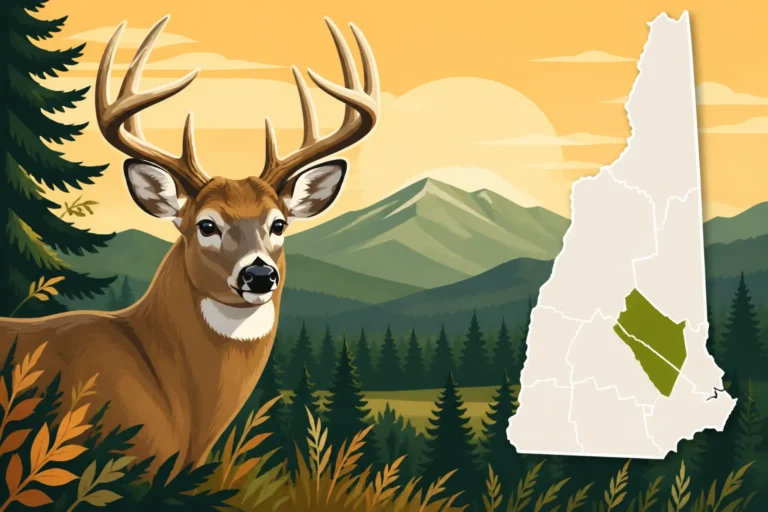
If you're a hunter in New Hampshire, especially if you reside in or near Belknap County, you know the feeling of scanning maps and seeing a sea of green, only for a closer look to reveal it's largely private property or bustling recreational areas. The frustration is real when you feel like prime hunting grounds are constantly shrinking or are simply inaccessible. This guide aims to pull back the curtain on public land opportunities in Belknap County, helping you identify, access, and successfully hunt these often-overlooked parcels, even in what feels like an increasingly developed region.
Understanding Belknap County's Public Land Landscape
Belknap County, nestled in the heart of New Hampshire, often conjures images of sparkling lakes, picturesque towns, and busy summer tourism. For hunters, this reputation can sometimes make it feel like a challenging place to find accessible public land. It's not the vast, unbroken tracts of timber found in the North Country, and it requires a different approach.
The Reality of Hunting in a Populated Region
Let's be honest, hunting in a more populated county like Belknap presents its own set of unique challenges. You're not going to find hundreds of thousands of acres of contiguous wilderness like you might in the White Mountain National Forest. Instead, you'll encounter a landscape that's a bit more of a checkerboard – smaller parcels of public land interspersed with private residences, agricultural fields, and commercial developments. This fragmentation can be daunting, making it difficult to find continuous areas where you can hunt without constantly bumping into property lines or dealing with non-hunting recreationalists. The feeling of being "squeezed out" of traditional hunting spots is a valid concern many hunters in these areas share.
However, this doesn't mean opportunities don't exist; it simply means your approach needs to be more strategic and often involves a greater commitment to research and scouting. The deer, turkey, and small game populations are still present, adapting to these human-influenced landscapes. They often thrive in the smaller, overlooked woodlots, wetlands, and transition zones that don't always jump out on a map as obvious hunting grounds. It's about shifting your mindset from expecting expansive wilderness to appreciating and maximizing smaller, often less-pressured pockets of habitat.
Types of Public Access in Belknap
When we talk about "public land" in Belknap County, we're not just talking about one monolithic type of property. The accessible areas can vary significantly in their ownership, management, and associated rules. Understanding these distinctions is crucial before you even think about lacing up your boots.
Firstly, you have State Forests and Wildlife Management Areas (WMAs). These are typically managed by the New Hampshire Fish and Game Department or the Department of Natural and Cultural Resources, often with wildlife habitat and public recreation (including hunting) in mind. While some State Forests might allow hunting, it's always critical to verify specific regulations for each parcel, as some areas might have restrictions due to high recreational use or other management objectives. WMAs, by their very design, are generally excellent bets for hunting, as their primary purpose is wildlife conservation and public access.
Secondly, and often surprisingly, there are Town Forests and other municipal lands. Many towns in New Hampshire own tracts of forested land, sometimes acquired for timber, watershed protection, or general open space. The hunting regulations on these can be a real mixed bag. Some towns explicitly allow hunting, others prohibit it entirely, and some might have specific bylaws regarding discharge setbacks or public access points that differ from state law. You'll need to dig into each town's specific ordinances – a task that can feel tedious but is absolutely necessary to avoid legal trouble.
Finally, you'll find Conservation Easements held by land trusts or other conservation organizations. These lands are often privately owned but have permanent legal agreements that restrict development and, importantly for us, may allow public access for activities like hunting. Like town forests, the specific access rules for conservation easements are highly variable. One parcel might welcome hunters with open arms, while a neighboring one under a different easement might strictly prohibit it. Always check with the holding organization directly; their websites or offices are usually the best source of information for these unique properties. This diverse landscape requires a nuanced approach, but the rewards can be finding truly unpressured pockets of game.
Key Public Hunting Areas in Belknap County
While Belknap County might not boast vast stretches of National Forest, it does offer a variety of public land types that, with diligent research and respectful use, can provide excellent hunting opportunities. It’s about knowing where to look and understanding the nuances of each.
State Forests and Wildlife Management Areas (WMAs)
New Hampshire's State Forests and Wildlife Management Areas are often your best bet for dependable public hunting access. These lands are generally managed with wildlife and recreation in mind, meaning they’re often designed to support healthy game populations and provide hunting opportunities. While I can't name every single specific parcel in Belknap County (as names and rules can change), understanding their general characteristics is key.
When you locate a State Forest or WMA within Belknap County, expect to find a mix of older growth timber, managed forest sections, and often significant wetland or riparian areas. These diverse habitats are crucial for supporting White-Tailed Deer Across New Hampshire and Wild Turkeys in New Hampshire, as well as various small game species. Deer will utilize the dense cover provided by softwood stands and thick brush, moving between bedding areas and food sources like mast-producing hardwoods. Turkeys will roost in tall trees and forage in open timber or field edges.
To find these areas, start with the New Hampshire Fish and Game Department's website or their mapping resources. They typically provide detailed information on WMAs and often include specific rules or maps for State Forests. Once you've identified a promising area, tools like onX Hunt become invaluable. You can use onX Hunt to overlay property boundaries onto satellite imagery, helping you visualize the terrain, identify potential access points, and scout for features like saddles, funnels, or water sources that might concentrate game. Remember, these lands are for everyone, so you might encounter hikers, birdwatchers, or mountain bikers. Always practice safe hunting habits, wear adequate blaze orange, and be mindful of other users.
Town Forests and Conservation Lands
Beyond state-managed lands, Belknap County is dotted with Town Forests and properties held under Conservation Easements by various land trusts. These parcels are often smaller and more fragmented but can represent significant hunting opportunities, especially because they are sometimes overlooked by hunters who stick to larger, more obvious public areas.
Town Forests are exactly what they sound like: parcels of land owned and managed by individual towns. The critical thing to understand here is that rules vary dramatically from town to town. One town might welcome hunters with open arms, viewing hunting as a valuable wildlife management tool, while the neighboring town might have strict ordinances prohibiting firearms discharge or even all hunting. It's not uncommon to find rules dictating specific parking areas, times of day, or even a complete ban on trail cameras. Before you even consider stepping foot on a Town Forest, you must consult the town's administrative office or website for their specific ordinances. A quick call or email can save you a lot of grief.
Conservation lands, often managed by local or regional land trusts, present a similar situation. These properties are acquired to protect natural resources, and their public access rules are defined by the specific easement terms. Many land trusts are hunter-friendly, recognizing the role hunters play in conservation and wildlife management. However, some easements might prohibit hunting entirely or have specific restrictions. Again, the golden rule is to contact the land trust directly. Their websites often have a "visitor information" or "recreation" section that outlines permitted activities. Using a mapping app like onX Hunt can help you identify these parcels and even often displays the land trust or owner, making it easier to find contact information. Don't assume anything; always verify access rules to ensure you're hunting ethically and legally. These smaller, often denser parcels can hold surprisingly good numbers of game, especially if they provide cover near developed areas.
Navigating Access and Regulations
Hunting public land in Belknap County isn't just about finding a green spot on a map; it's about understanding the mosaic of regulations and access points that define these smaller, often more complex parcels. Ignorance of the rules is never an excuse, and navigating them thoughtfully ensures a positive experience for everyone.
The Power of Mapping Tools and Research
In a fragmented landscape like Belknap County, modern mapping tools are absolutely indispensable. Gone are the days when a paper map and a compass were sufficient for every hunt, especially when property lines are a stone's throw away. This is where tools like onX Hunt really shine.
Imagine you've identified a promising patch of state forest or a potential town parcel. With onX Hunt, you can overlay property ownership data directly onto detailed satellite imagery or topographic maps on your phone or computer. This allows you to visually discern public land boundaries from private land with incredible accuracy, minimizing the dreaded feeling of uncertainty about where you stand. You can identify potential parking areas, note gated logging roads, and even see topographical features that might funnel deer or act as natural barriers. The ability to download maps for offline use is also crucial, as cell service can be spotty in some of Belknap's more rugged, remote corners. It's a game-changer for avoiding trespassing accidentally and for confidently navigating unfamiliar terrain. Scouting New Hampshire Public Land Before Season is made significantly easier and more effective with these digital tools.
Beyond mapping apps, your research should extend to official channels. Always consult the current New Hampshire Hunting Digest for statewide regulations, seasons, and bag limits. For town-specific rules on municipal properties, don't hesitate to visit the town clerk's office or explore the town's official website. Conservation organizations usually have very clear guidelines on their websites regarding public access to lands they manage. Cross-referencing information from multiple sources ensures you have the most accurate and up-to-date understanding of where and how you can hunt legally.
Respecting Boundaries and Understanding Local Ordinances
When hunting in Belknap County, the adage "good fences make good neighbors" takes on a new meaning. With so much private land interspersed with public access, being acutely aware of property lines and respecting them is paramount. This isn't just about legality; it's about maintaining a positive image for hunters and ensuring future access.
New Hampshire has clear trespass laws, and understanding What New Hampshire Trespass Law Requires is fundamental. Even if you're on public land, an errant shot or a retrieved animal can lead you onto private property. Always be certain of your shot's background and be prepared to seek permission if a retrieved animal crosses onto posted land. You'll likely encounter "posted" signs frequently in Belknap County, and these signs mean business.
Beyond state-level regulations, local town ordinances can impose additional restrictions that you absolutely need to know. For example, many towns have specific setback distances from dwellings or roads where discharging a firearm is prohibited, which can be more stringent than state law. Parking is another common concern; always park legally and responsibly, ensuring you don't block private driveways, town roads, or access points for other public users. Even on public land, there are rules governing various activities. For instance, Trail Camera Rules on New Hampshire Public Land dictate how and where you can use them, and ATV Rules on New Hampshire Forest Roads specify where off-road vehicles are allowed. Some areas might also have specific rules about Using a Ground Blind on Public Land, requiring them to be removed daily or forbidding permanent structures. The key is diligence: know the rules for the specific parcel you intend to hunt. This detailed approach not only keeps you out of trouble but also fosters positive relationships with landowners and other outdoor enthusiasts.
Maximizing Your Hunting Success in Belknap County
Hunting in Belknap County might require a different strategy than venturing deep into the vast northern woods, but it offers unique rewards. Success often comes down to careful scouting, adapting your tactics, and being a quiet, respectful presence in these more populated landscapes.
Scouting and Habitat Considerations
Despite the development, Belknap County still holds some fantastic habitat for game animals. The trick is often finding the overlooked nooks and crannies that hold deer, turkeys, and small game. These aren't always the sprawling, pristine wilderness areas you might envision. Instead, think about the subtle features of the landscape that provide food, cover, and travel corridors.
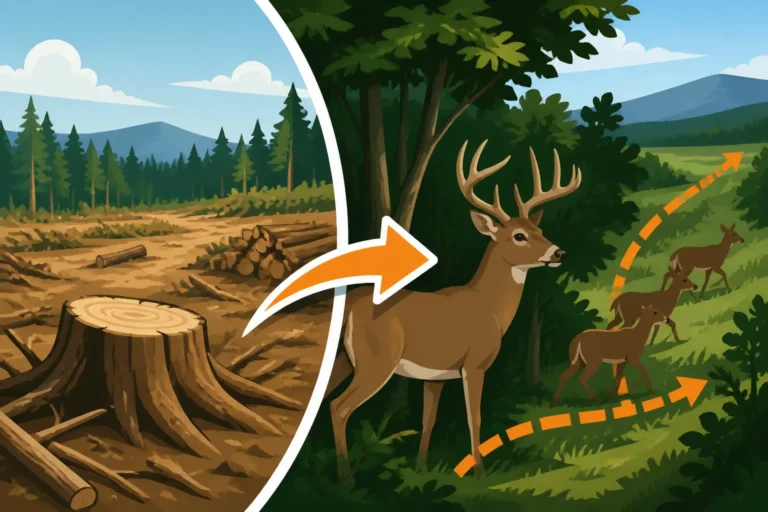
Start by poring over aerial photos on your chosen mapping platform, such as onX Hunt. Look for areas where different habitat types meet, like the edge of an old field bordering a dense woodlot, or where a thick swamp transitions into mature hardwoods. Hunting a Clear-Cut Regrowth Edge can be incredibly productive, as these areas provide excellent browse for deer and thick cover. Pay close attention to water sources; a small creek bottom or a beaver flowage can be a magnet for game, especially during drier periods or in Late-Season Food Sources for New Hampshire Whitetails. Identifying these subtle changes in vegetation and topography can reveal hidden pockets where game feels safe and unpressured. Hunting a Beaver Flowage Edge often means finding dense cover and unique travel routes that deer and other game utilize heavily.
Don't underestimate the small woodlots or strips of timber that connect larger parcels. These "fingers" of cover can act as critical travel corridors, allowing deer to move between bedding areas and feeding grounds relatively undetected. Even a narrow fencerow or a brushy hedgerow can be a significant deer highway. Keep an eye out for old apple orchards or abandoned farmsteads on the fringes of public land; these can provide valuable food sources. By focusing on these overlooked habitat features and understanding how game animals utilize them in a fragmented landscape, you can significantly increase your chances of success.
Adaptable Hunting Strategies
Given the characteristics of Belknap County's public land – smaller parcels, varied terrain, and potential for other users – your hunting strategies often need to be more adaptable and mobile. This isn't always the place for setting up a permanent stand for weeks on end.
Consider adopting a more "run-and-gun" or "still-hunting" approach. Instead of sitting in one spot all day, slowly and deliberately move through promising habitat, paying close attention to fresh sign, wind direction, and thermals. Still-Hunting White Mountain National Forest Timber tactics can easily be adapted to the smaller, often denser woodlots of Belknap County. Focus on quiet movement, using the terrain and cover to your advantage.
For stand hunting, lighter, more portable setups are often ideal. Hang-on stands or even ground blinds are excellent choices. A well-brushed-in ground blind can offer fantastic concealment in areas where large trees for treestands are scarce or where you need to be more inconspicuous near private land boundaries. Using a Ground Blind on Public Land gives you flexibility, allowing you to quickly adapt to changing wind conditions or newly discovered game movement. Think about setting up in natural funnels or pinch points between different parcels of land. Deer often use these restricted travel corridors to move between larger blocks of cover or food sources, especially when pressured. Hunting a Funnel Between Two Woodlots can be incredibly effective, as it concentrates deer movement into a smaller, more predictable area.
Finally, always be mindful of other people. In a more populated county, you're more likely to encounter hikers, dog walkers, or other recreational users, even on public hunting land. Be extra vigilant about shot placement, ensuring a safe backdrop, and practice extreme discretion. Being a quiet, respectful, and adaptable hunter is not just good etiquette; it's often the key to consistent success in Belknap County's unique hunting environment.
Disclaimer
This article is for general informational purposes only and does not constitute professional advice. Laws, prices and regulations vary by location and change over time. Consult a qualified professional for guidance on your specific situation.