Hunting Lake Winnipesaukee Shoreline
For many New Hampshire hunters, the idea of pursuing deer around Lake Winnipesaukee might sound like a dream, or perhaps a nightmare, due to the dense population, bustling recreational activity, and pervasive private land. It often feels like every inch of shore is either someone's backyard or a crowded tourist spot, leaving no room for a hunter to roam. However, with the right approach, meticulous scouting, and a deep understanding of local dynamics, you can absolutely find overlooked opportunities to hunt this iconic region. This guide will help you navigate those challenges, offering practical strategies to access and hunt the often-misunderstood Lake Winnipesaukee shoreline.
Understanding the Unique Challenges of the Winnipesaukee Region
Hunting around Lake Winnipesaukee isn't like heading into the vast expanses of the North Country or the White Mountain National Forest. Here, the landscape is shaped not just by nature, but by human activity. This creates a very distinct set of hurdles that, while frustrating, also reveal unique opportunities for those willing to adapt their methods. It’s not about finding massive tracts of wilderness, but about understanding pockets of opportunity.
Population Density and Development Pressure
The most immediate challenge is the sheer volume of people. During the summer, Lake Winnipesaukee is a vibrant hub of activity, with vacationers and residents enjoying the water and surrounding towns. While the crowds thin out in the fall and winter, a significant year-round population remains, along with countless seasonal homes. This human presence means constant noise, vehicle traffic, and a general lack of solitude that deer, and hunters, typically prefer.
This consistent human activity pushes deer into areas where they feel safe or unnoticed. They become incredibly adept at moving through small, overlooked patches of cover, often right under the noses of homeowners. Instead of wide-open spaces, you'll be looking at narrow woodlots, overgrown fencelines, and dense thickets that might feel out of place in a suburban setting but serve as critical escape routes and bedding areas for local whitetails. The challenge isn't just finding a deer, but finding a place where you can safely and legally pursue it without disturbing residents or violating safety zones.
Fragmented Habitat and Limited Public Access
Directly on the Lake Winnipesaukee shoreline, large, contiguous blocks of public hunting land are a rare commodity. The area is a patchwork of private properties, often with small, manicured yards leading directly into the water, or dense clusters of vacation homes. This fragmentation means that even if deer are present, accessing their habitat can be incredibly difficult due to property boundaries and development.
Deer in this region often rely on these smaller, broken-up woodlots, islands (if accessible and huntable), and the neglected fringes of developed areas. These might be forgotten corners of private property, small town-owned parcels slightly inland, or even brushy sections along utility corridors. The key here is recognizing that "habitat" isn't necessarily pristine wilderness; it's any area that offers food, cover, and water, even if it's surrounded by homes or roads. Successfully hunting these areas requires an almost forensic level of scouting and, more often than not, permission from landowners.
Navigating Public and Private Land Along the Shoreline
Given the unique landscape of the Winnipesaukee region, finding a place to hunt is often the biggest hurdle. This isn't a place where you can just pull off a main road and walk into miles of public forest. Instead, success hinges on a blend of meticulous research and, crucially, building relationships.
The Crucial Role of Private Land Permission
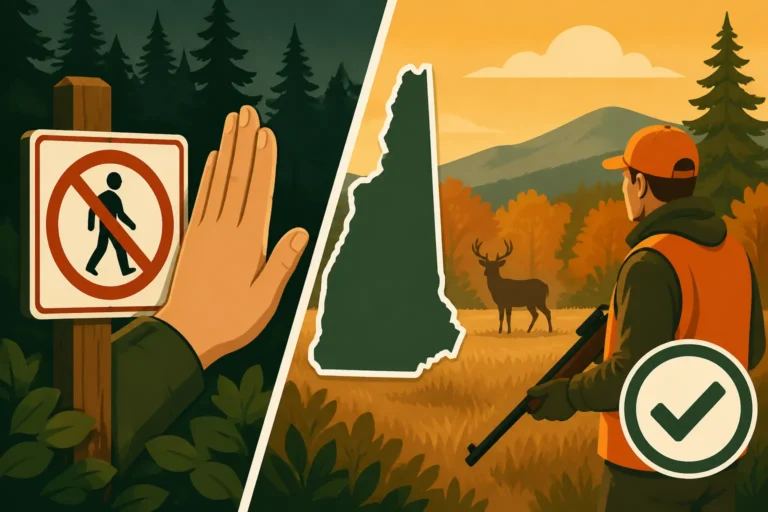
Let's be blunt: if you want to hunt near Lake Winnipesaukee, private land permission is going to be your most valuable asset. Many landowners in the area are homeowners, and they often deal with nuisance deer eating their landscaping, hosta plants, or gardens. Approaching these folks respectfully, explaining your intent, and offering a solution to their deer problems can open doors that would otherwise remain firmly shut. It's about being a problem-solver, not just a hunter looking for a place to shoot.
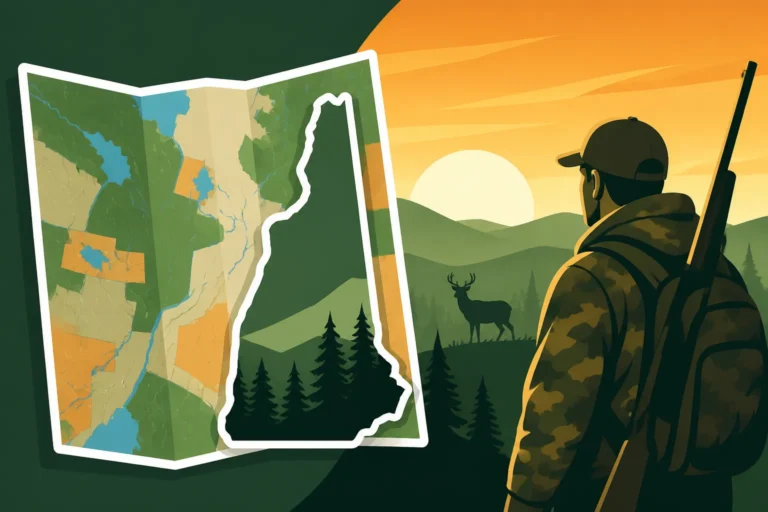
Start by identifying potential properties with good cover and food sources. Mapping tools like onX Hunt are absolutely invaluable here. You can use it to pinpoint property lines, identify landowners, and then do some research to find contact information. When you approach a landowner, be polite, well-groomed, and prepared to discuss your plan. Offer to share venison, help with chores, or simply commit to being an exceptionally respectful and careful guest. Building trust is paramount, and a positive first impression can lead to years of access. Remember that many people are unfamiliar with hunting, so be ready to educate them on safety and ethical practices. The more comfortable they feel with you, the better your chances. Asking a New Hampshire Landowner for Permission is a fantastic resource to prepare you for these conversations.
Identifying Overlooked Public Access Points
While large public tracts are rare, don't dismiss the possibility of smaller, overlooked public parcels. These might include town forests, state reservations slightly removed from the immediate shoreline, or specific Wildlife Management Areas (WMAs) that might touch the periphery of the Lake Winnipesaukee region. You'll need to dig deep into maps and New Hampshire Fish and Game resources to find them. These spots often don't advertise themselves as "hunting areas" but permit legal hunting.
Think about areas that are less desirable for other recreational uses. Maybe it's a wetland, a steep hillside, or a difficult-to-access parcel tucked behind other properties. Deer will often gravitate to these spots because they offer sanctuary from human activity. Islands within the lake are another intriguing possibility, but require boat access and careful verification of ownership and hunting regulations. Always confirm hunting legality with the local town or New Hampshire Fish and Game before venturing out. Once you find these spots, understand that they will likely be small, so your hunting strategy will need to be focused and precise, often involving a single stand or a very slow, careful still-hunt. Don't be afraid to walk a little further or even paddle a bit to reach a spot that others overlook; that's where the rewards often lie in developed areas.
Effective Hunting Strategies for Winnipesaukee's Deer
Hunting near Lake Winnipesaukee demands a departure from traditional "big woods" tactics. Deer here are highly pressured, incredibly smart, and have adapted to living alongside humans. Your strategies need to be equally adaptable, focusing on precision, stealth, and understanding localized deer movement patterns.
Scouting Smart in Developed Areas
Deer in the Winnipesaukee region are often crepuscular or entirely nocturnal, especially if pressured. Your scouting efforts should focus on finding their preferred travel corridors between bedding areas (often dense, overlooked thickets) and food sources (which can include residential landscaping, abandoned apple trees, or small agricultural plots). Look for subtle signs: faint trails through thick brush, rubbed saplings in unexpected places, or droppings along a seldom-used utility right-of-way. These aren't always obvious superhighways; sometimes it's just a narrow tunnel through briars.
During the late fall and winter, when leaves are down, these hidden pathways become more apparent. This is when you can really start piecing together deer movement. Use aerial photos on tools like onX Hunt to identify patches of cover, small woodlots, and potential funnels that might connect them. Pay close attention to drainage ditches, creek bottoms, and overgrown fencelines—these often serve as natural highways for deer trying to move unseen between developed parcels. Reading Aerial Photos for North Country Deer offers great insights, even if the terrain is different, on how to interpret overhead views for deer sign.
Utilizing Early and Late Season Opportunities
Timing can be everything when hunting the Winnipesaukee area. The peak of human activity generally wanes as the cooler weather arrives, which can work in a hunter's favor.
- Early Archery Season: The period from September through early October, before the leaves fully drop and before the firearms season, can be a prime window. Human recreational activity around the lake is still present, but less intense than summer. Deer are often focused on early mast crops, soft mast like apples, and water sources. They may be less wary than they will be later in the year. If you can secure early season access, you might find deer in more predictable patterns before they become heavily pressured. Bowhunting New Hampshire's Long Archery Season provides an excellent foundation for understanding these tactics.
- Late Season Muzzleloader/Archery: As the firearms season concludes, many hunters put their gear away for the year. This creates a significant opportunity for muzzleloader and archery hunters who persist into December. Deer, by this point, are generally more nocturnal and acutely aware of human presence, but they are also driven by a desperate need for dwindling food sources. A fresh snow can be a game-changer, revealing exactly where deer are moving and bedding. Human activity is at its lowest, offering more solitude. Patience and cold-weather gear are essential for success during this period. Check out Hunting Into the December Muzzleloader Close and Hunting the December Archery Close for more in-depth strategies.
Stand Placement and Hunting Methods
Given the often-small and fragmented nature of hunting parcels around Lake Winnipesaukee, your stand placement needs to be precise and your hunting methods adapted to tight quarters. Treestands are often the preferred option, providing an elevated vantage point for safety (shooting down into the ground) and a better view over dense cover. They also allow you to get above a deer's natural line of sight and smell.
When setting up, focus on pinch points: areas where deer movement is naturally funneled due to terrain, water, or development. This could be a narrow strip of woods between two homes, a saddle between small knolls, or a crossing point over a stream. Ground blinds can also be effective, especially if well-brushed in and set up for ambushes along known travel routes. Just be sure to blend them meticulously into the environment. Regardless of your chosen method, minimizing your footprint and remaining as stealthy as possible is crucial. Deer here are constantly aware of their surroundings. Understanding Hunting a Funnel Between Two Woodlots can be particularly relevant even on a smaller scale near the lake.
| Strategy Component | Description | Key Considerations |
|---|---|---|
| Permission | Prioritizing access to private parcels. | Be respectful, offer help, build trust, use mapping apps (like onX Hunt) to identify owners. |
| Scouting | Finding subtle deer movement patterns in developed areas. | Look for hidden corridors, tracks, rubs near residential areas, abandoned orchards. Focus on less obvious sign. |
| Timing | Leveraging early archery and late-season opportunities. | Less human pressure in early fall and late winter. Deer focused on specific food sources. Snow can aid tracking. |
| Stand Placement | Utilizing treestands or well-camouflaged ground blinds in tight spaces. | Focus on pinch points, funnels, and escape routes. Prioritize safety with elevated shots. Consider wind and thermals carefully. |
| Stealth | Minimizing noise, scent, and visual impact. | Deer are highly pressured and alert. Still-hunting or slow, methodical movement is key. Limit disturbance on entry and exit. |
Responsible Hunting: Safety and Regulations
Hunting anywhere demands responsibility, but around Lake Winnipesaukee, where homes and people are often closer than typical hunting grounds, adherence to safety regulations and respect for others is absolutely paramount. The reputation of all hunters in New Hampshire rests on how you conduct yourself in these sensitive areas.
Understanding Safety Zones and Discharge Rules
New Hampshire has strict safety zone regulations, stipulating minimum distances from occupied dwellings or buildings where you can legally discharge a firearm or bow. These rules are non-negotiable and designed to protect residents. Around Lake Winnipesaukee, identifying these zones is not just a recommendation; it's a critical safety measure. What might appear to be a perfect treestand location could easily fall within a prohibited distance from a neighbor's house that you didn't even know was there.
Before you even think about setting up, use mapping applications like onX Hunt to precisely mark property lines and identify dwellings. Walk the property with your rangefinder and ensure you are well outside any safety zones for both your shot and potential game retrieval. Always know what's beyond your target. Your shot must not only be clear to the animal but also have a safe backdrop that ensures no projectile can inadvertently travel towards an occupied structure. Ignorance of these rules is not an excuse, and violations can carry serious consequences, jeopardizing your hunting privileges and the public's perception of hunting.
Respecting Landowners and Local Communities
The future of hunting access, especially on private land, hinges entirely on hunters' conduct. When you secure permission to hunt a private parcel near Lake Winnipesaukee, you become an ambassador for all hunters. Always uphold your end of the agreement: park respectfully, close all gates, stay away from areas the landowner designated as off-limits, and leave absolutely no trash or sign of your presence other than tracks in the dirt.
If you are successful, handle game discreetly and efficiently. Some landowners might appreciate an offer of venison, while others prefer you simply clean up quickly. Be prepared for curious residents who might approach you; maintain a polite and friendly demeanor, explain what you're doing, and emphasize your commitment to safety. If a deer you shoot crosses onto an adjacent property where you don't have permission, refer to New Hampshire's trespass laws. Retrieving Game From Private Land in New Hampshire outlines the legalities involved, but generally, you must seek permission before entering. Maintaining positive relationships not only secures your access but paves the way for future generations of hunters.
Essential Licenses, Tags, and Registration
Before you even step foot in the woods around Lake Winnipesaukee, ensure all your legal ducks are in a row. This means possessing a current New Hampshire hunting license, along with any necessary permits for the specific season and weapon you're using (e.g., archery license, muzzleloader permit). The Winnipesaukee region typically falls within specific Wildlife Management Units (WMUs), often WMU D1, so be familiar with the regulations for that unit.
Once you harvest a deer, prompt and legal registration is mandatory. New Hampshire provides options for online registration, but be aware of "blackout days" when the online system is offline, requiring in-person registration at a physical station. Always carry proof of your license and permits while afield. Consult the current New Hampshire Hunting Digest for the most up-to-date information on season dates, bag limits, and specific regulations for the Lake Winnipesaukee area. Familiarize yourself with New Hampshire Hunting Licenses and What They Cost and New Hampshire's WMU-Based Deer Season Structure to ensure you're fully compliant. Being prepared legally is just as important as being prepared in the field.
Disclaimer
This article is for general informational purposes only and does not constitute professional advice. Laws, prices and regulations vary by location and change over time. Consult a qualified professional for guidance on your specific situation.