Boots for New Hampshire’s White Mountain Granite Terrain
Navigating the rugged, often unforgiving terrain of New Hampshire's White Mountains while hunting presents a unique challenge for your footwear. Forget those comfortable, flat-ground boots you might wear for a stroll in the park; here, jagged granite, slippery roots, steep inclines, and unpredictable weather demand something truly robust. This comprehensive guide will walk you through everything you need to know to choose the perfect hunting boots, ensuring your feet stay protected, warm, and stable, no matter what the White Mountains throw at you.
Understanding the Unique Challenges of White Mountain Terrain
Hunting in New Hampshire's White Mountains isn't like hunting anywhere else. It’s a place where every step counts, and the wrong footwear can quickly turn an exciting day afield into a painful ordeal. The very nature of this landscape dictates a specific set of requirements for your boots that many other hunting environments simply don’t demand.
The Unforgiving Granite
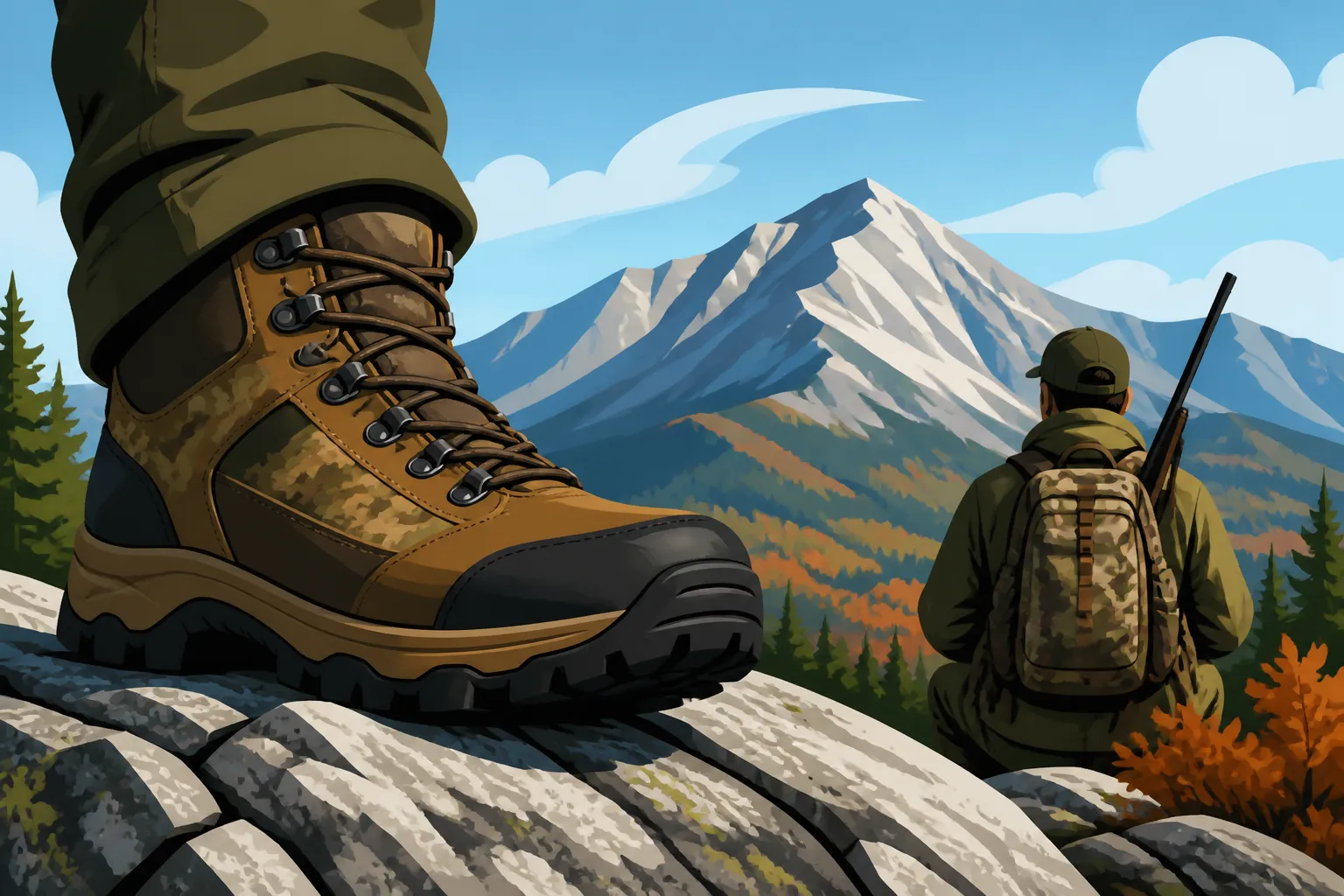
When we talk about the White Mountains, granite is the star of the show. It’s everywhere – massive boulders, exposed ledges, broken shards littering the forest floor, and hidden rocks lurking under fallen leaves. This isn't soft dirt or gentle loam. This is hard, unyielding stone that can abrade and destroy lesser boots in a single season. The edges can be surprisingly sharp, ready to slice through flimsy material or catch your foot in an awkward position. Imagine you’re trying to navigate a steep game trail, perhaps even Still-Hunting White Mountain National Forest Timber, and suddenly your boot catches on a hidden rock. Without adequate protection and stability, you’re not just risking a twisted ankle, but potentially a long, painful hobble back to the truck. A good boot needs a sole package that can withstand this constant abuse, protecting the bottom of your feet from bruising and the sides from unexpected impacts.
Beyond the physical impact, granite also presents a traction challenge. While it can be wonderfully grippy when dry, throw a little rain, morning dew, or a dusting of snow into the mix, and it becomes incredibly slick. Picture yourself crossing a stream bed, stepping on a moss-covered granite slab – a truly common occurrence in the mountains. One slip could mean a dunk in freezing water or a nasty fall. The design and material of your boot's outsole need to be specifically engineered to find purchase on these difficult, wet surfaces, giving you the confidence to move deliberately and safely.
Elevation Changes and Varied Surfaces
The White Mountains are defined by their dramatic elevation changes. You’ll be climbing steep slopes, traversing sidehills, and descending sharp declines, often all within a single hour of hunting. These aren't gentle inclines; they are sustained, calf-burning ascents and knee-jarring descents. Each of these movements puts different stresses on your feet and ankles. On the way up, you need a boot that flexes comfortably but doesn't allow your foot to slide around inside, causing blisters. On the way down, you need solid heel capture to prevent your toes from ramming into the front of the boot, a painful experience that can quickly ruin a hunt.
And it’s not just granite underfoot. You’ll encounter a bewildering mix of surfaces: soft, mucky spots around beaver flows, slippery mud on shaded trails, thick carpets of wet, decomposing leaves that conceal hidden obstacles, tangled roots that act like tripwires, and countless small stream crossings that demand reliable waterproofing. One minute you're scrambling over a rock field, the next you're slogging through a boggy section. Your boots need to be versatile enough to handle all of these conditions without compromise. This varied terrain is a core reason why general-purpose hiking boots often fall short – they might excel in one area but fail miserably in another, leaving you vulnerable.
The Weather's Role: Wet, Cold, and Unpredictable
New Hampshire weather, particularly in the White Mountains, is notoriously fickle. You can start your day under clear, crisp skies, only to have a squall blow in by lunchtime, bringing driving rain, sleet, or even an unexpected snow shower. Temperatures can plummet rapidly, especially as you gain elevation or when the sun dips behind a ridge. Wind and Thermals in Steep Granite Terrain can make an already chilly day feel downright frigid.
This means your boots need to be more than just tough; they need to be a fortress against the elements. Waterproofing is non-negotiable. Walking with wet feet in cold weather isn't just uncomfortable; it’s a direct path to hypothermia and frostbite. But waterproofing alone isn’t enough. Your boots also need to manage moisture from within – your own sweat. When you’re humping up a steep climb, your feet are working hard and generating heat. If that sweat can’t escape, it will condense, making your socks damp and your feet cold once you stop moving. Finding a boot that offers both robust external waterproofing and decent breathability is crucial for maintaining comfort and safety in the dynamic conditions of the White Mountains.
Essential Features for White Mountain Hunting Boots
Given the unique demands of hunting in the Granite State’s high country, certain boot features move from "nice-to-have" to "absolute must-have." These are the non-negotiables that will make or break your hunting experience and, frankly, your ability to traverse this challenging landscape safely and comfortably.
Prioritizing Support and Stability
When you’re constantly navigating uneven ground, loose rock, and steep slopes, ankle support becomes paramount. A flimsy boot that allows your ankle to roll freely is an invitation for injury. Look for boots with a high-cut upper, extending well above the ankle bone, to provide crucial lateral stability. This isn't just about preventing a full roll; it’s about providing enough structure to help your ankles withstand the constant minor adjustments needed to stay upright on unpredictable surfaces.
Beyond the ankle, the overall torsional rigidity of the boot is key. This refers to how much the boot resists twisting through its length. Imagine stepping on a jagged rock with only the middle of your foot. A boot with poor torsional rigidity will twist around that rock, putting immense strain on your arch and foot muscles. A stiff, well-constructed boot, however, will maintain its shape, distributing the pressure and protecting your foot. Many premium hunting boots from brands like GoHunt incorporate shank plates or rigid midsole designs to achieve this, giving you a solid, stable platform even on the most uneven terrain. This stiffness also translates into better support when Hanging a Stand on a Granite Ridge or climbing over blown-down timber.
The Grip Factor: Outsole Design and Material
This is where the rubber literally meets the rock. The outsole of your boot is your primary contact with the ground, and its design and material are critical for traction on White Mountain terrain. Look for an aggressive lug pattern – deep, multi-directional lugs that can bite into loose soil, mud, and snow, while also providing edges for climbing and descending. These lugs should be widely spaced enough to shed mud and debris, preventing your boots from becoming slick, heavy clods of dirt.
The material of the outsole is just as important. Many high-performance hunting boots utilize compounds like Vibram, which are known for their durability and superior grip across a wide range of temperatures and surfaces. However, even within Vibram, there are different compounds. Some prioritize durability, others wet-rock grip. For the White Mountains, a balance is ideal, leaning towards better wet traction without sacrificing too much durability. When you're carefully placing each foot while Still-Hunting a White Mountains Notch Trail, you need to trust that your boots will hold firm on wet leaves or slick granite. It’s worth researching what specific compounds a manufacturer uses and what their stated benefits are.
Waterproofing and Breathability: A Crucial Balance
As mentioned, dry feet are healthy feet, especially in cold, wet mountain environments. High-quality waterproofing is essential. The gold standard here is a waterproof, breathable membrane, such as Gore-Tex or similar proprietary technologies. These membranes are designed with microscopic pores that are too small for liquid water molecules to pass through from the outside, but large enough for water vapor (sweat) to escape from the inside.
However, it’s a balance. While a highly waterproof boot is crucial, if it’s not breathable, your feet will sweat profusely on a strenuous climb, and that moisture will eventually make your socks damp and your feet cold once you stop moving. This is particularly noticeable if you're layering up for Layering for New Hampshire's Cold Hunting Season. Look for boots where the membrane extends high up the boot shaft to prevent water from simply seeping in over the top if you step into a deeper puddle or stream. Also, consider the construction: full-grain leather, often treated with DWR (Durable Water Repellent) finishes, combined with a robust membrane, generally offers the best combination of waterproofing and longevity. Remember, even the best membrane can be compromised by poor construction or excessive wear, so inspect seams and material quality carefully.
Insulation Levels for New Hampshire's Varied Seasons
New Hampshire’s hunting seasons span a wide range of temperatures, from mild early fall days to bitter late-season freezes. The amount of insulation in your boots should match the conditions you expect to encounter, as well as your activity level. Wearing overly insulated boots in warm weather will lead to sweaty feet, while under-insulated boots in the cold can quickly turn into a dangerous situation.
Uninsulated or Lightly Insulated for Early Season
For those crisp September archery hunts or early October small game excursions, you’ll want boots with little to no insulation. Think about pursuing a deer during Bowhunting New Hampshire's Long Archery Season – you’re likely to be on the move, covering significant ground, and generating a lot of body heat. A heavy, insulated boot in these conditions would quickly lead to overheating, sweating, and ultimately, clammy feet which can then get cold once you stop.
Uninsulated boots, or those with minimal insulation (often around 200 grams), allow for maximum breathability and moisture management. They are designed to keep your feet dry from external moisture while allowing internal sweat to escape, which is crucial for comfort during active hunting in milder temperatures. These boots often feel lighter and more flexible, which can be an advantage when you’re stalking or covering a lot of ground quickly. Pair them with good quality merino wool socks that wick moisture away from your skin, even when damp, to maintain comfort.
Mid-Weight Insulation for Main Firearms Season
As November rolls around and the general firearms season opens, temperatures drop considerably. This is when mid-weight insulation, typically 400 to 800 grams, truly shines. During New Hampshire's November Firearms Deer Season, you might be sitting on stand for extended periods, or still-hunting slowly through timber. Your activity level might fluctuate, meaning you need boots that can provide warmth during static periods without becoming overwhelmingly hot during moderate activity.
These boots offer a good compromise, providing enough warmth to keep your feet comfortable in freezing temperatures while still allowing for decent breathability. They are often a popular choice for the majority of big game hunters in New Hampshire, as they can handle a wide array of typical fall weather. When choosing a pair, consider if you tend to run hot or cold, and adjust the insulation level accordingly. A hunter who’s constantly cold might opt for the higher end of this range (600-800 grams), while someone who's always warm might stick closer to 400 grams.
Heavy Insulation for Late Season and Deep Cold
For the hardcore late-season hunter, particularly those venturing out during Hunting Into the December Muzzleloader Close or even later into the trapping season, heavy insulation is absolutely essential. Boots with 1000 grams or more of insulation are designed for extreme cold and prolonged periods of inactivity. If you're planning on Cold-Weather Sitting Strategy in the North Country for hours in sub-freezing temperatures, waiting out a deer, these are the boots you need.
These boots often feature thicker soles, robust waterproof barriers, and substantial internal insulation layers, sometimes even removable liners for drying. They prioritize warmth above all else, often at the expense of some flexibility and weight. While they might feel bulky, the peace of mind knowing your feet won't freeze is priceless. When selecting heavily insulated boots, ensure they still offer adequate support and traction for icy or snowy conditions, as a warm foot that slips and breaks an ankle is still a problem. Think about how crucial warmth is for your feet when temperatures plummet during Hunting Deer After a Cold Front. Brands like GoHunt often detail the insulation levels clearly in their product specifications, making it easier to choose for specific conditions.
| Insulation Level | Typical Grams | Best Use Case | Activity Level | Key Benefit |
|---|---|---|---|---|
| Uninsulated / Light | 0-200g | Early archery, active stalk, mild weather | High (active hunting) | Breathability, agility |
| Mid-Weight | 400-800g | General firearms, varied activity, freezing temps | Moderate to Low | Versatility, balanced warmth |
| Heavy | 1000g+ | Late muzzleloader, extreme cold, static sits | Low (static hunting) | Maximum warmth, protection |
Fit and Comfort: The Non-Negotiables
You can have the most expensive, technically advanced hunting boots on the market, but if they don't fit well, they're useless – and worse, they're a liability. Discomfort can quickly lead to blisters, pain, and a ruined hunt, especially when you're many miles from the trailhead. Prioritizing fit and comfort is arguably as important as any of the technical features.
Proper Sizing and Break-In Period
The golden rule for hunting boots is to buy them slightly larger than your street shoe size. Your feet swell throughout the day, and they'll swell even more after hours of hiking with a pack. You also need room for thicker hunting socks. Always try on boots with the actual socks you plan to wear while hunting. Do it at the end of the day when your feet are naturally at their largest. Make sure there's about a thumb's width of space between your longest toe and the end of the boot, and that your heel doesn't slip excessively when you walk uphill. Many people find their perfect fit by heading to a local outfitter that understands the nuances of hunting boot fit.
Once you’ve bought them, the "break-in" period isn’t just a suggestion; it’s mandatory, especially for stiffer mountain boots. Don't take new boots straight to the White Mountains for a multi-day hunt. Wear them around the house, on short walks, then gradually longer hikes on varied terrain. This allows the boots to conform to your feet and your feet to toughen up to the boots. It also lets you identify any hot spots or areas of rubbing before they become full-blown blisters in the backcountry. A gentle break-in can prevent a miserable experience when you're Packing for a Nine-Day Moose Hunt or a long deer chase.
Lacing Systems and Ankle Security
A good lacing system is critical for optimizing fit and providing support. Look for boots with sturdy hardware (metal eyelets or D-rings) and a system that allows for differential lacing – meaning you can tighten the forefoot independently of the ankle. This is especially useful in the mountains where you might want a snug fit over your foot for control but a slightly looser fit around the ankle for comfort while climbing, or vice-versa.
The ability to lock your heel securely into the back of the boot is paramount. Heel slippage is a primary cause of blisters. Some boots incorporate features like heel locks or specific lacing patterns that help pull the heel back and down. Ensure the laces themselves are durable and don't stretch excessively when wet. A secure lacing system, properly utilized, ensures that all the boot's engineered support translates directly to your foot and ankle, helping you navigate tricky terrain with confidence.
Sock Selection: The Unsung Hero
Often overlooked, your socks are just as vital as your boots for comfort and performance. They are the direct interface between your foot and the boot. Skip cotton socks entirely – they absorb moisture, stay wet, and lead to blisters and cold feet. Instead, invest in high-quality wool or synthetic blend hunting socks.
Merino wool is a fantastic choice because it wicks moisture away from your skin, regulates temperature (keeping you warm when it's cold and relatively cool when it's warm), and retains its insulating properties even when damp. Synthetic blends offer similar moisture-wicking benefits and often excel in durability. Look for socks with strategic cushioning in areas prone to pressure, like the heel and ball of the foot. The thickness of your socks should also be considered when sizing your boots. You might carry a thinner pair for active climbing and a thicker, more insulated pair for static sitting, especially if you're trying to achieve optimal warmth for Best Boot Insulation for Late-Season Cold.
Maintenance and Longevity for Your Investment
Your hunting boots are a significant investment, both financially and in terms of your hunting success. Proper care and maintenance aren't just about making them last longer; they're about ensuring they perform reliably when you need them most. Neglecting your boots can lead to premature failure of waterproofing, breakdown of materials, and ultimately, an uncomfortable and potentially unsafe experience in the field.
Cleaning and Drying After Each Hunt
This is perhaps the simplest, yet most often neglected, step. After every hunt, especially one in the muddy or wet conditions common in the White Mountains, take a moment to clean your boots. Remove visible dirt, mud, and debris from the uppers and especially the outsoles. A stiff brush and water are usually all you need. Pay close attention to the lug patterns on the sole to ensure they are free of mud, which can pack in and reduce traction on your next outing.
Once clean, proper drying is crucial. Never, ever dry your boots by a direct heat source like a campfire, woodstove, or radiator. Extreme heat can dry out leather, leading to cracking, and can delaminate waterproof membranes, ruining your boots. Instead, remove the insoles and laces, open the boots up as much as possible, and let them air dry in a well-ventilated area at room temperature. For faster drying, boot dryers that circulate warm air (not hot) are excellent investments. Stuffing them loosely with newspaper can also help absorb internal moisture. This simple routine goes a long way in preventing mold, mildew, and material degradation, keeping your boots ready for when you need them to perform on Reading New Hampshire Mud for Fresh Deer Movement or navigating slippery slopes.
Conditioning and Waterproofing Treatments
For boots with leather uppers, regular conditioning is vital. Leather is a natural material that needs to be moisturized to remain supple and prevent cracking. There are many leather conditioners available; choose one appropriate for hunting boots, often containing waxes or oils that also enhance water resistance. Apply them as directed by the boot manufacturer, paying extra attention to seams and flex points.
Even boots with waterproof membranes benefit from periodic reapplication of a DWR (Durable Water Repellent) treatment to the outer fabric or leather. While the membrane provides the internal waterproof barrier, the DWR causes water to bead up and run off the exterior, preventing the outer material from becoming saturated. This "wetting out" can make boots heavier and reduce breathability, even if the internal membrane is still working. Brands like GoHunt often recommend specific care products that are compatible with their boot materials. By taking these steps, you're not just extending the life of your boots, but maintaining their peak performance.
Storage Between Seasons
When the hunting season wraps up, don't just toss your boots in the corner of the garage. Proper off-season storage will help them maintain their shape and readiness for the next year. Ensure they are thoroughly cleaned and dried, and any leather has been conditioned. Store them in a cool, dry place, away from direct sunlight or extreme temperatures. Avoid storing them in plastic bags, which can trap moisture and promote mildew growth.
You can stuff them loosely with newspaper or boot trees to help them retain their shape and prevent creases that could lead to cracking over time. By taking these few extra steps at the end of the season, you'll open your closet next fall to boots that are ready to hit the ground running, rather than finding a neglected pair in need of significant repair or replacement. After all, the last thing you want to worry about when Scouting New Hampshire Public Land Before Season is whether your trusty boots will hold up.
Disclaimer
This article is for general informational purposes only and does not constitute professional advice. Laws, prices and regulations vary by location and change over time. Consult a qualified professional for guidance on your specific situation.