Best Blind Bag for a Waterfowl Hunt
There's nothing quite like the crisp air of a New Hampshire fall morning, the distant honk of geese, or the whistling wings of ducks coming in. But for all the beauty and excitement, there’s a quiet frustration many of us know all too well: fumbling for calls, finding your shells soaked, or realizing your thermos has tipped over, leaving your snacks floating in murky water. This guide is all about cutting through that chaos by helping you find the absolute best blind bag for your waterfowl hunts, ensuring your gear stays organized, protected, and easily accessible when it matters most.
Why Your Blind Bag is More Than Just a Sack
Think about it: your blind bag holds the critical tools that make your hunt successful, or at least bearable. It's not just some accessory; it's a vital piece of your waterfowl system, especially when you're dealing with the unpredictable conditions of New Hampshire's marshes, rivers, and fields.
The Frustration of Disorganization
We've all been there. You've spent hours setting decoys in the frigid predawn, nestled into your chosen spot, and the birds are finally working. Then, the moment of truth: you reach for your mallard call, and it's buried under a pile of shells, or worse, you can't find it at all. Maybe your extra gloves are soaking wet because a puddle crept in, or your phone, which you rely on for mapping, is now full of condensation. These aren't minor inconveniences; they can derail a hunt, chill your spirits, and even compromise safety if essential items like a first-aid kit aren't quickly at hand. The frustration of fumbling, of items being lost or damaged, takes away from the experience and makes you question why you even bothered. A poorly designed or inadequate blind bag turns what should be a seamless operation into a series of exasperating moments.
Essential Gear a Blind Bag Must Protect
Your blind bag is essentially a mobile command center for your waterfowl hunt. It needs to safeguard a diverse array of gear, much of which is sensitive to moisture, impact, or extreme temperatures. Beyond the obvious shotgun shells and calls (duck, goose, whistle), consider what else needs to be kept dry and secure. This often includes electronic devices like your phone, GPS, or even a two-way radio if you're hunting with a group. Snacks, a thermos of coffee or soup, and a water bottle are crucial for maintaining energy and warmth during long sits. Safety items like a small first-aid kit, a flashlight or headlamp, and a knife are non-negotiable. Don't forget licenses, permits, and any relevant game tags. All of these items need to be protected from the constant dampness of a marsh, the biting cold of a late-season morning, or the inevitable mud and muck that comes with chasing ducks and geese along the Connecticut River or a secluded beaver flowage.
Key Features to Look for in a New Hampshire Waterfowl Blind Bag
Choosing the right blind bag isn't just about grabbing the first camo bag you see. It’s about understanding the specific demands of waterfowl hunting in New Hampshire and selecting a bag that stands up to those challenges.
Material Matters: Durability and Waterproofing
When you're out there, whether you're Decoying Ducks on New Hampshire's Connecticut River or Layout Blind Hunting a Northern Zone Field, your gear is exposed to the elements. This means the material of your blind bag is paramount. Look for rugged fabrics like heavy-duty denier nylon or polyester, often with a PVC or polyurethane backing for enhanced water resistance. Some premium bags are constructed from fully waterproof materials, similar to dry bags, ensuring that even if the bag is submerged, its contents remain bone dry. This is incredibly important in New Hampshire, where you might be dealing with persistent rain, melting snow, sleet, or simply the constant moisture in a marsh or boat bottom. A truly waterproof bag will have sealed seams and heavy-duty, water-resistant zippers, often with storm flaps. These features prevent moisture from seeping in through stitching or zipper teeth. Don't underestimate the need for a reinforced, often molded, bottom. This keeps your bag from absorbing water when placed on wet ground, ice, or the bottom of a jon boat. When you're researching options, check out resources like GoHunt, which often provides detailed gear reviews focusing on material quality and weather resistance, giving you a better idea of what holds up to real-world abuse.
Organization is King: Pockets, Dividers, and Straps
A blind bag might be tough and waterproof, but if it's a black hole where everything gets jumbled, it's failing you. Excellent organization is non-negotiable. Look for a main compartment with adjustable dividers, allowing you to customize the space for larger items like extra clothing layers or a thermos. Multiple external pockets are a game-changer. Some bags feature dedicated call pockets, often with loops or sleeves to keep your duck and goose calls quiet and protected. Shell loops or sleeves, either internal or external, ensure your ammunition is easily accessible and not rattling around. Smaller zippered pockets are ideal for keys, licenses, and other small essentials.
Consider the carrying options. A comfortable, padded shoulder strap is standard, but some bags offer backpack-style straps, which can be a godsend when you're hauling gear over long distances, through thick cover, or across muddy terrain to your hunting spot. A sturdy grab handle is also a must for quickly moving the bag around in the blind or boat. Think about how you access your gear – the best bags allow you to retrieve items quickly and quietly, even with cold, wet hands, without having to unpack half the bag. GoHunt often showcases bags with innovative organizational features that make a real difference in the field.
Size and Capacity: Matching Your Hunt Style
Blind bags come in a variety of sizes, and the "best" size really depends on your hunting style and how much gear you typically carry. Are you a minimalist jump-shooter who only needs a handful of shells and a call for a quick morning outing? A smaller, more compact bag might be perfect. Or do you run large Goose Decoy Spreads for a Northern Zone Field, spending all day in a layout blind, requiring extra layers, a full meal, multiple calls, and more ammunition? In that case, a larger, higher-capacity bag with ample room would be essential.
Consider the duration of your hunt. A quick two-hour hunt near a local pond requires less gear than an all-day expedition into a remote marsh. Also, think about what additional items you might carry: a small camera, a pair of binoculars for identifying birds at a distance, or even a compact emergency shelter. Avoid the temptation to overpack, which makes the bag heavy and unwieldy, but also don't underpack to the point where you're leaving critical items behind. A good rule of thumb is to lay out all the gear you realistically need for a typical hunt, and then choose a bag that accommodates it comfortably with some room to spare for flexibility.
Practical Considerations for New Hampshire Waterfowlers
New Hampshire's diverse landscape and weather patterns present unique challenges for waterfowl hunters. Your blind bag needs to be up to the task of not just holding your gear, but truly protecting it from the rigors of a Granite State hunt.
Surviving the New Hampshire Elements
New Hampshire throws a lot at waterfowl hunters. Early season can bring crisp mornings followed by surprisingly warm afternoons, while late season often means biting winds, freezing rain, and slush. Your blind bag will be exposed to all of it. A truly effective bag will feature robust construction that can handle being tossed into the back of a truck, dragged through wet grass, or set down on rocky riverbanks. Insulated pockets can be a lifesaver, keeping your snacks from freezing solid and your hot drinks warm for longer. Imagine trying to eat a frozen granola bar or sip icy coffee on a frigid November morning – it's not pleasant.
Moreover, the reinforced, often waterproof bottom is critical. Whether you're hunting a shallow backwater off the Merrimack River, slogging through a beaver flowage, or sitting in a layout blind in a rain-soaked field, your bag will inevitably touch wet ground. A well-designed bottom prevents capillary action from wicking moisture up into the main compartment. Internal drainage grommets, while seemingly small, are another thoughtful feature that allows any water that does get in to escape, preventing your gear from sitting in a puddle. You’ll also want to consider materials that are easy to clean, as mud, duck blood, and general grime are par for the course.
Accessibility and Functionality in the Blind
Once you're set up, whether in a permanent blind, a temporary pop-up, or just hunkered down in some natural cover, your blind bag needs to be a silent partner. Quick and quiet access to your gear is paramount. Fumbling with noisy zippers or struggling to find an item can spook wary birds at the worst possible moment. Look for bags with large zipper pulls that are easy to grip, even with cold, gloved hands. Magnetic closures or silent buckles on some pockets can be an advantage.
The bag's footprint and stability are also important. In a layout blind, for example, a compact bag that can sit unobtrusively beside or behind you without hindering your ability to sit up and shoot is ideal. In a boat blind, you want a bag that won't tip over and spill its contents every time you hit a wake or shift position. Some bags feature internal frames or stiffened sides that help them maintain their shape, even when partially empty, making it easier to see and grab items without rummaging. Think about how often you'll need to reach for your Best Call for a New Hampshire Spring Gobbler or your duck calls – the bag should make that process intuitive.
Camouflage and Concealment
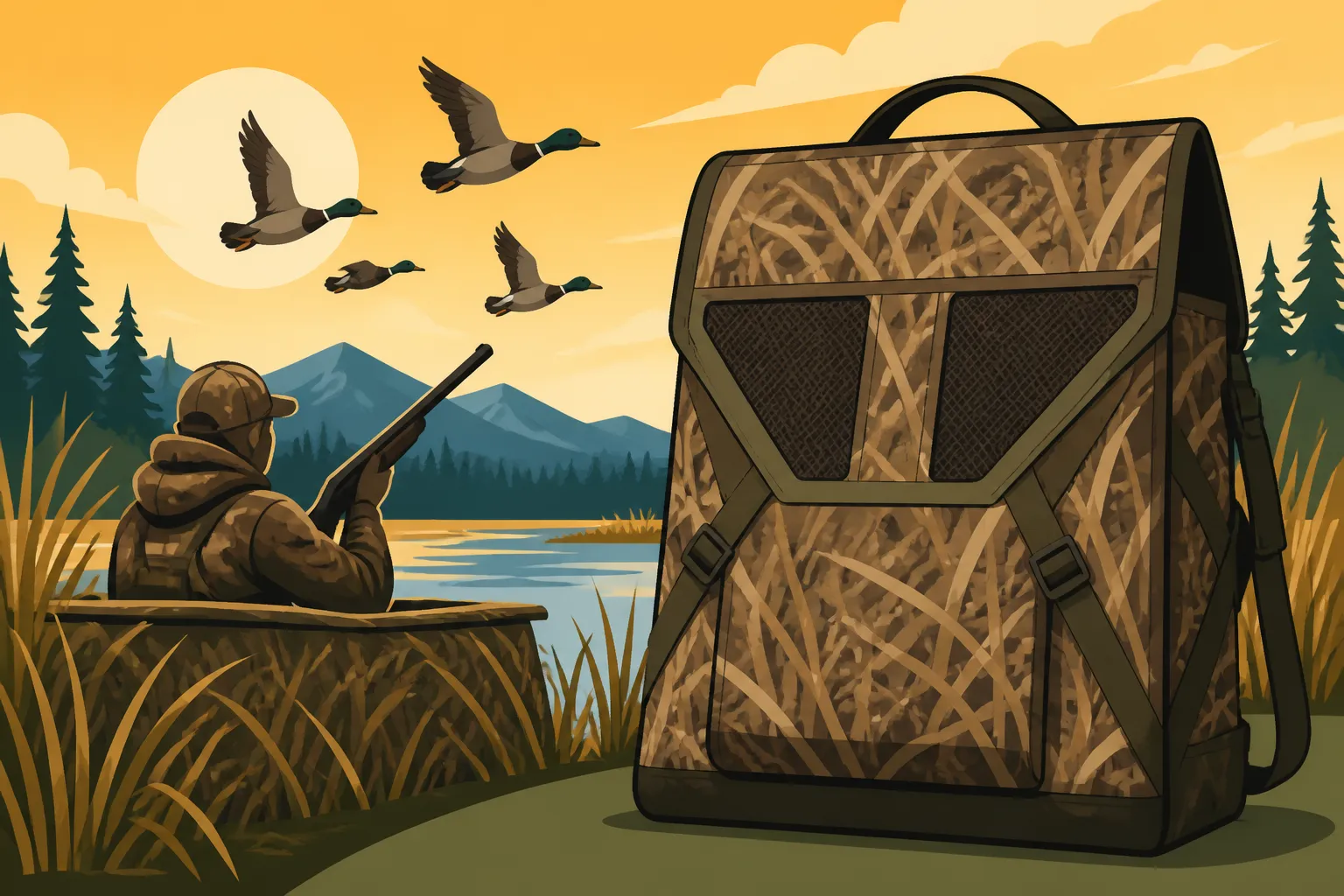
While its primary purpose is utility, a blind bag's camouflage can't be overlooked. Waterfowl have incredible eyesight, and anything that stands out in your blind can flare birds. Choose a pattern that matches the typical cover you hunt in New Hampshire. If you're often in cattail marshes, a marsh-specific pattern or natural browns and tans will blend best. For field hunting, patterns with stubble or cornstalk elements are effective. If you're primarily hunting wooded river bottoms, a pattern like Camo Patterns for New Hampshire Hardwood Cover would be more appropriate. Even if your bag is mostly hidden, having it blend in offers an extra layer of concealment. Solid, subdued colors like olive drab or tan can also work surprisingly well, as they don't create sharp contrasts that birds might pick up. The key is to avoid anything bright or reflective.
Choosing the Right Bag for Your Specific New Hampshire Hunt
With so many options out there, narrowing down the best blind bag means really thinking about your personal hunting style and the varied environments New Hampshire offers.
Decoy Spreads and Bag Pairing
The size and type of decoy spread you deploy often influence the amount of gear you need to carry, and therefore the ideal blind bag size. If you're running a massive spread of a dozen full-body Canada geese for Pass-Shooting Geese on a Split-Season Field, you're likely sitting for extended periods and will want a larger bag to accommodate extra shells, more snacks, and perhaps even a book or small tablet for downtime. More decoys often mean more birds, which means more shooting, demanding a higher shell count in your bag. Conversely, if you're just putting out a few mallard decoys for a quick Jump-Shooting a New Hampshire Creek, a smaller, lighter bag that’s easy to move with you might be the better choice. Think about the overall footprint of your setup. A sprawling decoy spread often means you have more space in a blind or boat to accommodate a larger bag, while a tight, minimalist setup requires your gear to be just as streamlined.
Field Edges vs. River Bottoms vs. Coastal Marsh
New Hampshire's waterfowl habitats are incredibly diverse, from the agricultural fields of the Northern Zone to the extensive river systems like the Connecticut and Merrimack, and the occasional coastal marsh. Each environment presents unique challenges for your blind bag:
- Field Edges: Here, mud and dampness are concerns, but often not submergence. A bag with a reinforced, waterproof bottom is key, and easy-to-clean materials are a bonus for shedding field grime. You might prioritize pockets for extra shells and calls, as birds can work quickly. Entry Routes Through a Cut Cornfield often mean carrying your gear through muddy paths.
- River Bottoms: Along rivers, you're constantly dealing with water. Your bag might be in a boat bottom, sitting on a muddy bank, or inadvertently submerged. Superior waterproofing and buoyancy (some bags are designed to float, even when loaded) become critical. Durability against abrasion from branches and rocks is also important. If you’re often Hunting a Beaver Flowage Edge, full waterproofing is essential.
- Coastal Marsh: Salty water and persistent dampness are the enemies here. Materials need to be highly water-resistant and corrosion-resistant, particularly zippers and hardware. Extreme durability is needed for navigating dense marsh vegetation. A bag that can withstand prolonged exposure to moisture without deteriorating is a must. Knowing Reading a Marsh for a Morning Flight will help you plan what gear you truly need.
Investing in Quality for Longevity
It's tempting to save a few bucks on a blind bag, but this is often a false economy. A cheap bag might last a season or two before zippers fail, seams rip, or the "water-resistant" coating starts flaking off. Imagine your expensive calls or phone getting ruined because of a compromised bag. Investing in a high-quality blind bag from a reputable brand means you're getting superior materials, craftsmanship, and features that are designed to last for many seasons. These bags are often backed by warranties and are built to withstand the abuse of waterfowl hunting. While the initial cost might be higher, the long-term value, peace of mind, and the protection of your valuable gear make it a worthwhile investment. Before you buy, check out user reviews on sites like GoHunt to see how different bags hold up to real-world use and abuse. A little research now can save you a lot of headaches later.
Here's a quick comparison of typical blind bag features based on hunting scenarios:
| Feature/Scenario | Jump-Shoot/Minimalist Hunt | All-Around/Mid-Size Hunt | Layout/Blind/Long Sit Hunt |
|---|---|---|---|
| Capacity | Small (500-1000 cu in) | Medium (1000-2000 cu in) | Large (2000+ cu in) |
| Key Gear | Shells, 1-2 calls, license | Shells, calls, thermos, layers | All of above, plus more food, optics, extra layers |
| Waterproofing | Water-resistant, reinforced bottom | Highly water-resistant, sealed seams, reinforced bottom | Fully waterproof or highly water-resistant, sealed seams, molded bottom |
| Organization | Main compartment, 1-2 external pockets | Main compartment with dividers, multiple external pockets (call loops, shell loops) | Extensive internal/external pockets, dedicated call/shell loops, internal organization |
| Carry Options | Simple shoulder strap, grab handle | Padded shoulder strap, grab handle | Padded shoulder strap, backpack straps, grab handle |
| Durability | Good for light use | Excellent for varied conditions | Heavy-duty, abrasion-resistant |
| Weight | Very light | Moderate | Can be heavier, but balanced for carry |
Disclaimer
This article is for general informational purposes only and does not constitute professional advice. Laws, prices and regulations vary by location and change over time. Consult a qualified professional for guidance on your specific situation.