Best ATV Rack for Hauling Out Game
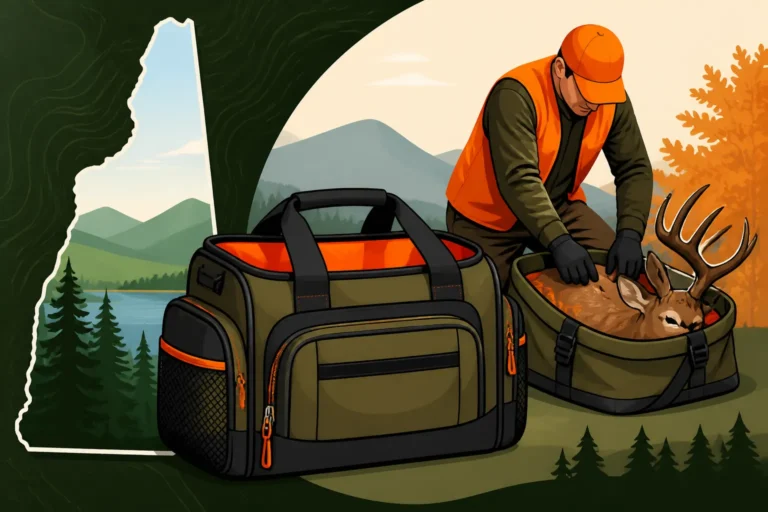
Dragging a hard-earned deer, bear, or even a quartered moose out of the wildlands of New Hampshire can be one of the most physically demanding parts of any hunt. It’s a challenge that can quickly turn triumph into exhaustion and even injury if you’re not prepared. That's where a quality ATV rack comes into its own, transforming what might be an impossible task into a manageable one, safeguarding both your back and your valuable game.
The Real Challenge of Hauling Game in New Hampshire
Anyone who has hunted New Hampshire for any length of time knows it’s not exactly a flat, easy-to-navigate landscape. From the steep, granite-strewn hillsides to the thick, boggy lowlands, our terrain is as beautiful as it is challenging. This unforgiving environment is precisely why thinking strategically about game retrieval is just as important as shot placement or scouting.
Navigating Rough Terrain and Distances
Picture this: you've successfully harvested a good-sized buck two miles back in the White Mountain National Forest, a place where the trails are little more than old logging paths overgrown with blowdowns and crisscrossed by rocky streams. The exhilaration of the shot quickly gives way to the daunting reality of getting that animal back to your truck. Trying to drag a heavy deer through tangled softwoods, over slippery roots, and up steep inclines is a recipe for exhaustion, frustration, and potentially even injury. It slows you down, taxes your muscles, and can easily turn a one-hour drag into a multi-hour ordeal, especially as daylight fades.
An ATV, properly equipped, changes this equation entirely. It allows you to access areas that would otherwise be foot-traffic only for extraction, or at least significantly shorten the manual drag. Instead of struggling every single foot, your focus shifts to carefully navigating the trail, which is still work, but a far cry from the sheer brute force required to move hundreds of pounds of dead weight by hand. This capability means you can hunt deeper, explore more remote cover, and increase your chances of finding unpressured game, knowing you have a reliable way to get your harvest out.
The Weight and Bulk of Big Game
Let's be realistic about what we're talking about here. A mature New Hampshire whitetail buck can easily weigh 150-200 pounds dressed, and a large black bear or a moose is an entirely different caliber of weight and bulk. Imagine trying to maneuver a 250-pound bear through dense underbrush or a 600-pound quartered moose out of a remote bog without any mechanical assistance. It's not just the weight; it's the awkward shape, the lack of natural handles, and the sheer volume the animal occupies.
Even if you field dress your animal on the spot, you're still dealing with a significant amount of dead weight. For larger species like moose, quartering is often the only practical option, but even then, each quarter is a substantial, heavy piece of meat. An ATV rack provides a stable platform to distribute this weight, keeping it off your body and allowing the machine to do the heavy lifting. This greatly reduces the risk of muscle strains or falls, and more importantly, it helps you preserve the quality of your meat by getting it out of the field more quickly and efficiently, especially during warmer early season hunts or when Hunting the December Archery Close when ice might be a factor.
Understanding Different ATV Rack Options for Game
When it comes to hauling game, not all ATV racks are created equal. The "best" option often depends on the type of game you're after, the terrain you'll traverse, and the specific ATV or UTV you're using. It's a spectrum, ranging from basic utility to highly specialized setups.
Front and Rear Racks: The Traditional Workhorses
Most ATVs come straight from the factory equipped with flat front and rear racks, typically made of steel or sometimes heavy-duty composite materials. These are the versatile workhorses designed for general utility, whether you're carrying a chainsaw, a toolbox, or a cooler. For smaller game like a fox, a handful of snowshoe hares, or even a modest-sized deer, these racks can certainly get the job done. The key is proper strapping and weight distribution.
However, their open, flat design means that larger, bulkier game needs extra attention to secure it properly. You'll likely find yourself using multiple ratchet straps, carefully crisscrossing and cinching them down to prevent any shifting, especially when you're navigating those bumpy New Hampshire trails. Without side rails or a basket design, there's always a risk of a heavy load sliding off, which can be disastrous for your animal and potentially for your ATV's balance. While they're convenient for many tasks, when you're thinking about Packing Out a New Hampshire Moose, these standard racks alone won't cut it.
Cargo Beds and Dump Beds: For Serious Hauling
If you’re regularly tackling larger game like big bucks, bears, or are lucky enough to draw a New Hampshire's Moose Permit Lottery, then a utility vehicle (UTV), often referred to as a side-by-side, with a dedicated cargo or dump bed is usually the superior choice. These machines are engineered specifically for heavy loads, and their beds reflect that purpose. They are much more robust, offering a contained space with higher sidewalls that inherently make securing game easier. Many models feature integrated tie-down points, eliminating the guesswork and allowing for quicker, more reliable strapping.
The real game-changer for UTVs, particularly for hunters, is the option of a hydraulic dump bed. Imagine arriving back at your truck after a successful bear hunt, and instead of wrestling a heavy animal off a flat rack, you simply flip a lever and the bed tilts, allowing the game to slide gently onto your tailgate or directly into a waiting cooler. This feature alone can save an immense amount of physical exertion and make the end of a long hunt significantly easier. These cargo beds offer a much more secure, contained, and often sanitary way to transport larger game compared to open ATV racks.
Specialized Game Haulers and Add-ons
Beyond the standard offerings, the market provides a range of specialized solutions for dedicated game retrieval. These include hitch-mounted carriers, which slide into your ATV's rear receiver hitch. These platforms are often elevated, keeping your harvest away from hot exhaust components and providing a convenient loading height. Some even fold up when not in use. However, be mindful of how they affect your departure angle when traversing steep terrain or crossing ditches.
There are also dedicated game baskets and custom-fabricated extensions designed to maximize the carrying capacity and security of your existing ATV racks. These add-ons often feature raised mesh or solid sides, creating a secure "box" that prevents game from sliding around. Some even integrate small ramps to aid in loading, or winch mounts to pull heavier animals onto the rack. When planning a serious backcountry hunt, particularly if you're targeting something substantial, it's worth taking the time to research these options. Consulting resources like GoHunt can provide a wealth of information, from user reviews to detailed product specifications, helping you find the perfect specialized solution for your New Hampshire hunting adventures.
Key Features to Look for in a Game-Hauling ATV Rack
Choosing the right ATV rack for hauling game is about more than just finding one that fits your machine. It's about investing in a piece of equipment that will stand up to the rigors of the New Hampshire wilderness and reliably perform when you need it most.
Durability and Construction Materials
Imagine being deep in the White Mountains, perhaps after a successful hunt where you've tagged a nice buck. You load your prize onto a rack that seemed sturdy enough in the store, only to hit a frost heave on a remote logging road, and hear a sickening screech of twisting metal. Suddenly, your hard-earned venison is on the ground, potentially damaged, and you're left with a broken rack miles from your truck. This isn't just an inconvenience; it can ruin a hunt and leave you stranded. That's why the construction of your ATV rack is paramount. You need something that can stand up to the rigorous demands of New Hampshire's varied terrain – from the rocky ledges of Grafton County to the mucky trails near a beaver flowage.
Look for racks made from heavy-gauge steel, preferably with a durable powder-coat finish. This coating isn't just for looks; it provides essential protection against rust, which can quickly take hold when exposed to blood, mud, snow, and the persistent dampness of our climate. While lighter aluminum racks exist, ensure they are specifically rated for significant weight and feature robust welds and reinforcement at all stress points. Avoid flimsy, thin-walled tubing or poorly executed welds, as these are weak points that will fail under pressure, leading to potential damage to your game, your ATV, and most importantly, your safety.
Capacity, Size, and Weight Limits
This is arguably the most critical factor. Every single rack, whether factory-installed or aftermarket, has a maximum weight capacity, and ignoring this limit is a recipe for disaster. Before you even head out, you need to know this figure and honestly assess the typical weight of the game you plan to harvest. A small deer might be within limits, but attempting to haul a large adult bear or the quarters of a moose on a rack designed for 50 pounds of gear is incredibly dangerous. The physical dimensions of the rack also matter. Can it accommodate the length and width of a deer without excessive overhang that could snag on trees or throw off the balance of your machine?
It's wise to err on the side of over-capacity rather than pushing the limits. Factor in not just the animal's field-dressed weight, but also the weight of any additional gear you might be carrying, such as a cooler, extra fuel, or a recovery winch. Overloading your ATV can compromise its handling, braking, and suspension, making it unstable and difficult to control on rough terrain. Always prioritize safety and ensure your chosen rack, and your ATV as a whole, can safely handle the load. Many hunters check specific gear and weight limits using resources like GoHunt before making a purchase, allowing them to compare specs effectively.
Attachment Methods and Stability
The best, most durable rack in the world is useless if it's not securely attached to your ATV. You need an attachment system that is rock-solid and won't flex, wobble, or come loose, especially when you're traversing uneven ground or Hunting a Granite Ridge Saddle. Look for racks that boast multiple, robust attachment points that bolt directly to the ATV's frame or utilize a sturdy receiver hitch system. Simple U-bolt clamps might suffice for lighter loads, but for heavy game, you want something that truly integrates with the machine's structure.
Avoid racks that rely on flimsy connections or appear to have excessive play once installed. Any movement in the rack itself will be amplified when a heavy, shifting load is placed upon it, severely impacting your ATV's stability and control. Ensure all hardware is heavy-duty, corrosion-resistant, and easily accessible for tightening if needed. A secure attachment method provides peace of mind and, more importantly, ensures that your valuable harvest makes it back to camp intact and without incident.
Integrated Features for Secure Transport
Beyond just raw capacity, think about the design features that actively help you secure and transport game safely. Racks with raised side rails or a basket-style design are invaluable. These physical barriers do wonders for preventing a heavy, awkward animal from sliding off, especially during turns or when going over bumps. They provide a much more contained space than a flat rack alone.
Integrated tie-down points are another critical feature. Instead of trying to find a spot on the outer frame to hook a strap, dedicated tie-down loops or slots allow for quicker, more effective securing of your load. These are often strategically placed to ensure optimal tension and prevent shifting. Some advanced racks might even include features like built-in winch mounts or small, deployable ramps to assist with loading particularly heavy game. While you're researching options, perhaps on a platform like GoHunt, pay close attention to these thoughtful additions; they can significantly enhance the functionality and ease of use, making your game retrieval process much smoother and safer.
Maximizing Your Rack for a Successful Retrieve
Having the right ATV rack is only half the battle; knowing how to properly use it for game retrieval is the other. Strategic loading, secure strapping, and diligent maintenance are key to a successful and safe haul.
Proper Loading Techniques for Stability
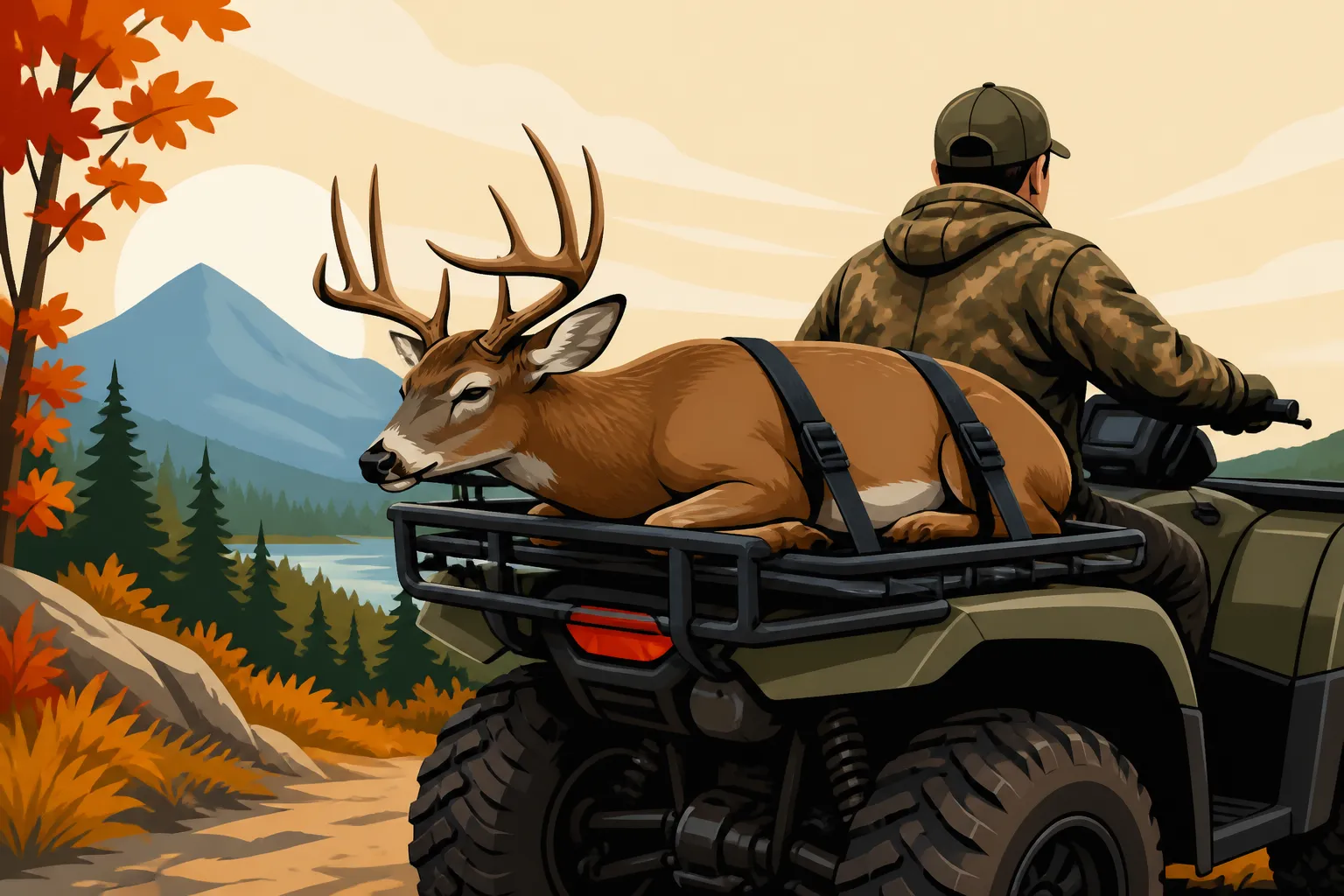
Loading a heavy animal onto an ATV rack isn't a random act; it's a strategic maneuver focused on maintaining your machine's stability. The goal is to distribute the weight as evenly as possible and keep the heaviest part of the load as close to the ATV's center of gravity as you can. For a deer, often placing it belly-down with its spine running along the center of the rack is effective. This position helps distribute weight across the length of the rack and minimizes undue leverage. Avoid having too much of the animal hanging off one side or the very back, as this can create an imbalance that makes steering difficult and increases the risk of tipping, especially on uneven terrain.
If you're dealing with exceptionally large game like a bear or moose, quartering the animal is often the most practical and safest approach. This breaks the massive weight into manageable pieces that can be distributed more effectively across front and rear racks, or even multiple trips if necessary. Remember that heavy loads on the front rack can make steering sluggish, while too much weight on the rear can lighten the front end, reducing traction and control. Always aim for a balanced load, and if you have a passenger, consider their weight distribution as well. This attention to detail when loading directly impacts your safety and the integrity of your harvest, especially when Hunting the Rut in Early-to-Mid November when big bucks are on the move and heavy.
Securing Your Harvest Safely
This step is absolutely non-negotiable for safe game transport. Never, ever rely on flimsy bungee cords for securing a heavy animal. While they might hold a jacket, they lack the tensile strength and static hold needed for hundreds of pounds of shifting meat. High-quality ratchet straps are your best friend here. Use at least two, preferably three or more, to crisscross over the animal and secure it tightly to multiple sturdy points on the rack and the ATV frame itself. The goal is to make the animal feel like an integral part of the ATV, not a passenger just resting on top.
Before you even put the ATV in gear, give the secured animal a good tug in several directions. If it shifts noticeably, you need to tighten or add more straps. During your journey, especially over rough ground, make it a habit to stop periodically and recheck your straps for any slack. A load that shifts can throw off your ATV's balance, potentially leading to a rollover, and can also chafe or damage the meat. Being meticulous about securing your harvest ensures it arrives at your vehicle in the best possible condition and keeps you safe on the trail.
Maintenance and Longevity of Your Rack
Your ATV rack is a workhorse, enduring mud, grime, blood, and the elements. Like any piece of essential hunting gear, it requires regular care to ensure its longevity and reliability. After each game retrieval, especially if there’s blood involved, thoroughly clean the rack. Blood is not only corrosive but can also attract insects and unwanted scavengers. A good scrub with warm, soapy water, followed by a thorough rinse, will prevent rust and keep your rack sanitary.
Beyond cleaning, routinely inspect all attachment points, bolts, and welds. The vibrations and stresses of off-road travel can loosen bolts over time, and rough use can stress welds. Look for any signs of cracking, bending, or excessive wear. Tighten any loose hardware immediately. If your rack has a powder-coat finish, touch up any chips or scratches with rust-inhibiting paint to prevent corrosion from spreading. A little bit of preventative maintenance throughout the season will ensure your rack is always ready for action, minimizing the chance of a failure when you're miles deep in the woods, counting on it to bring your trophy home. When you’re putting together your gear checklist for the season, perhaps using an app or resource like GoHunt, always include "rack inspection and cleaning" to ensure this critical piece of equipment is always in top condition.
ATV Rack Comparison for Game Hauling
To help you visualize the different options, here's a quick comparison of common ATV rack types and their suitability for hauling game in New Hampshire's diverse hunting landscape.
| Rack Type | Pros | Cons | Ideal For |
|---|---|---|---|
| Standard Front/Rear | Lightweight, universal, good for smaller items/gear. | Limited capacity, less secure for large game, can obstruct view. | Small game (coyotes, hare), gear, smaller deer with careful strapping. |
| Cargo/Dump Bed (UTV) | High capacity, very secure, integrated tie-downs, often dumpable. | Requires UTV, heavier, wider stance, higher initial cost. | Large deer, bear, quartered moose, multiple animals, extensive gear hauling. |
| Hitch-Mounted Carrier | Easy to install/remove, keeps game off ATV, accessible. | Can affect departure angle, obstruct taillights, heavy animals need a ramp. | Medium to large deer, bear, when ATV racks are full or preferred for cleanliness. |
| Specialized Baskets | Raised sides for security, protects game from exhaust. | Can be bulky, specific to certain ATV models, might limit visibility. | Deer, bear, odd-shaped loads that need containment. |
Disclaimer
This article is for general informational purposes only and does not constitute professional advice. Laws, prices and regulations vary by location and change over time. Consult a qualified professional for guidance on your specific situation.