Late-Season Food Sources for New Hampshire Whitetails
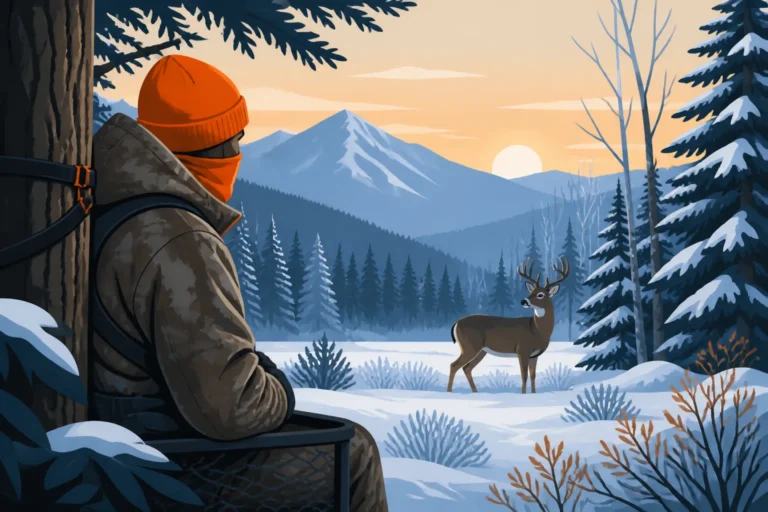
When the crisp air of early fall turns to the biting cold of December, and a dusting of snow gives way to deeper drifts, finding a New Hampshire whitetail can feel like searching for a ghost. The easy pickings of the early season are long gone, and deer are no longer leisurely browsing through lush food plots or fresh clearings. They’re facing the toughest part of the year, driven by a primal need to pack on calories and survive the impending winter. This guide will help you understand the critical late-season food sources that deer rely on in the Granite State and equip you with the knowledge to locate them, increasing your odds when the hunting gets truly challenging.
The Scarcity of Late-Season Forage in the Granite State
Let's be honest, hunting in New Hampshire in late November and December is a different beast. The woods often feel empty, and the deer sign you found so easily a month ago seems to have vanished. This isn't just bad luck; it's a direct reflection of changing conditions and the deer's desperate search for sustenance.
Why Food Becomes So Crucial Post-Rut
By the time the firearms season winds down, and we're heading into the final stretches of Hunting New Hampshire's Archery Season Into December or the short, intense Hunting Into the December Muzzleloader Close, whitetails are in recovery mode. Bucks, especially, have run themselves ragged during the rut, often losing significant body weight. Their fat reserves are depleted, and does have just gone through the strenuous breeding season. All deer, regardless of sex, are now focused almost entirely on one thing: survival.
Their metabolism is screaming for calories. They need energy to grow a thicker winter coat, to stay warm against the bone-chilling cold, and to simply keep going until spring. If you think you feel tired after a long day of hunting in the cold, imagine what a deer, who has to do it day in and day out, feels like. The abundant forage they enjoyed in September and October, like lush clover or easy-to-reach acorns, is either gone, buried, or frozen solid. This shift in availability makes the remaining food sources absolutely irresistible to them, creating predictable patterns if you know what to look for.
The Impact of Snow and Hard Freezes
The arrival of persistent snow cover fundamentally alters the deer's landscape. A few inches might not seem like much, but it effectively buries ground-level food sources that were easily accessible just weeks prior. Think about all those dropped acorns, succulent forbs, or leftover agricultural scraps – they're now under a blanket, requiring deer to expend precious energy pawing and digging to reach them.
Beyond the snow, hard freezes take their toll. Many plants that provided excellent browse earlier in the fall become brittle, less palatable, or even lose their nutritional value once severely frozen. Water sources can lock up, and even remaining soft mast can turn to mush. New Hampshire's winters are notorious for their relentless cold, often dipping well below freezing for extended periods. This combination of deep snow and frigid temperatures means that only the toughest, most resilient food sources remain viable, and deer will gravitate to these spots with unwavering determination. This is why knowing exactly what they can eat, and where those sources are likely to survive, is your biggest asset.
Identifying Key Natural Late-Season Food Sources
While the late-season woods might seem barren, nature always provides for its creatures. You just need to know where to look, and what specific types of forage still offer the nutrition New Hampshire whitetails desperately need.
The Enduring Power of Acorns and Other Hard Mast
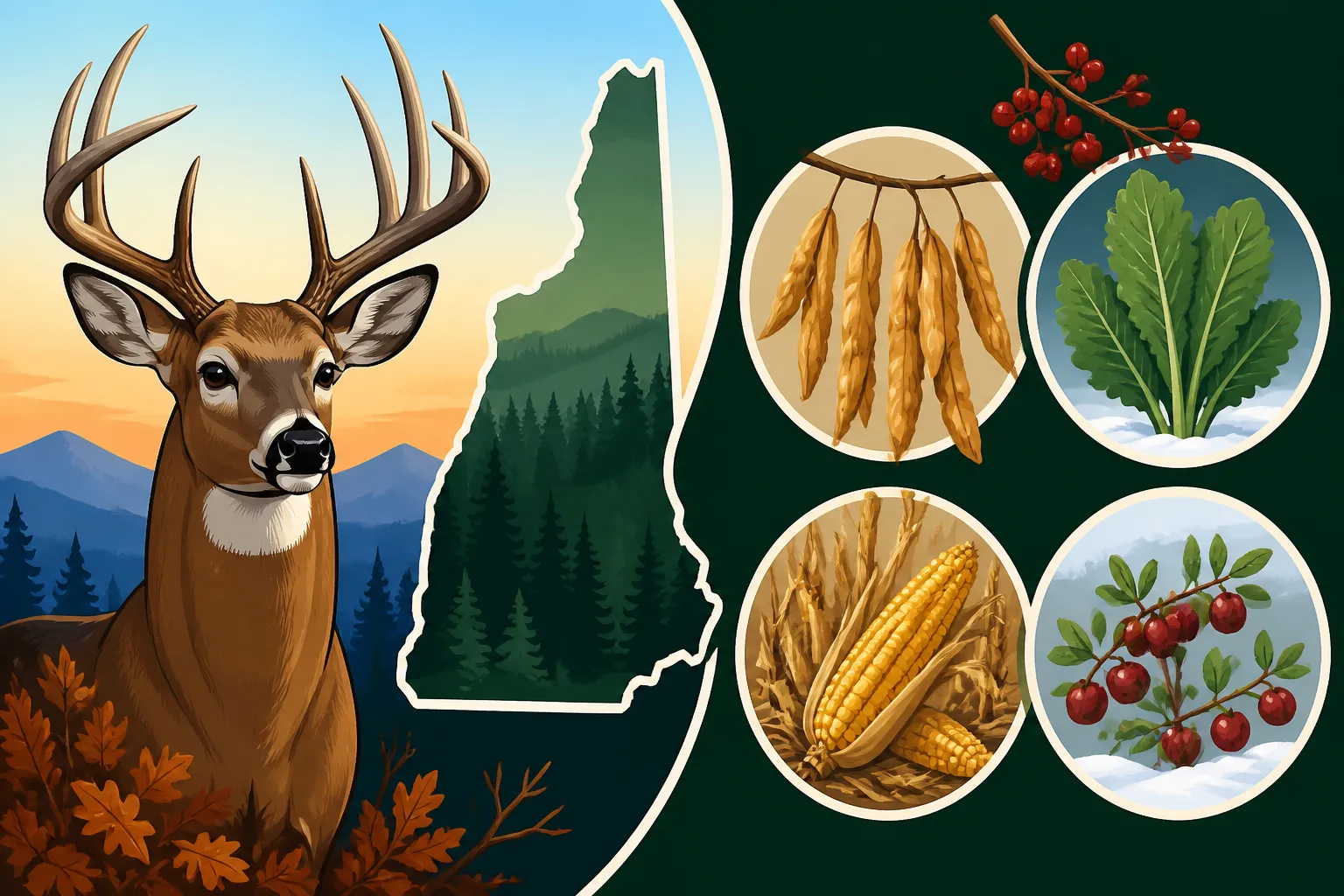
Even after the initial frenzy of the acorn drop in early fall, and even after other critters like squirrels and turkeys have had their fill, you can often find residual hard mast. Red oak acorns are your best bet in the late season. Unlike white oak acorns, which are sweeter and germinate quickly, red oak acorns contain higher levels of tannins, making them less appealing initially. However, this also means they tend to persist longer on the forest floor, often remaining viable and relatively untouched well into winter. Deer, desperate for calories, will absolutely paw through a couple of inches of snow to get to these nutritional powerhouses.
Look for stands of mature red oaks, particularly on south-facing slopes or ridges where snow cover might be slightly shallower. While less common or quickly consumed, if you're lucky enough to find a stand of American beech, their small, triangular nuts are another high-energy food source deer will seek out, often competing with bears and other wildlife for them. A quick check with a mapping app like GoHunt can often help pinpoint potential oak stands by identifying distinct canopy shapes or historical forest types.
Browse and Persistent Greens in Winter Cover
When hard mast becomes truly scarce or buried under deep snow, deer switch their primary diet to browse. This refers to the tender twigs, buds, and shoots of woody plants. In New Hampshire, common browse species include maple (especially red maple), birch, and aspen regeneration. Deer will clip the ends of these twigs, leaving tell-tale signs. Look for areas with recent logging activity or clear-cuts where young saplings are growing. These spots provide both food and dense cover.
Beyond deciduous browse, don't overlook evergreens, especially as a last resort. Hemlock, white cedar, and balsam fir, while not preferred due to their resinous taste and lower digestibility, can become critical emergency food sources during harsh winters. Deer will often yard up in dense conifer stands, especially Reading a White Mountain Deer Yard, precisely because these areas offer both thermal cover and a consistent, if less palatable, food supply. In sheltered pockets, particularly under a deep canopy or on sunny slopes, you might also find persistent greens like clubmosses, certain ferns, or even hardy broadleaf weeds that manage to stay green under light snow or in protected microclimates. These small, often overlooked greens can provide crucial vitamins and minerals.
Overlooked Soft Mast and Leftover Crops
While most soft mast (berries, apples, etc.) is long gone by late season, there are a few exceptions that can be absolute magnets for whitetails. Old, abandoned apple orchards are prime examples. Even frozen, shriveled apples still contain sugar and calories, and deer will happily munch on them. These forgotten orchards, often found near old homesteads or stone walls, are late-season treasures. Similarly, persistent crabapples and hawthorn berries can cling to branches well into winter, offering a much-needed sweet treat.
In agricultural areas, particularly in the river valleys like the Connecticut River or Merrimack Valley, you might find fields with leftover crops. Corn fields that haven't been thoroughly picked or have rows of downed stalks are huge draws. Deer will spend hours pawing through the snow to get to fallen kernels. Similarly, brassica plots (like turnips or kale) planted for deer can remain green and edible even after multiple hard freezes, with deer digging up the sweet bulbs. Using satellite imagery on a platform like GoHunt can help you spot these agricultural fields from afar, especially after harvest, and potentially identify access points. You'll want to target the field edges or wooded sections immediately adjacent to these food sources.
| Food Source Type | Common Locations | Deer Access Method | Late-Season Availability | Key Consideration |
|---|---|---|---|---|
| Red Oak Acorns | Mature oak stands, ridges, south-facing slopes | Paw through snow | Fair to Good | Tannins help them last; deer will dig. |
| Maple/Birch Browse | Clear-cuts, regenerating timber, forest edges | Nibble twigs & buds | Good | Look for dense young growth near cover. |
| Hemlock/Cedar | Dense conifer stands, swamps, sheltered ravines | Browse needles, twigs | Poor (Emergency) | Eaten when preferred food is gone; also provides thermal cover. |
| Wild Apples | Abandoned orchards, old homesteads | Dig/find frozen fruit | Fair | Highly attractive; check historical maps. |
| Corn/Brassicas | Unharvested agricultural fields (seasonal) | Paw through snow, eat bulbs | Good (Local) | Requires specific agricultural presence. |
| Clubmosses/Ferns | Sheltered woods, under dense canopy, south slopes | Graze/browse ground | Fair | Small, but offer vitamins; often overlooked. |
Strategies for Locating and Hunting Late-Season Food
Finding these specific food sources is only half the battle. You need a strategy to locate them effectively, understand how deer will use them, and then execute a hunt that accounts for the deer's heightened caution and the challenging winter conditions.
Leveraging Mapping Tools and Scouting for Hidden Gems
Modern technology has revolutionized how we scout. Tools like GoHunt, along with others such as Gaia GPS or onX Hunt, are invaluable for late-season planning. Before you even set foot in the woods, use these apps to:
- Identify Oak Stands: Look for areas on satellite imagery with distinct canopy shapes that indicate mature oaks. Some apps even have specific timber type layers. Cross-reference with historical maps for old orchards that might not be obvious from current satellite views.
- Spot Clear-Cuts and Regenerating Timber: Recent timber harvests show up as lighter green or distinct patches. These areas will almost certainly have the young browse deer rely on.
- Locate Agricultural Fields: Pinpoint cornfields, soybean fields, or even old pastureland. Pay close attention to the wooded edges or islands within these fields.
- Identify Thermal Cover: Look for large, dense blocks of dark green on the map – these often represent conifer stands (hemlock, pine, cedar) that provide critical thermal cover. Deer won't stray far from these in the cold.
Once you have potential spots identified on your map, the next step is boots on the ground, especially after a fresh snowfall. There's nothing quite like fresh snow to reveal deer movement. Follow tracks to see exactly where deer are feeding, bedding, and traveling. Are they pawing through snow for acorns? Are they heavily browsing a specific type of sapling? Are they Finding Sign in White Mountain Timber? This real-time scouting, combined with your mapping data, will confirm your hypotheses and show you the hot spots.
Focus on Cover and Thermal Advantages
Late-season deer are all about efficiency: finding food with the least amount of energy expenditure, and staying warm. This means their feeding habits are intimately linked to their need for cover and thermal protection. You won't find them browsing casually in wide-open hardwoods on a frigid, windy day. Instead, they will:
- Feed Near Thermal Cover: Deer will choose food sources that are immediately adjacent to dense coniferous cover – thick pine groves, hemlock stands, or cedar swamps. These areas block the wind, trap what little warmth there is, and offer a sanctuary from the elements. A deer might only step out of this cover for a short period to feed before ducking back in.
- Utilize South-Facing Slopes: Southern slopes receive more direct sunlight throughout the day, melting snow faster and warming the ground. This can expose browse or residual acorns earlier and provide a slightly warmer feeding environment. A deer might bed on the top of a south-facing slope and feed just below it.
- Connect Food to Bedding: In the late season, deer generally don't travel long distances between bedding and feeding. They're conserving energy. Your goal is to find the food source, then identify the most likely bedding areas (often dense conifers or thickets) within a few hundred yards. Set up between these two points, catching deer as they transition. Consider a Using a Ground Blind on Public Land in these areas for added concealment and warmth.
Understanding these dynamics is key to Cold-Weather Sitting Strategy in the North Country. It’s not just about finding the food, but finding the food that's strategically located to meet the deer's critical needs during the toughest time of year.
Patience and Persistence: The Late-Season Hunter's Best Friends
Hunting late-season whitetails in New Hampshire requires a different mindset. Deer are incredibly wary, educated by weeks of hunting pressure. They're likely to move primarily at dawn, dusk, and even during the middle of the day if the weather is particularly harsh or if they feel secure. This means long, cold sits are often necessary.
You need to be prepared for the elements. Layering for New Hampshire's Cold Hunting Season is non-negotiable. Invest in good insulated base layers, mid-layers, and a waterproof/windproof outer shell. Your Boots for New Hampshire's Granite Terrain need to be warm, waterproof, and comfortable for long trudges through snow. A quality thermos filled with hot coffee or soup can be a lifesaver.
When you identify a prime late-season food source, often near heavy cover, your approach needs to be stealthy. Hunt with the wind in your favor, and plan your entry and exit routes carefully to avoid spooking deer from their bedding areas. If you're hunting an apple orchard or a field edge, consider getting in well before first light and staying until well after dark. Sometimes, that midday lull in human activity is when the deer finally feel safe enough to move. Patience isn't just a virtue; it's a necessity for filling a tag when the mercury drops.
The Role of Supplemental Feeding and Regulations
While natural food sources are the foundation of late-season deer hunting, it's important to discuss supplemental feeding, not as a recommendation, but to understand the regulations and ethical considerations, especially here in New Hampshire.
Understanding New Hampshire's Baiting and Feeding Laws
New Hampshire has very specific rules regarding the baiting and feeding of deer. It is illegal to intentionally feed deer to concentrate them for the purpose of hunting. This means you cannot put out corn, apples, or other food items to draw deer to your stand. These regulations are in place for several critical reasons, primarily to prevent the spread of disease and to maintain the wild integrity of the deer herd.
According to New Hampshire Fish and Game, the intentional feeding of wild deer is prohibited to reduce the risk of disease transmission and to prevent negative impacts on deer behavior and habitat use. There are exceptions for incidental feeding (e.g., bird feeders that deer may visit) as long as steps are taken to deter deer, but setting out food specifically for deer is a no-go for hunting purposes. If you're uncertain about what constitutes illegal feeding, always consult the current New Hampshire Hunting Digest or contact Fish and Game directly. Ignorance of the law is not an excuse.
Ethical Considerations and Disease Risk
Beyond the legalities, there are significant ethical and biological reasons why artificial feeding of deer, especially in concentrated piles, is problematic.
Firstly, concentrated feeding sites are hotbeds for disease transmission. When deer gather in large numbers to feed from a pile, they exchange saliva and bodily fluids, making it incredibly easy for diseases like Chronic Wasting Disease (CWD), Epizootic Hemorrhagic Disease (EHD), or even tuberculosis to spread rapidly through the population. New Hampshire's deer herd is currently CWD-free, a status the state works tirelessly to maintain, and New Hampshire's CWD Prevention Rules are rigorously enforced, including strict limits on carcass importation and natural lure use. Protecting this status is paramount for the health of our deer and the future of hunting.
Secondly, supplemental feeding can alter deer behavior, making them unnaturally reliant on human-provided food sources. This can lead to increased conflicts with humans, dependency that makes them vulnerable if feeding stops, and a reduction in their natural foraging instincts. Our goal as hunters and conservationists should be to support a healthy, wild deer population that thrives on natural forage, not one that depends on handouts. Focusing on identifying and hunting natural late-season food sources not only increases your chances of success but also promotes a healthier, more sustainable deer herd in the long run.
Disclaimer
Please note: Hunting regulations, season dates, and specific rules can change. Always consult the most current New Hampshire Fish and Game Department hunting digest or website before planning any hunting activities. This article is for informational purposes only and does not constitute legal advice.