New Hampshire Deer Camp Traditions
Oh, the deer camp! If you've been chasing whitetails in New Hampshire for any length of time, you know it's about so much more than just the hunt itself. In a world that often feels rushed and disconnected, where we're glued to screens and rarely truly unplug, the simple idea of deer camp can feel like a lifeline to something authentic and deeply rooted. It's a place where stories get taller with each telling, where the coffee is always black, and the camaraderie is as thick as a winter coat on a North Country buck. This guide isn't just about setting up a tent; it's about understanding and fostering the rich traditions that make a New Hampshire deer camp truly special.
The Enduring Spirit of Deer Camp in New Hampshire
There's something uniquely grounding about the deer camp experience, especially here in New Hampshire. It's not just a physical location where you sleep between hunts; it’s a living, breathing tradition that connects generations of hunters to the land and to each other. For many, it's the highlight of their year, a sacred time away from the demands of everyday life, a return to simpler pleasures and deeper connections.
More Than Just a Place to Sleep
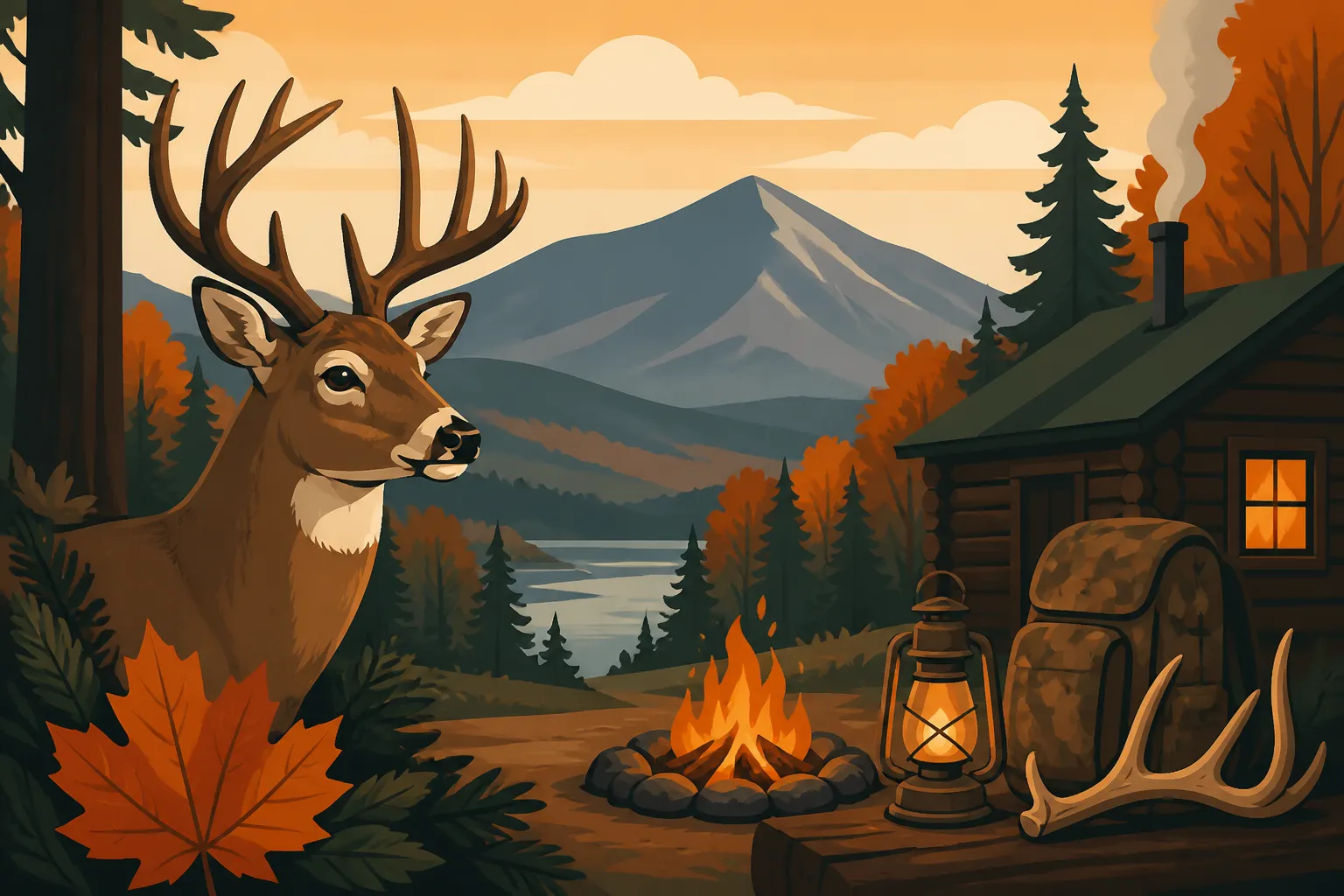
Let's be honest, modern life can make us feel pretty isolated sometimes. We work, we commute, we scroll, but how often do we truly sit around a fire, sharing meaningful stories and laughter with people who share our passions? Deer camp, whether it's a rustic cabin tucked away in the White Mountains or a collection of pop-up tents on public land, offers that crucial communal space. It’s where the planning happens for the next day's hunt, yes, but it’s also where friendships are forged, rivalries are good-naturedly stoked, and memories are cemented. You might be discussing different strategies for Hunting a Ridge-Top Saddle for Rutting Bucks or debating the merits of various calibers, but really, you're building a foundation of shared experience. It’s the kind of place where you know someone always has your back, whether it's helping track a deer after dark or just lending an extra pair of gloves when yours disappear.
A Break From the Grind
The sheer mental and physical exhaustion of our daily routines can really take its toll. The beauty of a New Hampshire deer camp is that it forces you to unplug. You're out in the crisp autumn air, surrounded by the rustling leaves of the hardwoods or the quiet solitude of the pines. There's a profound peace that comes from watching the sunrise over a frost-covered field from your stand, knowing that back at camp, coffee is brewing and breakfast is cooking. It's an opportunity to shed the stresses of work, family, and bills, and simply exist as a hunter, a provider, a part of the natural world. This escape isn't just about relaxation; it's about recalibrating your perspective, reminding yourself what truly matters, and finding clarity in the quiet moments between hunts. Even if cell service is spotty (which, let's face it, it often is in the best hunting spots!), that's part of the charm – it forces you to be present.
The Heartbeat of the Season
For many, deer camp signals the true beginning of the hunting season, a dedicated block of time carved out specifically for pursuing whitetails. The anticipation leading up to camp is palpable – checking gear, packing supplies, and the excited chatter with fellow hunters. Once camp is established, it becomes the rhythmic heartbeat of your season. Mornings start early, fueled by strong coffee and eager discussions about wind direction and recent sign. Evenings are for unwinding, often around a crackling fire, reliving the day's events, the near misses, the "if onlys." It’s where the collective wisdom of seasoned hunters mixes with the fresh enthusiasm of newcomers. Every shared meal, every joke, every moment of silence spent gazing at the stars becomes part of the tapestry of that hunting season, making the entire experience far richer than a solitary hunt could ever be.
Crafting Your New Hampshire Deer Camp: Essentials and Ethos
Building a successful deer camp isn't just about throwing a few sleeping bags in a cabin; it’s about intentional planning and fostering an atmosphere that supports both serious hunting and joyful fellowship. From choosing the right spot to establishing traditions that endure, every detail contributes to the overall spirit.
Choosing Your Camp Style and Location
The "look and feel" of your deer camp can vary wildly, depending on your resources, your crew, and your hunting style. Some folks are fortunate enough to have access to a rustic cabin, maybe a family legacy, or a small hunting shack on leased private land. These often come with wood stoves, a kitchen, and a solid roof over your head, making for a very comfortable experience. Others prefer the more mobile and minimalist approach, setting up a cluster of sturdy tents on Public Hunting Land in New Hampshire, perhaps in a State Forest, or even a designated campsite within the White Mountain National Forest, always remembering to follow specific Camping Rules on White Mountain National Forest Land. Think about how many people will be in your camp, what amenities (if any) you truly need, and how far you're willing to pack in gear. If you're hunting in a remote area, a lighter, more portable camp might be necessary. But if you have vehicle access, a more elaborate setup with a larger wall tent and portable stove can add a lot of comfort, especially when the New Hampshire weather turns nasty.
Essential Camp Gear and Logistics
Beyond your personal hunting gear – your rifle, your bow, your boots, and your carefully selected layers for Layering for New Hampshire's Cold Hunting Season – there's a whole different set of essentials for camp life itself. Power, heat, and food are paramount. A reliable heat source, whether it's a wood stove in a cabin or a propane heater for a large tent (used with extreme caution and proper ventilation!), is critical for staying warm and drying out wet gear. Cooking facilities can range from a simple portable stove to a full camp kitchen setup. Don't forget ample water, either carried in or filtered from a local source. For those planning a longer stay, say if you're out for a serious multi-day hunt, having a good system for food storage and cooking makes a huge difference. Think about coolers for perishables, and maybe a Dutch oven for hearty stews that feed a crowd. When it comes to planning your hunt and navigating the vast New Hampshire landscape, tools like GoHunt can be invaluable. Their mapping features allow you to scout new areas, identify potential stand locations, and plan your routes efficiently, all of which contribute to a more organized and enjoyable camp experience.
| Item Type | Essential Gear for New Hampshire Deer Camp | Notes |
|---|---|---|
| Shelter | Tent (wall, canvas, or robust dome), Cabin, RV | Ensure weather-appropriate. If tenting, consider floor, rainfly, and stakes for wind. |
| Sleeping | Sleeping bag (rated for temps), Sleeping pad/cot | Cold New Hampshire nights require good insulation. |
| Cooking | Camp stove, Fuel, Cookware, Utensils, Cooler | Propane stoves are popular. Bring enough for communal meals. Ice management for coolers is key, especially early season. |
| Food & Water | Non-perishable food, Water jugs, Water filter | Plan meals. Water is heavy; filter if a reliable source is available. |
| Heat & Light | Wood stove (cabin/wall tent), Propane heater, Lanterns, Headlamps | Heaters must be properly vented. Always have backup light sources. |
| Safety | First-aid kit, Fire extinguisher, Bear spray, Satellite communicator | Be prepared for emergencies, especially in remote areas. Communication is vital where cell service is poor. |
| Hygiene | Toiletries, Camp shower (optional), Toilet paper, Shovel | Leave No Trace principles apply. Pack out what you pack in. |
| Tools | Axe/saw, Repair kit, Rope, Zip ties, Duct tape | Useful for firewood, repairs, and general camp maintenance. |
| Miscellaneous | Camp chairs, Tables, Binoculars, Map/GPS (e.g., GoHunt) | Comfort items enhance the experience. GoHunt's mapping features can greatly assist in navigation and scouting from camp. |
Establishing Your Camp Rituals
Every good deer camp has its rituals, those unspoken (or loudly spoken!) traditions that define the experience. For some, it’s the daily draw of hunting spots from a hat. For others, it’s a specific card game played after dinner, or a round of storytelling by the fire. The shared morning coffee, strong and black, often accompanied by a hearty breakfast, is almost universal. After the morning hunt, returning to camp might involve a communal lunch, followed by an hour of napping or gear maintenance. When someone brings a deer back to camp, there's often a shared effort in Field Dressing a Deer in Cold Weather or even Butchering a Deer at Camp, turning the harvest into a collective endeavor. These rituals, big or small, are the threads that weave the fabric of your camp, making it truly yours. They create a sense of belonging and make the camp feel like home, even if it's just for a few days.
Passing Down the Torch: Mentorship and Memories
Deer camp is fertile ground for more than just successful hunts; it's where the rich tapestry of hunting heritage is passed from one generation to the next. The memories created here aren't just about bagging a buck; they're about the lessons learned, the stories shared, and the enduring bonds formed.
Mentoring the Next Generation of Hunters
One of the most profound traditions of deer camp is the mentorship of new or younger hunters. It’s an opportunity to teach not just the practical skills of hunting – how to track, how to shoot, how to read sign – but also the deeper ethics and values that define a responsible hunter. Imagine a seasoned veteran showing a novice how to interpret fresh tracks in the mud, or explaining the nuances of wind and thermals while Still-Hunting White Mountain National Forest Timber. These aren't just technical skills; they're life lessons about patience, observation, respect for wildlife, and appreciation for the natural world. Sharing these moments, like teaching a young hunter the proper way to handle Knives and Processing Gear for Field Dressing, instills a sense of pride and responsibility. It’s about building character as much as it is about building hunting proficiency. For many, their first deer camp experience shapes their entire understanding of hunting and their place within the outdoor community.
The Art of Storytelling and Reflection
Evenings at deer camp are prime time for storytelling. After a long day in the woods, the fire crackles, and the tales begin. You'll hear about the monster buck that got away, the crazy weather anomaly, the rookie mistake, or the perfectly executed stalk. These aren't just anecdotes; they're living history, told with passion and often a healthy dose of embellishment. These stories serve multiple purposes: they entertain, they educate, and they strengthen the bonds between hunters. They allow us to reflect on our experiences, to learn from past successes and failures, and to appreciate the journey itself. It's during these moments that you truly understand the meaning behind what you're doing, realizing that the hunt isn't solely about the kill, but about the entire experience, the challenge, the beauty, and the shared human connection.
Preserving and Evolving Traditions
While the core spirit of deer camp remains constant, traditions aren't static; they evolve. The old guard might lament the "good old days," but new technologies and approaches also have their place. Perhaps it’s a new recipe for camp chili, or integrating a drone for Scouting New Hampshire Public Land Before Season (where legal, of course), or using advanced mapping software from GoHunt to plan more precise hunts. The key is to find a balance – to honor the time-tested rituals that give camp its character, while also being open to innovations that can enhance safety, comfort, or success. Maybe it's still a simple game of cards, but now there's also a portable solar charger to keep phones alive for emergency calls (or to check deer regulations on the New Hampshire Fish and Game app). The essence of preserving tradition lies not in rigidly adhering to every detail of the past, but in maintaining the spirit of community, respect for the land, and the shared love of the hunt that defines deer camp.
Modern Twists on Classic Traditions
In our fast-paced world, it’s easy to think that age-old traditions like deer camp might fade. But New Hampshire hunters are a resourceful lot, and we've found ways to integrate modern conveniences and technologies without losing the soul of the experience. It’s about leveraging the best of both worlds.
Leveraging Technology for Better Hunts
Gone are the days when a paper map and a compass were your only navigation tools. While those are still essential backups, modern technology has revolutionized how we scout and hunt. Applications like GoHunt provide incredibly detailed aerial photos, topographic maps, and even public/private land boundaries right on your phone, making it easier than ever to plan your approach or find hidden pockets of deer, especially when you're trying to figure out Where New Hampshire Bucks Bed in Thick Cover. At camp, discussing the day's hunts often involves reviewing GPS tracks or trail camera photos uploaded to a laptop. Even communication, once limited to yelling across the campfire, can now involve two-way satellite communicators for remote areas, enhancing safety and coordination. The challenge, and the fun, is in integrating these tools in a way that supports the traditional hunt, rather than distracting from it.
Balancing Comfort with Ruggedness
Let's face it, no one wants to be miserable at deer camp. While there's a certain romance to roughing it, modern gear offers levels of comfort that can genuinely enhance the experience. Better tents, more efficient heaters, ergonomic camp chairs, and advanced sleeping systems mean you can be more rested and focused for the hunt. You might still be in a remote woodlot, far from civilization, but with a warm, dry place to sleep and a hot meal in your belly, you’ll be much more effective. Even something as simple as a reliable headlamp with different brightness settings can make those pre-dawn walks or post-hunt tracking sessions far safer and more comfortable. The "rugged" aspect isn't about unnecessary suffering; it's about being prepared for New Hampshire's unpredictable wilderness while still valuing practical comfort that helps you stay out longer and enjoy the experience more.
Community Beyond the Physical Camp
While the physical gathering is the heart of deer camp, the spirit of community extends beyond it. Many hunting groups now use messaging apps or online forums to share scouting reports, compare notes on New Hampshire Deer Herd Size, discuss strategy, or simply keep the camaraderie going in the off-season. These virtual camps can build anticipation, organize gear, and ensure everyone is on the same page for the actual hunt. And after a successful season, sharing photos and stories online allows the wider hunting community to celebrate together. It reinforces that while deer camp might be a specific location and time, the bonds and traditions it fosters are year-round and far-reaching, ensuring that the legacy of New Hampshire hunting continues to thrive.
Disclaimer
Please remember that hunting regulations and land access rules can change. Always consult the most current New Hampshire Fish and Game Department regulations before heading into the field. Safety should always be your top priority.