Packing for a Nine-Day Moose Hunt
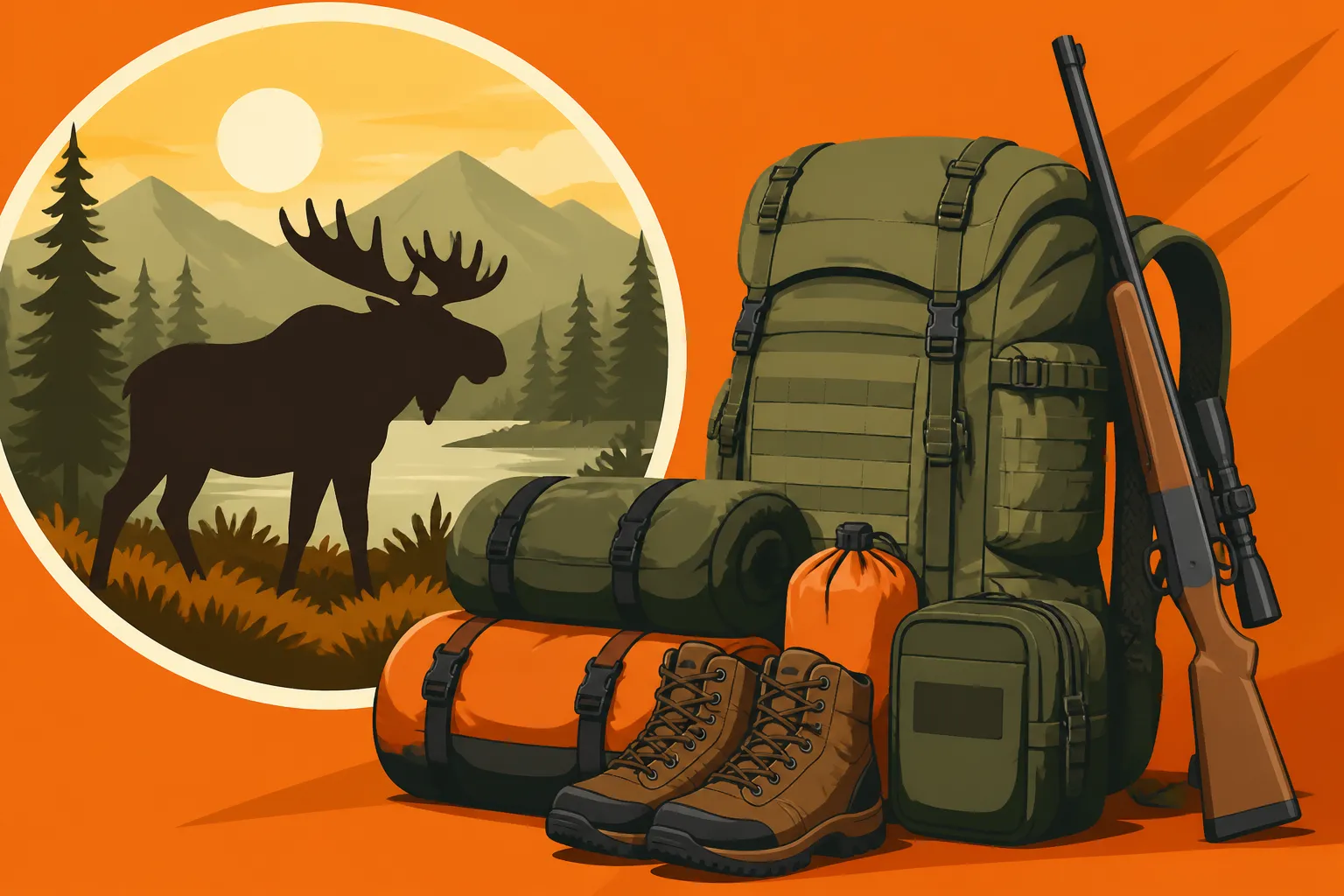
Preparing for a nine-day moose hunt in New Hampshire’s rugged North Country is more than just packing a few essentials; it's a strategic operation that can feel incredibly daunting. The sheer magnitude of a moose, combined with the unpredictable weather and challenging terrain of the Granite State, means your gear list needs to be meticulously crafted. This comprehensive guide is designed to cut through the confusion, helping you pack everything necessary for a safe, successful, and as comfortable as possible nine-day moose hunt.
The Essentials: Keeping You Alive and Hunting
When you're deep in the New Hampshire wilderness, far from any paved road or cell signal, your gear is literally your lifeline. Thinking about "survival" might sound dramatic, but it’s about being self-sufficient and prepared for whatever Mother Nature throws your way.
Clothing Layers for New Hampshire's North Country
New Hampshire’s fall weather in the North Country is famously fickle. One day you could be sweating in a t-shirt, the next battling sleet and snow. Layering isn't just a suggestion; it's a necessity, especially when you consider you'll be active, then sitting, then active again.
Your base layer is the foundation of your system, and it's where moisture management truly begins. Merino wool is often the hunter's choice because it breathes well, wicks sweat effectively, and retains warmth even when damp. Synthetic alternatives also perform admirably, often at a lower price point, but can sometimes hold onto odors more stubbornly. You’ll want at least two sets, allowing you to swap out a sweaty layer for a dry one, which can be a game-changer for comfort and preventing hypothermia. Remember, cotton is rotten; avoid it at all costs for anything touching your skin when hunting in cold, wet conditions. For more detailed insights, check out our guide on Layering for New Hampshire's Cold Hunting Season.
Mid layers are your insulation, trapping warm air close to your body. Fleece jackets, vests, and lightweight puffy jackets filled with synthetic insulation or down are excellent choices. Again, consider the weather forecast, but also pack options for flexibility. A lighter fleece for hiking in, and a heavier puffy for sitting glassing a bog in the early morning chill, offers versatility. The key is to have layers that you can easily add or shed as your activity level or the temperature changes, preventing overheating while hiking and chilling down during static periods.
Finally, your outer layers provide protection from wind, rain, and snow. A waterproof and windproof jacket and pants are non-negotiable. Look for materials that are durable enough to withstand brush and briars, yet as quiet as possible to avoid spooking game. The North Country can be surprisingly dense, and ripping fabric on a tree branch is not only annoying but compromises your protection. Having a full rain suit is often better than just a waterproof jacket, as wet pants can lead to misery and dangerous cold.
Your feet are your engines, and keeping them dry, warm, and blister-free is paramount. Investing in high-quality, waterproof, insulated boots is crucial. Look for boots with good ankle support, a stiff sole for navigating uneven terrain, and enough insulation for cold, static periods. A moose hunt often involves slogging through wet bogs, crossing rocky ridges, and traversing muddy logging roads. Consider a sturdy pair of full-grain leather boots or a modern synthetic equivalent known for its durability and waterproof membrane. For tips on selection, read our piece on Boots for North Country Bog Hunting. Don't forget multiple pairs of wool socks; a fresh pair can make a world of difference. Your head and hands are also critical for warmth regulation. A warm, waterproof hat and several pairs of gloves – thin liners for dexterity, mid-weight for general use, and heavy, waterproof gloves for extreme cold or wet tasks – are essential.
Navigation and Communication Tools
Getting lost in the vastness of the North Country isn't just an inconvenience; it can be life-threatening. Redundant navigation tools are not overkill.
A reliable GPS unit or a smartphone with robust mapping applications is a must. Apps like onX Hunt or GoHunt provide excellent topographic maps, satellite imagery, and critical public/private land boundary information, which is incredibly useful when you're far from familiar landmarks. Make sure to download all relevant maps for offline use before you leave home, as cell service will be nonexistent in many areas. It's not just about knowing where you are, but also planning efficient routes to and from your hunting areas, especially when you're looking to recover an animal. Our guide on Best GPS App for New Hampshire Public Land offers more insights into maximizing these tools.
While technology is great, never rely on it solely. Always carry a traditional compass and a detailed paper map of your hunting area. Batteries die, screens crack, and GPS signals can be spotty. Knowing how to use these analog tools could literally save your life. Before your hunt, take some time to practice orienting yourself with a map and compass, even if you feel proficient; conditions in the field can be disorienting.
For emergencies, a satellite communicator is an absolute game-changer. Devices from brands like Garmin inReach or Zoleo allow you to send and receive text messages, track your location, and trigger an SOS signal even when out of cell range. This isn't just for you; it's a way to let loved ones know you're safe and to call for help if something goes drastically wrong. The peace of mind this offers cannot be overstated, especially when you’re venturing deep into remote moose habitat. Discover more about essential communication in our article, Best Satellite Communicator for North Country Land. Don't forget extra batteries or a power bank capable of recharging your electronics multiple times.
Lastly, headlamps are a non-negotiable item. You'll be setting out before dawn and returning after dark, and navigating dense woods without light is perilous. Pack at least two reliable headlamps and an ample supply of spare batteries. Look for headlamps with multiple brightness settings and a red light option to preserve night vision.
Hunting Gear: Bringing Down the Bull
This is where the rubber meets the road. All the preparation, scouting, and physical training culminate in a single moment, and having the right tools for the job is essential for a clean, ethical harvest.
Weaponry and Ammunition
Choosing the right firearm for moose is critical. While New Hampshire allows a variety of calibers, moose are enormous, tough animals, and they require a significant amount of kinetic energy to be ethically harvested. You'll want a reliable, accurate rifle in a caliber known for its stopping power on large game. Popular choices often include .30-06 Springfield, .300 Winchester Magnum, or .338 Winchester Magnum. The exact rifle model is less important than its accuracy and your familiarity with it. Make sure it's sighted in precisely before you arrive in the North Country. To delve deeper into firearm choices, check out our guide on Rifles and Calibers for New Hampshire Big Game.
Equally important is your ammunition. This isn't the time to skimp. Choose premium, heavy-for-caliber bullets designed for deep penetration and controlled expansion on large animals. Think bonded core or monolithic bullets that hold together well. Pack at least two full boxes of your chosen ammunition: one for confirming your zero upon arrival (if you have the opportunity) and plenty for the hunt itself, allowing for follow-up shots if necessary. Consider reading our specific guide on Best Rifle Caliber for New Hampshire Moose for tailored advice.
No hunt is complete without quality optics. A clear, reliable scope on your rifle is paramount. Beyond that, a pair of 10×42 binoculars are indispensable for glassing distant clear-cuts, thick timber edges, or open bog country. They'll save your eyes from fatigue and help you spot moose you might otherwise miss. A rangefinder is also vital for accurate shot placement in varied terrain, especially if you're hunting open areas where distances can be deceiving. For more on selecting the right viewing equipment, refer to our article on Best Binoculars for a North Country Bog.
Calling gear can be a moose hunter's secret weapon. A good cow call and a grunt tube can entice a bull to come looking, especially during the rut. Practice using them beforehand so you sound convincing. A moose paddle, used to simulate a bull raking brush, can also be highly effective. The North Country can be a vast place, and drawing a moose to you can sometimes be more productive than endlessly trying to stumble upon one. Our guide on Calling a Bull Moose into Range provides excellent strategies for using these calls effectively.
Field Dressing and Meat Care Essentials
Success on a moose hunt means the real work begins. A moose can weigh over a thousand pounds, and field dressing and quartering it for transport is an immense task.
You'll need multiple sturdy, razor-sharp knives. Pack a fixed-blade knife for initial cuts, a smaller, sharper knife for precision work, and perhaps a gut hook knife for efficiency. A bone saw (manual or battery-powered) is almost essential for quartering, especially if you plan to bone out the meat. Nothing dulls a blade faster than processing a large animal, so bring a sharpener or extra blades for replaceable-blade knives.
Breathable game bags are critical for protecting the meat from dirt, insects, and scavengers once it's quartered. Don't skimp here; buy high-quality, large bags specifically designed for big game. You'll need enough to hold four quarters, the backstraps, and other prime cuts. Learn the best practices for meat care in our comprehensive article, Field Dressing a Moose in the North Country.
Moving a quartered moose, or even just the hide and head, out of remote country is a monumental effort. Heavy-duty rope, and ideally a small block and tackle or pulley system, will be invaluable for hanging quarters to cool or dragging them short distances. Some hunters even bring a small, foldable game cart, though navigating rough North Country terrain with one can be challenging. For the true logistics of extraction, look into Packing Meat Out of a North Country Bog.
Always carry a well-stocked first-aid kit, not just for yourself but also for potential situations related to game recovery. A cut from a knife, a sprained ankle in rough terrain, or even just blister care will be far from any immediate medical attention. In the event of a successful harvest, remember that temperatures, even in October, can sometimes be surprisingly mild. Plan for how you will keep the meat cool until you can get it to a processor or your freezer. This might involve bringing large coolers and knowing where to get ice.
Camp and Comfort: Sustaining Your Nine-Day Effort
A nine-day hunt isn't a sprint; it's a marathon. Maintaining your physical and mental well-being in camp is just as important as your hunting strategy in the field.
Shelter and Sleep System
Your shelter is your sanctuary after a long day of hunting. A durable, waterproof tent, rated for three or four seasons, is highly recommended. The North Country can experience early winter conditions, and a tent that can stand up to wind, rain, and even a surprise snowstorm will be worth its weight in gold. Ensure it's large enough for you and your gear, and consider a vestibule area for shedding wet outerwear. For expert advice on choosing your shelter, consult our article, Best Tent for a Multi-Day Public Land Hunt.
Your sleeping bag should be rated for temperatures well below what you anticipate, ideally 0°F or even colder for late October/early November hunts. Nights can get frigid, and a good night's sleep is crucial for energy and focus. Pair your sleeping bag with a high-quality sleeping pad that offers both comfort and, more importantly, excellent insulation from the cold ground. A pad with a high R-value will prevent heat loss and ensure you stay warm throughout the night. Our guide on Best Sleeping Bag Rating for Late-Fall Nights has more specifics.
A reliable camp stove and plenty of fuel are vital for hot meals, coffee, and even just boiling water for warmth or purification. Hot food and drink can do wonders for morale and energy levels. Consider a stove that is robust and performs well in cold, windy conditions. Safety is key; always use your stove in a well-ventilated area.
Food, Water, and Personal Items
Your food supply needs to be high-calorie, nutritious, and relatively lightweight. Dehydrated meals are popular, but supplement them with energy bars, nuts, dried fruit, and other snacks that don't require cooking. Plan your meals carefully for nine days, accounting for the intense physical exertion.
Access to clean drinking water is paramount. Pack a quality water filter or purification tablets, as well as a way to carry water throughout the day. Know your water sources in your hunting area beforehand. Even if you pack a substantial amount of bottled water, having a filtration system for refills from streams or lakes is a smart backup. GoHunt's gear lists often emphasize these detailed planning points, ensuring you cover every angle, from sustenance to emergency prep.
Keep personal hygiene items to a minimum and ensure they are scent-free. A small towel, toothbrush, and biodegradable soap are often sufficient. Don't forget sunscreen and insect repellent. While you might not think of bugs in the fall, warm spells can bring out black flies or mosquitoes, and the sun can still be intense, especially on open ridge tops or during prolonged glassing sessions. A robust power bank will keep your crucial electronics charged through the entire trip.
Logistical Considerations and Contingency Planning
A successful moose hunt goes beyond just the kill; it's about the entire journey, from planning to extraction and everything in between.
Vehicle and Transport Prep
Your vehicle is your lifeline to and from the hunting grounds, and potentially your primary means of hauling out a moose. A robust truck, ideally with four-wheel drive, is almost a necessity for accessing remote logging roads and trails in the North Country. Consider renting a small utility trailer if your truck bed isn't large enough or if you anticipate needing extra hauling capacity for meat, gear, and potentially an ATV if you plan to use one where permitted.
Don't forget essential recovery gear: a winch (either vehicle-mounted or portable), tow straps, chains, and a shovel can save you from being stranded on a muddy or snowy road. Extra fuel cans are also a smart addition, as gas stations can be few and far between in remote areas. A tire repair kit and a full-size spare are also prudent.
Finally, ensure all your permits and documentation are in order. This includes your New Hampshire hunting license, your moose permit, and proof of hunter education. Keep them in a waterproof pouch and carry them on your person at all times while hunting. Familiarize yourself with the New Hampshire Moose Permit Cost for Residents and the New Hampshire Moose Lottery Application Process long before the season.
Emergency Preparedness and Redundancy
Thinking about emergencies isn't being pessimistic; it's being realistic and responsible. Always pack at least one complete change of dry clothes, especially extra socks and base layers. If you get soaked in a sudden downpour or fall into a bog, having dry clothes can prevent hypothermia.
A reliable fire starter, such as waterproof matches, a lighter, or a ferro rod, is crucial for warmth and signaling in an emergency. A whistle or signal mirror can help rescuers locate you if you're injured or disoriented. Before your hunt, always communicate your detailed itinerary with someone reliable back home, including your expected return time and a general idea of your hunting area. Agree on a check-in schedule.
Understanding the specific terrain and regulations of your designated Wildlife Management Unit (WMU) is also part of preparedness. Research maps, read online forums, and if possible, scout the area beforehand. Many successful hunters use planning tools, and a GoHunt subscription provides excellent mapping and research features for remote areas, giving you an edge in understanding the lay of the land. The more familiar you are with your hunting grounds, the better equipped you'll be to handle unexpected challenges.
| Category | Essential Items | Quantity (for 9 days) | Notes |
|---|---|---|---|
| Clothing | Merino Wool Base Layers | 2-3 sets | Wicking, warm even when wet; avoid cotton. |
| Mid-Layers (Fleece, Puffy Jacket) | 2-3 | Insulating, adaptable for activity levels. | |
| Waterproof/Windproof Outer Shell (Jacket & Pants) | 1 set | Durable, quiet, breathable. | |
| Insulated, Waterproof Boots | 1 pair | Broken in, good ankle support, suitable for bogs and rocky terrain. | |
| Wool Socks | 6-9 pairs | Keeps feet warm and prevents blisters. | |
| Warm Hat, Gloves (liners, mid-weight, heavy/waterproof) | 1 each, 2+ pairs | Layered hand protection. | |
| Navigation | GPS Device or Smartphone w/ Offline Maps | 1 | Pre-downloaded maps; extra battery bank. GoHunt or onX Hunt recommended. |
| Compass & Paper Map | 1 each | Essential backup, know how to use. | |
| Headlamp (primary & backup) | 2 | Extra batteries for both. | |
| Satellite Communicator | 1 | SOS function, texting out of cell range. | |
| Hunting | Rifle & Ammunition | 1 & 2 boxes | Appropriate caliber for moose (.30-06, .300 WM, .338 WM), premium bullets. |
| Rifle Scope, Binoculars (10×42), Rangefinder | 1 each | Clear optics for spotting and accurate shots. | |
| Moose Calls (cow call, grunt tube, paddle) | 1 each | Practice before the hunt. | |
| Knives (fixed blade, small, bone saw) | 3 | Sharpener or extra blades. | |
| Game Bags (large, breathable) | 4+ | For quarters, hide, and other meat. | |
| Rope/Pulley System | ~50-100 ft | For hanging and moving meat. | |
| First-Aid Kit (personal & general) | 1 | Well-stocked for injuries, blisters, etc. | |
| Camp & Comfort | Tent (3-4 season rated) | 1 | Durable, waterproof, adequate space. |
| Sleeping Bag (0°F or colder) & Sleeping Pad (high R-value) | 1 each | Crucial for warmth and rest. | |
| Camp Stove & Fuel | 1 & ample fuel | For hot meals and drinks. | |
| High-Calorie Food (dehydrated meals, snacks) | 9 days' supply | Easy to prepare, non-perishable. | |
| Water Filter/Purification Tablets | 1 | Plus water bottles/reservoirs. | |
| Personal Hygiene (scent-free) | Minimal | Toothbrush, small towel, biodegradable soap. | |
| Sunscreen & Insect Repellent | 1 each | Unexpectedly important. | |
| Power Bank (for electronics) | 1-2 | Multiple charges for phone, GPS, headlamp. | |
| Vehicle Prep | 4×4 Truck/Trailer | 1 | Adequate for hauling moose; consider rental. |
| Winch, Tow Straps, Chains, Shovel | 1 each | For vehicle recovery. | |
| Extra Fuel Cans | 2+ | Remote areas mean long distances between gas stations. | |
| Tire Repair Kit & Full-Size Spare | 1 each | Prevent being stranded. | |
| Licenses, Permits, Hunter Ed Proof | All | In waterproof pouch, on person. |
Disclaimer
This guide offers comprehensive advice for a New Hampshire moose hunt but should not replace official regulations. Always consult the most current New Hampshire Fish and Game Department hunting digest for specific dates, rules, and licensing requirements before your hunt. Safety is paramount; hunt responsibly and be prepared for all conditions.