Glassing a Bog for a Bull Moose
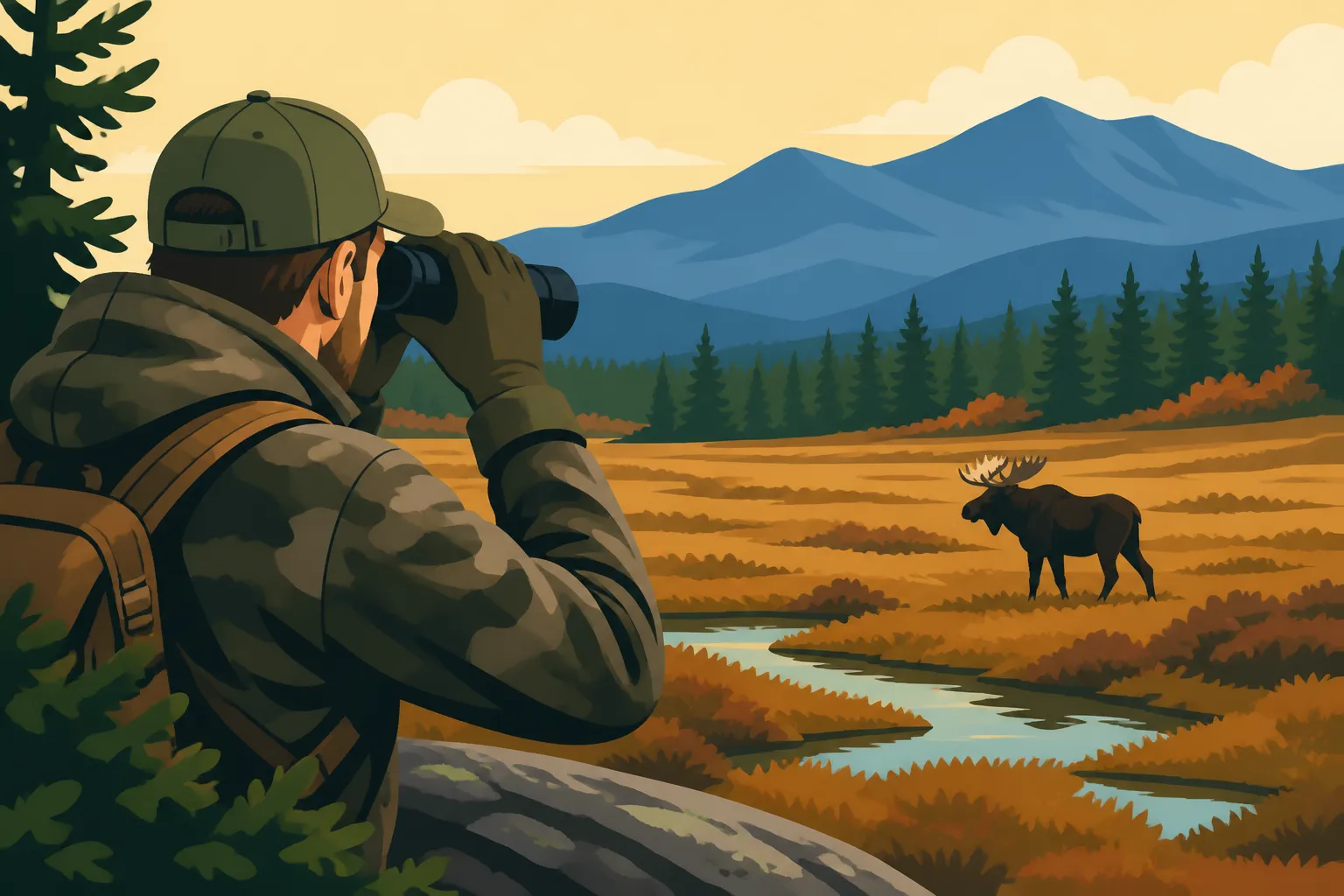
The vast, wild landscapes of New Hampshire hold a certain mystique, especially when you're talking about moose country. For many, the dream of spotting, let alone harvesting, a colossal bull moose is the pinnacle of a North Country hunt. But if you’ve ever tried to locate one of these elusive giants in the dense, often impenetrable bogs, you know it’s not as simple as just strolling through the woods. The sheer scale of the terrain, combined with the moose's ability to disappear into the thickest cover, can be incredibly frustrating. This guide is here to cut through that frustration, offering a comprehensive approach to effectively glassing New Hampshire bogs for that bull moose of a lifetime.
Understanding New Hampshire Moose Bogs and Their Inhabitants
Before you can effectively glass a bog for a bull moose, you need to understand what makes these unique ecosystems so attractive to them. It’s not just a random patch of wet ground; it’s a vital part of their habitat, offering sustenance, cover, and a cool respite from the sun and insects.
The Anatomy of a Moose Bog
Imagine stepping into a New Hampshire bog: the ground is soft, often squishy underfoot, and the air is thick with the scent of damp earth and coniferous trees. These aren't your manicured lawns; they are wild, untamed places. Typically, a moose bog is a low-lying, often acidic wetland characterized by dense stands of cedar, spruce, and balsam fir, intermixed with thickets of alders and willows. The open water areas, or even just saturated ground, support a rich growth of aquatic vegetation like water lilies, pondweed, and various sedges.
Moose are masters of their environment, and these bogs provide exactly what they need. The abundant browse – young shoots of willow, alder, and dogwood – is a major food source. The aquatic plants are particularly appealing because they offer a higher sodium content, a crucial mineral often scarce in terrestrial plants. Beyond food, the dense conifers provide excellent thermal cover, shielding moose from harsh winds and snow in winter, and offering cool shade during hot summer days. For a moose, especially a bull looking for a place to bed down or escape hunting pressure, a bog is a sanctuary. Whether you’re deep in the Umbagog Lake Wetlands or exploring other parts of the North Country, the common features of these boggy areas are key to locating moose.
When and Why Moose Use Bogs
Moose aren't just random visitors to bogs; their usage patterns are quite deliberate and often seasonal. In spring and summer, bogs become prime feeding grounds. As the temperatures rise, the cool, wet environment helps them regulate their body temperature, especially when dealing with the relentless summer insects. They'll spend hours wading in the water, dipping their heads to feed on submerged vegetation, providing a perfect opportunity for observation if you're patient and know where to look.
As fall approaches and the rut begins, bogs take on a new significance. They transform into natural arenas where bulls search for cows and challenge rivals. Bulls become incredibly vocal, and the unique acoustics of a bog can carry their grunts and calls for miles. This makes it an ideal place for Calling a Bull Moose in Late October. Even outside the peak rut, post-rut bulls might frequent bogs to recover energy, feeding heavily on browse to regain weight lost during their breeding exertions. Understanding these patterns, combined with knowledge of the New Hampshire Moose Season Dates, is crucial for timing your glassing efforts.
Essential Gear and Techniques for Effective Glassing
Glassing for moose in these vast landscapes isn't about aimless scanning; it's a strategic operation that demands the right tools and a disciplined approach. Without proper optics and a systematic method, you’ll quickly grow frustrated and potentially miss that trophy bull.
Optics Selection: The Right Tools for the Job
Your eyes alone won't cut it when you're trying to pick out a dark shape against an equally dark, cluttered background. High-quality optics are not a luxury; they are an absolute necessity.
- Binoculars: These are your primary tool for scanning. A good pair of 10×42 or 10×50 binoculars provides an excellent balance of magnification, field of view, and light-gathering capability, crucial for those low-light conditions at dawn and dusk. Look for binoculars with excellent edge-to-edge clarity and a wide field of view to help you cover more ground. Brands like Vortex, Maven, or Leupold offer fantastic options that can handle New Hampshire's rugged conditions. You'll want to choose the Best Binoculars for Glassing a North Country Bog that can cut through the haze and allow you to resolve details in dense cover.
- Spotting Scope: For truly distant or questionable objects, a spotting scope is invaluable. A 20-60x magnification range allows you to zoom in on a potential target, confirm it's a moose (and not a stump!), and even judge its size and antler development. While heavier, a good spotting scope on a sturdy tripod is essential for those long-range observations across expansive bogs. Consider lightweight carbon fiber tripods to make packing easier. Choosing the Best Spotting Scope for Long Timber Shots will definitely pay off when you're trying to pick apart distant vegetation.
- Tripods: A common mistake is trying to handhold binoculars or a spotting scope for extended periods. Your arms will tire, and your vision will shake, making it impossible to truly pick apart the details of a distant bog. A solid tripod, paired with a suitable adapter for your binoculars, allows for rock-steady viewing, reducing eye fatigue and greatly increasing your ability to spot subtle movements or shapes.
Here’s a quick comparison of optics types for bog glassing:
| Optic Type | Ideal Magnification | Primary Use | Pros | Cons |
|---|---|---|---|---|
| Binoculars | 8x-12x | Wide-area scanning, close-to-mid range ID | Portable, wide field of view, good light | Limited detail at long range |
| Spotting Scope | 20x-60x | Long-range identification, antler assessment | High magnification, excellent detail | Heavy, narrow field of view, less portable |
| Rangefinder Binos | 10x | Scanning + Distance Measurement | Efficiency, reduces gear, fast ranging | Higher cost, can be heavier |
Strategic Glassing Methods
Glassing isn't just staring; it's a deliberate and patient process of systematically dissecting the landscape.
- Find a Vantage Point: The first step is to get above the bog. This might mean climbing a small knoll, a granite ridge, or even a strategic rise along a logging road. The goal is to gain an elevated perspective that allows you to see into the bog, rather than just over the top of the vegetation. When you're Hunting a Ridge Above a North Country Bog, you’re perfectly positioned for effective glassing.
- Divide and Conquer: Mentally (or with mapping apps like GoHunt) divide the bog into manageable sections. Start with the nearest section and work your way outwards.
- The Grid Method: Begin by slowly scanning the nearest edge of your chosen section, moving your optics in a horizontal line, then dropping down slightly and moving back across in the opposite direction. Pay excruciating attention to detail. Don't just look for "a moose"; look for parts of a moose: a dark patch that doesn't quite look like a shadow, an antler tine catching the light, an ear flick, a slight movement in the alders. Moose are masters of camouflage, and often only a tiny piece of them will give them away.
- Slow and Steady: This is probably the hardest part for most hunters. Resist the urge to quickly scan. Spend at least 5-10 minutes, sometimes more, on each section of the bog before moving your optics even slightly. Many times, what looks like a stump or a clump of brush will slowly resolve into a moose as your eyes adjust and you let your brain process the image. This kind of systematic Scouting With the New Hampshire Fish and Game App to identify potential glassing points and then patiently picking them apart is key.
- Look Through the Cover: Moose often bed down or feed just inside the dense cover. Don't just scan the open areas. Look through the gaps in the alders, between the cedar trees, and at the edges where dense cover meets open water. A quality optic will help you penetrate these layers.
Timing Your Hunt and Interpreting Moose Behavior
Even with the best gear and techniques, timing is everything. Moose activity varies significantly throughout the day and across the hunting season. Knowing when to be in your glassing spot and what to look for can drastically improve your chances.
Best Times of Day and Season for Bog Glassing
Just like deer, moose have peak activity periods that align with feeding and breeding.
- Early Morning and Late Evening: These are prime times for glassing. Moose are most active during the cooler parts of the day, moving out of their bedding areas to feed in the bogs. At dawn, they'll often be actively browsing on aquatic vegetation or the tender shoots of willows and alders. As dusk approaches, they'll emerge again for a final feeding session before bedding down for the night. The low light during these periods can make spotting challenging, but good optics make all the difference.
- The Rut (Late September to Mid-October): This is arguably the best time to be glassing bogs. During the rut, bull moose are far more active throughout the day, driven by the urge to find cows. They'll travel more, challenge other bulls, and be less cautious. Bogs become key congregation points. A large, open bog offers bulls a clear space to display their dominance and for cows to be visible. This is a fantastic time for Moose Hunting New Hampshire's North Country because the bulls are more mobile and less focused on being secretive.
- Post-Rut (Late October/Early November): While the peak activity has passed, bulls are often still present in and around bogs. They are exhausted from the rut and need to replenish their fat reserves for winter. They will feed heavily, sometimes throughout the day, making them predictable targets if you can locate their preferred feeding bogs.
Reading Moose Sign and Behavior
Beyond spotting the moose itself, a keen eye for sign and an understanding of moose behavior can guide your glassing efforts.
- Visual Cues: Look for dark, blocky shapes that seem out of place. Moose are huge, but they can blend in surprisingly well. Pay attention to subtle movements: an ear twitch, a flick of a tail, steam rising from their breath on a cold morning. Their coats are a deep, almost blackish-brown, which can look like a shadow or a wet patch of ground from a distance. Look for the glint of sunlight off an antler or the pale patch of their bellies.
- Tracks and Wallows: While glassing, keep an eye on the edges of the bog. Fresh tracks indicating a large animal entering or exiting can confirm recent moose activity. During the rut, look for "wallows" – muddy depressions where bulls have urinated and rolled, creating a strong scent to attract cows. These are clear indicators that a bull is actively using the area.
- Rubs: Bulls will rub their antlers on trees and saplings, especially during the rut, to shed velvet and demonstrate their presence. Look for fresh rubs on trees around the perimeter of the bog. These tell you a bull has been in the vicinity, and if there's good cover and food, he's likely to return.
- Vocalizations: Don't just rely on your eyes. During the rut, listen for the deep grunts of bulls or the plaintive cow calls. The dense vegetation and humid air of a bog can often carry these sounds further than you might expect, guiding your focus to a specific area to begin glassing.
Overcoming Challenges and Maximizing Success
Hunting moose in New Hampshire is a challenge, but with persistence and preparation, you can turn those frustrations into success stories. The environment itself presents unique hurdles, and your mental game is just as important as your physical one.
Dealing with Environmental Factors
New Hampshire's weather and terrain can be unforgiving, and bogs add another layer of complexity.
- Weather: Fog, rain, and even heavy dew can severely reduce visibility, making glassing nearly impossible. If a dense fog rolls in, don't despair. Use the time to review your maps (especially if you're using GoHunt to mark potential spots), plan your next move, or simply wait it out. A good quality rain jacket and pants are essential, as is knowing how to keep your optics clear and dry. A lens cloth and anti-fog solution can be your best friends.
- Glare: Sunny days can create challenging glare off the water or wet vegetation. Polarized sunglasses are critical for reducing this glare and allowing you to see into the water and shaded areas more effectively. Try to position yourself so the sun is not directly in your eyes.
- Insects: Ah, the infamous New Hampshire black flies and mosquitoes! They can be a relentless distraction, making it hard to concentrate on glassing. Good bug repellent (with DEET or picaridin) is non-negotiable. Head nets can also be a sanity saver, especially during early season hunts or still mornings. Don't let the bugs drive you out of a prime glassing spot.
- Wind and Thermals: Understanding how wind and thermals affect scent is paramount, even when glassing from a distance. Moose have an incredible sense of smell. Always approach your glassing spot with the wind in your favor, or at least a crosswind, to prevent your scent from drifting into the bog and alerting any moose present. In steep granite terrain, thermals often draw scent uphill in the morning and downhill in the evening, something to always consider when approaching your vantage point.
Patience and Persistence: The Hunter's Virtues
Moose hunting, especially by glassing, is a marathon, not a sprint. You might glass dozens of bogs before finding what you're looking for, and even then, getting a shot might require further planning and execution.
- Thoroughness: Never assume a bog is empty. As mentioned earlier, spend sufficient time methodically picking apart every inch of it. Many hunters make the mistake of scanning too quickly and moving on, missing a moose that might have been bedded down or subtly hidden. Sometimes what looks like just a dark spot in the shadows is actually the rump of a trophy bull.
- Flexibility: If your chosen bog doesn't yield results after a dedicated glassing session, be prepared to move. Have several backup bogs or vantage points identified on your maps, perhaps using insights gained from Reading Aerial Photos for North Country Deer which can also reveal great moose habitat. Sometimes, simply changing your angle or moving to a different side of the bog can reveal an animal that was previously hidden.
- Learning from Experience: Every hunt, successful or not, is a learning opportunity. Pay attention to when and where you see moose (or fresh sign). Was it a particular type of cover? A specific time of day? A certain weather condition? Over time, you'll develop a deeper understanding of moose behavior in your chosen hunting area. Remember, while the goal is to harvest, the experience of being in the wild, patient, and observant, is its own reward. After you've successfully located and harvested your bull, you'll need to know all about Packing Out a New Hampshire Moose – it's an even bigger challenge than finding them! For those who dream of hunting moose in the Granite State, entering the New Hampshire Moose Permit Lottery is the first critical step. The state is committed to ensuring a healthy herd, and managing the New Hampshire Moose Population Estimate is a significant undertaking.
Disclaimer
Hunting is an inherently dangerous activity. Always prioritize safety, adhere to all New Hampshire Fish and Game Department regulations, and respect private property. The information provided in this guide is for educational purposes only and should not replace professional guidance or official hunting regulations. Be prepared for rapidly changing weather conditions in New Hampshire's backcountry, especially in moose country.