Running Hounds on a New Hampshire Bear
Running hounds on a New Hampshire bear is a hunting tradition deeply woven into the fabric of our state, offering an incredibly dynamic and physically demanding experience. However, the path to a successful and legal bear hound hunt is fraught with specific regulations, intense preparation, and a deep understanding of both bear behavior and your canine companions. Many hunters feel overwhelmed by the legal complexities and the sheer logistics of managing a pack in our rugged terrain, but this guide aims to demystify the process, providing a comprehensive look at what it takes to ethically and effectively pursue black bears with hounds in the Granite State.
The Legal Landscape of Bear Hounding in New Hampshire
Let's be real: hunting with hounds isn't something you just wake up and decide to do on a whim, especially not in New Hampshire. It comes with a very specific set of rules and a deeply ingrained tradition that the New Hampshire Fish and Game Department takes seriously. Getting these details right isn't just about avoiding a ticket; it's about respecting the hunt, the wildlife, and your fellow outdoorsmen.
Understanding WMU-Specific Regulations and Season Dates
One of the biggest head-scratchers for new and even seasoned bear hunters in New Hampshire is how much the rules can change depending on where you are. We don't have a one-size-fits-all bear season. Instead, it's broken down by Wildlife Management Units (WMUs), and these units dictate when and how you can hunt. For hound hunters, this is absolutely critical. You might find that the season for running hounds has a different start and end date than, say, a bait season or a still-hunting season in the same WMU.
For instance, the northern WMUs, like A, B, and C, often have longer bear seasons to help manage a more robust bear population. Down south, in WMUs like M or K, the seasons might be shorter, or specific methods might be restricted entirely due to population dynamics or higher human density. This isn't just a suggestion; it's law. You've got to consult the current New Hampshire Hunting Digest every single year, because these dates and rules can (and do) shift. Imagine getting your pack geared up, driving hours to a prime location in Coos County, only to find out the hound season hasn't opened yet, or worse, just closed a few days prior! That's a frustrating scenario you can avoid by doing your homework upfront. A good resource is always to check the official Fish and Game website or even use apps like GoHunt that integrate up-to-date regulations. For a deeper dive into the overall season structure, check out our guide on New Hampshire's WMU-Specific Bear Season.
Licensing, Permits, and the Importance of Fair Chase
Beyond just knowing when and where you can hunt, you absolutely need to make sure you're legally equipped yourself. This means having the proper licenses and permits. First and foremost, you'll need a valid New Hampshire hunting license. Then, specifically for bear hunting, you'll need an additional bear permit. And if you're using hounds, there's often a separate permit or declaration associated with that method, sometimes requiring a specific "hound hunter" certification or a permit for your dogs themselves. These permits ensure that you're operating within the legal framework and contributing to wildlife management efforts.
The concept of fair chase is also paramount when running hounds. While hounds are excellent at tracking and baying a bear, the actual harvest must be done ethically and by the hunter, not the dogs. This means ensuring the bear isn't unduly stressed, that you have a clear, safe shot, and that you're not engaging in practices that would be considered unethical or illegal, such as shooting a bear in a den or from a moving vehicle. The integrity of the hunt, and the public perception of hound hunting, relies heavily on adhering to these principles. It's a privilege to hunt with hounds, not a right, and maintaining that privilege means upholding the highest standards of sportsmanship. Understanding your legal obligations is just the first step; living them out in the field is what truly matters. We have a broader discussion on New Hampshire Hunting Licenses and What They Cost that covers the base requirements.
Baiting Regulations and Their Interplay with Hounding
It might seem counterintuitive to talk about baiting when discussing hound hunting, but in New Hampshire, the two methods often have overlapping seasons and can sometimes be used in conjunction, though with very strict rules. Many hound hunters will use bait sites early in the season to scout for bear activity, identify travel corridors, and even get an idea of the size and number of bears in an area. This is a scouting tool, not typically a direct lead-in to a hound chase for immediate harvest on that specific bait.
However, the regulations around baiting are very precise. You can't just throw out a pile of donuts anywhere. There are specific distances you must maintain from roads, dwellings, and property lines. More importantly, there are very strict rules about when bait sites must be removed or rendered inactive before the start of firearms season, and even before the end of the hound season in certain WMUs. It's essential to understand that you cannot harvest a bear over an active bait site with hounds, nor can you start a chase directly from a bait site on the same day the bait is being used for that purpose. The lines can get blurry, so it's critical to know the specifics for your WMU, especially regarding dates for Baiting New Hampshire Bears Legally by WMU. Always check the digest for the current year's exact rules, because a mistake here can lead to heavy fines and loss of hunting privileges.
Preparing Your Hounds and Gear for the Granite State's Bears
Hunting with hounds for bear in New Hampshire is an endurance sport, not just for you, but especially for your dogs. Our terrain is notoriously rugged, filled with steep granite ledges, thick softwood swamps, and unforgiving beaver flowages. Your preparation, both for your pack and your personal gear, needs to be top-notch if you want a safe and successful hunt.
Training and Conditioning Your Pack for Mountain Terrain
You wouldn't run a marathon without training, right? The same goes for your hounds. They need to be physically conditioned for the demands of chasing a powerful black bear across miles of challenging New Hampshire landscape. This isn't just about letting them run in the backyard. We're talking about rigorous, consistent conditioning through the off-season. Think long hikes on varied terrain, simulated chases, and even controlled runs to build their stamina, strength, and scenting abilities. Many experienced hounders will take their dogs out on "training bears" (where allowed by law and in specific training seasons) or even track other animals to keep their skills sharp.
Beyond physical conditioning, mental training is crucial. Your dogs need to be responsive to commands, especially when they're hot on a track. They need to understand what to do when they tree a bear, how to stay on the scent, and when to back off. This involves a lot of positive reinforcement, consistent practice, and building a strong bond with your pack. A well-trained, disciplined pack is not only more effective but also safer for themselves, for you, and for the wildlife. Don't skimp on this aspect; it's the foundation of any successful hound hunt in the Granite State.
Essential Gear for Hunters and Hounds in the Field
The gear list for a New Hampshire bear hound hunt is extensive, and for good reason. You're going into some of the wildest country, often far from roads and cell service. For your hounds, GPS collars are absolutely non-negotiable. Brands like Garmin Alpha or GoHunt's integrated tracking features allow you to monitor your dogs' locations, speed, and even barking status in real-time, which is crucial when they're out of sight and potentially miles away. These systems provide a huge advantage in knowing if your dogs have treed a bear or if they're still on the chase. Beyond tracking, your hounds need protective gear, especially if they're going into thick brush or rocky areas. Think cut vests to protect them from briars and sharp rocks, and always have a comprehensive canine first-aid kit on hand.
For the hunter, durable, waterproof boots are essential for navigating our wet and rugged terrain. Layering clothing is key, as New Hampshire weather can change rapidly – a warm morning can quickly turn into a cold, wet afternoon. You'll need a reliable rifle or shotgun, appropriate for bear, along with extra ammunition. A good backpack with plenty of water, high-energy snacks, a first-aid kit (for humans!), headlamp, and a reliable compass or GPS device (with backup batteries) are all critical. Remember, you might be following these dogs for hours, potentially into the dark, across very difficult ground. Being prepared for any contingency is not just smart; it's necessary. Our guide on Boots for New Hampshire's Granite Terrain has some excellent recommendations.
Navigational Tools and Communication in Remote Areas
New Hampshire's public lands, particularly in the White Mountain National Forest or the vast tracts of timber company land in the North Country, can be incredibly disorienting. When your dogs are screaming on a track, you're not always paying attention to landmarks. This is where robust navigational tools come into play. A dedicated handheld GPS unit, like those from Garmin, loaded with detailed topographic maps of the area you're hunting, is a lifesaver. Supplement this with a reliable mapping app on your smartphone, such as GoHunt, which allows for offline map downloads—because, let's face it, cell service is a luxury in most bear country. Learn how to use these tools before you're in the heat of the moment, marking your vehicle's location, potential escape routes, and terrain features that might impede or assist your pursuit.
Communication is equally vital. While your GPS collars allow you to track your dogs, what about communicating with your fellow hunters? Two-way radios are excellent for short-range communication, especially when working as a team to cut off a bear or position yourself for a shot. For truly remote areas, a satellite communicator (like a Garmin InReach or Zoleo) is a smart investment. These devices allow you to send and receive text messages, track your location, and, most critically, send an SOS in an emergency, even when there's no cell service. Imagine a hound getting injured miles deep, or a hunter twisting an ankle on a steep descent – being able to call for help could be the difference between a minor incident and a serious crisis. For more on mapping, check out Using the Fish and Game App Without Cell Service for local options.
Tactical Approaches to Running Hounds on New Hampshire Black Bears
Once you've got your legal ducks in a row and your gear is dialed in, it's time to talk about the actual hunt. Bear hounding is a dynamic chess match, requiring intuition, stamina, and a deep understanding of bear behavior and hound work.
Locating and Starting a Track in Varied Terrain
The hunt often begins long before the dogs are released. You'll be scouting for fresh bear sign: tracks in mud, scat on trails, claw marks on trees, and flipped rocks in search of grubs. Many hound hunters will also drive logging roads at dawn, looking for a fresh track crossing the road. This is often where a "cold trail" can begin. Once a promising track is found, the lead dog (or dogs) is often leashed and allowed to sniff out the scent, confirming it's a bear and judging its freshness. It's a delicate balance; you don't want to turn the dogs loose on a track that's hours old and risk them running a non-target animal or simply wearing themselves out.
New Hampshire's terrain dictates tactics significantly. In the dense softwoods and swamps of the North Country, a bear might not travel far before baying or treeing. In the steeper, rockier terrain of the White Mountains, a bear might lead dogs on a grueling, multi-mile chase up and down ridgelines and through thick timber. Understanding the local topography and how bears use it (e.g., bedding in thick cover, traveling along ridgelines) is paramount to predicting the chase and intercepting the bear. This initial phase of locating a track and making the decision to turn the dogs loose is crucial, setting the tone for the entire hunt. It takes an experienced eye and keen judgment to read the sign correctly.
Managing the Chase and Ensuring Ethical Harvest
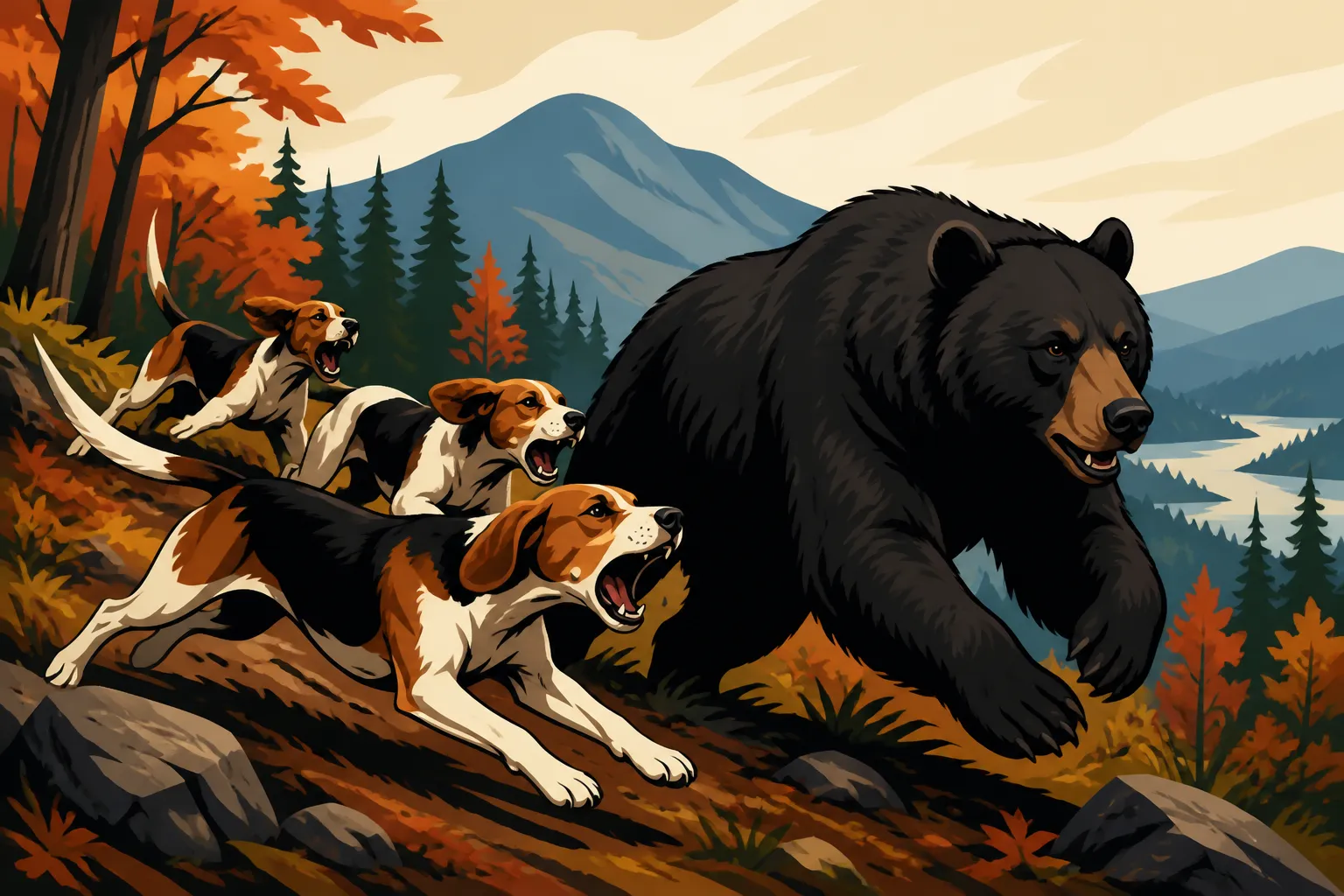
Once the hounds are unleashed and hot on a track, the real work begins. Your GPS collars become your eyes and ears, telling you where the dogs are, how fast they're moving, and if they've stopped (indicating a bayed or treed bear). This information is gold. You and your hunting partners will use this to try and get ahead of the chase, predicting where the bear might try to escape or where it might eventually tree. It's a race against the clock and the bear's stamina, often covering miles through dense brush and difficult terrain.
When the dogs finally bay a bear on the ground or, more commonly, tree it, the hunter still has a critical role. You need to approach cautiously, assess the situation, and determine if it's an ethical and legal shot. Is the bear a sow with cubs? (Illegal to harvest in NH). Is it a legal-sized bear? Is the background safe? Is the shot angle clean? These moments can be chaotic and adrenaline-filled, but maintaining composure and making a responsible decision is paramount. The goal is a quick, humane harvest. If the conditions aren't right, the only ethical choice is to call off the dogs and let the bear go. This decision ensures the long-term health of the bear population and upholds the respect for the animal. It's about getting the bear, yes, but more importantly, it's about doing it right.
Post-Hunt Logistics: Recovery and Registration
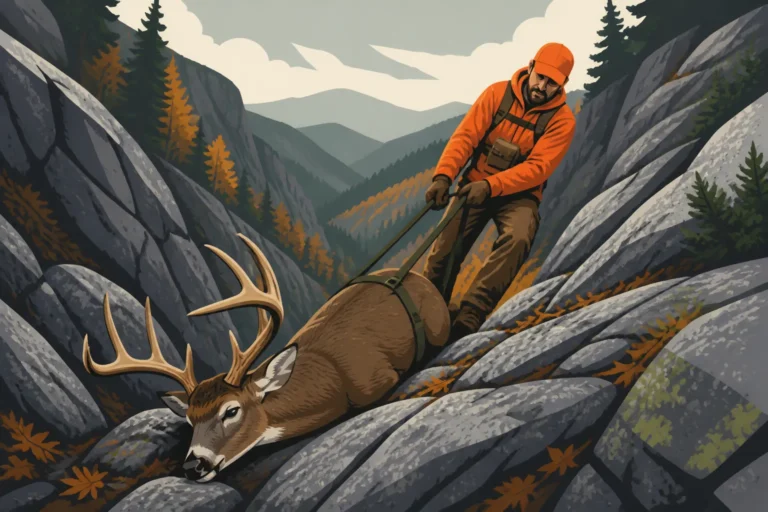
The moment of truth might be when the bear is on the ground, but the work is far from over. Recovering a black bear, especially a large one, from remote New Hampshire terrain is a significant undertaking. Bears are heavy, and the ground is often uneven, rocky, or boggy. Field dressing the bear quickly is essential to cool the meat, especially if temperatures are mild. You'll need to work efficiently, removing entrails and perhaps even quartering the animal for easier transport.
Bringing the bear out often requires teamwork, game carts, or even specialized pack frames. Remember, you're doing this in the backcountry, potentially miles from the nearest road. Once you've successfully retrieved the bear, the next crucial step is registration. In New Hampshire, all harvested bears must be registered with the Fish and Game Department. This can often be done online through their portal or, in some areas, at authorized registration stations. This data is vital for wildlife biologists to monitor bear populations, track harvest rates, and make informed management decisions. Make sure you understand the New Hampshire Deer Reporting Requirements which are similar in principle for bear, ensuring you meet the deadline and provide accurate information. Congratulations on a hard-earned bear, but don't forget these final, vital steps!
| Aspect | Description |
|---|---|
| Season Dates | Vary significantly by WMU (Wildlife Management Unit) and method. Hound seasons generally run earlier than firearms seasons, but always cross-reference with the annual NH Hunting Digest. Example: Northern WMUs might have earlier starts and longer durations than southern ones. See Checking Your WMU's Bear Season Dates. |
| Required Licenses | Valid New Hampshire Hunting License + New Hampshire Bear Permit + specific permits or declarations for hound hunting (check annual digest). |
| Key Gear (Hounds) | GPS tracking collars (e.g., Garmin Alpha), protective cut vests, canine first-aid kit, water, food. |
| Key Gear (Hunter) | Durable, waterproof boots; layered clothing; reliable rifle/shotgun for bear; ample water/snacks; human first-aid kit; headlamp; topo maps (physical/digital like GoHunt); handheld GPS; two-way radios; satellite communicator. |
| Typical Terrain | Dense softwoods, thick brush, rocky ledges, steep inclines/declines, beaver flowages, logging roads. Requires significant physical exertion. |
| Fair Chase Rules | Bear must be legally harvested by the hunter, not the dogs. No shooting bears in dens, from vehicles, or over active bait sites. Ethical and humane shot is paramount. |
| Baiting Interaction | Bait sites can be used for scouting or training before hound season, but specific rules apply for bait removal or inactivity. You cannot harvest a bear over an active bait site with hounds. Always consult New Hampshire Bear Baiting and Hound Rules. |
| Post-Harvest | Field dressing for cooling meat, strenuous recovery/extraction from remote locations, mandatory registration of harvest with NH Fish and Game (online or at stations). |
Disclaimer
Please be aware that hunting regulations, season dates, and licensing requirements can change annually. The information provided in this guide is for general informational purposes only and is based on current understanding. It is the individual hunter's responsibility to consult the most recent New Hampshire Fish and Game Hunting Digest or visit their official website for the most accurate and up-to-date rules and regulations before participating in any hunting activity. Failure to do so could result in penalties.