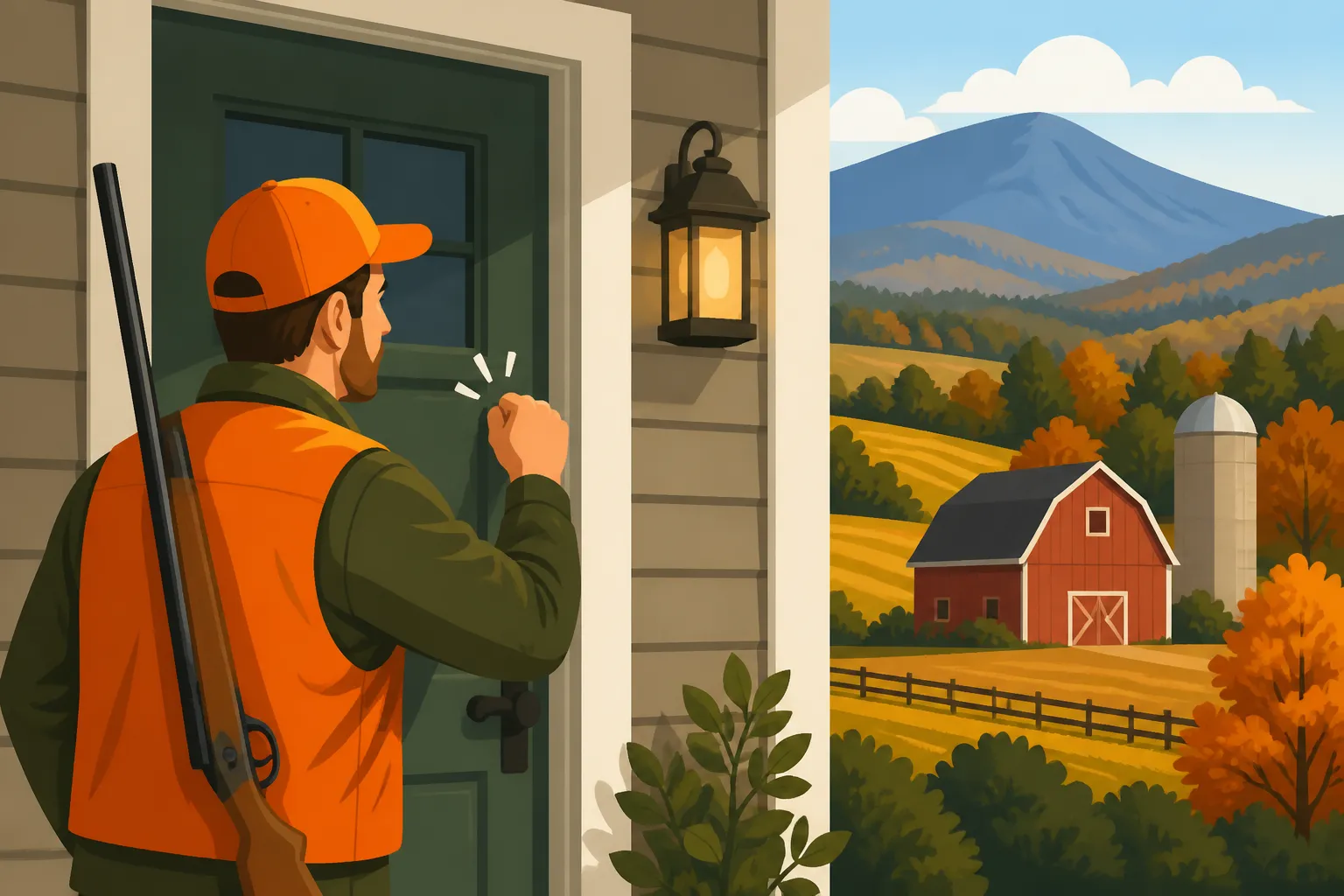
Knocking on Doors in New Hampshire Farm Country
It's a familiar scenario for many New Hampshire hunters: you're driving through a beautiful stretch of farm country, seeing prime habitat, big hardwoods, and agricultural fields, but it's all clearly private land. The thought of knocking on a stranger's door to ask for permission can be daunting, even intimidating. But securing private land access can unlock incredible hunting opportunities. This comprehensive guide will walk you through the nuances of respectfully and effectively approaching landowners in New Hampshire's agricultural areas, from initial research to building lasting relationships.
Understanding the New Hampshire Landowner's Perspective
Before you even think about approaching a private landowner, it's crucial to put yourself in their shoes. Farmers and rural property owners often have a unique relationship with their land, one that extends far beyond just property lines on a map. They are often stewards of the land, running businesses, raising families, and cultivating a lifestyle that depends on the peace and integrity of their property. Understanding their potential concerns and motivations is the first step toward a successful interaction.
Why Landowners Might Be Hesitant
Let's be honest, not every landowner is eager to have strangers on their property with firearms. Their hesitation is usually rooted in valid concerns, and it's essential to acknowledge these without being dismissive.
- Liability Concerns: This is often at the top of the list. Landowners worry about the potential for injury to a hunter on their property and the legal ramifications that could follow. While New Hampshire has laws that offer some protection to landowners who allow recreational use, the perception of risk remains high. They might fear a slip and fall, an accidental discharge, or any other incident that could lead to a lawsuit.
- Property Damage: Hunters, even well-meaning ones, can sometimes inadvertently cause damage. This could range from leaving gates open, driving vehicles off established trails, disturbing livestock, or even damaging crops, fences, or outbuildings. For a farmer whose livelihood depends on their land, any damage is a direct hit to their bottom line and a source of significant frustration.
- Disrespectful Behavior or Poaching: Unfortunately, a few bad apples can spoil the bunch for everyone. Landowners might have had negative experiences in the past with hunters who left trash, disregarded boundaries, shot too close to homes or livestock, or even poached game. They might lump all hunters into this negative category unless proven otherwise.
- Privacy and Peace: Many people move to farm country for the quiet and privacy it offers. Having strangers, especially armed ones, walking around their fields and woodlots can feel like an invasion of privacy. They might have children or pets, and the presence of hunters can create anxiety about safety.
- Existing Arrangements: Sometimes, a landowner already has friends, family, or other trusted individuals who hunt their property. They might not have room for more hunters, or they simply prefer to keep access limited to people they know well.
What Motivates Landowners to Grant Access
Despite the potential hesitations, many New Hampshire landowners do grant hunting access. Understanding what might motivate them can help you tailor your approach and increase your chances of success.
- Deer Management: In many parts of New Hampshire, deer populations can be quite high, especially in agricultural areas where food is abundant. Deer can cause significant damage to crops, orchards, and even forestry efforts. Landowners might be actively seeking responsible hunters to help manage the deer herd, especially if they are experiencing crop depredation or damage to saplings. This is a common and powerful motivator in areas like the Merrimack Valley or along the Connecticut River.
- Positive Past Experiences: If a landowner has had good experiences with respectful hunters in the past, they are more likely to be open to future requests. They know that a good hunter can be a valuable asset in managing wildlife and maintaining the health of the land.
- Building Community Relations: Some landowners appreciate the opportunity to connect with members of their community and support outdoor traditions. They might see it as a way to give back or foster goodwill, especially if you present yourself as a responsible, local individual.
- Help with Other Tasks: While you should never offer money for access (it can complicate liability and is generally frowned upon), sometimes offering a helping hand with small tasks can be a powerful gesture. This isn't about working for permission, but about building a relationship. Perhaps they need help stacking firewood, mending a fence, or retrieving a stray animal.
- Simple Generosity: Believe it or not, some people are simply generous and enjoy seeing others enjoy the outdoors responsibly. If you approach them with respect and a genuine attitude, they might be willing to share their resources.
Crafting Your Approach: Before You Knock
The success of your door-knocking endeavor often hinges on the preparation you do before you even set foot on their property. This isn't just about being polite; it's about being prepared, knowledgeable, and presenting yourself as a responsible individual worthy of trust.
Researching the Property and Landowner
Before you approach anyone, do your homework. This not only shows respect but also demonstrates your seriousness and commitment to hunting ethically and legally.
- Identify the Property: Use online mapping tools or apps like GoHunt to identify potential properties you're interested in. Look for areas with good habitat, adjacent to larger woodlots, or with obvious signs of deer activity. GoHunt can be particularly useful for identifying property lines and, in some cases, landowner names. Understanding Finding New Hampshire Property Lines is critical here. Look for agricultural fields, dense cover, and natural travel corridors.
- Find Landowner Information: Once you've identified a promising parcel, try to find the landowner's name and contact information. Town tax records, often available online through the town's assessing department website, are an excellent resource for this. Knowing their name allows for a more personal and respectful introduction.
- Scout from a Distance: Observe the property from public roads or adjacent public land. Are there "No Trespassing" signs? Is there active farming? Are there obvious signs of livestock? Are there other hunters already present? This initial scouting can inform your approach and even tell you if a property is a lost cause. Be very careful not to trespass while scouting. You should also consider Scouting New Hampshire Public Land Before Season as an alternative if private access proves difficult.
- Check New Hampshire Posted Land Rules: Familiarize yourself with how land is legally posted in New Hampshire. If a property is clearly posted, but you still wish to approach the landowner, you'll need to acknowledge that posting respectfully and explain why you're still inquiring. Some landowners post simply to deter casual trespassers, not necessarily all hunters.
Preparing Your Appearance and Pitch
First impressions are incredibly important, and your appearance and how you communicate will speak volumes before you even say a full sentence.
- Dress Respectfully, Not in Camo: When you go door-knocking, do not wear hunting camouflage. This can be intimidating or off-putting to non-hunters. Dress neatly, perhaps in clean casual clothes like jeans and a collared shirt, or even business casual. You want to look trustworthy, responsible, and non-threatening.
- Have Your License and ID Ready: Always carry your valid New Hampshire Hunting Licenses and What They Cost and a government-issued photo ID. This immediately demonstrates that you are a legal, registered hunter.
- Prepare Your "Elevator Pitch": Think about what you'll say. Keep it concise, polite, and to the point. Practice it. Here’s a basic framework:
- Introduce yourself by name.
- State your purpose clearly and politely: "I'm a local hunter, and I was wondering if you ever allow hunting on your property."
- Mention something specific you noticed about their property that makes it appealing (e.g., "I've noticed you have some beautiful woodlots bordering your fields, and I've seen some good deer sign"). This shows you've done your homework.
- Reassure them about your responsibility (e.g., "I'm very careful about property lines, respectful of livestock, and always leave things cleaner than I found them").
- Offer to show them maps (like from GoHunt or a paper map) to discuss boundaries or areas of concern.
- Carry a Small Notebook and Pen: This allows you to jot down notes, specific instructions, or contact information. It also shows you are organized and serious.
Legalities and Necessary Documentation
Understanding New Hampshire's specific laws regarding private land access is non-negotiable. Don't rely on assumptions.
- New Hampshire Trespass and Permission Law: New Hampshire generally requires explicit permission to hunt on private land. This is a crucial distinction. While some states have "implied permission" laws unless land is posted, New Hampshire typically requires you to ask.
- Do You Need Written Permission in New Hampshire?: While oral permission is legally sufficient in New Hampshire, written permission is highly recommended for both your protection and the landowner's. A simple, signed permission slip can clarify boundaries, dates, and any specific rules. It helps prevent misunderstandings down the road. You can even find templates online.
- Blaze Orange Requirements: Remind them you understand safety. While not directly permission, it shows you're a safety-conscious hunter. New Hampshire Blaze Orange Requirements mandate wearing blaze orange during certain seasons, which is important to mention if discussing firearms hunting.
- Hunter Education: If you've completed New Hampshire Hunter Education Requirements, you can mention this as a testament to your commitment to safety and ethics.
The Art of the Knock: Making a Positive Impression
You've done your research and prepared your pitch. Now it's time for the actual approach. This stage is all about demonstrating respect, building rapport, and alleviating any potential concerns the landowner might have.
Timing Your Visit Right
Showing up at the wrong time can sour an interaction before it even begins. Be mindful and considerate.
- Avoid Busy Times: Farmers often work long hours, and their schedule can be dictated by weather, planting, and harvest. Avoid times when they're likely to be busy in the fields, such as early morning, late evening, or during meal times (lunch and dinner). Weekday afternoons, when chores might be winding down but it's not dinner time, can often be a good window.
- Steer Clear of Major Holidays: Holidays are family time. Don't infringe on it.
- Consider the Weather: Don't show up in the middle of a torrential downpour or a blizzard. A pleasant, mild day is always better for a conversation. If you see them actively working in the field, maybe wave and come back later or another day. Don't interrupt their work.
Your Introduction and Initial Conversation
The first few moments are critical. Be genuinely polite, concise, and ready to listen more than you speak.
- Polite Greeting: "Hello, my name is [Your Name]. I apologize for bothering you, but I was hoping to speak with [Landowner's Name, if you know it] for a moment about hunting."
- State Your Purpose Clearly: Immediately and respectfully state why you are there. Avoid rambling or beating around the bush. "I've noticed your property has some fantastic habitat for deer, and I was wondering if you ever grant permission for hunting." If you're targeting Hunting Small Private Tracts in New Hampshire specifically, mention its proximity or features.
- Listen Actively: Pay close attention to their response. If they immediately say no, thank them for their time and leave graciously. Do not argue or try to convince them. A polite "no" is a definitive answer. If they show any openness, listen to their concerns.
- Be Patient: Don't rush the conversation. Allow them to ask questions and express their thoughts. Sometimes, just having a friendly chat can build comfort.
- Offer to Show Maps: If they're open to discussing it, pull out your map (a printout or on your GoHunt app) and show them the specific area you're interested in. This visually defines your intentions and can help clarify boundaries or sensitive areas.
- Emphasize Safety: Mention your commitment to safe hunting practices, such as knowing your target and beyond, understanding New Hampshire Legal Firearms for Deer Hunting and ethical shot placement. Reassure them you'll respect their home, livestock, and any other specific requests they might have.
Addressing Concerns and Building Trust
This is where your preparation pays off. Be ready to proactively address their likely concerns.
- Liability: "I understand you might have concerns about liability. I want to assure you that I am fully aware of the risks involved in hunting, and I take full responsibility for my actions. I'm happy to sign a release form if that would make you more comfortable."
- Property Damage: "I'm very careful to respect all property. I'll stick to established trails, close all gates, and will never leave any trash behind. If I notice anything out of place or damaged on your property, I'll let you know."
- Neighbors and Safety Zones: "I'm very mindful of neighbors and safety. I'm familiar with the legal setback distances for discharging a firearm from dwellings and other buildings. I can show you on the map exactly where I would be hunting, well away from any homes."
- Other Hunters: "I understand you might have others who hunt here. I would never infringe on anyone else's access and would adhere to any schedule or limitations you set."
- Reporting Harvests: Explain that you're a responsible hunter who adheres to all regulations, including New Hampshire Deer Reporting Requirements if you're fortunate enough to harvest a deer.
- Offer References (If You Have Them): If you have other landowners who can vouch for your character and responsibility, you can politely offer their contact information as a reference. This is a powerful trust-builder.
Maintaining the Relationship: Beyond the First Hunt
Getting permission is a fantastic first step, but it's only the beginning. Building a lasting relationship with a landowner is about consistent respect, communication, and demonstrating your gratitude. This isn't just about one season; it's about being a good neighbor and a responsible hunter for years to come.
Showing Gratitude and Respect
Always, always show your appreciation. It's the golden rule of private land hunting.
- Follow Through on Your Promises: Every single promise you made during your initial conversation must be kept. Close gates, stay within agreed-upon boundaries, clean up after yourself, and be respectful. If you said you'd hunt a specific area, stick to it. If you discussed Working a Fencerow for Late-Season Deer, ensure you're only targeting that area.
- Small Gestures of Thanks: A handwritten thank you note after the season is a classic and highly effective gesture. A small gift can also be appropriate, like a gift certificate to a local store, a pie baked by your spouse, or if you harvest a deer, an offer of some venison. This should never be seen as payment but as a token of genuine appreciation.
- Communicate Regularly (But Don't Pester): If you're going to be on the property, a quick text or call to let them know you'll be out there is a good idea. If you see anything unusual (like trespassers, downed fences, or sick animals), let them know. This establishes you as a helpful presence, not just someone taking advantage.
- Share Your Success: If you're lucky enough to harvest an animal, let the landowner know. Offer to share details, and if appropriate, some of the meat. They might enjoy seeing the results of their generosity and your efforts. This is especially true for Field Dressing a Deer in Cold Weather – they might appreciate knowing you handled it responsibly.
Proving Yourself a Responsible Hunter
Your actions on their land will either solidify or destroy the trust you've worked to build.
- Safety First, Always: Adhere to all firearm safety rules. Be especially mindful of shot angles, backstops, and areas where people or livestock might be. Wear your New Hampshire Blaze Orange Requirements during firearm season.
- Respect Wildlife and Seasons: Only hunt legal game during legal seasons. This seems obvious, but landowners want assurance that you're not cutting corners. This includes understanding the specific regulations for New Hampshire's WMU-Based Deer Season Structure that applies to their property.
- Leave No Trace: Pack out everything you pack in. Pick up any litter you find, even if it's not yours. Make sure your presence is virtually undetectable when you leave.
- Handle Game Ethically: If you harvest an animal, ensure you know how to properly Field Dressing a Deer in Cold Weather and remove it from the property without creating a mess or disturbance. Avoid dragging bloody carcasses past their home or leaving gut piles in highly visible areas.
- Adhere to New Hampshire Trespass and Permission Law: Never extend permission to others without explicit approval from the landowner. If a friend wants to join you, you must clear it with the landowner first. Their permission was granted to you, not to an open invitation.
Long-Term Considerations for Future Access
Think of this as a long-term investment in your hunting opportunities.
- Renew Permission Annually: Even if you've been granted permission for years, it's a good practice to politely ask for permission again at the start of each new season. This shows respect and gives the landowner an opportunity to update you on any changes or concerns.
- Offer Assistance: While not a requirement, offering occasional help with a small chore can be incredibly valuable. This could be anything from helping to clear a fallen tree from a fence line, checking on a remote pasture, or just keeping an eye on things when they are away. These small acts of kindness deepen the relationship beyond just hunting access.
- Be a Good Steward: If you see something that could be an issue on the property (e.g., a broken fence, unauthorized activity, signs of disease in wildlife), discreetly inform the landowner. This makes you an extra set of eyes and demonstrates your concern for their property.
- Understand Hunting Pressure on New Hampshire Public Land: While public land is an option, well-managed private land can offer a much higher quality hunting experience with less competition. By being a respectful and responsible hunter, you help maintain that valuable access for yourself and potentially others in the future.
Successfully knocking on doors in New Hampshire farm country isn't about salesmanship; it's about respectful engagement, clear communication, and demonstrating yourself to be a trustworthy and responsible individual. It takes effort, patience, and a genuine appreciation for the landowner's generosity, but the rewards of access to prime hunting habitat can be truly priceless.
| Step | Before You Knock | During the Knock | After the Hunt |
|---|---|---|---|
| Research & Preparation | Identify property via maps (e.g., GoHunt). | Dress respectfully (no camo). | Send a thank-you note or small token of appreciation. |
| Find landowner info (tax records). | Carry ID & hunting license. | Communicate any observations or issues on the property. | |
| Scout from public vantage points. | Prepare a polite, concise pitch. | Offer to share meat if successful. | |
| Understand NH New Hampshire Trespass and Permission Law. | Be prepared to discuss boundaries with a map. | Periodically check in, even outside hunting season. | |
| Interaction & Trust | Prioritize property safety & liability concerns. | Listen actively to landowner concerns. | Follow all rules, stick to agreed areas. |
| Prepare to address concerns like damage, privacy. | Emphasize your commitment to safety & ethics. | Leave no trace; clean up after yourself. | |
| Consider seeking written permission. | Offer to sign a liability waiver or permission slip. | Never extend permission to others without landowner consent. | |
| Timing & Logistics | Avoid busy farm times (planting, harvest, meals). | Visit during appropriate hours (e.g., weekday afternoon). | Report harvests according to New Hampshire Deer Reporting Requirements. |
| Have a plan for Field Dressing a Deer in Cold Weather (if applicable). | Be patient; don't rush the conversation. | Offer to help with minor farm tasks (not payment). |
Disclaimer
Please be aware that hunting regulations, land access laws, and landowner permissions can change. Always consult the most current New Hampshire Fish and Game Department regulations, local ordinances, and landowner specifications before engaging in any hunting activities. This guide provides general information and best practices, but it is your responsibility to ensure full compliance with all applicable rules and laws.