Field Dressing a Deer in Cold Weather
There’s nothing quite like the rush of finally tagging a deer after a long, cold day in the New Hampshire woods. The immediate elation, however, often gives way to the daunting task of field dressing, especially when the mercury has plummeted. The biting wind and freezing fingers can make a simple job feel like an impossible feat, but getting that deer field dressed quickly and correctly, even in frigid conditions, is absolutely crucial for the quality of your venison. This guide will walk you through everything you need to know to handle this essential step, ensuring your hard-earned harvest is processed with care, no matter how cold it gets.
Why Cold Weather Field Dressing Matters
When you’ve just put an animal down, whether it’s a big buck in the White Mountains or a doe in the southern tier, the clock starts ticking. The sooner you get it field dressed, the better, even when temperatures are well below freezing. There are specific reasons why this immediate action is beneficial, and some unique challenges that New Hampshire’s often harsh late-season weather throws our way.
The Benefits of Immediate Field Dressing
First and foremost, field dressing removes the internal organs, which are the primary source of heat within the carcass. This is vital for cooling the meat down rapidly, even when the ambient air is cold. While cold air certainly helps, internal heat can persist for a surprisingly long time, especially in larger animals. Bacteria thrive in warm environments, and any delay in cooling can lead to meat spoilage, even if it feels cold to the touch on the outside. Removing these organs reduces the potential for bacterial growth and helps the meat begin the rigor mortis process properly, which impacts tenderness and flavor.
Beyond temperature control, immediate field dressing also gets rid of anything that might taint the meat with unwanted odors or flavors. Ruptured intestines or stomach contents, if left inside, can leach into the surrounding muscle tissue. You want to ensure your venison is clean and pure, reflecting the natural, wild flavors of our New Hampshire deer. Think of it as the first, most critical step in preserving your trophy and your future meals.
Challenges Unique to New Hampshire's Winter Hunts
Hunting in New Hampshire often means contending with rapidly changing weather. One day it might be crisp and clear, the next a fierce nor'easter could roll in, dumping snow and driving temperatures even lower. This unpredictability presents several challenges for field dressing. Your hands get cold quickly, dexterity diminishes, and handling sharp knives becomes more hazardous. Visibility can also be an issue, especially if you're working in falling snow or low light.
Furthermore, the terrain itself can complicate matters. Many of us hunt deep in the woods, far from roads, often navigating rocky, uneven ground or even frozen, icy paths. Having to drag a deer a long distance before field dressing isn't ideal, but sometimes unavoidable. If you've ever had to retrieve a deer from a precarious spot, say from a beaver flowage or a steep granite ravine, you know the extra effort involved. These conditions necessitate thorough preparation and the right gear to ensure the job gets done efficiently and safely. Knowing how to adapt your strategy for situations like these is key to a successful hunt right through the late season.
Essential Gear for Cold Weather Field Dressing
Being prepared is half the battle when hunting in New Hampshire, and it’s especially true for field dressing in cold weather. You don't want to be caught off guard after a successful shot, fumbling with inadequate tools or shivering uncontrollably. The right gear will make the process much smoother, safer, and more effective.
Dress for Success: Your Personal Layering
Staying warm and dry yourself is paramount. When you're kneeling in the snow or on frozen ground, exposed to the elements, your body temperature can drop quickly. Start with a good base layer that wicks moisture away from your skin, even if you’ve worked up a sweat tracking. Over that, wear insulating layers that can be adjusted as needed. A good mid-layer and a warm, waterproof outer shell are crucial. If you're out in the North Country during a late-season sit, you know the importance of a solid cold-weather sitting strategy in the North Country.
Don't forget your extremities. Warm, waterproof gloves are non-negotiable. While thick insulated gloves might make delicate knife work tricky, having a pair of thinner, cut-resistant gloves to wear underneath or a warmer pair to switch to immediately after the dirty work is done is a game-changer. A warm hat that covers your ears is also essential, as a significant amount of body heat is lost through the head. Remember, even if the work heats you up, standing still afterward to cool the carcass or prepare for the drag can make you shiver quickly if you're not properly dressed. Consider what it takes to be comfortable while Layering for New Hampshire's Cold Hunting Season.
Tools of the Trade: Knives, Gloves, and More
Having the right tools at hand is crucial. A sharp, durable hunting knife is your most important piece of gear. Many hunters opt for a fixed-blade knife with a comfortable, non-slip grip. Some prefer a gut hook for easier opening of the abdominal cavity, though a good sharp point can achieve the same result with care. Carrying a backup knife or a small sharpener is also a smart move – a dull knife is a dangerous knife, especially when your hands are cold.
Beyond the knife, here’s a quick checklist of other essentials:
- Gloves: As mentioned, tough, disposable latex or nitrile gloves are invaluable for keeping your hands clean and hygienic, especially under your insulated outer gloves. These also provide an extra layer of protection from cuts.
- Game Bags: Even in cold weather, game bags are excellent for protecting the meat from dirt, leaves, and insects during transport. They allow air circulation, aiding in cooling, and help keep the carcass clean.
- Rope/Drag Sled: If you anticipate a long drag out, a sturdy rope or even a dedicated deer drag sled can save your back. On fresh snow, a sled makes the job infinitely easier.
- Headlamp: Even if you shoot in daylight, field dressing can often extend into dusk or darkness, especially if you had to Tracking a Deer in Fresh White Mountain Snow. A reliable headlamp with fresh batteries is a must.
- Plastic Bags: For carrying out the heart and liver, if you plan to keep them, or for waste disposal.
- Hand Sanitizer/Wipes: For a quick cleanup after the job is done.
Many hunters, myself included, rely on detailed maps and satellite imagery, sometimes even premium tools like GoHunt, to pinpoint promising habitat and plan extraction routes, which is especially important if you anticipate Dragging a Deer Out of a Granite Ravine. This planning extends to having the right gear for when the animal is down. For a deeper dive into specific cutting tools, check out guides on Knives and Processing Gear for Field Dressing.
Step-by-Step Guide to Field Dressing a Deer in the Cold
The process of field dressing itself remains largely the same whether it's 50 degrees or 5 degrees, but the cold adds layers of difficulty and demands extra attention to detail. Work efficiently and deliberately, prioritizing speed without sacrificing safety or cleanliness.
Positioning and Initial Incisions
Once your deer is down, secured, and you’ve confirmed it’s expired, move it to a relatively flat, clean spot if possible. Ideally, you want to position the deer on its back, with its feet spread to stabilize it. If you’re alone, using nearby logs or rocks to prop it up can help. If you have a hunting partner, one person can hold the legs while the other works.
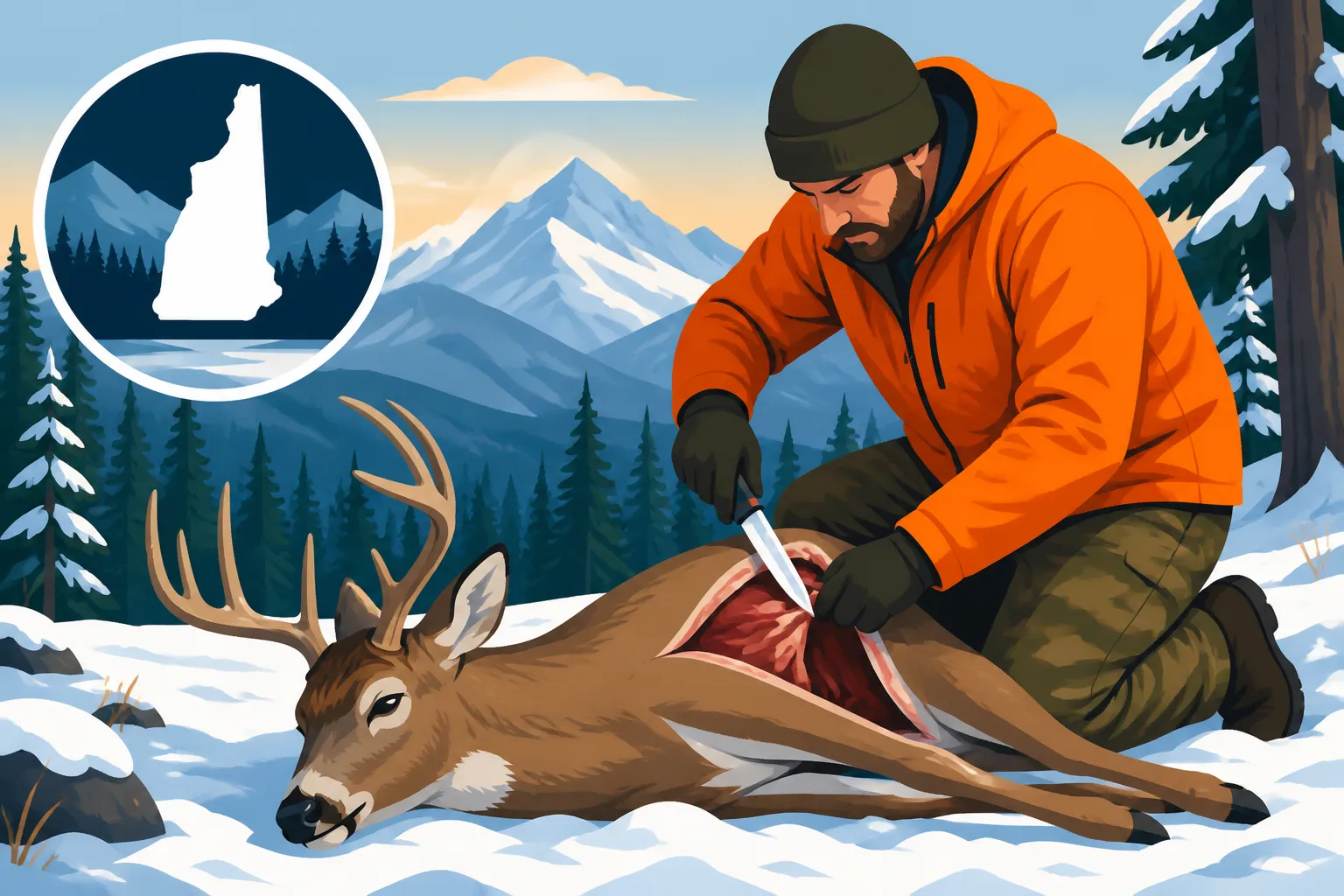
Put on your disposable gloves under your work gloves. Begin your cut at the breastbone, just below the sternum, or as close to it as you can comfortably reach without puncturing the diaphragm. Carefully cut a shallow line through the skin and muscle layer down to the pelvic bone. The goal here is to open the abdominal cavity without puncturing the intestines or stomach. Many hunters will lift the skin with two fingers and cut from the inside out to avoid this. If you have a gut hook on your knife, this is where it shines, making a clean, controlled cut. Continue your incision around the anus, severing the rectum to free it. Be meticulous here to prevent fecal contamination of the meat.
Careful Organ Removal
Once the cavity is open, you’ll need to work quickly but methodically. Reach inside and locate the windpipe and esophagus in the chest cavity. Using your knife, cut around them as high up in the chest as you can reach, severing them. This allows you to pull the entire contents of the chest and abdominal cavity out in one relatively clean motion.
As you pull, support the organs to prevent them from tearing or spilling. Work your way from the chest cavity down towards the pelvis. If you encounter resistance, carefully use your knife to sever any connective tissue or membranes holding the organs in place. The bladder and rectum will need to be carefully detached from the pelvis. Once everything is loose, roll the deer onto its side, or simply pull the entire mass of organs out of the cavity onto the ground. Inspect the cavity for any remaining pieces of organs or stray material and remove them. Take a moment to check for specific reporting requirements after a kill; for instance, some WMUs might have special instructions, and understanding New Hampshire's WMU-Based Deer Season Structure is key.
Cleaning and Inspection
With the organs removed, inspect the body cavity. If any gut contents have spilled, immediately wipe them out with snow, leaves, or even clean cloths you've brought. The cold environment will help prevent immediate bacterial spread, but cleanliness is still paramount. Some hunters carry a small bottle of water or a few sanitizing wipes for a final clean, which is a good practice.
At this point, you can also harvest the heart and liver if you plan to keep them. Place them in a clean plastic bag immediately. Check the cavity for any gunshot or arrow wounds that might have gone unnoticed, as this can inform your Blood Trailing After Dark in New Hampshire efforts if needed. Once clean, spread the cavity open to allow maximum airflow for cooling. You can prop it open with a stick if necessary.
Post-Field Dressing Care and Transport in Winter
You’ve done the hard part, but the work isn’t over. Proper care of the carcass after field dressing, especially in cold weather, ensures the meat stays in prime condition until you can get it to camp or a processing facility.
Cooling the Carcass Quickly
Even in freezing temperatures, a freshly field-dressed deer can still retain a surprising amount of residual heat. The goal is to get that core temperature down as quickly as possible. Leaving the cavity open allows cold air to circulate, which is why propping it open with a stick or small branch is a good idea. If it's snowing, try to prevent snow from accumulating directly inside the cavity, as it will melt and introduce moisture.
If you have a long drag or carry ahead, consider putting the deer in a game bag to keep it clean and protect it from dirt, twigs, or other debris. While you might be tempted to just toss it on your vehicle, always ensure the carcass can cool effectively. Don't throw a tarp over it and seal it up for hours; that will trap heat and moisture, negating your field dressing efforts. Many hunters prefer to hang their deer for a period of time to allow it to cool and "age" properly, a practice that works well in New Hampshire's typical November and December weather. You'll want to ensure you're ready for Butchering a Deer at Camp soon after.
Protecting the Meat During Transport
Once the deer is cooled, transporting it needs just as much attention. Whether it’s in the bed of a truck, on an ATV rack, or in a trailer, prevent it from getting overly dirty or exposed to exhaust fumes. A clean tarp or heavy-duty ground cloth can be laid down first, and then the deer placed on top, with another tarp loosely draped over it to shield from road grime and sun, while still allowing air circulation. Never seal the deer completely in a non-breathable bag or container, especially if it’s still warm, as this can promote bacterial growth and sour the meat.
If you’re fortunate enough to take a deer deep in the backcountry, the challenge of getting it out can be substantial. For situations like these, where you might have to quarter the deer for easier transport, having a good backpack frame or even a game cart is essential. Sometimes, when a deer goes down in challenging areas, like a frozen swamp or a steep, rocky incline, recovering a deer from a beaver flowage or Dragging a Deer Out of a Granite Ravine can be the toughest part of the whole hunt. Before heading into such areas, scouting tools like GoHunt can help identify potential challenges and plan your extraction points.
Registering Your Deer and Butchering Considerations
After you’ve successfully field dressed and transported your deer, the next crucial step is registration. New Hampshire has specific requirements, including deadlines, for registering your deer. You can learn more about New Hampshire Deer Reporting Requirements and often have the option to Registering a New Hampshire Deer Online. It’s a vital legal step that contributes to wildlife management efforts in the state.
Once registered, you'll need to decide if you're butchering the deer yourself or taking it to a professional processor. If doing it yourself, ensure you have a clean, cool space to work. The cold weather is actually a blessing here, as it helps keep the meat cool during the processing phase. Good hygiene and sharp tools remain important. Remember, the effort you put into field dressing in the cold pays off in the quality of the venison you’ll be enjoying with your family and friends. This initial care sets the stage for Handling Venison From a Healthy Herd and makes all the hard work worthwhile.
| Gear Item | Purpose | Cold Weather Considerations |
|---|---|---|
| Sharp Hunting Knife | Essential for opening the cavity and severing organs. | Choose one with a non-slip grip; carry a backup or sharpener. |
| Disposable Gloves | Keeps hands clean and hygienic, prevents contamination. | Wear under insulated gloves for dexterity and warmth. |
| Insulated/Waterproof Gloves | Keeps hands warm and dry. | Look for good dexterity; have an extra pair. |
| Headlamp | Provides light for working in low-light conditions. | Ensure fresh batteries; consider extra batteries in cold temps. |
| Game Bags | Protects meat from dirt, insects, and debris. | Allows air circulation for cooling; essential for clean transport. |
| Drag Rope/Sled | Aids in moving the deer, especially over long distances. | Sled is excellent for snow; rope is versatile. |
| Clean Cloths/Wipes | For wiping out the cavity and personal cleanup. | Biodegradable wipes are a good choice; pack out all trash. |
| Plastic Bags | For heart/liver, or disposing of waste. | Use sturdy, sealable bags. |
Disclaimer
The information provided in this guide is for informational purposes only and is not a substitute for professional advice. Always consult the most current New Hampshire Fish and Game Department regulations and ensure you comply with all local, state, and federal laws regarding hunting and game processing. Hunting is an inherently risky activity, and safety should always be your top priority.