Bowfishing New Hampshire Rivers in the Off-Season
The hunting off-season in New Hampshire can feel incredibly long, leaving many of us itching for a way to stay connected to the thrill of the chase and keep our outdoor skills sharp. If you find yourself counting the days until deer season, or simply looking for an exciting new way to enjoy the Granite State's abundant waterways, bowfishing might just be your answer. This comprehensive guide will walk you through everything you need to know about bowfishing New Hampshire rivers, turning those quiet months into an action-packed adventure.
Why Bowfishing is the Perfect Off-Season Pursuit in New Hampshire
When the leaves have fallen and the chill has settled, or the spring thaws leave us waiting for turkey season, many hunters feel a distinct void. Bowfishing fills that gap beautifully, offering a unique blend of archery precision and fishing strategy that can be incredibly rewarding. It's not just about harvesting fish; it's about the relentless pursuit, the quick decision-making, and the sheer satisfaction of honing your skills in a new environment.
The Thrill of the Hunt, Year-Round
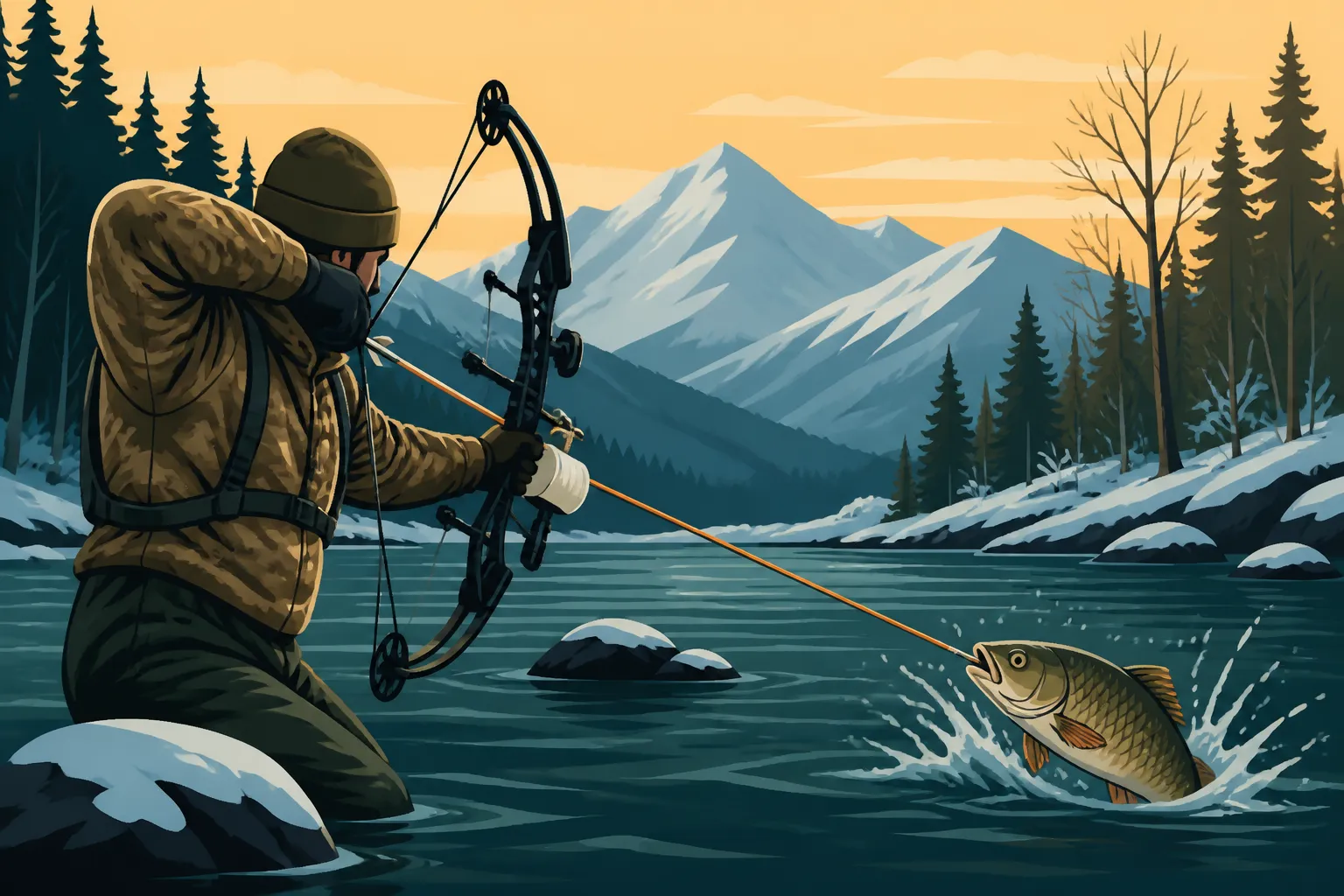
There's something primal about stalking game, and bowfishing delivers that sensation in spades, often when traditional hunting seasons are closed. Imagine quietly navigating a shallow river bend, eyes scanning for the tell-tale shadow or ripple that betrays a fish's presence. The heart-pounding anticipation as you draw back your bow, the quick aim, and the satisfying thud as your arrow finds its mark – it's all there. This isn't passive angling; it's an active, engaging sport that keeps your reflexes sharp and your hunting instincts finely tuned. For many of us, it’s a fantastic way to break up the monotony of the off-season, providing a legitimate reason to spend hours outdoors, soaking up the natural beauty of New Hampshire's river systems. Plus, it's a great excuse to get out on the water with friends or family, creating new memories and sharing the excitement.
Targeting Abundant Non-Game Fish Species
One of the great appeals of bowfishing in New Hampshire is that it primarily targets species often considered "rough" or "non-game" fish, which are typically abundant and can even be detrimental to native fish populations in some areas. The primary targets are usually common carp, suckers, and fallfish. Carp, in particular, are prolific and can grow to impressive sizes, making them a challenging and exciting target. They thrive in many of New Hampshire's warmer, slower-moving rivers and shallow impoundments.
These fish are often found in areas with dense vegetation or muddy bottoms, providing ample opportunity for stalking and close-range shooting. Unlike game fish that are often protected by strict catch limits and seasons, many non-game species can be harvested liberally, providing a sustainable and impactful way to participate in the outdoors. For those interested in expanding their knowledge of local fish populations, understanding the habitats of these species can also deepen your appreciation for the complexities of river ecosystems.
Essential Gear for New Hampshire Bowfishing Success
Just like any specialized outdoor pursuit, bowfishing requires specific equipment to be effective and safe. You can't just grab your deer hunting bow and head to the river, though some components might feel familiar. Investing in the right gear makes a huge difference in your success and enjoyment.
Bows, Reels, and Arrows
The heart of your bowfishing setup is, of course, the bow. While you can use a compound or recurve bow, many dedicated bowfishers opt for bows specifically designed for the sport. These often have lower draw weights (30-50 pounds is common) since shots are typically at close range, and the focus is on quick target acquisition rather than long-distance power. Durability is key, as the bow will inevitably get wet and potentially muddy. Brands like Muzzy Bowfishing and AMS Bowfishing offer excellent purpose-built bows, but any sturdy bow can be adapted.
Next up are the reels and arrows, which are vastly different from what you'd use for land hunting. Bowfishing reels come in two main types:
- Spincast reels: These are modified conventional fishing reels mounted to the bow, offering simple operation. They hold heavy fishing line, and you simply push a button to release the line for a shot.
- Retriever reels (or bottle reels): These are essentially a specialized container that the line is spooled into. After the shot, you simply pull the line back in by hand. They're incredibly durable and have fewer moving parts, making them very reliable.
For arrows, you'll need heavy, solid fiberglass arrows that sink quickly and are equipped with a specialized barbed point designed to penetrate and hold fish without pass-throughs. The line (typically braided nylon or Dacron, around 200-300 pounds test) attaches to the arrow, allowing you to retrieve your fish and arrow after the shot. Remember to always ensure your line is properly attached and free before shooting, or you'll quickly learn about a "snap back" – where the arrow pulls back towards the bow.
Lighting, Boats, and Safety Gear
While daylight bowfishing is certainly an option, many anglers prefer the thrill and often better success of night bowfishing. This means you'll need a robust lighting system. Powerful LED lights, often mounted on a boat, are essential for illuminating the shallow water and spotting fish. These lights cut through the surface glare and reveal fish in the murky depths. Without adequate lighting, night bowfishing is simply not feasible.
A boat is often preferred for navigating New Hampshire's rivers, especially if you're targeting larger areas or want to cover ground efficiently. Jon boats are a popular choice due to their stable, shallow-draft design, making them ideal for skinny water. Airboats are the ultimate tool for extremely shallow, vegetated areas, but they come with a hefty price tag and specialized operation. If you're looking for a more accessible and quiet option, a kayak or canoe can also work well for smaller rivers or more secluded spots, offering a stealthy approach that can put you right on top of fish. Just be mindful of stability, especially if you plan to stand and shoot.
Safety, as always, is paramount. Always wear a personal flotation device (PFD), especially when on the water at night or in moving current. Polarized sunglasses are incredibly helpful for reducing glare and spotting fish during the day. A good first-aid kit, a reliable communication device, and knowledge of the river you're on are also non-negotiable.
Understanding New Hampshire Specific Regulations
Before you even think about loading up your gear, you must familiarize yourself with New Hampshire's specific bowfishing regulations. These can vary by state, and even by specific water body or species within the state. In New Hampshire, bowfishing is generally permitted for common carp, suckers, and fallfish. Unlike game fish, these species typically have no closed season on most waters, allowing for year-round pursuit, though checking the latest digest is crucial.
You will need a valid New Hampshire freshwater fishing license. While you might be more familiar with a hunting license, this is a fishing activity. Be sure to understand the requirements for both residents and nonresidents. The New Hampshire Fish and Game Department's website and annual Freshwater Fishing Digest are your best resources for the most up-to-date information. They outline legal methods, permitted waters, and any specific restrictions. For instance, some waters may have unique rules or be entirely off-limits. It's also important to confirm if night bowfishing is allowed on your chosen water body and if there are any specific lighting requirements. Ignoring these rules can lead to fines and loss of privileges, so always do your homework! If you're planning a trip, consider checking out resources like GoHunt to help with mapping and researching specific areas, though always cross-reference with official NH Fish and Game sources.
Prime New Hampshire Rivers for Bowfishing Adventures
New Hampshire boasts a variety of rivers and waterways that offer excellent bowfishing opportunities. Knowing where to focus your efforts can significantly increase your chances of success. Each river system presents its own unique characteristics and challenges, from wide, slow-moving sections to narrower, faster flows.
The Merrimack River System
The Merrimack River, winding its way through southern New Hampshire, is a fantastic option for bowfishing. It's a larger river system with numerous shallow backwaters, oxbows, and slower-moving sections where carp and suckers love to congregate. These areas often warm up quickly in the spring and retain warmth into the fall, providing ideal conditions for these fish. Public access points can be found along its length, from Concord down towards the Massachusetts border.
When scouting the Merrimack, look for areas with emergent vegetation, submerged logs, or shallow flats that are protected from the main current. These spots provide both cover and feeding grounds for carp. Accessing these areas often requires a boat, as shore-based shooting can be limited. Remember to consult your GPS and mapping apps like GoHunt to identify potential access points and understand property boundaries, especially when near developed areas. You'll often find opportunities to launch a small jon boat or kayak at public boat ramps or even informal pull-offs, but always be respectful of private property.
The Connecticut River and Its Tributaries
The mighty Connecticut River, forming New Hampshire's western border, offers a completely different, yet equally rewarding, bowfishing experience. This expansive river is known for its size and diverse aquatic habitats. While the main channel can be deep and swift, its numerous tributaries, side channels, and calmer sections often hold significant populations of carp and suckers. These areas are particularly promising, as fish move into warmer, shallower water to feed and spawn.
The sheer scale of the Connecticut River means that scouting is critical. Spend time looking at aerial photos to identify large backwater areas, old oxbows, and expansive mud flats. The mouth of tributaries flowing into the Connecticut can also be hotspots, as they often bring in nutrients and offer varying water temperatures. While scouting, remember that this river also provides excellent opportunities for other pursuits, as detailed in our guide on Waterfowl Hunting New Hampshire's Two Zones. Access can be found in towns like Hanover, Claremont, and Hinsdale. Be mindful of the border with Vermont, as regulations on the Vermont side may differ, even on the same body of water.
Smaller Rivers and Flowages to Explore
Don't overlook the potential of New Hampshire's countless smaller rivers, streams, and beaver flowages. While they might not offer the vast expanse of the Merrimack or Connecticut, they can provide incredibly intimate and productive bowfishing experiences. These waters often see less pressure and can hold surprisingly large fish.
Exploring a smaller river often means a more hands-on approach. You might be launching a kayak from a roadside pull-off, or even wading in certain sections. Focus on areas downstream from agricultural fields, where runoff can provide a rich food source for carp and suckers. Beaver flowages, for example, create shallow, marshy areas that are perfect habitats for these fish, as discussed in our piece about Hunting a Beaver Flowage Edge. When wading, remember to invest in good quality Boots for New Hampshire's Granite Terrain to handle the often rocky and slippery bottoms. Using an app like GoHunt can help you identify public access points and trace these smaller waterways to find promising bends and pools. The key is persistence and a willingness to explore beyond the obvious spots.
Techniques for Spotting and Stalking Fish on New Hampshire Rivers
Bowfishing isn't just about pointing and shooting; it's a dynamic sport that blends keen observation with stealth and precision. Understanding fish behavior and how to approach them effectively is crucial for consistent success.
Day vs. Night Strategies
Deciding whether to bowfish during the day or at night can significantly impact your tactics and success. Both have their advantages and disadvantages.
Daytime Bowfishing:
During the day, you're relying on natural light and often sight-fishing in clear, shallow water. This means wearing good polarized sunglasses to cut the glare off the water's surface is absolutely essential. You'll be looking for shadows, subtle movements, or even the tips of fins breaking the surface. Stalking is often done on foot along riverbanks or by slowly poling a boat through shallow flats. Fish tend to be more skittish during the day, so a slow, quiet approach is key. Look for fish basking in shallow, sun-warmed bays or feeding in weed beds. The challenge here is the fish's natural wariness and the difficulty of seeing into the water's depth once the sun gets higher. However, the advantage is the ability to cover ground and spot fish from a distance, allowing for a strategic stalk.
Nighttime Bowfishing:
Night bowfishing completely changes the game. With powerful artificial lights, you can illuminate the water, and fish often become less aware of your presence. The lights mesmerize them, making them easier targets. You'll be slowly navigating a boat, shining lights into the shallows, and looking for reflections from the fish's scales or their dark outlines against the illuminated bottom. This is often the most productive time, as many carp and suckers feed actively at night in shallow water. The main challenges are navigation in the dark, especially on unfamiliar rivers, and managing your boat and equipment in low light. Always have redundant lighting, a spotlight, and a clear understanding of the river's layout. The intense focus required to scan the illuminated water for fleeting shadows is a unique thrill that many bowfishers crave.
Reading the Water and Targeting Hotspots
Just like hunting deer in the timber requires knowing where deer will be, bowfishing requires a keen understanding of aquatic habitat. Fish, especially carp and suckers, are creatures of habit and will congregate in areas that offer food, cover, and favorable conditions.
Look for shallow flats adjacent to deeper channels – these are often feeding grounds. Weed beds, especially those with open pockets, are prime locations as fish seek both food and shelter. Logjams, fallen trees, and bridge abutments provide structure and current breaks where fish can rest and ambush food. Pay close attention to changes in water temperature; warmer, shallower areas will often attract fish, especially in spring and fall. Muddy or silty bottoms often indicate good feeding areas for bottom-feeding species. When scouting, think about where you'd find a deer yard or a good funnel for big game, and apply that same observational skill to the river. Our guide on Scouting New Hampshire Public Land Before Season offers principles that can be adapted to identifying promising stretches of river. For a deeper dive into scouting with modern tools, consider using aerial imagery in platforms like GoHunt to pinpoint these features before you even hit the water.
Aiming Low and Compensating for Refraction
This is perhaps the most critical technique for any aspiring bowfisher: you must aim low. Water refraction plays tricks on your eyes, making the fish appear to be shallower and closer than it actually is. If you aim directly at the fish, your arrow will sail over its back every single time.
The general rule of thumb is to aim for the bottom third of the fish, or even below it, depending on the depth and distance. The deeper the fish and the farther away it is, the lower you need to aim. This takes practice, and it’s why many experienced bowfishers will tell you to take plenty of practice shots at submerged targets before hitting the real thing. It's counter-intuitive at first, but once you adjust, it becomes second nature. Think of it like this: the light rays from the fish bend as they leave the water and enter the air, giving you a distorted image. Your arrow, however, travels in a straight line through the air and then straight into the water, unaffected by this visual trick. Only experience and conscious effort will help you overcome this optical illusion.
Responsible Bowfishing Practices and Conservation
As with all outdoor activities, responsible and ethical practices are paramount in bowfishing. While many bowfishing targets are non-game species, our actions still impact the environment and the perception of our sport. Being a good steward of the resource ensures the longevity and positive image of bowfishing in New Hampshire.
Ethical Harvest and Disposal
When bowfishing, the general practice is often to harvest all targeted non-game fish, especially species like common carp which can be invasive and compete with native species for resources. However, this doesn't mean indiscriminate killing. The goal is to make clean, ethical shots that quickly dispatch the fish. If you shoot a fish, it's your responsibility to retrieve it. Wounding a fish and letting it escape to suffer is not ethical.
Proper disposal of your catch is also critical. Never leave fish carcasses on riverbanks, public access points, or in dumpsters not designated for fish waste. This creates unpleasant odors, attracts scavengers, and reflects poorly on all outdoor enthusiasts. Some bowfishers will use carp as fertilizer for gardens, create bait for trapping furbearers, or even try to process them for consumption. Others may have arrangements with local farms for composting. The key is to have a plan for responsible disposal before you even launch your boat. Always check local ordinances regarding disposal.
Respecting Other Anglers and Wildlife
New Hampshire's rivers are shared resources, enjoyed by a variety of users including recreational boaters, conventional anglers, kayakers, and wildlife watchers. It's crucial to be respectful of everyone else enjoying the outdoors.
When operating a boat, especially at night with powerful lights, be mindful of conventional anglers who might be fishing quietly from shore or other boats. Avoid shining your lights directly at them or creating excessive noise. Give other boats and users ample space. If you're wading, be aware of your surroundings and avoid disturbing nesting birds or other wildlife. The presence of hunters and anglers has a direct impact on wildlife, and maintaining a respectful distance is important. Also, be sure to understand what game you cannot hunt in New Hampshire or fish for with a bow.
Cleaning and Utilizing Your Catch
While carp and suckers might not be high on everyone's culinary list, they are perfectly edible, especially if handled correctly. Many people describe carp as having a "muddy" taste, but this can often be mitigated by properly bleeding and icing the fish immediately after harvest. Removing the darker, fattier meat along the lateral line can also improve the flavor.
There are numerous recipes specifically designed for carp, from smoking and canning to making carp patties or fish cakes. Some people even pickle them. By utilizing your catch, you not only avoid waste but also gain a deeper appreciation for the resource. If not for human consumption, these fish make excellent compost or can be used as bait for traps, as discussed in our guide on Trapping New Hampshire Furbearers. Even if you don't plan to eat them, learning how to clean a fish properly is a valuable skill that contributes to your overall outdoor knowledge and prepares you for handling other game species like those covered in Butchering a Deer at Camp.
New Hampshire Bowfishing Quick Reference
Here's a quick table to summarize key aspects of bowfishing in New Hampshire:
| Aspect | Detail | Key Considerations |
|---|---|---|
| Legal Species | Common Carp, Suckers, Fallfish | Always verify with current NH Fish and Game regulations. |
| License Required | Valid New Hampshire Freshwater Fishing License | Check resident/nonresident options and costs (see New Hampshire Resident License Options). |
| Season | Generally open year-round for target species (no closed season) | Confirm specific water body regulations; may vary. |
| Recommended Bow | Recurve or Compound, 30-50 lb draw weight, durable | Focus on quick aiming, not max power. |
| Recommended Reel | Spincast (e.g., Muzzy XD, Cajun Archery) or Retriever (e.g., AMS Bowfishing) | Reliability and durability are key. |
| Recommended Arrows | Solid fiberglass, specialized barbed point, attached line | Always ensure line is clear before shooting to prevent snap-back. |
| Lighting (Night) | Powerful LED lights, boat-mounted | Essential for visibility and targeting fish; redundancy is wise. |
| Best Time | Nighttime often more productive; warm, shallow water | Fish often more active and less wary at night. |
| Aiming Rule | ALWAYS AIM LOW (below the visible fish) | Compensation for water refraction is crucial for hitting targets. |
| Disposal | Ethical and responsible; never leave carcasses | Utilize as fertilizer, bait, or for consumption where possible. |
| Prime Areas | Merrimack River, Connecticut River & tributaries, shallow flowages | Look for shallow flats, weed beds, logjams, warm backwaters. |
| Scouting Tool | GoHunt, NH Fish and Game maps, aerial photos | Identify access, shallow areas, and fish habitat. |
Disclaimer
Please be aware that hunting and fishing regulations can change frequently. The information provided in this guide is for general informational purposes only and should not be considered legal advice. Always consult the most current New Hampshire Fish and Game Department regulations, annual digests, or website before engaging in any hunting or fishing activity. It is your responsibility to know and follow all applicable laws and regulations.