Hunting a Green Field Planted for Deer
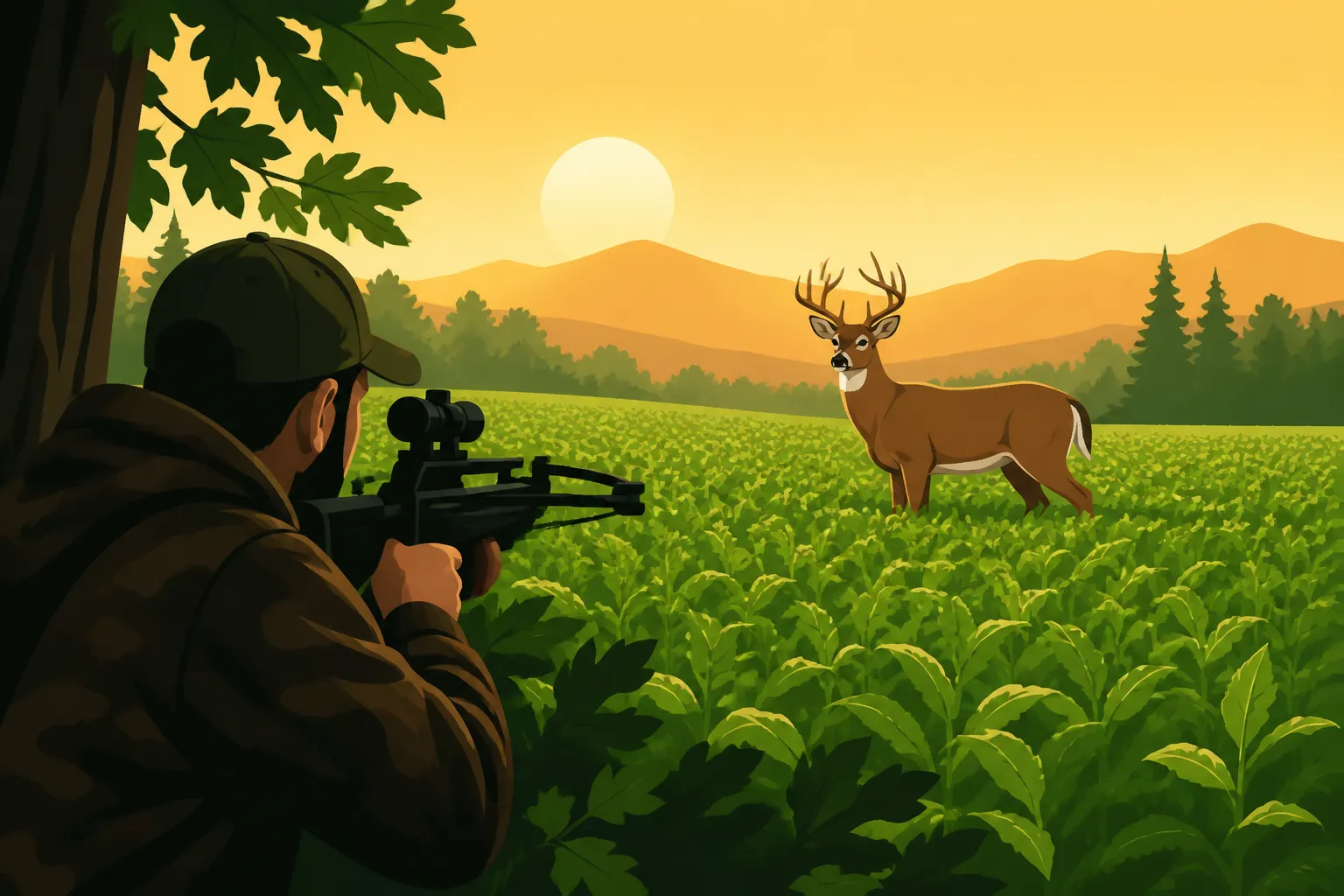
There’s a unique blend of hope and frustration that comes with hunting a green field planted for deer here in New Hampshire. You know the deer are drawn to it, especially as natural food sources dwindle, but actually connecting with a wary whitetail on these open plots can feel like trying to catch smoke. They often feed cautiously, just at legal light, or they might seem to vanish into thin air right as you get settled. This guide is all about unraveling the mysteries of these attractive food sources, providing you with practical strategies to turn those frustrating near-misses into successful hunts, tailored specifically for our New Hampshire terrain and deer behavior.
Understanding Green Fields and Their Appeal in New Hampshire
Green fields, often referred to as food plots, are specifically planted areas designed to attract and hold deer by providing a consistent, high-quality food source. While large-scale agricultural fields certainly draw deer, these smaller, managed plots offer a concentrated buffet that can be a magnet for whitetails, especially when other natural browse starts to disappear with the changing seasons. In New Hampshire, where natural forage can be limited by our granite soils and harsh winters, these plots can be absolute game-changers for hunters.
Why Deer are Drawn to Green Fields
Deer are creatures of habit and necessity, constantly seeking the most nutritious and accessible food sources to sustain themselves. Green fields are designed to hit that sweet spot. They provide a readily available energy source that often surpasses the nutritional value and abundance of native vegetation. Think about it: a lush plot of clover or brassicas offers a concentrated meal that's much easier to find and consume than browsing scattered forest saplings.
For much of our hunting season here in New Hampshire, particularly as you move past early fall, the woods start to lose their vibrancy. Hard mast like acorns and beechnuts are critical, but their availability can fluctuate wildly year to year, and once they're gone, they're gone. Soft mast like apples or berries are even more ephemeral. This is where green fields really shine. They provide a predictable, energy-rich buffet that deer simply can't resist. Whether it’s the protein boost from clover in early fall, or the high carbohydrates from brassicas and winter rye that turn sweet after a hard frost, these plots are crucial for deer trying to pack on calories before or during the intense period of the rut and through the leaner winter months. They help deer recover from the exertions of breeding, and for younger deer, they offer a vital survival edge.
Common Green Field Types and Their Seasonal Draw
The type of forage planted in a green field dictates when it's most attractive to deer, and understanding this is paramount for timing your hunts. Here in New Hampshire, hunters and land managers often utilize a variety of plantings to maximize attraction across the diverse hunting seasons.
Early Season & Fall Attraction: As we transition from summer into early fall, clover is a popular choice. Varieties like Ladino or Durana clover offer high protein content and stay green long into the cooler months. Deer will browse clover heavily from late summer right through to hard freezes. These plots can be fantastic during the initial weeks of Bowhunting New Hampshire's Long Archery Season. Oats and wheat, planted in late summer, also provide palatable green shoots that deer will readily consume in the early fall. They're a quick energy source and can hold deer until the first hard frosts.
Late Season & Winter Hardiness: When the deep chill sets in, and especially once snow starts to blanket the landscape, brassicas (like turnips, radishes, and rape) and winter rye become incredibly important. Brassicas, in particular, undergo a physiological change after a few hard frosts, converting their starches into sugars, making them incredibly sweet and irresistible to deer. You'll often see deer digging through light snow to get at these plants. Winter rye is another excellent cold-tolerant option, providing green forage well into winter and offering a crucial food source when natural browse is covered. These are key for hunting later in the season, such as during Hunting the December Archery Close or Hunting Into the December Muzzleloader Close. Knowing which type of plot you’re hunting and how it responds to New Hampshire’s weather cycles is critical for predicting deer movement. Many successful hunters will often plant a mix, or stagger plantings, to provide a continuous food source.
Scouting and Planning Your Green Field Hunt in New Hampshire
You can’t just walk up to a green field and expect to be successful. The real work, the kind that separates the consistently successful hunters from those who just get lucky, happens long before you ever carry your weapon into the woods. Scouting is your foundation, especially when dealing with the nuanced dynamics of a planted food source in New Hampshire.
Locating and Evaluating Productive Fields
Finding green fields can be a bit of a treasure hunt, particularly if you're exploring public land in New Hampshire. While widespread public food plots like those found in some other states are less common here, you might still find managed plots in some Wildlife Management Areas (WMAs) or on private timberland with public access easements. The key is to do your homework. Aerial maps are an invaluable tool, and platforms like GoHunt, with their detailed satellite imagery and property line overlays, can help you identify potential openings or agricultural fields. Look for areas that break up the continuous timber or that show signs of active management.
Once you’ve identified potential spots, it’s time for boots on the ground. Visit these fields during the off-season or at times when hunting pressure is low. You’re looking for evidence of consistent deer activity:
- Tracks: Look for well-worn trails leading into and out of the field, especially near pinch points or areas of thick cover. Pay attention to the size and freshness of tracks.
- Droppings: The amount and freshness of deer scat will tell you how heavily the field is being used.
- Rubs and Scrapes: While not directly in the field, bucks will often make rubs and scrapes along the edges or on common entry routes. These are prime indicators of active buck movement.
- Bedding Areas: Try to locate nearby bedding areas. Deer often bed relatively close to preferred food sources, especially if security cover is good. Understanding Where New Hampshire Bucks Bed in Thick Cover is crucial for predicting their travel paths to the green field.
Evaluating productivity also means observing the field itself. Is it actively maintained? What forage is growing? Is it getting enough sunlight? A healthy, productive plot will draw more deer. Don’t just assume any green patch is a hot spot; deer prefer quality food, and the best fields reflect that.
Analyzing Wind, Thermals, and Entry/Exit Routes
This is where green field hunting in New Hampshire gets particularly tricky and incredibly important. Our varied terrain, from the rolling hills of the Monadnock Region to the river bottoms of the Connecticut River Valley, means wind and thermals are constantly at play. You cannot ignore them when hunting a green field.
- Wind: Deer have an incredible sense of smell, and a single whiff of human scent can blow your hunt. Always approach and hunt a green field with the wind in your favor. This means the wind should be blowing your scent away from where you expect deer to approach or be feeding. Check the forecast carefully, and have multiple stand or blind options for different wind directions.
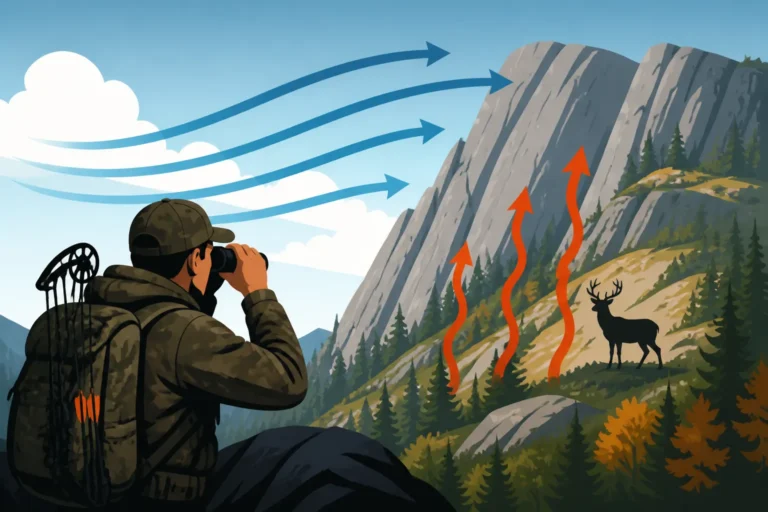
- Thermals: New Hampshire’s topography, especially in areas like the White Mountain National Forest, creates predictable thermal currents. In the mornings, air warms and rises, carrying your scent uphill. In the evenings, air cools and sinks, carrying your scent downhill. If you're hunting a field in a valley, an evening hunt will mean your scent is pooling in the valley bottom. If you're on a ridge, morning thermals might carry your scent over the field. You need to understand these dynamics intimately. For more details, explore resources on Wind and Thermals in Steep Granite Terrain.
- Entry and Exit Routes: This is perhaps the most overlooked aspect. A poorly planned entry or exit can ruin a hunt before it even begins, spooking deer that are already in the field or approaching it. Your routes must be quiet, scent-free, and hidden.
- Concealment: Use natural features like timber breaks, draws, or the backside of hills to stay out of sight. Avoid silhouetting yourself on ridge lines.
- Noise Reduction: Wear quiet clothing. Walk slowly and deliberately, watching where you place your feet to avoid snapping twigs.
- Scent Control: Employ full scent control measures – showering with scent-free soap, washing clothes in scent-free detergent, wearing rubber boots, and using scent-eliminating sprays. Your entry route should never cross an anticipated deer travel path with an unfavorable wind. This is where a detailed mapping app, like GoHunt, can be a lifesaver, allowing you to plot multiple routes based on prevailing winds.
Timing Your Hunt for Peak Activity
Deer, especially mature bucks, don't just wander into a green field at random. Their presence is often dictated by a combination of factors: time of day, seasonal patterns, and hunting pressure.
- Time of Day: The classic times for green field hunting are dawn and dusk. Deer, being crepuscular, are most active during these low-light periods. They’ll typically move from bedding areas to feeding areas just before dark and return to bedding just after dawn. However, don't rule out midday movement entirely, especially during the rut when bucks are actively cruising for does or during periods of inclement weather when they might feed intermittently.
- Seasonal Patterns:
- Early Season (September/October): Deer are still in summer patterns, often hitting green fields in the late afternoon. Hunting early in the season can be effective before hunting pressure builds.
- Pre-Rut/Rut (Late October/November): This is a prime time. While bucks are focused on breeding, they still need to eat, and does will be frequenting green fields. Hunting the periphery or known travel corridors during Hunting the Rut in Early-to-Mid November can be very productive. Bucks will cruise the edges, scent-checking for does.
- Late Season (December): After the rut, deer are exhausted and need to replenish calories. If natural food sources are scarce or covered by snow, green fields can be absolute magnets. This is when cold-tolerant forage like brassicas truly shine. Focusing on Late-Season Food Sources for New Hampshire Whitetails is key.
- Pressure: The more a green field is hunted, the more nocturnal the deer become. If a field is getting hammered, deer might only enter it well after dark. In these situations, you might be better off focusing on travel corridors leading to the field, or hunting thick cover nearby, hoping to intercept a deer transitioning. Always consult the New Hampshire Fish and Game Department's guidelines for season dates and regulations to ensure your timing aligns with legal hunting periods.
Effective Hunting Strategies for Green Fields in New Hampshire
Once you’ve thoroughly scouted your chosen green field and understood the deer movement patterns, it’s time to consider how you’ll actually hunt it. The beauty of green field hunting is the variety of tactics you can employ, each with its own advantages depending on the specific field, the weather, and the deer behavior you're observing.
Treestand and Ground Blind Placement
Whether you prefer the elevated advantage of a treestand or the concealed comfort of a ground blind, strategic placement is everything. The goal is to maximize your visibility of the field while minimizing your visibility and scent to the deer.
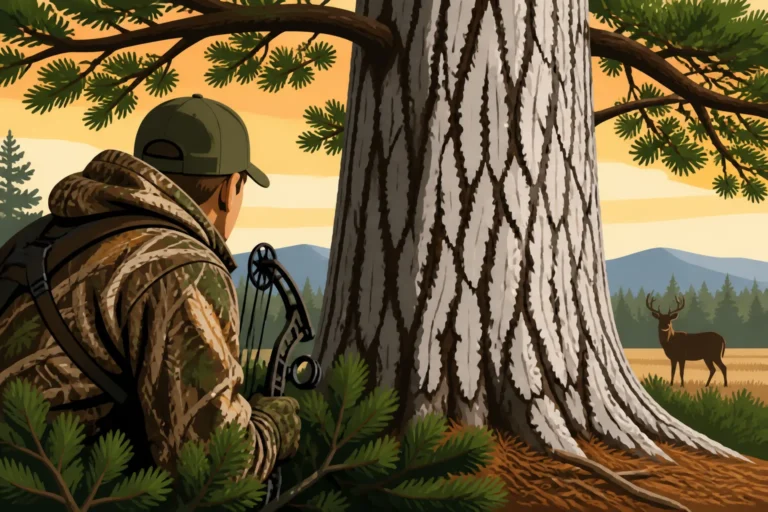
- Treestands: In New Hampshire's hardwood forests, treestands are a popular choice. Look for mature trees on the field edge that offer good cover, such as a large oak or pine, or a cluster of smaller trees that break up your silhouette. Position your stand downwind or crosswind of the most likely deer entry points. You want to be able to see those trails leading into the field, but not directly overlooking them where a deer might scent check before stepping out. Aim for a height that gives you a good shooting angle while also providing a natural backdrop. Remember, a common mistake is setting up too close to the field edge, exposing yourself to deer approaching the field. Often, 20-40 yards back into the timber, overlooking a small opening or funnel, can be more productive. For guidance on setup, consider tips for Hanging a Stand on a Granite Ridge.
- Ground Blinds: Ground blinds offer excellent concealment and are often easier to deploy quickly. They are fantastic for hunting in areas where suitable trees for treestands are scarce or in open settings where you need complete concealment. When setting up a ground blind, integrate it into the existing natural cover as much as possible. Brush it in thoroughly with local vegetation – pine boughs, dead branches, or tall grasses – to make it disappear. Like treestands, place your blind downwind of anticipated deer travel. Ensure you have clear shooting lanes, but also a good backdrop to prevent silhouetting. A blind placed along a brushy fenceline or at the base of a dense cedar thicket on the edge of a field can be incredibly effective. Read more about Using a Ground Blind on Public Land to get an idea of considerations.
Still-Hunting the Edges and Transitions
Not every green field hunt has to be a stationary wait. Still-hunting the edges and transition zones can be an incredibly effective and exciting tactic, especially for those who prefer a more active approach. This strategy involves moving extremely slowly and deliberately along the boundaries between the green field and surrounding bedding or travel cover.
The idea here is to intercept deer as they are moving to or from the field, rather than waiting for them to fully commit to feeding in the open. Bucks, in particular, will often stage in thicker cover near a food source before entering the open field, especially during daylight hours. They might spend 30-60 minutes browsing or scent-checking the perimeter. By moving slowly into the wind or crosswind, pausing often to scan with binoculars, you can catch these deer unawares.
Focus on terrain features like finger ridges, creek bottoms, or brushy fencelines that connect bedding cover to the green field. These serve as natural funnels that deer prefer to use for travel. In New Hampshire, where dense softwoods often meet open areas, these transition zones are prime. During the rut, this tactic is particularly potent, as bucks will be actively scent-checking these edges for does. Take a few steps, then stop for several minutes, scanning every shadow and thicket. Utilize the natural pauses in movement to your advantage. This method requires immense patience and sharp senses but can put you in range of a deer that would never step foot directly into the open plot during daylight.
Dealing with Hunting Pressure
Let's be realistic: if a green field is good, other hunters know it. Hunting pressure is a significant factor, especially on smaller private parcels or accessible public lands in New Hampshire. Deer are incredibly adaptable, and consistent pressure will quickly turn them nocturnal or push them into denser cover, making your hunt even more challenging.
- Hunt Overlooked Entry Points: Most hunters will focus on the most obvious trails. Look for the subtle, less-used entry routes that offer more security cover. This might mean an approach through a thick, thorny patch that most hunters avoid, or a longer walk around a ridge.
- Hunt the Thicker Cover Nearby: If deer are only entering the field after dark, shift your focus. Instead of hunting the field itself, set up in the thick cover 50-100 yards away, along the most likely travel corridor to the field. This way, you can intercept them before they reach the open.
- Midday Movement: During peak rut (e.g., Hunting the Rut in Early-to-Mid November) or after a severe cold front, deer might be forced to move and feed during midday, even under pressure. Be persistent.
- Early vs. Late Season: Pressure tends to build throughout the season. Early in archery season, deer might be more predictable. By the time New Hampshire's November Firearms Deer Season rolls around, they'll be much warier. Adjust your tactics accordingly, perhaps moving further from main access points as the season progresses.
- Change It Up: Don't hunt the same stand day after day, especially if you're not seeing deer. Give the area a rest, and try a different strategy or location. Sometimes, simply backing off for a few days can let the deer relax and return to more natural patterns. Remember, the goal isn't just to see deer, it's to see them when they are vulnerable and unaware of your presence.
Gear and Tactics for Success in New Hampshire's Green Fields
Success in hunting green fields, especially in New Hampshire's dynamic environment, is often a combination of smart strategy and having the right equipment. You want gear that enhances your concealment, improves your scouting, and helps you make the shot when the opportunity arises.
Essential Gear for Green Field Hunting
Having the right kit can make a significant difference in your comfort, effectiveness, and overall success.
- Layered Clothing: New Hampshire weather is famously unpredictable. A warm fall morning can turn into a chilly, windy afternoon, or a crisp day can suddenly deliver a snow squall. The key is Layering for New Hampshire's Cold Hunting Season. Start with a moisture-wicking base layer, add insulating mid-layers, and top it off with a waterproof/windproof outer shell. This allows you to adapt to changing temperatures and stay comfortable during long sits. Look for quiet fabrics that won't make noise when you move.
- Reliable Optics: Binoculars are non-negotiable for glassing a green field. You need to be able to scan the entire plot and its edges for deer, discern antlers, and verify shooting lanes without moving your body. A good rangefinder is also crucial for accurately judging distances, especially at dawn or dusk when light can play tricks on your eyes. Many hunters swear by their GoHunt app for detailed mapping and offline access to property lines, which can be invaluable when planning your approach and knowing exactly where you are relative to legal boundaries.
- Scent Control: Deer rely heavily on their sense of smell. From scent-free detergents for your clothes to carbon-lined clothing and sprays, doing everything you can to minimize your human odor is critical. Store your hunting clothes in airtight containers and don rubber boots for the walk in to avoid leaving a scent trail.
- Comfortable Stand/Blind: Whether it's a lightweight climbing treestand, a solid hang-on stand, or a pop-up ground blind, choose one that you can comfortably sit in for several hours. Comfort reduces fidgeting, which can give away your position. A quality seat cushion is a small investment that pays huge dividends.
- Navigation Tools: A GPS device or a robust mapping app on your phone (like GoHunt) is essential for marking stand locations, planning entry/exit routes, and navigating in low light, especially when scouting for Scouting New Hampshire Public Land Before Season where cell service might be spotty.
Decoy and Calling Strategies
While not always necessary, decoys and calls can sometimes tip the scales in your favor when hunting green fields, particularly during the rut or in specific situations.
- Decoys:
- Doe Decoys: During the pre-rut and rut, a realistic doe decoy can be a powerful attractant. Bucks cruising the field edges, scent-checking for receptive does, might be drawn in by the visual presence of a "doe" already feeding. Position it so that an approaching buck will swing downwind to scent-check it, putting him in a good shooting position. Keep it simple; often, one well-placed doe decoy is all you need.
- Small Buck Decoys: Less common for green fields but can be effective in specific scenarios, especially when trying to challenge a more dominant buck.
- Placement: Always place your decoy where you expect the deer to approach from, and ensure you have a clear shot. Never place it directly in front of your stand where you'd have to shoot over it. Be mindful of hunting pressure; highly pressured deer might be wary of decoys.
- Calling:
- Grunt Calls: A simple tending grunt or contact grunt can sometimes stop a deer, or draw in a curious buck, especially during the rut. If you see a buck working the field edge, a soft grunt might make him pause, giving you a shot.
- Rattling: For more aggressive tactics during the rut, rattling antlers (simulating two bucks fighting) can be effective. However, be cautious: in open green fields, rattling can draw attention from far away, and deer might circle downwind to investigate. Use lighter rattling sequences, especially in open country, rather than heavy, drawn-out clashes. Consider tips for Rattling Volume in Thick Softwood Cover.
- Fawn Bleats/Distress Calls: These can sometimes draw in does looking for their fawns, or even curious bucks. Use sparingly.
Remember, decoys and calls are tools, not guarantees. Use them judiciously and pay close attention to how the deer are reacting. If they seem spooked, put the call away or remove the decoy.
Adapting to Changing Conditions
New Hampshire hunting conditions are rarely static. Being able to adapt your green field strategy to changes in weather, food availability, and deer behavior is a hallmark of an experienced hunter.
- Weather:
- Cold Fronts: A significant drop in temperature often spurs deer to feed more aggressively, making green fields hotter.
- Rain/Snow: Light rain or snow can be excellent for hunting, as it muffles sound and can increase deer movement. Heavy rain might shut down movement, but right after a heavy rain, deer often emerge to feed. Deep snow in late season can make green fields vital food sources, concentrating deer movement.
- Wind: High winds can make deer skittish in open fields. They prefer to feed in more sheltered areas. If winds are howling, focus on protected edges or nearby thickets.
- Food Availability:
- Poor Acorn Year: If the acorn crop is a bust, green fields become exponentially more attractive earlier in the season. Conversely, a bumper acorn crop might draw deer away from green fields until the acorns are gone. Consider insights from Hunting After a Poor Acorn Year.
- Natural Browse Depletion: As winter sets in and natural food sources are depleted or covered by snow, green fields become primary feeding areas. This means your late-season hunts on these plots can be incredibly productive.
- Deer Behavior: If you're consistently seeing deer but they're staying just out of range, or only coming out after dark, you need to change something. This might mean moving your stand further back into cover, shifting to a different entry route, or even taking a break from that field for a few days to let the pressure subside. Observe, learn, and be willing to adjust your plan on the fly. Reading the mud for fresh deer movement, as discussed in Reading New Hampshire Mud for Fresh Deer Movement, can give you real-time insights into how deer are using the field.
| Green Field Type | Prime Seasons in New Hampshire | Primary Benefit | Notes for Hunters |
|---|---|---|---|
| Clover | Late Summer, Early Fall | High Protein, Palatable | Stays green longer than many native plants; good for early season archery. |
| Oats/Wheat | Early Fall | Quick Energy, Fast Growth | Attractive before hard frosts; deer prefer young, tender shoots. |
| Brassicas | Late Fall, Winter | High Carbs, "Sweetens" after Frost | Excellent for late season muzzleloader and archery; deer will dig through snow. |
| Winter Rye | Late Fall, Winter | Cold Hardy, Persistent Green | Provides consistent forage into deep winter; often mixed with other plantings. |
Disclaimer
Please note that hunting regulations, season dates, and legal requirements for specific gear or methods can change. Always consult the most current New Hampshire Fish and Game Department hunting digest or website for the official and up-to-date rules and regulations before planning any hunt. This guide is for informational purposes only and does not supersede state law.