Registering a Deer at a Station During the Blackout
There are few things more frustrating than punching your deer tag after a successful hunt, only to realize that the convenient online registration system you've come to rely on is currently unavailable. That "blackout period" for online reporting often leaves hunters scrambling, unsure how to properly fulfill their legal obligations. This comprehensive guide will walk you through everything you need to know about registering your deer at a physical station during those critical times, ensuring you stay compliant and get your hard-earned harvest officially reported.
Understanding New Hampshire's Deer Registration System
New Hampshire's Fish and Game Department has a robust system in place to track deer harvests, which is crucial for managing the herd and setting future season structures. For years, hunters relied solely on physical check stations, but with the advent of technology, online registration became a popular and convenient alternative. However, there are specific periods when that digital ease temporarily disappears.
The Convenience of Online Registration and Its Limitations
Many of us have grown accustomed to the simplicity of registering our deer right from our phones or computers, often while still out in the field or shortly after getting home. It's incredibly convenient – you input the necessary details, get a confirmation number, and you're good to go. This system, which you can learn more about by checking out Registering a New Hampshire Deer Online, works perfectly for the vast majority of the archery and early firearm seasons. You avoid lines, don't have to drive out of your way, and can get back to celebrating your success or getting to the butcher.
However, this digital convenience has its limits. The New Hampshire Fish and Game Department needs to reconcile data, conduct biological sampling, and ensure accurate, real-time harvest numbers during peak hunting pressure. This is where the "blackout period" comes into play, temporarily suspending online registration to allow for in-depth data collection and verification at physical stations. Knowing When Online Deer Registration Goes Offline is critical for planning your post-hunt steps.
Why the Blackout Period Exists
The blackout isn't designed to make your life harder; it serves a vital purpose for wildlife management. During the most intense hunting periods, particularly the firearms season, the sheer volume of deer being harvested necessitates a more hands-on approach to data collection. Biologists and Fish and Game staff need to physically examine deer, collect samples (like teeth for aging, or lymph nodes for CWD testing), and verify information directly from hunters. This direct interaction helps maintain the integrity of the data and provides valuable insights into the health and demographics of New Hampshire's deer herd. Without these in-person checks, the department would miss out on critical biological information that informs important decisions about herd management and future hunting regulations, including details about New Hampshire's WMU-Based Deer Season Structure.
When the Blackout Typically Occurs
The online registration blackout periods are usually tied to the peak of the firearms and muzzleloader seasons, when harvest rates are highest. For instance, you can almost always expect the online system to go dark during the core of New Hampshire's November Firearms Deer Season. This is often a multi-day window where all deer, regardless of the method of take, must be registered in person. Similarly, if you're out hunting during New Hampshire's Muzzleloader-Only Ten Days that often follows the main firearms season, there might be another, shorter blackout period.
It's absolutely essential to consult the current year's New Hampshire Hunting Digest or the Fish and Game website for the precise dates. These dates can shift slightly from year to year, so never rely on memory. Missing these windows and failing to register your deer legally can lead to fines and penalties, which is the last thing any responsible hunter wants after a successful outing. Remember, fulfilling your New Hampshire Deer Reporting Requirements is a non-negotiable part of the hunting process.
Locating and Utilizing Physical Registration Stations
So, the online system is down, and you have a deer to register. Don't panic! New Hampshire maintains a network of physical registration stations specifically for these blackout periods and for hunters who prefer the traditional method.
How to Find an Open Registration Station
Finding an open registration station is easier than you might think, even when the online system is out of commission. Your first and best resource is the New Hampshire Fish and Game Department's official website. They publish a list of all active deer registration stations, complete with addresses and operating hours, usually updated just before the season begins. This list will be your most reliable source during a blackout.
Many hunters also use mapping applications like GoHunt or the Scouting With the New Hampshire Fish and Game App to help navigate not just during the hunt but also for post-harvest logistics. These apps often integrate or link to current station information. While GoHunt is excellent for scouting, mapping, and finding public land, its real-time updates for registration stations can be a lifesaver when cell service might be spotty, and you need to find the nearest open location. Be sure to download maps for offline use if you're hunting deep in the North Country where connectivity is a luxury.
Here's a quick guide to finding a station:
- Check the NH Fish & Game Website: This is the authoritative source. Look for a section on "Deer Registration" or "Check Stations."
- Consult the Hunting Digest: The printed (or PDF) version of the annual hunting digest will list registration stations, although hours might be generalized. Always cross-reference with the website for real-time updates during the season.
- Utilize Hunting Apps: Apps like GoHunt or the official NH Fish & Game app often have features to locate nearby check stations. Make sure your app data is updated.
- Local Knowledge: Don't underestimate the power of local knowledge. Gas stations, general stores, and sporting goods shops in rural areas often serve as registration stations. If you're a regular in a specific hunting area, you might already know the spots.
What to Bring to the Station
When heading to a physical registration station, being prepared can save you time and hassle. Think of it like a quick administrative stop for your trophy.
Here’s a checklist of what you should have:
- Your Valid New Hampshire Hunting License: This is non-negotiable. It proves you are legally allowed to hunt.
- Your Deer Tag (Attached to the Deer): Your physical deer tag must be securely attached to the deer, as required by law. The tag number is crucial for registration.
- The Deer Itself (or its Parts): The regulation typically states that the deer, or at least the head, hide, and evidence of sex, must be presented. Some stations might require the entire carcass for biological sampling. Always be prepared to present the whole animal if requested.
- Pen/Pencil: While many stations provide them, it's always good to have your own.
- Relevant Information: Be ready to provide details like the date and time of kill, the town and Wildlife Management Unit (WMU) where the deer was harvested, and the weapon used. The GoHunt app can help you pinpoint your exact harvest location down to the WMU.
The station attendant will need to record your license information, verify your tag, inspect the deer, and record specific data points like sex, age (if teeth are collected), and sometimes weight. This is where the state gathers valuable data that supports the overall management of our White-Tailed Deer Across New Hampshire.
The In-Person Registration Process Step-by-Step
Registering your deer in person is a straightforward process, but knowing what to expect can make it even smoother.
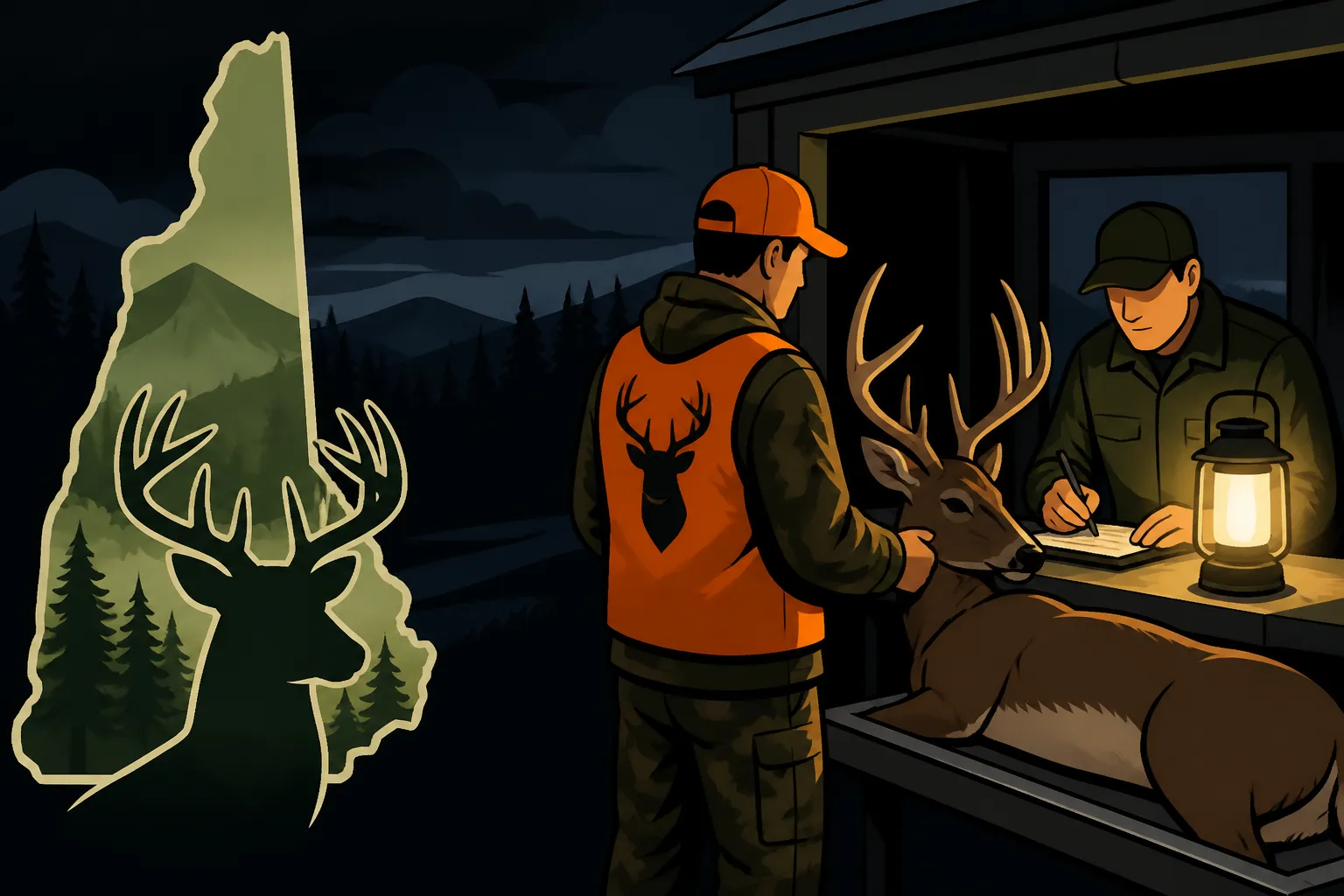
- Arrival and Presentation: Pull up to the designated registration area. Have your deer clearly visible and easily accessible in your truck bed or on a trailer. Approach the attendant with your license ready.
- Information Gathering: The attendant will typically ask for your hunting license, and then for details about your hunt: date of kill, time, town, and WMU. They'll also note the method of take (archery, firearms, muzzleloader).
- Deer Inspection: The attendant will inspect your deer, verifying the tag, sex, and sometimes look for specific characteristics like antler points if you harvested a buck. This is where biological samples might be taken, such as a tooth for aging, which is then sent to Fish and Game for analysis.
- Tag Validation: Once all the information is collected and verified, the attendant will validate your deer tag. This usually involves signing it, writing a registration number on it, or applying a special stamp. This validated tag is your proof of legal registration.
- Receiving Your Confirmation: You'll typically receive a physical registration slip or the validated tag itself serves as your official record. Keep this document with you until the venison is consumed. This is your proof that you legally checked your deer during the blackout.
- Respectful Departure: Thank the attendant for their time and cooperation. They're often volunteers, working long hours during busy seasons.
It’s a simple system designed for accuracy, and it helps the Fish and Game department keep a finger on the pulse of the deer population.
Essential Tips for a Smooth Blackout Registration
Navigating the blackout period doesn't have to be stressful. A little preparation and foresight can make the experience efficient and positive.
Preparing Your Deer for Transport
Proper preparation of your deer before heading to a registration station is not just about convenience; it's often a legal requirement and good ethical practice.
- Field Dressing: Unless explicitly stated otherwise by regulations for specific purposes (like CWD testing protocols that may require lymph nodes still intact), you should always field dress your deer promptly after the kill. This cools the meat, prevents spoilage, and significantly reduces the weight for transport. If it's a cold November day, a properly Field Dressing a Deer in Cold Weather can save your meat.
- Secure the Tag: Ensure your physical deer tag is securely attached to the deer. This is a legal requirement in New Hampshire. A zip tie or string through the hock or antler base works well. The tag must remain with the deer until it's processed.
- Clean Transport: Try to keep your deer as clean as possible during transport. While blood is inevitable, excessive mud or debris can make the attendant's job harder. Use a tarp in your truck bed to contain blood and keep your vehicle cleaner.
- Position for Inspection: If possible, position the deer in your vehicle or on your trailer so that it's easy for the attendant to inspect it without having to completely unload it. This often means placing it on its back or side to allow access to the head, tag, and hindquarters.
Best Practices for Station Visits
When you arrive at a registration station, remember that these are often local businesses or volunteers donating their time. A little courtesy goes a long way.
- Be Patient and Polite: Blackout periods can mean longer lines, especially during peak hours or on the opening weekend of firearms season. Be patient with the attendant and other hunters. A simple "thank you" can make their day.
- Have Documents Ready: As mentioned, have your license and necessary information immediately accessible. This speeds up the process for everyone.
- Follow Instructions: Listen to the attendant's instructions regarding where to park, how to present your deer, and any specific sampling requests.
- Maintain Cleanliness: If you're handling your deer, try to keep the area as clean as possible. Avoid dragging bloody carcasses through storefronts if the station is a general store.
- Respect the Business: If the station is a private business, consider making a small purchase while you're there to show appreciation for their service to the hunting community.
Troubleshooting Common Issues
Even with the best preparation, sometimes things don't go exactly as planned. Here are a few common issues and how to handle them:
- Station is Closed: This is rare if you've checked the official list, but hours can change. If a station is unexpectedly closed, immediately check your phone (if you have service) or a printed list for the next closest open station. Do not delay registration. You can also call the NH Fish and Game non-emergency line for guidance.
- Long Lines: During peak times, lines can be long. This is where patience is key. Use the time to chat with other hunters, share stories, and learn from their experiences. It's part of the tradition! Just be ready when it's your turn.
- No Cell Service: If you're hunting in remote areas like the White Mountain National Forest or parts of the North Country, cell service can be nonexistent. This is why a printed list of registration stations, along with their addresses and hours, is invaluable. Having an offline map on a device like GoHunt or your Best GPS App for New Hampshire Public Land can also help you navigate to a station without a signal.
- Questions About Regulations: If you have questions about specific regulations, the attendant might be able to help, but their primary role is registration. For complex legal questions, it's best to contact the NH Fish and Game Department directly. Keep your annual digest handy for quick reference on topics like New Hampshire Hunter Education Requirements or specific WMU rules.
Remember, the goal is to get your deer legally registered. Stay calm, be prepared, and you'll get through it. Soon enough, you'll be able to focus on the next exciting step, which is often Butchering a Deer at Camp or at home.
| Blackout Period | Primary Season Affected | Typical Duration | Online Registration Status | Action Required |
|---|---|---|---|---|
| Firearms Peak | General Firearms Deer Season | ~3-7 Days | Offline | In-person station required |
| Muzzleloader | Muzzleloader-Only Deer Season | ~2-3 Days | Offline | In-person station required |
| Archery/Early | Early Archery & Minor Seasons | No Blackout | Online available | Online or in-person optional |
Disclaimer
The information provided in this guide is for general informational purposes only and is subject to change. Always consult the official New Hampshire Fish and Game Department website and the current year's New Hampshire Hunting Digest for the most accurate and up-to-date regulations, dates, and registration station information. Hunter assumes all responsibility for understanding and adhering to all applicable laws and regulations.