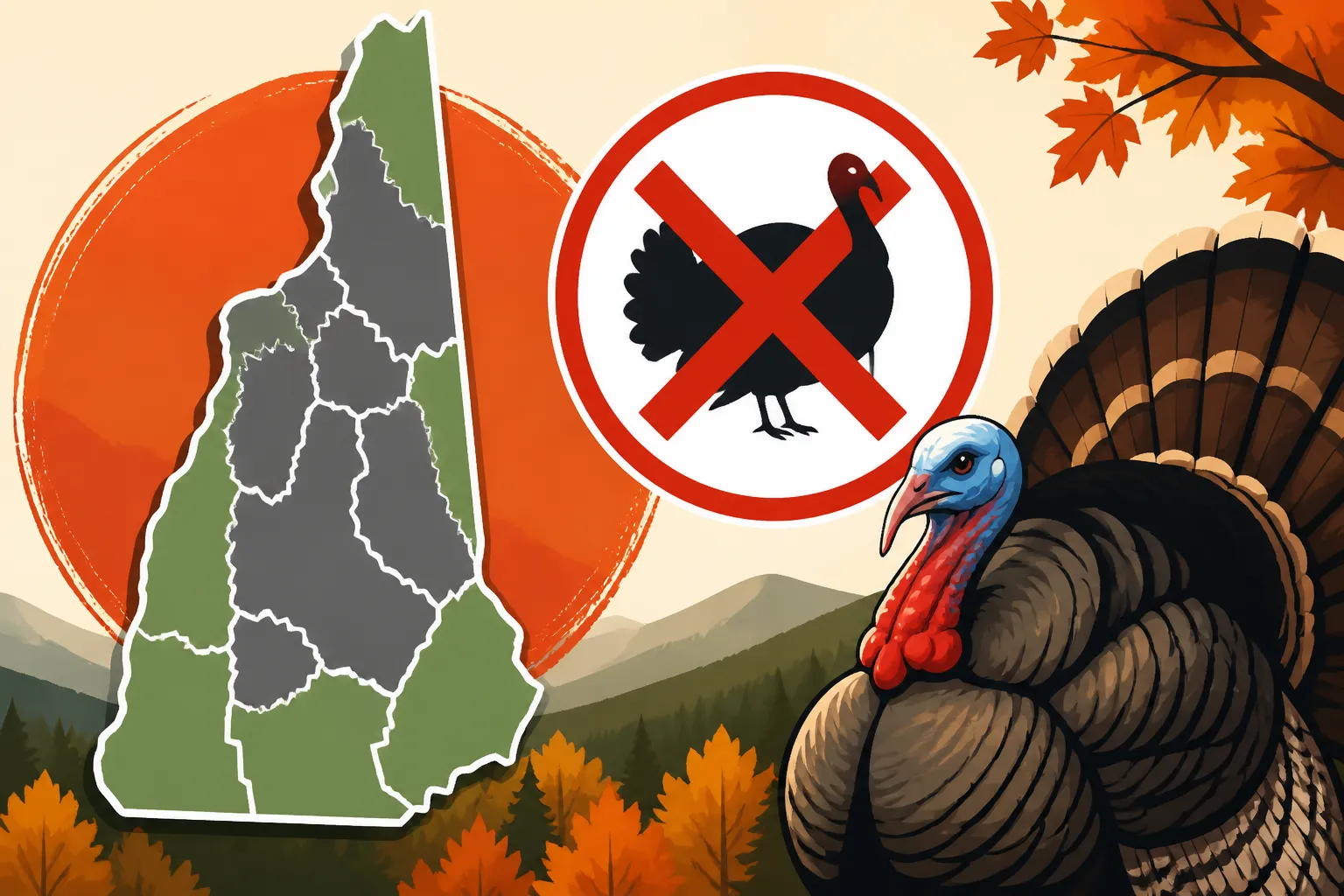
Which WMUs Have No Fall Turkey Season
There's nothing quite like the excitement of chasing wild turkeys in the crisp, colorful air of a New Hampshire autumn. But if you’ve ever found yourself pouring over the New Hampshire Fish and Game digest, trying to pinpoint exactly where you can go for fall turkey, you know the frustration. It’s not as straightforward as it seems, and you might even stumble upon the realization that some areas, specifically certain Wildlife Management Units (WMUs), don't offer a traditional fall shotgun or rifle season at all. This guide is here to clear up that confusion, lay out which WMUs have no fall firearms turkey season, and help you plan your autumn pursuit.
Understanding New Hampshire's WMU System for Turkey Hunting
New Hampshire's wildlife management is structured around a system of Wildlife Management Units, or WMUs. These are geographical areas defined by the New Hampshire Fish and Game Department to help manage wildlife populations effectively. For turkey hunters, understanding these boundaries and their associated regulations is absolutely crucial, especially when it comes to fall seasons.
The Role of WMUs in Regulating Seasons
Each WMU in New Hampshire is managed based on factors like habitat quality, turkey population density, hunting pressure, and harvest data. The state wants to ensure healthy, sustainable turkey populations for future generations, and that means adjusting season lengths, bag limits, and even legal methods of take depending on where you're hunting. What's perfectly legal in one WMU might be completely off-limits in another, even if they're right next to each other. This tailored approach is why you can't just assume a statewide blanket rule for fall turkey hunting. It requires a bit more homework, but it’s all for the benefit of the resource.
How Turkey Populations Influence Regulations
The regulations for fall turkey season, including which WMUs are open for firearms, are a direct reflection of local turkey populations. In areas where turkey numbers might be lower or where hens need more protection to ensure good reproduction rates, the Fish and Game Department tends to implement more conservative hunting seasons. This often means shorter seasons, stricter bag limits, or, in the case of specific WMUs we'll discuss, a complete closure to firearms hunting during the fall.
Conversely, WMUs with robust, healthy turkey populations can often sustain more hunting pressure, leading to longer seasons or more flexible regulations. It’s a delicate balance, and these decisions are made annually after extensive surveys and data analysis. If you're serious about your turkey hunting, familiarizing yourself with these population dynamics in your chosen WMU, perhaps even through resources like GoHunt, can give you a significant advantage in understanding why the rules are the way they are.
Identifying New Hampshire WMUs with No Fall Firearms Turkey Season
Here's where we get to the heart of the matter. While many WMUs in New Hampshire do have a limited fall shotgun, muzzleloader, or rifle season, there are indeed specific units where this isn't the case. This can be a real head-scratcher if you're not paying close attention to the fine print in the hunting digest.
The Specific WMUs Without a Shotgun, Muzzleloader, or Rifle Season
For the fall turkey season, it's important to understand the distinction between archery and firearms. All WMUs in New Hampshire have an archery-only fall turkey season. However, when it comes to hunting fall turkeys with a shotgun, muzzleloader, or rifle, there are specific WMUs that are closed to these methods.
The WMUs where you cannot hunt fall turkey with a shotgun, muzzleloader, or rifle are:
- WMU A
- WMU B
- WMU E
- WMU F
This means if you're planning a fall turkey hunt in these specific units and prefer to use a firearm, you're out of luck. You'll need to either switch to archery gear or choose a different WMU for your hunt. The season in these units is strictly archery-only for fall turkeys. This is a critical detail that many hunters overlook, leading to potential frustration or, worse, unintended violations. Always double-check the most current regulations to ensure you're hunting legally and ethically.
Geographical Overview of the Closed Firearms Zones
Understanding where these "firearms-closed" WMUs are located can help you better plan your hunts.
- WMU A and B: These units comprise the northernmost reaches of New Hampshire, often referred to as the "North Country" or "Great North Woods." WMU A covers the vast majority of Coos County, stretching from the Canadian border southwards, while WMU B sits just south and east of A, still deep in the northern forests. These areas are characterized by extensive timberlands, remote terrain, and often lower human population densities. The turkey populations here, while present, may be more widely dispersed or face different environmental pressures compared to the more populated southern regions.
- WMU E and F: These WMUs encompass much of the White Mountain National Forest and its surrounding higher elevation areas. WMU E specifically covers the core of the White Mountains, including many of the highest peaks and rugged terrain, extending into parts of Grafton, Carroll, and Coos Counties. WMU F is generally south and west of E, still within the mountainous and forested regions. These areas are known for their challenging landscapes and significant public land access, but the turkey populations may not be as robust or concentrated as in the agricultural areas further south.
The common thread among these WMUs is generally more rugged terrain, extensive forest cover, and often, more severe winter conditions. These factors can influence turkey survival and distribution, leading the Fish and Game Department to implement more conservative hunting regulations, particularly for firearms, to help maintain healthy flocks. If your sights are set on hunting the North Country or the White Mountains for turkeys, remember that your only fall option will be archery. You can find more specific details on turkey populations and trends in these regions by looking into topics like New Hampshire Turkey Population Trends.
Navigating the Statewide Fall Archery Turkey Season
Even though some WMUs are closed to fall firearms hunting for turkey, that doesn't mean your fall turkey hunting aspirations are completely dashed. New Hampshire offers a statewide fall archery turkey season, which can be a fantastic opportunity for those who enjoy the challenge of bowhunting.
Archery as a Statewide Fall Turkey Option
The beauty of New Hampshire's fall turkey regulations is that while firearm opportunities are restricted to specific WMUs, archery hunting for fall turkeys is open statewide. This means that even in WMUs A, B, E, and F, where shotguns and rifles are prohibited, you can still pursue turkeys with a bow and arrow during the designated fall season. This offers a consistent option for bowhunters across the entire state, allowing them to explore various terrains and turkey habitats without being limited by specific WMU firearm restrictions.
The archery season generally runs from mid-September through mid-December, providing a lengthy window to get out into the woods. This extended season allows hunters to capitalize on different phases of fall turkey behavior, from early-season flock dispersal to late-season feeding patterns. It's a great way to stay engaged in the turkey woods long after the spring gobbler season has wrapped up. If you're interested in honing your archery skills, you might want to read up on Bowhunting New Hampshire's Long Archery Season.
Special Archery Rules in Certain WMUs
While archery is open statewide, there are still some important nuances to be aware of, particularly regarding bag limits and bird sex. In most open WMUs, the fall archery bag limit is one turkey of either sex. However, there's a specific distinction for two of the WMUs mentioned earlier:
- WMU A and WMU B: In these northern WMUs, the fall archery bag limit is restricted to one male or bearded hen only. This is a significant difference from the "either sex" rule in other WMUs and is another indicator of a more conservative management approach in these remote areas. It means you'll need to be extra vigilant in identifying your target before drawing your bow.
This specific rule underscores the importance of consulting the annual New Hampshire Hunting and Trapping Digest. It's easy to overlook these subtle but critical details, and a quick glance at the regulations can save you from a potential violation. Even for seasoned hunters, a yearly review is a must, as regulations can change.
Practical Considerations for Fall Turkey Hunters
Navigating the various rules and regulations for fall turkey hunting in New Hampshire can feel like a puzzle. But with a bit of careful planning and attention to detail, you can maximize your chances of a successful and legal hunt.
Checking the Latest New Hampshire Fish and Game Digest
I cannot stress this enough: the New Hampshire Hunting and Trapping Digest is your ultimate, definitive source for all regulations. While this guide provides current information, regulations are subject to change annually. Before you even think about heading into the woods, make it a ritual to download or pick up the latest digest from the New Hampshire Fish and Game Department. It's available online as a PDF and at most license vendors. This document will have the most up-to-date WMU boundaries, season dates, bag limits, and legal methods of take.
Don't rely solely on information you find online that isn't directly from NH Fish and Game, or even advice from friends unless they've checked the current digest themselves. A quick five minutes of reading can prevent a costly mistake or a missed opportunity. Pay particular attention to the "Wild Turkey" section and the "WMU Map" to cross-reference your chosen hunting area. Knowing the specific rules for New Hampshire Turkey Season Rules is foundational for any turkey hunter.
Adapting Hunting Strategies to Specific WMU Regulations
Your hunting strategy will, by necessity, need to adapt to the regulations of the WMU you choose.
- If you're in WMUs A, B, E, or F: You must hunt with archery gear. This means focusing on closer engagements, often involving setting up near known feeding areas, travel corridors, or roosts. Calling strategies for fall turkeys differ from spring, often involving mimicking flock sounds rather than seductive hen calls.
- If you're in WMUs with a limited firearms season: You’ll need to make the most of those short windows. This might mean intense scouting before the season to locate flocks, understanding their daily patterns, and being ready to hunt hard from opening day. The brief one- or two-week firearms season in many WMUs requires efficiency and preparedness. You might find success using aggressive run-and-gun tactics, especially on public land, which you can learn more about by checking out Run-and-Gun Turkey Tactics on Public Land.
Remember that fall turkey behavior is largely driven by food sources and flock cohesion. Unlike the spring, when gobblers are focused on breeding, fall turkeys are more concerned with finding food and staying together for safety. Understanding this fundamental shift is key to successful fall hunting, regardless of your weapon choice or WMU.
Essential Gear and Tactics for Fall Turkey Hunting
Successfully hunting fall turkeys in New Hampshire, especially with the varied WMU regulations, requires the right gear and a solid understanding of autumn turkey behavior. Whether you're limited to archery or have a firearms option, preparedness is key.
Gear for Archery vs. Firearms in Fall
Your choice of weapon significantly dictates your gear setup and approach.
- Archery Gear: If you're heading into WMUs A, B, E, or F, your bow is your only option. Ensure your bow is perfectly tuned, your broadheads are sharp, and you're confident in your shooting out to ethical distances. Fall turkeys can be surprisingly tough, so a well-placed arrow is paramount. Consider a good set of lightweight binoculars or a rangefinder, as accurately gauging distance is critical for bowhunting. Stealth is your best friend, so quiet clothing layers are a must. Don't forget your safety harness if you plan to use a treestand, which can be highly effective for fall turkeys in feeding areas.
- Firearms Gear: For WMUs with a firearms season, a 12- or 20-gauge shotgun loaded with turkey-specific shells (like those from Federal or Winchester) is the most common choice. Ensure your shotgun is patterned correctly with your chosen ammunition. Muzzleloaders and rifles are also legal in some fall firearms turkey seasons, so if you opt for one of these, make sure it's sighted in and you're proficient with it. Regardless of firearm type, carry appropriate blaze orange during the firearms deer season if there's an overlap, as required by New Hampshire law. A good pair of robust, waterproof boots will serve you well in New Hampshire's varied fall terrain.
Scouting and Calling for Fall Flocks
Fall turkey hunting is largely about locating flocks and then disrupting them or calling them back together.
- Scouting is Paramount: Before the season, spend time scouting your chosen WMU. Look for areas with abundant food sources like acorns, beechnuts, or agricultural fields. Turkeys will spend their days foraging, so identifying these areas is crucial. Also, locate fresh tracks, droppings, and dusting bowls. Pay attention to roosting areas – often tall pines or hardwoods near water – as turkeys will return to them evening after evening. Tools like the GoHunt app can be invaluable for pinpointing these hotspots and understanding terrain. Knowing where to look and how to Scouting New Hampshire Public Land Before Season will increase your odds.
- Fall Calling Strategies: Unlike the excited gobbling and clucking of spring, fall turkey calling is generally more subtle and focuses on social communication. If you locate a flock, your primary tactic might be to "break them up" by running at them, scattering them in all directions. Once dispersed, wait about 30-60 minutes, then begin calling with soft yelps, clucks, or kee-kee runs to mimic lost birds trying to reunite. A "kee-kee run" is particularly effective for young, lost turkeys. Often, the mature hen will eventually try to gather her flock back, presenting a shot opportunity. If you are successful in breaking up a flock, calling them back can be incredibly exciting, which is why techniques like Breaking Up a Fall Turkey Flock are so popular.
Table of New Hampshire Fall Turkey Season Details
To help clarify the differences across New Hampshire's WMUs, here's a detailed breakdown of the fall turkey season dates and legal methods of take. Always remember that dates are subject to change annually, so consult the current digest.
| WMU(s) | Fall Archery Season (Either Sex) | Fall Archery Season (Male or Bearded Hen Only) | Fall Shotgun/Muzzleloader/Rifle Season (Either Sex) |
|---|---|---|---|
| A, B | Sept. 15 – Dec. 15 | YES | NO OPEN SEASON |
| C, D1, G, H1, I1, I2 | Sept. 15 – Dec. 15 | NO | Oct. 16 – Oct. 29 (14 days) |
| D2, H2, J1, J2, K, L, M | Sept. 15 – Dec. 15 | NO | Oct. 16 – Oct. 22 (7 days) |
| E, F | Sept. 15 – Dec. 15 | NO | NO OPEN SEASON |
Note: Dates are based on typical recent seasons and are subject to change by the NH Fish and Game Department. Always verify with the official annual Hunting & Trapping Digest.
This table clearly highlights the WMUs that have no fall firearms season (A, B, E, F) and the specific restriction for archery in WMUs A and B. It also shows the variation in firearms season length in the WMUs where it is permitted, such as Hunting the Shotgun-Only Fall Turkey Week in specific units. Planning your hunt around these dates and regulations is paramount for a successful and legal experience.
Important Resources for New Hampshire Hunters
Successfully navigating the hunting landscape in New Hampshire, especially with species like turkey that have WMU-specific regulations, really comes down to using the right tools and staying informed.
The New Hampshire Fish and Game Digest
As mentioned repeatedly, the annual New Hampshire Hunting and Trapping Digest is your bible. It’s not just a collection of rules; it's a comprehensive guide to understanding how and where to hunt legally in the state. Each year, the New Hampshire Fish and Game Department updates this digest, which means subtle changes can occur. For instance, knowing the ins and outs of New Hampshire's WMU-Based Deer Season Structure will also help you understand the turkey regulations, as the WMUs are the same.
Make it a habit to obtain the newest version every year. You can download a digital PDF from the official NH Fish and Game website or pick up a physical copy wherever hunting licenses are sold. Take the time to read through the sections relevant to turkey hunting, paying close attention to the WMU maps, season dates, legal methods of take, and bag limits. It’s a small investment of your time that pays huge dividends in peace of mind and avoiding unintentional violations.
Online Tools and Community Forums
Beyond the official digest, a wealth of online tools and community resources can enhance your hunting experience in New Hampshire.
- Mapping Applications: Apps like GoHunt, onX Hunt, and HuntStand are invaluable. They overlay public and private land boundaries, topo maps, and aerial imagery, often showing WMU lines clearly. This is particularly helpful for understanding exactly which WMU you are in, especially when boundaries might be less distinct on the ground. These apps can help you pinpoint food sources, identify potential roosting sites, and plan your approach routes. They also offer offline map capabilities, which are crucial for hunting in the remote parts of New Hampshire, like much of the North Country or White Mountains, where cell service is often nonexistent.
- New Hampshire Fish and Game App: The official NH Fish and Game mobile app can also be a handy tool for quick reference on regulations and, in some cases, even for reporting harvests.
- Online Forums and Social Media Groups: New Hampshire has a vibrant hunting community. Joining local online forums or social media groups dedicated to New Hampshire hunting can provide a platform to ask questions, share insights, and learn from experienced local hunters. While these resources are great for general advice and camaraderie, always cross-reference any specific regulatory information with the official Fish and Game digest. They are excellent for understanding localized tips, such as Calling a Bull Moose in Late October in specific regions, but not for definitive rules. Engaging with these communities can offer a more localized perspective and help you find ground others might overlook.
Using a combination of these resources will not only ensure you're hunting legally but will also significantly improve your chances of finding and successfully harvesting a New Hampshire fall turkey, regardless of the WMU you choose.
Disclaimer
The information provided in this article is for general guidance only and is based on general New Hampshire hunting regulations at the time of writing. Hunting regulations, season dates, and WMU classifications are subject to change annually by the New Hampshire Fish and Game Department. It is the individual hunter's responsibility to consult the most current official New Hampshire Hunting and Trapping Digest and relevant state laws before engaging in any hunting activities.