New Hampshire’s Split Waterfowl Season Explained
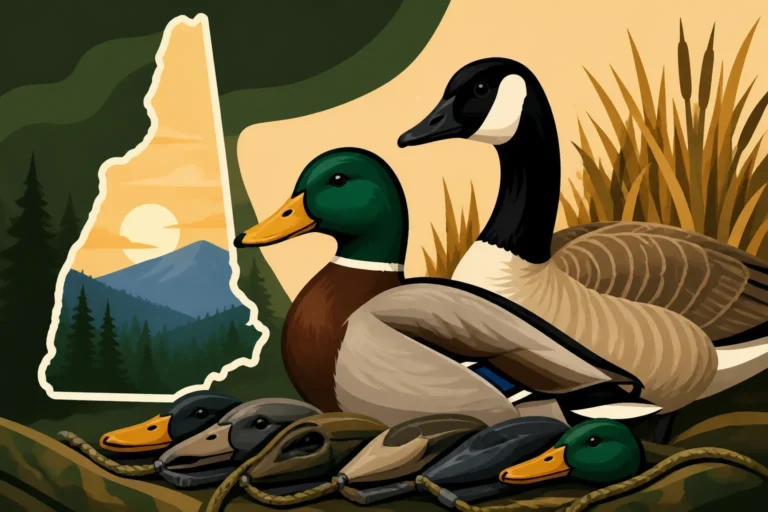
It's incredibly frustrating, isn't it? You spend all summer dreaming of crisp fall mornings in the marsh, only to crack open the New Hampshire hunting digest and feel like you need a calculus degree to decipher the waterfowl regulations. The term "split season" often causes more confusion than clarity, making it tough to plan your hunts, know when to scout, and even just figure out if it's legal to be out there on a given day. This guide is here to untangle the complexities of New Hampshire's unique split waterfowl season, explaining not just what it is, but why it exists and how you can use this structure to your advantage for more successful hunts.
Understanding the "Split" in Waterfowl Season
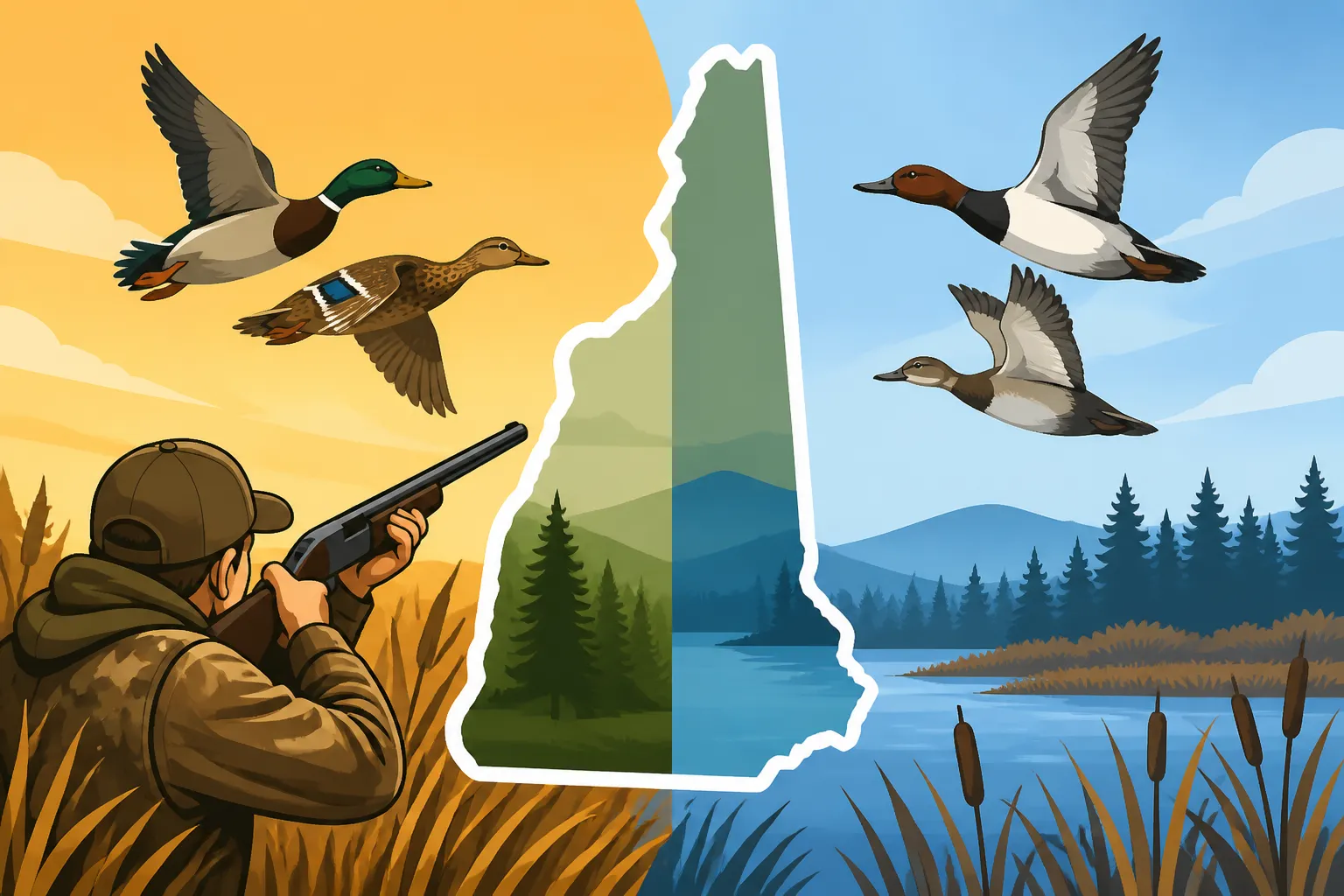
When we talk about a "split" waterfowl season in New Hampshire, what we're really talking about is a season that isn't continuous from start to finish. Instead, there are specific periods when hunting is open, followed by a closure (the "split" or "blackout" period), and then the season reopens for another segment. It's like a two-act play with an intermission, and knowing when those curtains open and close is absolutely critical.
What Defines a Split Season?
Imagine the calendar for ducks and geese. Instead of a solid block of, say, October 1st to January 31st, you might see something like "October 1st – October 20th" followed by "CLOSED: October 21st – November 4th" and then "OPEN: November 5th – December 31st." That period of closure in the middle is the "split." This structure is intentionally designed to address several factors that are unique to migratory bird hunting in New Hampshire. It's a dance between biology, hunter opportunity, and regulatory frameworks set by the U.S. Fish and Wildlife Service, which oversees migratory bird management nationwide.
Think about it from the birds' perspective: they aren't all here at once. Some ducks are local nesters, some are early migrants passing through quickly, and others are late-season cold-weather warriors pushed down from the far north. A continuous season would either put too much pressure on local birds early on or completely miss the peak migration of other species later. The split allows wildlife managers to tailor hunting pressure and opportunity to different phases of the migration and different species groups.
Differentiating From Other States
New Hampshire's approach isn't unique in the grand scheme of North American waterfowl hunting; many states with diverse geography and migratory corridors use some form of a split season. However, the specific timing and length of these splits are customized to our local conditions, which can differ significantly from, say, Massachusetts or Maine. For instance, a state further south might have a much later split or no split at all, while a state further north might have an earlier, more pronounced split due to harsher, earlier winters.
The key takeaway here is that while the concept of a split season is widespread, the implementation in New Hampshire is very particular. This is why relying on general knowledge or even regulations from neighboring states can lead to mistakes. Always, and I mean always, refer to the official New Hampshire Fish and Game Digest for the most current and accurate dates for New Hampshire Waterfowl Season and Zones. This digest breaks down everything you need to know, often including specific dates for ducks, geese, and sometimes even sea ducks, each with their own potential splits.
The Rationale Behind New Hampshire's Split Season Structure
It's easy to look at the hunting digest and grumble about complicated dates, but there's solid reasoning behind New Hampshire's decision to implement a split waterfowl season. It's not just to make your life harder, I promise! The factors at play are complex and deeply rooted in wildlife management principles, aimed at providing the best hunting opportunities while ensuring the long-term health of our migratory bird populations.
Managing Migratory Patterns and Species Nuances
One of the most significant drivers for a split season is the sheer variability in migratory bird movements through New Hampshire. We're part of the Atlantic Flyway, a major corridor for ducks and geese moving between their breeding grounds and wintering areas. However, not all birds are on the same schedule.
- Early Migrants and Resident Birds: At the very beginning of the waterfowl season, often in late September or early October, many of the birds hunters encounter are local resident populations – Canada geese that nested here, wood ducks, and some early-migrating teal. A brief early season allows hunters to target these birds before the bulk of the northern migration arrives. If the season ran continuously from this point, these local birds could face undue pressure before they've had a chance to disperse or for other migrants to join them.
- The Main Push: As October progresses and we move into November, the big cold fronts start sweeping down from Canada. This is when the main push of mallards, black ducks, wigeon, and various diving ducks begin to pour into New Hampshire. The split allows for a period of rest and regrouping for birds already present, and then reopens when these new waves of migrants are typically arriving, offering fresh hunting opportunities. The "split" acts as a protective measure, allowing a critical mass of birds to move into and through the state without being constantly pursued.
- Late-Season Birds: Our deepest winter months can still hold excellent hunting for certain species, especially hardy dabblers and divers that linger on open water, or geese that key into agricultural fields. The second segment of the split season often extends into December, sometimes even early January, to capitalize on these later migrations and birds that are less pressured by the early-season rush. This provides a chance to employ different tactics, like Layout Blind Hunting a Northern Zone Field or Decoying Ducks on New Hampshire's Connecticut River as ice begins to form.
Hunter Opportunity and Spreading Pressure
Another critical aspect of the split season is how it manages hunter pressure and maximizes opportunity. Let's be honest, we all want to be out there as much as possible, but too many hunters in the same spots for too long can "burn out" an area, making birds incredibly wary and difficult to decoy.
- Diverse Hunting Experiences: The split allows for different types of hunting experiences. The early season might be better for jump-shooting smaller brooks, like when Jump-Shooting a New Hampshire Creek, or setting up on a quiet beaver flowage for wood ducks. The later season often involves more elaborate decoy spreads on larger bodies of water or hunting grain fields for geese. This diversity keeps the sport engaging and allows hunters to adapt their methods to the conditions and the birds present.
- Reduced Overlap and Competition: By breaking the season into segments, New Hampshire Fish and Game can effectively manage the distribution of hunters. The closure period gives both birds and hunters a breather. When the season reopens, there's a renewed sense of excitement and often new birds in the area, reducing the feeling of over-pressured spots. This strategy helps ensure that public land waterfowl opportunities, which are precious resources, remain viable throughout the migratory period.
- Alignment with Federal Frameworks: It's important to remember that New Hampshire's waterfowl seasons operate within frameworks established by the U.S. Fish and Wildlife Service. These frameworks dictate the maximum number of hunting days, opening/closing dates, and bag limits allowed. States then tailor their specific seasons within these federal guidelines to best suit their local conditions and conservation goals. The split season is a common tool used by states to maximize hunting days while staying within these federal parameters and accommodating the varying migration timing.
Navigating New Hampshire's Waterfowl Zones and Dates
Trying to keep track of waterfowl season dates can feel like herding cats, especially with the added layer of zones and species-specific regulations. New Hampshire, like many states, divides its territory into different zones for waterfowl hunting, primarily to account for varied migratory timing and weather patterns across the state. Understanding these zones and where you fit into them is paramount.
New Hampshire's Two Primary Waterfowl Zones
New Hampshire isn't one monolithic block when it comes to waterfowl. We primarily operate under two distinct zones, each with its own set of season dates, which are crucial for every waterfowler to know. Checking the official digest, or utilizing resources like the maps found on GoHunt, can help you definitively determine which zone you're in.
- Northern Zone: Generally encompassing the colder, more northern parts of the state, this zone often experiences earlier migrations and earlier freeze-ups. Consequently, the hunting season here tends to open earlier and might close earlier, sometimes with shorter splits, to account for birds pushing through quickly or waters freezing over. If you're hunting around the Umbagog Lake region, the Androscoggin River Valley, or deep in Coos County, you're likely in the Northern Zone. This zone is often where you'll see the first major pushes of birds and also the first ice.
- Inland Zone: This covers the majority of the rest of New Hampshire, stretching from the White Mountains' southern reaches down to the Massachusetts border. The Inland Zone typically has a later opening, and its split structure might differ, often with a longer overall season length due to milder weather and longer periods of open water. If your hunting grounds are near Lake Winnipesaukee, along the Connecticut River Valley further south, or in the Merrimack Valley, you're almost certainly in the Inland Zone. The migratory patterns here can be more protracted, with birds lingering longer into the late fall.
It is absolutely vital to know which zone your intended hunting location falls into. Misinterpreting the zone could lead you to hunt during a closed period, which is a serious violation. The line between these zones is clearly defined by specific geographic landmarks or roads in the hunting digest, so don't guess! A quick reference with your New Hampshire's Northern and Inland Zones Explained material or the GoHunt app before you head out is a smart move.
Species-Specific Splits and Season Lengths
Adding another layer of complexity, the split season isn't always uniform across all waterfowl species. While ducks often share a similar split calendar, Canada geese, for instance, can have entirely separate special early seasons that occur before the general duck season even opens.
- Ducks: For most dabbling and diving ducks, you'll find a common split season structure for the Northern and Inland Zones. These dates are generally consistent for species like mallards, black ducks, wood ducks, and green-winged teal.
- Canada Geese: New Hampshire typically offers an "early Canada goose season" in September, sometimes statewide or sometimes with specific restrictions, designed to target resident populations before migratory birds arrive. This is often followed by a more traditional split season that aligns more closely with duck dates, but check carefully. Then, in some areas, there might be late-season goose opportunities targeting specific concentrations.
- Sea Ducks: For hunters targeting sea ducks like scoters, eiders, and oldsquaw (long-tailed ducks), there's often an entirely separate season with its own dates and bag limits. These birds inhabit coastal waters and large, open inland lakes during migration, and their movements and population dynamics warrant unique management. This is a niche within a niche, but worth exploring if you live near the coast or large lakes.
The table below provides a generalized look at how the split seasons might typically align for ducks and Canada geese across the two zones. Remember, these are examples, and you must consult the current New Hampshire Fish and Game Digest for precise, up-to-date information every season.
| Species Group | Zone | Typical First Split (Opening) | Typical First Split (Closing) | Typical Second Split (Opening) | Typical Second Split (Closing) |
|---|---|---|---|---|---|
| Ducks | Northern Zone | Late Sept. / Early Oct. | Mid-October | Late Oct. / Early Nov. | Mid-December |
| Inland Zone | Mid-Oct. | Early Nov. | Mid-Nov. | Late Dec. | |
| Canada Geese | Northern Zone | Early Sept. (Special Resident) | Late Sept. (Special Resident) | Late Sept. / Early Oct. | Mid-December |
| Inland Zone | Early Sept. (Special Resident) | Late Sept. (Special Resident) | Mid-Oct. | Late Dec. |
Note: These are illustrative dates based on historical patterns. Always check the official New Hampshire Fish and Game Digest for current season dates, bag limits, and specific regulations before heading afield, as they can change annually.
The "Blackout" Period: The Heart of the Split
The most critical part of understanding the split season is recognizing and respecting the "blackout" period—that time when the season is entirely closed. This closure is not a suggestion; it's a legal mandate. During this time, hunting waterfowl is illegal.
This period serves multiple purposes: it allows birds that have already arrived to rest and feed without constant pressure, potentially holding them in the area longer for the second split. It also often coincides with a lull in migration for certain species, making a closure less impactful on overall harvest but more beneficial for the birds. For hunters, it's a forced break, a chance to scout new areas, repair gear, or chase small game. Most importantly, it’s a non-negotiable legal boundary. Missing these dates can have serious consequences, so always have the current regulations on hand.
Maximizing Your Success in a Split Season
Navigating a split waterfowl season in New Hampshire might seem daunting at first glance, but with the right mindset and preparation, you can turn its complexities into distinct advantages. It's all about adapting your strategy to the different phases of the season and understanding what the birds are doing.
Year-Round Scouting is Your Best Friend
You simply cannot overstate the importance of scouting for waterfowl, and with a split season, it becomes even more critical. Your success will hinge on knowing where the birds are, what they're feeding on, and how they're reacting to hunting pressure throughout the various segments.
- Pre-Season Prep: Long before opening day, you should be out exploring wetlands, river systems, and agricultural fields. Identify potential roosting areas, feeding grounds, and travel corridors. Look for early-season birds like wood ducks on small ponds or local geese in cut cornfields. This initial reconnaissance helps you build a mental map of waterfowl activity. Tools like satellite imagery, especially those found on apps like GoHunt, can be invaluable for identifying potential hotspots and access points.
- Scouting During the Split: The "blackout" period isn't a time to kick back entirely; it's a prime opportunity for crucial mid-season scouting. What changes have occurred on the landscape? Have new birds arrived? Are old food sources depleted, or have new ones become available? Have ponds frozen over, pushing birds to larger, still-open water? This intelligence gathered during the closed period can give you a significant edge when the season reopens. You might discover a whole new flight pattern or a previously overlooked hot spot.
- Adapting to Migration: Pay close attention to weather forecasts, especially cold fronts. A major cold snap to our north can signal a fresh wave of migratory ducks and geese heading our way, completely changing the dynamics of your hunting grounds. New Hampshire Duck Migration Timing Through New Hampshire is heavily influenced by these weather events, so stay informed. Continual scouting helps you confirm if these new birds have indeed arrived and where they are settling.
Gear Adaptation for Varying Conditions
New Hampshire's weather can swing wildly from the early fall warmth to the bitter cold of late December. Your gear strategy needs to be as flexible as the season dates.
- Early Season (First Split): Think lighter. You might be dealing with warmer temperatures, less ice, and more active bugs. Lighter waders, even hip boots, might suffice for smaller creeks or beaver flowages. Decoy spreads can be smaller and less elaborate, focusing on active movement. For example, a few wood duck decoys and a spinner might be all you need to call in a group of local birds. You might be more inclined to Jump-Shooting a New Hampshire Creek or ambushing birds from natural cover.
- Late Season (Second Split): This is where you need to bring out the heavy artillery. Insulated chest waders are essential, along with multiple layers of warm clothing. Remember, sitting still for hours in freezing temperatures demands proper insulation, so don't skimp. Ice eaters or specialized decoys might be necessary for keeping open water in freezing conditions. For field hunting geese, layout blinds and large numbers of full-body decoys are often the norm. This is when a reliable thermos of hot coffee or soup becomes your best friend.
A resource like GoHunt can also be helpful for finding reviews and comparing different types of cold-weather gear, ensuring you're adequately prepared for whatever the New Hampshire skies throw at you.
Mastering Bird Behavior and Legal Compliance
Understanding how bird behavior changes throughout the season, combined with strict adherence to regulations, will make you a more effective and ethical hunter.
- Behavioral Shifts:
- Early-Season Birds: Often less wary, respond well to basic calling, and may decoy readily to simple spreads. These are often local birds that haven't faced much hunting pressure yet.
- Mid-Season Migrants: As the season progresses and more birds push through, they become more educated. Realistic decoy spreads, varied calling techniques, and good camouflage become increasingly important. They've seen more hunters and heard more calls.
- Late-Season Birds: These birds have seen it all. They are extremely wary and will often flare at the slightest unnatural movement or sound. Focus shifts to finding their primary food sources (often grain fields or large, undisturbed bodies of water), using massive decoy spreads, minimal calling, and absolute concealment. Reading a Marsh for a Morning Flight will teach you to observe subtle cues in bird movement and behavior.
- Legal Scrutiny: This is non-negotiable. Always, always, always consult the current New Hampshire Fish and Game Digest.
- Dates and Zones: Double-check the opening and closing dates for your specific zone and the species you are targeting. The split can be confusing, so verify every time.
- Bag Limits: Understand the daily bag limits and possession limits for each species. These can change annually, and some species (like pintails or canvasbacks) may have very restrictive limits or be entirely closed in certain years. Refer to New Hampshire Duck and Goose Bag Limits.
- Licensing and Stamps: Ensure you have all necessary licenses, including your New Hampshire hunting license, a federal duck stamp (New Hampshire Federal Duck Stamp Requirement), and your Harvest Information Program (HIP) certification (New Hampshire HIP Certification for Bird Hunters). Without these, you are not legally hunting.
By embracing the split season as an opportunity to adapt and refine your tactics, rather than a hurdle, you’ll find yourself with more enjoyable and productive waterfowl hunts across the diverse landscapes of New Hampshire.
Disclaimer
Please note that hunting regulations, season dates, and license requirements are subject to change. While this guide aims to provide accurate and helpful information, it is not a substitute for the official New Hampshire Fish and Game Digest. Always consult the most current official regulations from the New Hampshire Fish and Game Department before engaging in any hunting activities. Adherence to all laws and regulations is the responsibility of the individual hunter.