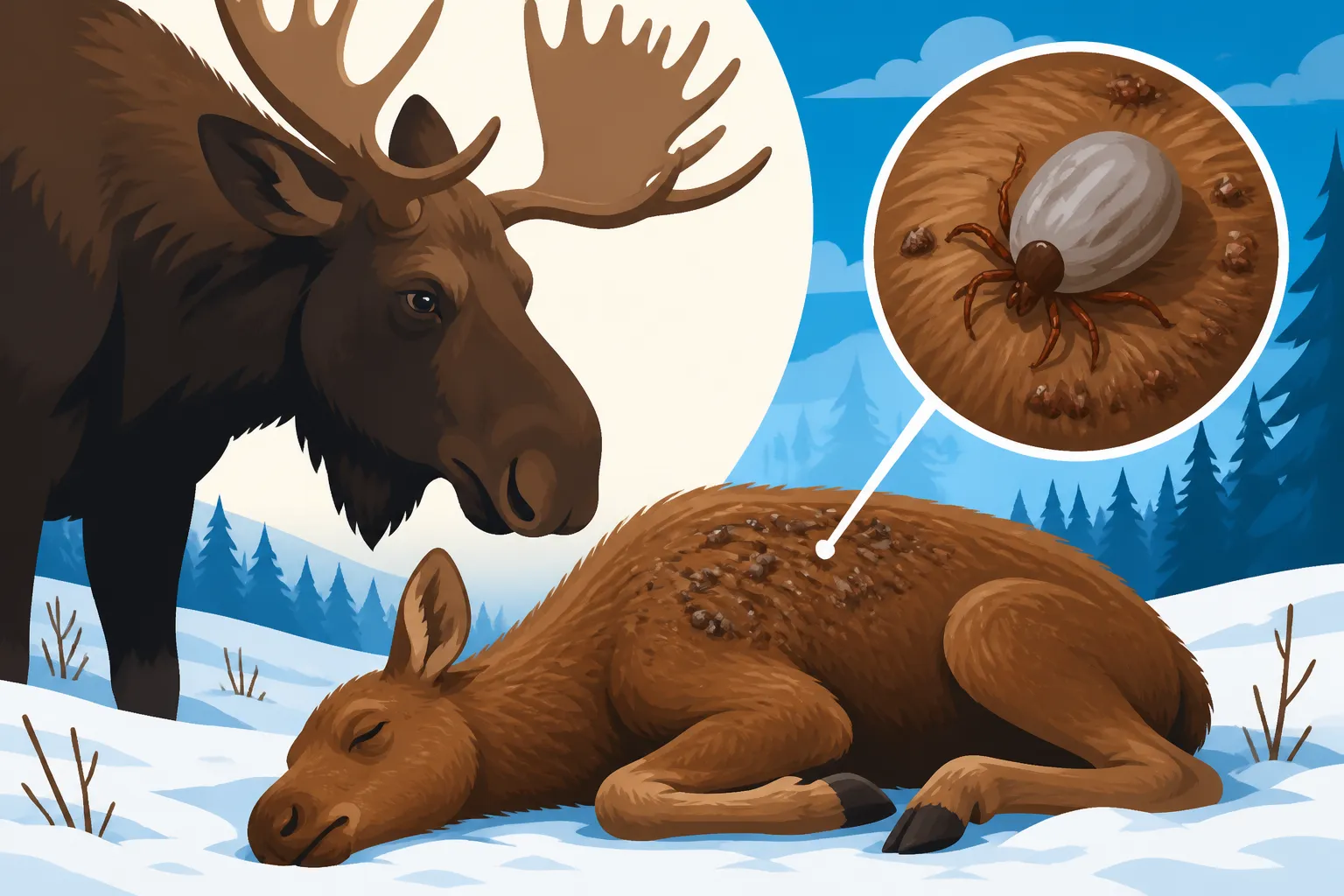
Why Moose Calves Die From Winter Ticks
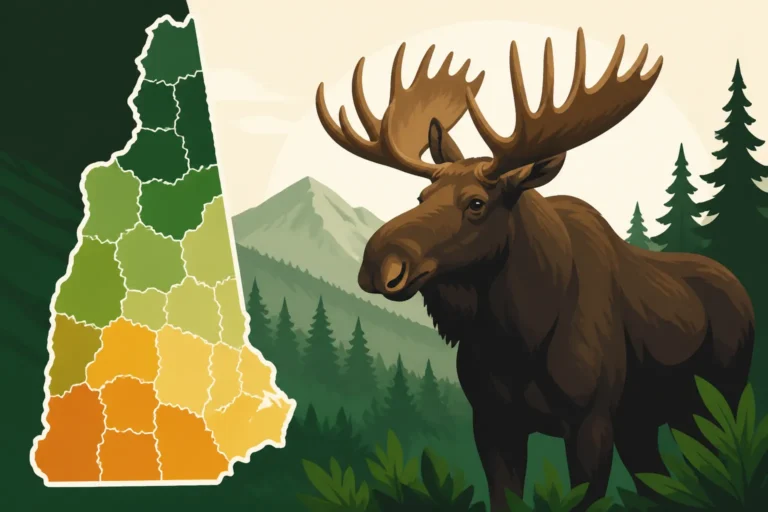
It’s a heartbreaking sight that any of us who spend time in the New Hampshire woods might unfortunately encounter: a moose calf, looking frail and almost ghostly, struggling through the late winter or early spring. This isn't just a sad anomaly; it’s a symptom of a much larger, insidious problem plaguing our cherished moose population, particularly the youngest among them. This guide will delve into the critical, often devastating, impact of winter ticks on New Hampshire moose calves, explaining precisely why these tiny parasites pose such a monumental threat to the future of our state’s largest cervids.
The Insidious Nature of the Winter Tick Infestation
For many years, the sight of a healthy moose, powerful and majestic, was a common enough occurrence in the northern reaches of New Hampshire. But lately, especially if you’ve been tracking wildlife trends or even using advanced mapping tools like GoHunt to scout new areas, you might have noticed a decline, or at least a stark difference in the health of some animals. A major driver of this change is the winter tick, Dermacentor albipictus, a parasite that acts very differently from the more common deer tick or dog tick we're used to. Unlike those ticks, the winter tick spends its entire parasitic life cycle on a single host, typically a moose, from fall through spring.
Imagine hundreds, even thousands, of these tiny creatures clinging to one animal. They start as larvae in the fall, climbing vegetation and latching onto a passing moose. Once attached, they stay there, feeding, growing, and molting through their nymph and adult stages all on the same animal. This sustained, continuous feeding throughout the colder months is what makes them so devastating. It’s not just a quick bite; it’s a constant drain on the animal’s resources when they can least afford it. When you hear about Why Winter Ticks Threaten New Hampshire Moose, this unique life cycle is at the very heart of the issue.
The sheer numbers are staggering. Biologists have found moose carrying tens of thousands of winter ticks, sometimes upwards of 70,000 to 100,000 ticks on a single animal. That’s an almost unimaginable burden. Each tick is small, but collectively, they draw an immense amount of blood. This chronic blood loss leads to severe anemia, a condition where the moose's blood lacks enough healthy red blood cells to carry adequate oxygen to its body's tissues. It's like having a thousand tiny straws constantly sipping from your vital fluids, day in and day out, for months.
Why Moose Calves Are Uniquely Vulnerable
While adult moose suffer from winter tick infestations, it's the calves born the previous spring that bear the brunt of this parasitic onslaught, leading to significant mortality rates. Their smaller size and developing physiology make them acutely susceptible to the stresses caused by winter ticks. When you consider How Many Ticks Infest a New Hampshire Moose Calf, the numbers are disproportionately impactful on these young animals compared to a fully-grown bull or cow.
Smaller Body, Greater Impact
A moose calf, even a robust one, has a significantly smaller body mass and blood volume than an adult. When tens of thousands of ticks attach to a calf, the percentage of its total blood volume being siphoned off is far greater than it would be for an adult. This is where the anemia hits hardest and fastest. A large adult moose might be able to tolerate the loss of a certain volume of blood, perhaps becoming weakened but surviving. A calf, however, reaches critical blood loss much more rapidly, pushing its system past the breaking point. They simply don't have the reserves to cope with such a sustained attack.
Furthermore, these calves are in a crucial developmental stage. They need every bit of energy and nutrient intake to grow, build fat reserves for winter, and strengthen their immune systems. Chronic blood loss saps this energy, diverting resources from growth and maintenance towards merely surviving the parasitic drain. This often results in a stunted, emaciated calf that is far less prepared to face the rigors of a harsh New Hampshire winter, even before considering the tick burden itself.
Ineffective Grooming and Behavioral Changes
Adult moose have thicker hides and are generally more effective at grooming themselves, especially in areas they can reach. Calves, on the other hand, are less experienced and often less capable of effectively removing large numbers of ticks. The constant irritation from the ticks causes them to excessively rub, scratch, and break off their hair, particularly around the neck, shoulders, and flanks. This leads to the infamous "ghost moose" appearance – patches of pale, broken hair, or even bare skin. You might see this on animals even when using an app like GoHunt to track sightings.
This hair loss isn't just cosmetic; it's a critical factor in their survival. Moose rely on their dense, insulating coat to keep warm in frigid temperatures. With large areas of their protective layer rubbed away, calves are much more prone to hypothermia, expending precious energy to maintain body temperature that should be used for growth and tick resistance. This combination of anemia, energy depletion, and compromised insulation is a deadly trifecta for young moose. The constant itching and discomfort also lead to behavioral changes; instead of foraging and building reserves, they spend an inordinate amount of time scratching, further reducing their energy intake.
Delayed Development and Secondary Issues
The cumulative stress from tick infestation can delay a calf’s normal development. Instead of putting on weight and muscle, they become lethargic and weak. This makes them more susceptible to other health issues, less able to escape predators, and ultimately less likely to make it through the challenging late winter and early spring. The timing of tick drop-off, usually in April and May, coincides with the period when calves are already at their weakest after enduring months of cold and parasitic drain. Many simply succumb to the combined stresses, often dying from starvation, anemia, hypothermia, or a combination thereof.
Here’s a snapshot of the distinct challenges faced by moose calves compared to adults:
| Factor | Moose Calf Vulnerability | Adult Moose Tolerance |
|---|---|---|
| Body Mass/Blood Vol. | Small body size means significant blood loss from ticks has a disproportionate impact. | Larger body mass and blood volume can better absorb the impact of tick burden. |
| Energy Reserves | Limited fat reserves, critical for growth and winter survival, rapidly depleted by ticks. | More extensive fat reserves, though still impacted, offer greater buffering capacity. |
| Grooming Efficacy | Less effective at removing ticks due to inexperience and reach limitations. | Generally more capable of grooming and removing a percentage of ticks. |
| Hair Loss Impact | Severe hair loss leads to rapid hypothermia, requiring more energy to stay warm. | Thicker hide and larger size offer better insulation despite some hair loss. |
| Growth & Development | Energy diverted from growth and muscle development, leading to stunted individuals. | Primarily impacts condition, but core development is typically complete. |
| Predator Avoidance | Weakness and lethargy make them easier targets for predators like coyotes and bears. | Still vulnerable when weakened, but typically retain more strength and agility. |
| Mortality Rate | Significantly higher mortality rates, especially in winters with high tick burdens. | Increased mortality in severe cases, but generally more resilient than calves. |
The Broader Ecological Puzzle and Management Challenges
The high mortality rate of moose calves due to winter ticks isn't just a sad individual story; it has profound implications for the overall New Hampshire Moose Population Decline Since the 1990s. A healthy population relies on successful reproduction and calf recruitment into the adult ranks. When a large percentage of calves die before reaching breeding age, the population simply cannot sustain itself. Conservation efforts, often supported by data collection and analysis from platforms like GoHunt, aim to understand these dynamics better.
Climate Change as a Catalyst
One of the most significant factors driving the surge in winter tick populations, and consequently calf mortality, is climate change. Milder falls and shorter winters mean a longer active season for ticks and fewer hard freezes to kill them off. The ticks drop off the moose in the spring to lay eggs, and if there isn't sufficient snowpack or cold temperatures to kill larvae before they find a host, their numbers can explode. Our moose, adapted to long, cold New Hampshire winters, are caught in a mismatch with a changing climate that favors their parasites. This ecological imbalance is a critical piece of the puzzle that shapes the future of Moose in New Hampshire's North Country.
Management Strategies and Difficult Decisions
Managing a problem as complex as winter tick infestation is incredibly challenging. There's no simple "tick spray" for an entire wild moose population. Instead, wildlife agencies, like New Hampshire Fish and Game, have explored various strategies. One controversial, but sometimes necessary, approach has been to strategically reduce moose density in certain areas. The theory is that fewer moose mean fewer available hosts, which can lead to a reduction in tick numbers over time. This can be a tough pill to swallow for hunters and wildlife enthusiasts, but it's a difficult decision made with the long-term health of the herd in mind, as discussed in detail in posts like New Hampshire's Moose Density Reduction Efforts.
Such efforts require careful monitoring and research, including studies on moose health, tick burdens, and reproductive success. These studies often rely on data collected from harvested animals during hunting seasons, which provides invaluable insights into the health of the herd. Understanding these complex interactions is vital as the state continually works to ensure a viable future for our moose, allowing us to continue enjoying this magnificent animal for generations to come. Even when you're preparing for a hunt and checking something like New Hampshire Moose Season Dates, you're indirectly participating in a system that helps monitor the health of the herd.
What Hunters and Concerned Citizens Can Observe
For those of us who spend a lot of time in the woods, whether we're Hunting a New Hampshire North Country Moose Bog or simply enjoying a hike, being observant can contribute to our collective understanding of this issue. If you see a moose, especially in late winter or early spring, pay attention to its condition.
Look for the classic signs of a "ghost moose":
- Patches of missing hair: Especially on the shoulders, neck, and flanks. The skin underneath might look pale or irritated.
- Excessive scratching or rubbing: The moose might be seen rubbing against trees or scratching itself vigorously.
- Lethargy or emaciation: The animal may appear unusually thin, weak, or move slowly.
- Anemia: While harder to spot directly, the overall weakened state is a strong indicator.
Seeing these signs on a calf is particularly concerning and often indicates a severe tick burden. While there's not much an individual can do directly to help an infested wild moose, reporting your observations to New Hampshire Fish and Game can contribute to their ongoing data collection. This information helps biologists track trends and understand the geographic extent and severity of infestations. Using resources from organizations or tools like GoHunt can also help you educate yourself further on these trends. It’s all part of the larger effort to safeguard these incredible animals and ensure that future generations will still ask How Many Moose Live in New Hampshire.
Disclaimer
This article is for general informational purposes only and does not constitute professional advice. Laws, prices and regulations vary by location and change over time. Consult a qualified professional for guidance on your specific situation.