New Hampshire Moose Antler Records
For many New Hampshire hunters, the pursuit of a bull moose is already a once-in-a-lifetime dream, often secured through the challenging lottery system. But for a select few, the ultimate prize isn't just a moose, it's a bull with an impressive rack that stands out in the record books. It’s a quest that goes beyond the tag and into understanding the intricate details of what makes a truly monumental set of antlers. This guide dives deep into what constitutes New Hampshire moose antler records, how they're scored, and the factors that contribute to their awe-inspiring size, helping you appreciate the true majesty of these forest giants.
The Allure of New Hampshire Moose Antlers
There’s something undeniably captivating about a large set of moose antlers. They are a symbol of wildness, strength, and the rugged beauty of the New Hampshire wilderness. For hunters and wildlife enthusiasts alike, the sheer size and complexity of a mature bull's rack tell a story of years spent navigating dense forests, surviving harsh winters, and vying for dominance. These aren't just bone; they're a testament to an animal's life and the rich ecosystems they inhabit. The quest for record-book antlers often drives hunters to push their limits, spending countless hours in the woods, honing their skills, and truly connecting with the landscape.
Why Antler Size Matters to Hunters
Beyond the obvious bragging rights, antler size holds a deeper significance for hunters. A massive rack often indicates a mature bull, one that has reached its physical prime. Harvesting such an animal is a mark of accomplishment, showing an understanding of moose behavior, habitat, and the patience required for such a demanding hunt. It also speaks to the health of the local herd and the quality of the habitat. When you’re spending precious time and resources on something as significant as a moose hunt, which for most is a rare opportunity (you can learn more about New Hampshire's Moose Permit Lottery), the desire to connect with an exceptional animal is completely understandable. It’s not just about the kill; it’s about the memory and the respect for the animal.
The Story Behind the Numbers
Every record-book entry isn't just a set of measurements; it's a culmination of a hunter's journey, a testament to conservation efforts, and a snapshot of a particular animal's life. Official records, typically maintained by organizations like Boone and Crockett, provide a standardized way to compare trophies across different regions and eras. These numbers aren't arbitrary; they reflect a rigorous system designed to celebrate exceptional specimens fairly. Knowing that your moose's antlers could potentially rank among the largest ever taken in New Hampshire adds another layer of excitement and challenge to the hunt. It elevates the experience from a successful harvest to a piece of state hunting history, a legacy for both the hunter and the magnificent animal.
Understanding New Hampshire's Moose Antler Scoring Systems
When we talk about "record-book" antlers, we're generally referring to a recognized scoring system that uses a set of specific measurements to determine a total score. The most prominent system for North American big game, including moose, is the Boone and Crockett Club's scoring method. This system aims to create a fair and standardized way to compare animals based on the size and symmetry of their antlers, celebrating truly exceptional specimens. It's a precise process, not just a casual glance. Understanding this system is crucial if you're ever lucky enough to harvest a bull that you suspect might be a contender.
Key Measurements for a Record Book Bull
The Boone and Crockett system for moose focuses on several critical measurements that together create a comprehensive score. It's more than just the widest point; it's about the entire configuration.
- Greatest Spread: This is the maximum width between the outer edges of the antlers. While impressive, it's just one piece of the puzzle.
- Width of Palms: Measured at the widest point of each palmate section, this contributes significantly to the overall mass.
- Length of Palms: Taken along the longest edge of each palm.
- Circumferences: Various circumference measurements are taken around the main beams at specific points, indicating the thickness and mass of the antlers.
- Points: The number of distinct points (tines) originating from the palm or beam are counted on each antler. These must be at least one inch long and longer than they are wide.
- Abnormal Points: Any points that are not typical in their growth or placement are measured and deducted from the gross score. This deduction encourages symmetry and typical antler growth, although many hunters appreciate unique, non-typical racks as well.
All these measurements are carefully taken, summed, and then deductions for asymmetry or abnormal points are applied to arrive at a final net score. It’s a process designed to be as objective as possible, ensuring that every record-book animal truly represents a top-tier specimen. For those looking to understand the species better, knowing about New Hampshire Moose Antler Growth Timeline can provide context for these measurements.
The Official Scoring Process
So, you've harvested a bull moose and you have a feeling it might be something special. What next? The official scoring process is a meticulous affair that requires patience and adherence to specific rules.
- Drying Period: First, the antlers must undergo a mandatory drying period. For moose, this is typically 60 days from the date of harvest. Antlers can shrink slightly as they dry, and this period ensures that all measurements are stable and consistent. You wouldn't want to get an official score only to have it change later!
- Official Scorer: Once the drying period is complete, you'll need to contact an official Boone and Crockett scorer. These individuals are trained and certified to perform the measurements according to the strict guidelines of the club. They often volunteer their time and expertise, driven by a passion for big game and hunting heritage.
- Measurement Day: The scorer will take all the necessary measurements using specialized tools. This usually involves tapes, calipers, and a keen eye for detail. They'll record every point, every circumference, and every spread, often measuring each side independently.
- Panel Scoring (for potential world records): For truly exceptional trophies that might challenge the top ranks, the antlers may be submitted for "panel scoring." This involves multiple official scorers examining and measuring the trophy to ensure accuracy and consensus on the final score. This is a rare occurrence, but it speaks to the integrity of the system.
This rigorous process ensures that any moose recognized in the record books has truly earned its place. It's a celebration of both the animal and the hunter's commitment to ethical hunting and careful trophy care.
Factors Influencing Antler Growth in New Hampshire Moose
New Hampshire moose are, without a doubt, magnificent creatures. But what exactly contributes to one bull growing an impressive, record-book caliber rack, while another of similar age might have a more modest set of antlers? It's a complex interplay of several factors, from the food they eat to the genes they inherit, all shaped by the unique environment of the Granite State. Understanding these elements can give you a greater appreciation for the animals you're pursuing in places like the North Country, where New Hampshire Moose Population Decline Since the 1990s is a topic of concern.
The Role of Habitat and Nutrition
Just like any living creature, moose need excellent nutrition to thrive, and antler growth is particularly demanding on a bull's body. The quality of the habitat directly impacts the availability of essential nutrients.
- Forage Quality: New Hampshire's vast forests offer a variety of browse, but not all of it is equally nutritious. Moose prefer young, regenerating deciduous growth, aquatic vegetation, and certain conifers like balsam fir and willow. Areas with abundant high-quality forage, rich in minerals like calcium, phosphorus, and zinc, are crucial for optimal antler development. Think about areas with recent logging activity that creates new growth, or wetlands rich in aquatic plants.
- Soil Composition: The underlying soil directly affects the mineral content of the plants moose consume. Regions with mineral-rich soils tend to produce healthier, larger deer and moose. In New Hampshire, the diverse geology means some areas naturally offer better nutritional profiles than others.
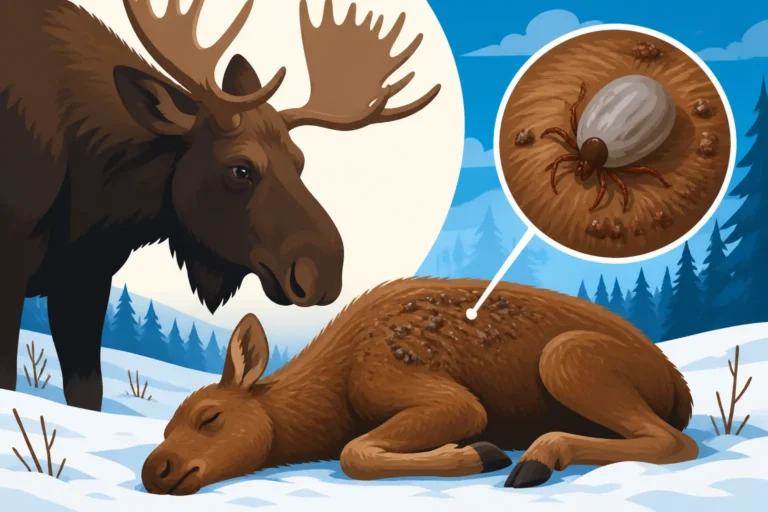
- Winter Severity: Harsh New Hampshire winters can put immense stress on moose. If a bull enters winter in poor condition, or if the winter is exceptionally long and severe, its body will prioritize survival over antler growth in the following season. This can lead to smaller, less robust antlers even in otherwise healthy animals. You can imagine the energy drain when considering How Many Ticks Infest a New Hampshire Moose Calf, a stress that affects adults too.
- Access to Water: While not always obvious, consistent access to clean water is vital for overall health and nutrient transport within the body, indirectly supporting antler growth.
Areas that consistently provide all these elements – high-quality, abundant forage, good soil, and manageable winter conditions – are more likely to produce moose with impressive racks over time.
Age and Genetics: The Unseen Drivers of Rack Potential
While habitat provides the fuel, age and genetics dictate the blueprint and capacity for growth.
- Age: This is arguably the most significant factor. Moose, like deer, typically don't reach their peak antler potential until they are mature, usually between 5.5 and 9.5 years old. Younger bulls might have respectable antlers, but they simply haven't had enough years to fully express their genetic potential. As a bull ages, his body dedicates more energy to antler production each year, resulting in heavier beams, larger palms, and more points, up to a certain point before senescence sets in. This is why targeting mature animals is key for trophy hunters.
- Genetics: You can have the best habitat in the world, but if a bull doesn't have the genetic predisposition for large antlers, he won't grow them. Antler characteristics like overall shape, mass, palm width, and point configuration are highly heritable. A bull from a lineage known for producing big racks is more likely to pass those traits on. While selective breeding isn't a factor in wild populations, certain localized populations might naturally have a higher genetic potential for antler size due to historical factors and successful breeding lines. This is a big reason why understanding New Hampshire Moose Density by WMU can be so helpful.
It's the combination of all these factors – a mature bull with excellent genetics, living in a prime habitat with ample nutrition and manageable environmental stressors – that results in a truly monumental, record-book New Hampshire moose rack.
Where to Find Potential Record Book Moose in New Hampshire
New Hampshire's vast and wild landscape offers incredible opportunities for moose hunting, but if you're specifically dreaming of a record-book bull, certain areas are historically known for producing larger animals. It's not a guarantee, of course, as trophy animals can emerge from anywhere, but focusing your efforts on these regions can increase your odds. The key is understanding the habitat, the moose populations, and how to effectively scout these often-rugged locales.
North Country Hotbeds: Coos and Grafton Counties
When most people think of moose in New Hampshire, their minds immediately go to the North Country, and for good reason. Coos County, in particular, which covers the northernmost reaches of the state, and large portions of Grafton County, are quintessential moose habitat.
- Coos County: This county is a mosaic of vast timberlands, remote bogs, and mountainous terrain, offering the kind of seclusion and abundant forage that allows moose to mature and express their genetic potential. Large tracts of public land, including parts of the White Mountain National Forest and various state forests, provide endless opportunities for adventurous hunters. The sheer wildness of the area, combined with lower hunting pressure in some of the deepest wilderness sections, means bulls have a better chance to reach those older age classes critical for big antlers. Places like the Connecticut Lakes Headwaters region or around Umbagog Lake are prime examples. For more specific local insights, checking out Hunting the Connecticut Lakes Region or Hunting the Umbagog Lake Wetlands can be beneficial.
- Grafton County: While also containing significant mountainous terrain, Grafton County often benefits from a slightly milder climate in some areas and a mix of logging activity that creates excellent browse. The western part of the county, bordering the Connecticut River Valley, can offer a blend of timber and agricultural edges, though moose tend to stick to the deeper woods. Areas within the White Mountain National Forest in Grafton County are also prime for those willing to put in the effort.
These regions simply have the recipe: good age structure in the moose herd, expansive habitat, and nutritional resources to support robust antler growth.
Scouting for Big Racks: Tips and Tools
Finding a potential record-book moose isn't about luck; it's about meticulous scouting and understanding moose behavior.
- Focus on Food and Cover: During the summer and early fall, moose are actively feeding to put on weight for the rut and winter. Look for areas with fresh browse, especially regenerating clear-cuts, beaver flowages, and pockets of aquatic vegetation in secluded bogs. Don't forget their need for thick cover, especially softwoods, for bedding and security.
- Identify Core Areas: Moose, especially mature bulls, tend to have distinct home ranges. Look for consistent sign: large tracks, heavily browsed saplings, rubs on small trees, and well-used trails. GoHunt and other mapping applications can be invaluable for identifying these potential core areas by analyzing habitat types, elevation, and proximity to water.
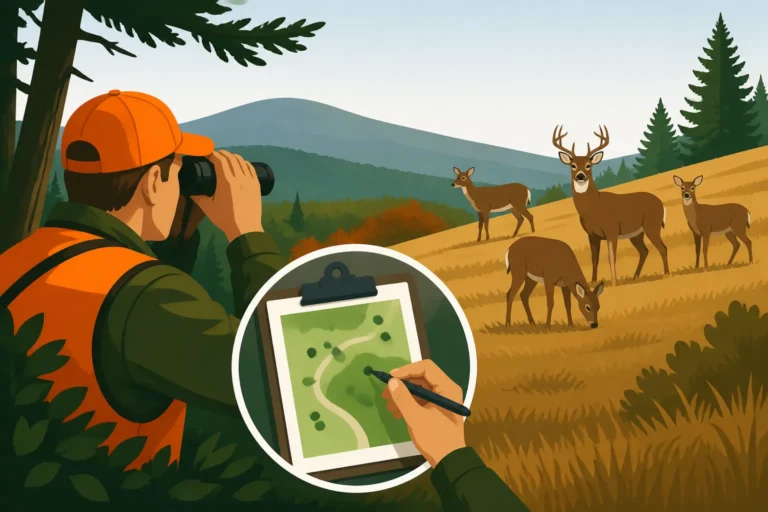
- Utilize Optics: High-quality binoculars or a spotting scope are essential, especially when glassing large open areas like clear-cuts or bogs from a distance. You can learn more about Binoculars for Glassing a North Country Bog to make sure you have the right equipment. Take your time, set up on high ground, and systematically scan the terrain.
- Scent and Wind: Moose have an incredible sense of smell. Always be mindful of the wind direction, both when scouting and when hunting. If a moose smells you, your chances are over.
- E-Scouting with GoHunt: Before you even set foot in the woods, tools like GoHunt can give you a massive advantage. Use the satellite imagery and topographic maps to identify potential bedding areas, feeding zones, water sources, and travel corridors. Look for terrain features that could funnel moose movement, or remote pockets that might hold unpressured animals. GoHunt's property line layers can also help you ensure you're scouting on accessible public land. This virtual scouting helps you narrow down vast areas to focus your on-the-ground efforts more efficiently.
- Trail Cameras: While perhaps not as common for moose as for deer, strategically placed trail cameras can provide valuable intelligence on moose activity patterns and, crucially, help you identify the caliber of bulls in an area. Remember to check regulations regarding trail cameras on public land.
The pursuit of a record-book moose is a marathon, not a sprint. It demands dedication, knowledge, and a deep respect for the animal and its habitat. By focusing your efforts on prime areas and utilizing effective scouting strategies, you significantly increase your chances of encountering one of New Hampshire's truly exceptional bulls.
Typical New Hampshire Moose Antler Measurement Ranges (Boone & Crockett)
For those curious about what constitutes a "big" moose in New Hampshire, here's a general idea of measurement ranges for typical antler configuration, according to the Boone & Crockett scoring system. Remember, these are approximate and individual antlers will vary greatly.
| Measurement Category | Average Bull Range (Inches) | Record Book Potential (Inches) |
|---|---|---|
| Greatest Spread | 45 – 60 | 65+ |
| Width of Each Palm (Avg.) | 10 – 15 | 16+ |
| Length of Each Palm (Avg.) | 25 – 35 | 36+ |
| Points on Each Antler | 8 – 12 | 13+ |
| Circumference (Each Beam) | 6 – 8 | 8.5+ |
| Gross Score (Typical) | 140 – 170 | 180+ (Minimum to qualify) |
Note: The minimum B&C score for Alaska-Yukon Moose (which New Hampshire moose fall under) to be considered for the All-time record book is 200, and for Awards is 190. While New Hampshire has produced some truly exceptional animals, these are tough benchmarks. The table above reflects more common ranges for mature New Hampshire bulls and what would generally be considered 'record book potential' within the state.
Remember that a clean, symmetrical rack with good mass will always net a higher score in the typical category than a rack with many abnormal points, even if it has a massive spread. The pursuit of an exceptional New Hampshire moose is about appreciating the wildness of these animals and the incredible natural resources we have here. Whether it's a small bull or a true giant, every moose hunt in New Hampshire is a profound experience.
Disclaimer
This article is for general informational purposes only and does not constitute professional advice. Laws, prices and regulations vary by location and change over time. Consult a qualified professional for guidance on your specific situation.