New Hampshire Squirrel Harvest Numbers
It can be incredibly frustrating to try and understand the bigger picture of wildlife management when you're just trying to figure out if it's going to be a good year for squirrel hunting. You hear talk of populations, management units, and surveys, but what does it all really mean for your time afield? This guide will dive deep into New Hampshire's squirrel harvest numbers, explaining how these figures are collected, what influences them, and how understanding them can make you a more informed and successful small game hunter.
Understanding New Hampshire's Squirrel Harvest Data
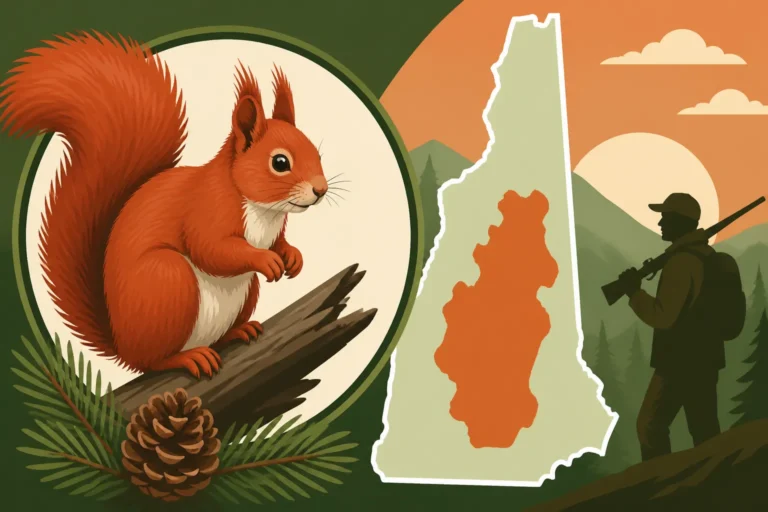
When we talk about "squirrel harvest numbers" in New Hampshire, we're primarily referring to gray squirrels, which are the most commonly hunted species in the state. While red squirrels are certainly abundant, they aren't typically the focus of organized harvest data collection in the same way. These numbers are a crucial piece of the puzzle for wildlife biologists, helping them monitor population health, assess the impact of hunting pressure, and ensure sustainable management for future generations of hunters. It’s not just about counting dead squirrels; it's about understanding the living, breathing ecosystem they are a part of.
What Harvest Numbers Really Represent
Harvest numbers aren't a direct count of every squirrel in the woods, far from it. Instead, they represent a snapshot of hunter success and participation, which, when combined with other data, can give biologists an estimate of the overall population trends. Think of it like a thermometer reading for the squirrel population; it doesn't tell you every detail about the weather, but it gives you a very good idea if it's hot or cold. These figures often reflect the health of local mast crops, the severity of previous winters, and even hunter effort. A great acorn year usually means more squirrels come fall, and typically, higher harvest numbers follow, assuming hunters are out there enjoying the woods.
How Data is Collected from Hunters
For many small game species in New Hampshire, including squirrels, harvest data is often collected through voluntary surveys given to hunters at the end of the season. Hunters might receive a postcard or an email asking them to report how many days they hunted and how many squirrels they harvested. While voluntary surveys don't capture every single squirrel taken, when enough hunters participate, they provide a statistically significant sample that biologists can use to extrapolate broader trends. It relies on the good will and cooperation of the hunting community, which is a testament to how dedicated New Hampshire hunters are to conservation. This collective data is vital for understanding New Hampshire Squirrel and Rabbit Populations.
Factors Influencing Squirrel Harvest Numbers
Squirrel populations, and consequently, harvest numbers, are incredibly dynamic. They don't just stay the same year after year. There's a delicate balance of environmental factors that play a huge role in how many squirrels are out there and how successful hunters are at finding them. Understanding these factors can help you predict a good year from a lean one, and perhaps adjust your hunting strategies accordingly. It’s all part of learning to read the woods, a skill far more valuable than any fancy gear.
The Impact of Mast Crops and Food Availability
Without a doubt, the single biggest factor influencing squirrel numbers is the availability of food, specifically mast crops. Mast refers to nuts and seeds from trees like oaks (acorns), hickories (nuts), and beeches (beechnuts). A bumper crop of acorns in the fall provides an abundance of food for squirrels to cache and eat through the winter. This leads to higher survival rates for adults and, often, more successful breeding seasons in the spring. Conversely, a poor mast year can lead to higher winter mortality and reduced breeding success, resulting in fewer squirrels the following fall.
Imagine a fall where the forest floor is absolutely littered with acorns. Squirrels are everywhere, darting between trees, burying their treasures. That kind of year, you can expect the harvest numbers to reflect that abundance. But if you walk the woods and find hardly a nut, you know it's going to be a tougher season. When you're Squirrel Hunting New Hampshire Hardwoods, paying attention to what the trees are producing is a major key to success.
Weather Patterns and Winter Severity
New Hampshire winters can be brutal, and extreme cold combined with deep snow can take a heavy toll on squirrel populations. While squirrels are adept at caching food and hunkering down, prolonged periods of severe weather can deplete their stores, make foraging difficult, and expose them to predators. Mild winters, on the other hand, often lead to higher overwinter survival rates.
Beyond winter, the spring and summer weather can also play a role. A late, harsh spring can impact early breeding success, while a very wet summer might affect the quality or quantity of mast as it develops. These are all subtle influences that stack up to create the conditions for the fall hunting season. A savvy hunter, keeping an eye on these weather trends throughout the year, gets an early read on what to expect.
Hunter Participation and Effort
It's a simple truth that if fewer people go hunting, fewer animals will be harvested, even if the population is robust. Hunter participation, the number of individuals heading into the woods, and hunter effort, how many days they spend hunting, directly influence the annual harvest totals. Economic factors, changing demographics, and even competing outdoor activities can all affect how many boots are on the ground during squirrel season.
For instance, if deer season is particularly exciting or a new fishing opportunity opens up, some hunters might divert their time away from small game. Conversely, during years with robust squirrel populations, word gets around, and more hunters might venture out specifically for squirrels, driving harvest numbers higher. Understanding these trends in hunter behavior is as important as understanding the squirrels themselves. If you're using a mapping app like GoHunt, you can sometimes see public land access points that might hint at hunter density, allowing you to seek out quieter spots.
How Squirrel Harvest Numbers are Collected and Used
The collection and analysis of squirrel harvest data might seem a bit abstract, but it's a scientific process designed to provide valuable insights for wildlife agencies. It’s all about maintaining a healthy, huntable resource, and every hunter who participates in surveys plays a small but significant part in that larger effort. This isn't just bureaucratic paperwork; it’s the backbone of informed conservation.
The Role of Hunter Surveys and Reporting
As mentioned, voluntary hunter surveys are the primary tool for collecting harvest information for small game like squirrels. These surveys are typically conducted post-season by the New Hampshire Fish and Game Department. They might be mailed out randomly to a selection of licensed hunters or available online. Hunters are asked to record details such as the number of days they hunted, the specific species they pursued, and the number of animals harvested.
It’s crucial that hunters participate in these surveys honestly and accurately. Even if you didn't harvest any squirrels, reporting your effort (how many days you hunted) is still extremely valuable data. It helps wildlife managers gauge hunter pressure and success rates. This direct input from the hunting community forms a vital feedback loop for managing our wildlife resources.
| Survey Question Example | Purpose |
|---|---|
| Days hunted squirrels? | Gauges hunter effort and participation. Helps determine if low harvest is due to fewer squirrels or fewer hunters. |
| Number of squirrels harvested? | Direct measure of harvest success. Used in conjunction with effort to calculate success rates. |
| WMU/County hunted most? | Provides geographic insight into harvest distribution, identifying areas of high and low squirrel activity or hunter preference. |
| Did you see squirrels? | Indicates presence/absence and perceived abundance by hunters, valuable qualitative data. |
Analyzing Trends Over Time
Once the harvest data is collected, biologists analyze it to identify trends over multiple years. Are harvest numbers steadily increasing, decreasing, or remaining stable? These long-term trends are far more important than any single year's data, as they can reveal underlying ecological shifts or sustained population changes. For example, a consistent decline in squirrel harvest might trigger closer examination of habitat degradation or disease, while a consistent increase might indicate thriving populations and healthy ecosystems.
These analyses are often correlated with other environmental data, such as mast crop surveys, weather records, and predator populations. By overlaying these different data sets, wildlife managers can piece together a comprehensive picture of what's happening in the squirrel world and make informed decisions about season lengths, bag limits, and habitat management efforts. This historical data can also be useful when you're Scouting New Hampshire Public Land Before Season, helping you identify areas that historically support strong squirrel numbers.
Implications for the New Hampshire Squirrel Hunter
Understanding squirrel harvest numbers isn't just for biologists; it has real, practical implications for you, the hunter. By paying attention to these reports and the factors that influence them, you can improve your chances of success, appreciate the resource more deeply, and contribute positively to wildlife conservation in New Hampshire.
Using Harvest Data to Inform Your Hunting Strategy
While specific harvest numbers for individual small game species like squirrels might not be as widely publicized or broken down as finely as deer or moose data, understanding the trends is key. If the previous fall and winter brought a strong mast crop and mild conditions, you can head into the woods with higher expectations for finding squirrels. Conversely, a poor mast year signals that you might need to work harder, hunt different areas, or perhaps focus on alternative food sources like specific types of berries or fungi that squirrels might be relying on.
Tools like GoHunt, with its mapping capabilities, can help you identify areas with good mast-producing trees, like mature oak or hickory stands, which will always be prime squirrel habitat. By layering public land maps with timber data, you can pinpoint these potential hotspots even before you step foot in the woods. When you’re thinking about Hunting a Standing Apple Orchard, for instance, consider if there's also nearby mast available for squirrels.
The Hunter's Role in Conservation
Every time you buy a hunting license, you're contributing financially to wildlife management and conservation efforts in New Hampshire. And every time you participate in a post-season survey, you're contributing valuable data that helps ensure these resources remain abundant. Small game hunting, often a gateway for new hunters, plays a crucial role in maintaining these connections to the land and fostering a conservation ethic.
By being an ethical hunter, respecting seasons and limits, and reporting your harvest honestly, you become an active partner in the scientific management of wildlife. It's a responsibility and a privilege that comes with being a New Hampshire hunter. You might even want to brush up on your skills or learn new ones, perhaps by reading up on How Early Season Squirrels Give Themselves Away to improve your success and enjoyment.
Looking Ahead: Future of Squirrel Hunting
The future of squirrel hunting in New Hampshire looks promising, largely due to sound management practices and the adaptability of the gray squirrel. As long as we continue to have healthy forests that produce reliable mast crops and hunters who care deeply about the resource, squirrels will continue to provide exciting opportunities for small game hunters.
It’s about more than just the numbers on a report; it's about the rustle in the leaves on a crisp fall morning, the challenge of spotting a gray squirrel high in a hickory tree, and the satisfaction of a successful hunt. These experiences are what make hunting in New Hampshire so special, whether you're hunting deer in the White Mountains or squirrels in the rolling hills of the Monadnock region.
Disclaimer
This article is for general informational purposes only and does not constitute professional advice. Laws, prices and regulations vary by location and change over time. Consult a qualified professional for guidance on your specific situation.