Hunting the White Mountains High Country
Hunting the high country of New Hampshire's White Mountains is an experience unlike any other, offering breathtaking views and a profound sense of wilderness, but it also presents a steep learning curve and unique challenges for even the most seasoned hunters. Forget the flat fields and gentle woodlots you might be used to; here, the mountains themselves are part of the game. This guide is going to walk you through what it really takes to pursue game in these rugged, beautiful, and sometimes unforgiving landscapes, helping you prepare for the physical and mental demands, understand the unique wildlife behaviors, and navigate the intricate rules of these majestic peaks.
Understanding the Unique Challenge of High Country Hunting in New Hampshire
The White Mountains are a formidable range, a dramatic departure from the rolling hills found in other parts of New Hampshire. For hunters, this translates into a completely different set of tactics and preparations. It's not just a walk in the woods; it's an ascent, a test of endurance, and a deep dive into genuine wilderness.
The Allure and Demands of Mountain Hunting
There's something truly captivating about standing on a granite ridge, the wind whipping past you, looking out over miles of untouched forest. The allure of high country hunting isn't just about the hunt itself; it's about the challenge, the solitude, and the feeling of truly earning your experience. Many hunters find a deep connection to nature when they push themselves in these environments. However, this beauty comes with significant physical demands. You'll be climbing steep grades, navigating rocky terrain, and potentially covering vast distances off-trail, often with a heavy pack. If you're not in decent shape, these mountains will quickly let you know. It's about building stamina, strengthening your legs, and being prepared for the unexpected. The air can be thinner at higher elevations, making any exertion feel amplified. Every step, every mile, is a deliberate effort, and that's precisely why some of us keep coming back.
Contrasting High Country with Valley Hunting
If you've spent most of your hunting career in the gentler valleys or lower elevations, the high country will be a stark contrast. In valley hunting, you might focus on field edges, creek bottoms, or smaller woodlots, often with relatively easy access and predictable game movement patterns influenced by agricultural fields or suburban sprawl. But in the high country, those familiar elements largely disappear. There are no cornfields to intercept deer, no suburban green spaces to consider. Instead, you're looking at vast expanses of timber, granite outcroppings, and deep ravines. Deer behave differently up here, using terrain for cover and escape, and their movements are less influenced by human development and more by natural food sources and thermal cover. The scale is immense, and scouting becomes even more critical, requiring a different kind of eye to read the landscape. Reading a White Mountain Deer Yard can give you an edge, but finding those yards in the first place is the real task.
Weather Extremes and Rapid Changes
One of the most significant challenges in the White Mountains is the unpredictable and often extreme weather. A sunny, crisp autumn morning can quickly turn into a howling blizzard or a torrential downpour by afternoon, even in early season. Temperatures can plummet dramatically with elevation gain or the passage of a cold front. You might start your hike in shirtsleeves, only to be donning a heavy insulated jacket and rain gear just a few hours later. This isn't just an inconvenience; it can be a serious safety concern, leading to hypothermia if you're unprepared. Fog can roll in fast, obscuring landmarks and making navigation incredibly difficult. Planning for all four seasons in a single day isn't an exaggeration; it's a necessity. Being caught off guard by a sudden change in weather, especially when you're miles from the nearest trail or road, is a real and dangerous possibility. This means having the right Layering for New Hampshire's Cold Hunting Season is non-negotiable, and your gear choices must reflect this harsh reality.
Key Game Species and Their Habits in the White Mountains
While the White Mountains are vast, the game you'll primarily pursue here are those resilient species that have adapted to its ruggedness. Understanding their unique habits in this environment is crucial for success.
White-Tailed Deer Behavior in High Elevations
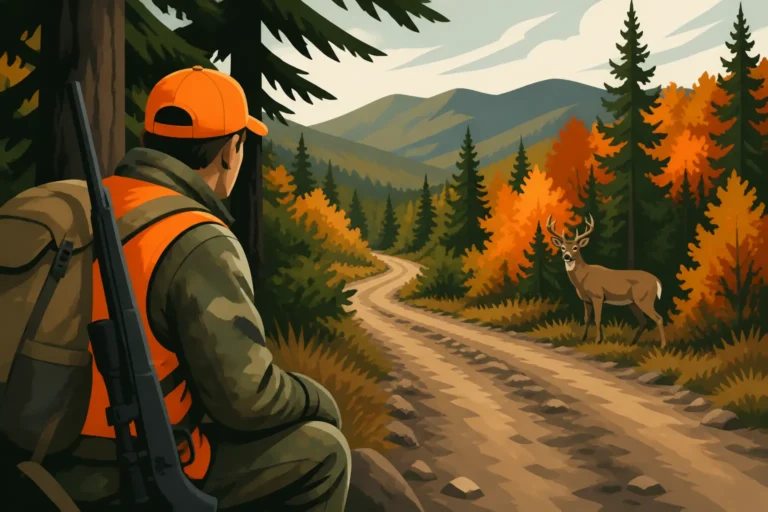
White-tailed deer in the high country are not your average backyard deer. They are tougher, leaner, and often more elusive, having adapted to survive colder temperatures, deeper snow, and a landscape with fewer abundant food sources than their lowland counterparts. They tend to be smaller-bodied due to the harsher environment, but they are incredibly cunning. In the high country, deer often use elevation to their advantage, bedding on benches just below ridge lines where they can watch their backtrail and smell anything coming from below. They'll frequent saddlebacks and natural funnels created by the terrain. Food sources shift seasonally; early fall might find them browsing on tender new growth in clear-cuts or acorns on sun-drenched southern slopes, while late season sees them concentrating in traditional deer yards or near persistent mast crops. White-Tailed Deer Across New Hampshire vary significantly, and the mountain deer are a breed apart. Learning to identify these patterns and preferred habitats is a long process, but it’s immensely rewarding.
Black Bears and Their High Country Foraging
While deer are the primary draw for many hunters in the White Mountains, black bears are certainly present and thrive in this environment. The dense timber and vast tracts of undeveloped land provide excellent habitat for bears, and the high country offers a wealth of natural food sources, particularly in late summer and fall. Bears are opportunistic foragers, and in the mountains, they'll be found feasting on berries, acorns, beechnuts, and grubs they dig from under rocks and logs. They use the terrain similarly to deer, often traveling along benches and old logging roads, and will gravitate towards areas with consistent food supplies. Locating a productive stand of beech trees on a mountain slope can be a goldmine for bear sign in the fall. While baiting is allowed in certain WMUs in New Hampshire, hunting them by spot-and-stalk or still-hunting through their natural feeding areas in the high country requires a different kind of patience and woodsmanship. Look for overturned rocks, scat, and claw marks on trees as evidence of their presence.
Small Game Opportunities in the High Country
Don't overlook the small game opportunities that the White Mountains offer, especially if you're looking to stretch your legs or add some variety to your hunt. Ruffed grouse thrive in the mix of mature timber and younger regeneration found on mountain slopes and along old logging roads. They'll often be found near water sources or in thicker cover. Snowshoe hares, too, are common in areas with dense softwood growth and thickets, particularly after a fresh snowfall reveals their tracks. Pursuing small game in the high country can be a fantastic way to sharpen your tracking and still-hunting skills, and it often provides a more active hunt than sitting patiently for deer. It's a great way to explore different sections of the mountain without the pressure of a big game tag. Keep an eye out for tell-tale signs like nibbled branches for hare or drumming logs for grouse while you're scouting for bigger game.
Navigating the Terrain: Maps, Access, and Wilderness Considerations
The White Mountain National Forest (WMNF) is a massive tract of public land, and navigating it effectively is paramount to both safety and success. You can't just wander in and hope for the best; a solid plan and reliable tools are your best friends.
Utilizing Topographic Maps and Digital Tools
Before you even step foot in the White Mountains, you need to understand the lay of the land, and that means diving deep into topographic maps. These maps show elevation changes, natural features like ravines and ridges, and water bodies, all of which are critical for planning your hunt and understanding game movement. Satellite imagery can further enhance this, helping you identify timber density, clear-cuts, and potential bedding areas. Digital mapping apps have revolutionized this for many hunters. Tools like onX Hunt and GoHunt provide invaluable layers that overlay property boundaries, topo lines, and aerial imagery directly onto your phone or GPS device. This allows you to pinpoint your exact location, track your movement, and mark points of interest in real-time, even without cell service if you download maps beforehand. Learning to use these tools effectively, marking potential stand locations, escape routes, and water sources, can save you hours of wasted effort and significantly increase your safety. Reading Aerial Photos for North Country Deer is a skill that translates perfectly to the high country. Always carry a physical map and compass as a backup, because technology can fail, especially in remote, cold, or wet conditions.
Public Access Points and Trail Systems
The White Mountain National Forest offers numerous public access points, ranging from well-maintained trailheads to more remote logging road entrances. Understanding these access points and the trail systems they lead to is vital. Many trails are primarily for hikers, and while they offer a path into the backcountry, they might not always be ideal for hunting. Often, the best hunting means leaving the established trails and pushing into areas that see less human pressure. Familiarize yourself with the various forest roads, many of which are gated or seasonal, as these can provide excellent starting points for deep pushes into hunting territory. Always check the U.S. Forest Service website for current road closures or trail conditions before you head out. Respecting trail etiquette is also important; while hikers and hunters share the woods, awareness and courtesy ensure a good experience for everyone. Finding spots away from heavy hiking traffic usually means more game and a more solitary experience.
Wilderness Area Restrictions and Considerations
Within the White Mountain National Forest, there are designated Wilderness Areas. These are special designations aimed at preserving wild character, and they come with specific restrictions that hunters must understand and adhere to. For example, motorized vehicles, bicycles, and even game carts are typically prohibited in Wilderness Areas. This means if you harvest an animal in such a zone, you'll be packing it out entirely on your back, which is a monumental undertaking for larger game. Additionally, permanent structures like treestands or ground blinds may be prohibited or have strict limits on how long they can remain in place. Hunting White Mountain's Backcountry Wilderness Areas requires careful review of the specific rules for that area. Always consult the Forest Service regulations for the specific Wilderness Area you plan to hunt to ensure you are compliant and avoid any potential fines or violations. Being aware of these rules isn't just about legality; it's about respecting the land and ensuring its wild character for future generations.
Essential Gear for White Mountain High Country Hunts
Hunting in the White Mountains demands a level of preparation and specialized gear that goes beyond what you might need for a typical lowland hunt. Your gear choices directly impact your comfort, safety, and ultimately, your success.
Layered Clothing for Dynamic Weather
Given the extreme and rapidly changing weather conditions, a robust layering system for your clothing is arguably the most critical component of your White Mountain kit. You'll need a moisture-wicking base layer to manage sweat, which can quickly lead to hypothermia in cold conditions. Over this, a warm mid-layer, such as fleece or synthetic insulation, provides core warmth. Your outer layer needs to be both windproof and waterproof, capable of shedding rain, sleet, or snow while protecting you from biting winds on exposed ridges. It should also be breathable enough to prevent overheating during strenuous climbs. Zippers and vents are your friends, allowing you to quickly adjust to temperature changes throughout the day. Remember, you'll be working hard climbing, then potentially sitting still for hours, only to resume strenuous activity again. The ability to add or shed layers quickly without making noise is essential. Always carry an extra warm, dry layer in your pack, even if the forecast looks good. Best Rain Gear for a Wet White Mountain Hunt is not just about staying dry; it's about staying alive.
Footwear and Traction for Steep Slopes
Your boots are your foundation in the White Mountains. You need sturdy, waterproof boots with excellent ankle support and aggressive tread for navigating steep, uneven, and often slippery terrain. Rocks, roots, mud, and slick leaves will be constant companions. Lightweight hiking boots might suffice for some, but many hunters prefer a stiffer, more robust hunting boot that can handle rocky scree and provide protection for your feet over long, demanding days. Consider a boot that is insulated appropriately for the season you're hunting, but remember that too much insulation can lead to sweaty feet during climbs, which can then get cold when you stop. Good quality socks, preferably wool or synthetic, that wick moisture and prevent blisters, are also non-negotiable. Breaking in your boots well before your hunt is absolutely critical; a blister in the backcountry can quickly turn a challenging hunt into a miserable, or even dangerous, ordeal. Boots for New Hampshire's Granite Terrain are an investment worth making.
Navigation and Emergency Equipment
Beyond your clothing and footwear, a selection of reliable navigation and emergency gear is paramount. As mentioned, a GPS device or mapping app like onX Hunt is invaluable, but always back it up with a physical map and compass, and know how to use them. A powerful headlamp with extra batteries is essential for pre-dawn hikes in and post-dusk hikes out, or in case of an unexpected overnight. A first-aid kit, robust enough for wilderness emergencies, should always be in your pack. Carry enough water or a reliable water filter, as dehydration can quickly set in with strenuous activity. A small fire-starting kit, signaling whistle, emergency shelter (like a space blanket or lightweight tarp), and some high-energy snacks complete your survival essentials. Don't forget a communication device like a satellite communicator or personal locator beacon (PLB), as cell service is often nonexistent in the high country. These devices can be literal lifesavers if you get into trouble.
Effective Hunting Strategies for Steep and Rugged Terrain
Hunting in the White Mountains requires adapting traditional hunting strategies to the unique demands of vertical terrain. What works in flat woods might not work here, and understanding the nuances of the mountains themselves can lead to success.
Still-Hunting and Glassing Tactics
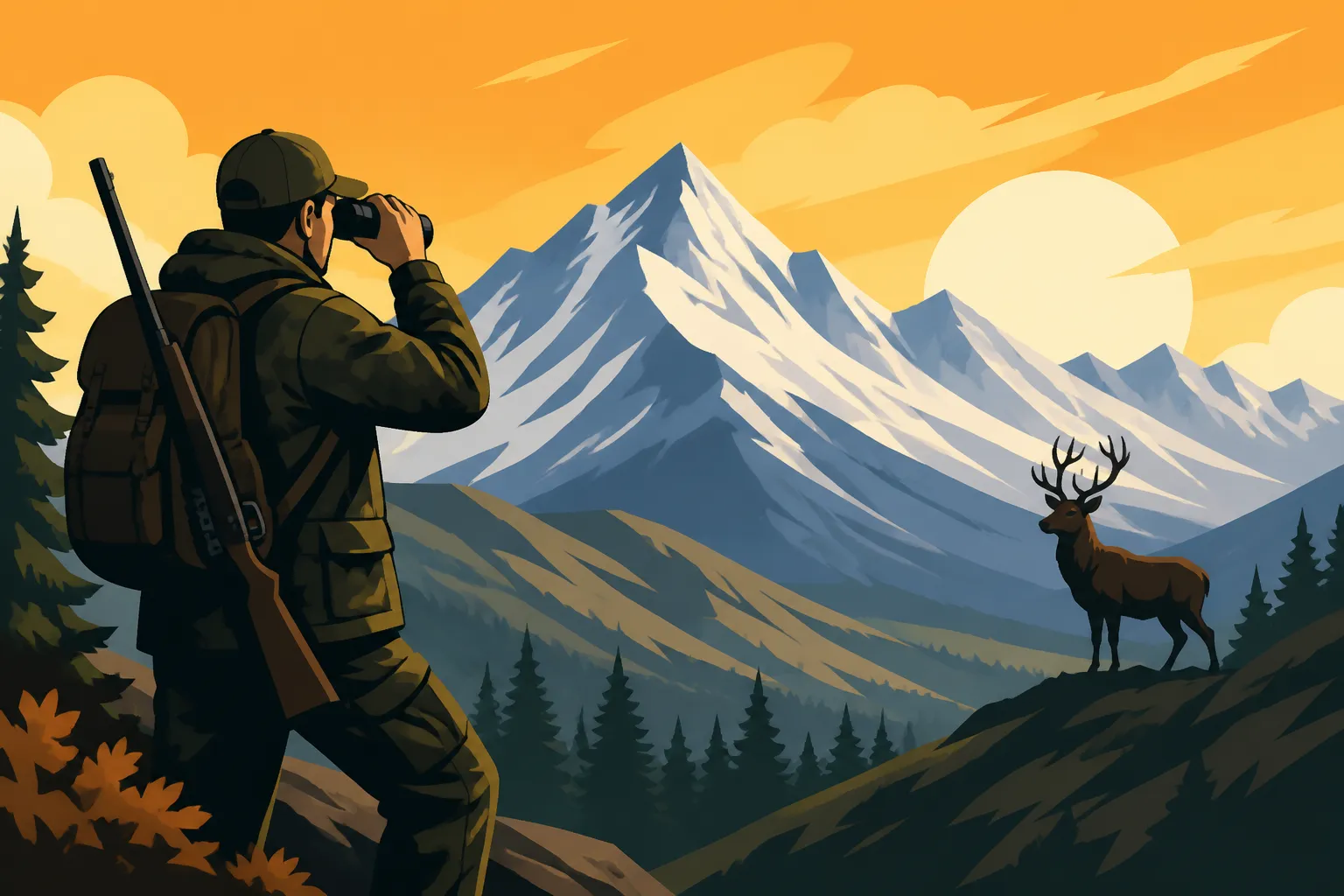
Still-hunting is perhaps the most effective method in the dense, broken terrain of the White Mountains. This involves moving slowly, taking a few steps, and then pausing for several minutes to observe, listen, and scan the surroundings before moving again. In steep terrain, this slow approach allows you to detect subtle movements or hear distant sounds that might be missed if you're rushing. Use your binoculars constantly, not just for distant overlooks, but for picking apart dense cover just yards away. Glassing from a high vantage point, especially at dawn and dusk, can be incredibly productive. Find a rocky outcrop or a high bench that offers a wide view of distant slopes, benches, or clear-cuts, and meticulously scan for deer moving to or from bedding and feeding areas. Patience is key; it might take many minutes to discern an ear twitch or a leg among the shadows. Still-Hunting White Mountain National Forest Timber demands a keen eye and even keener patience.
Understanding Wind and Thermals in Mountain Valleys
Wind and thermals are dictated by the landscape in the high country, and understanding their behavior is absolutely critical. In mountainous terrain, wind doesn't just blow in one direction; it swirls, it eddies, and it funnels through drainages and over ridges. Pay close attention to how the wind is behaving at different elevations and within different features. More importantly, understand thermals. As the sun rises and warms the slopes, air begins to move up the mountain (an updraft). In the evening, as the air cools, it begins to move down the mountain into the valleys (a downdraft). Deer are incredibly scent-conscious, and they will use these air currents to their advantage, often bedding in places where updrafts carry scent over them in the morning, or moving during downdrafts in the evening. Positioning yourself so your scent is carried away from where you expect game to be, especially during these thermal shifts, is non-negotiable. Wind and Thermals in Steep Granite Terrain are complex, but mastering them is a huge advantage.
Identifying Key Habitat and Funnel Points
Deer in the White Mountains are masters of using the terrain for cover, travel, and feeding. Your job is to learn to read the mountain like a map of deer activity. Look for natural funnels created by saddles between ridges, narrow draws, or benches that contour around steep slopes. These are often high-traffic areas. Identifying bedding areas, usually on south-facing slopes for warmth, or in dense thickets for cover, is key. Water sources, especially during dry spells, can also concentrate activity. Look for sign: tracks in soft earth, rubs on saplings, scrapes under low-hanging branches, and droppings. Clear-cuts, even if several years old, often provide good browse and dense cover, making their edges excellent places to focus your efforts. Don't be afraid to put on the miles and scout thoroughly, even during the off-season. The more you understand how deer utilize the mountain's features, the better your chances of intercepting them. Where New Hampshire Bucks Bed in Thick Cover becomes especially relevant in this rugged landscape.
Permits, Regulations, and Safety in the High Country
Before you even load your pack, you need to ensure you're squared away on all the legal requirements and have a solid plan for staying safe in a challenging environment. The White Mountains are beautiful, but they demand respect.
General New Hampshire Hunting License Requirements
First and foremost, you need to possess the appropriate New Hampshire hunting license for the species you intend to pursue. This typically includes a basic hunting license, and then specific permits or tags for deer, bear, or other game. Make sure you understand the season dates for your chosen game and the specific Wildlife Management Unit (WMU) you'll be hunting in, as these can vary. It’s also crucial to complete a Hunter Education course if you haven't already. Carrying proof of your license and permits is a legal requirement. You can find detailed information on costs and requirements through the New Hampshire Fish and Game Department's official channels. New Hampshire Hunting Licenses and What They Cost is a good starting point to ensure you have all the necessary paperwork before heading into the mountains. Ignorance of the law is never an excuse, especially when deep in the backcountry.
Specific Rules for National Forest Lands
Hunting within the White Mountain National Forest comes with its own set of rules and guidelines that complement state hunting regulations. While you are generally allowed to hunt in most areas of the WMNF, there are exceptions. Developed recreation sites, administrative areas, and specific posted closures are typically off-limits. As previously mentioned, Wilderness Areas have specific restrictions, such as prohibitions on motorized vehicles and sometimes on certain types of blinds or stands. It's also vital to be aware of any fire restrictions, especially during dry periods. Tree stands are generally allowed, but they must be removed after the season, and you cannot damage trees. Always check with the local Forest Service office or their website for any specific area closures, special permits, or updated regulations that might affect your hunt. Respecting these rules helps ensure continued public access for hunting. Hunting New Hampshire's White Mountain National Forest provides more specific details on what to expect.
Prioritizing Safety in Remote Mountain Environments
Safety in the high country cannot be overstated. The remoteness, rugged terrain, and unpredictable weather all contribute to a heightened risk profile. Always hunt with a buddy if possible, or at the very least, leave a detailed hunt plan with someone responsible, including your intended route, expected return time, and a description of your vehicle. Carry a fully charged cell phone, but don't rely on it for communication. A satellite communicator is a far more dependable way to signal for help. Practice proper firearm handling and always be aware of your backdrop, especially on steep slopes where a bullet could travel farther than anticipated. Dress appropriately to prevent hypothermia, carry sufficient water and food, and know basic first aid. Be aware of wildlife, not just game animals; bears, moose, and even porcupines can present hazards. If you find yourself lost, stay calm, consult your map and compass/GPS, and if necessary, stay put and signal for help. Your physical fitness is also a major safety factor; pushing yourself beyond your limits can lead to accidents.
Post-Harvest: Field Dressing and Packing Out in Difficult Conditions
Successfully harvesting an animal in the high country is only half the battle. The real work, and often the most challenging, begins after the shot. Getting that game out of a steep, remote location requires planning, muscle, and efficient processing.
Field Dressing a Deer in Steep Terrain
Field dressing a deer on a steep mountainside presents its own set of challenges. Gravity, which can be your enemy on the climb, can become a helper when cleaning a deer if you position the animal correctly. Try to orient the deer so that the head is uphill and the hindquarters are downhill. This allows blood and entrails to flow away from the carcass more easily, keeping the meat cleaner. Be mindful of your footing, as a steep, blood-slicked slope can be treacherous. Work quickly and efficiently to get the animal field dressed as soon as possible, especially if temperatures are mild, to begin the cooling process. Keep your knife sharp and your hands protected. Remember to collect all necessary biological samples as required by New Hampshire Fish and Game, such as a tooth for aging or a CWD sample, if applicable. Having a sturdy, sharp knife and a clean set of gloves makes the job much easier. Field Dressing a Deer in Cold Weather offers useful tips that can be adapted to steep terrain.
Quartering and Packing Out Over Long Distances
Dragging a whole deer down a steep, rocky mountain slope for miles is often not feasible, and certainly not advisable for your body. This is where the ability to quarter your animal becomes invaluable. Quartering involves breaking the deer down into manageable pieces – typically the four quarters, backstraps, tenderloins, and neck meat – at the kill site. This not only significantly reduces the weight of each individual piece but also makes it much easier to carry on a frame pack. You'll need game bags to keep the meat clean and protect it from flies and debris. Packing out will be physically grueling, requiring multiple trips or a single, heavy load. Plan your route carefully, looking for the path of least resistance, even if it adds a bit of distance. The quality of your pack, especially a sturdy frame pack, will make a huge difference here. Don't underestimate the time and effort required; it's a marathon, not a sprint. While moose are larger, the principles of Packing Out a New Hampshire Moose can certainly apply to quartering a deer in challenging conditions.
Protecting Your Harvest from Scavengers
Once your animal is field dressed or quartered, especially if you need to leave some meat to make multiple trips, protecting it from scavengers is a serious concern. Bears, coyotes, and even opportunistic birds like ravens can quickly descend on an unattended carcass. If you need to leave meat overnight, hang it securely from a tree, well off the ground and away from the trunk, using a bear bag system or a similar method. Cover it with game bags to deter flies and keep it clean. For shorter periods, covering the carcass with branches or a tarp might offer some concealment, but it's not foolproof. The best defense is to work as quickly as possible to get all the meat out. If you're quartering, removing the gut pile away from the main carcass can help draw scavengers elsewhere. Always check your game bags and the surrounding area thoroughly for any sign of animal interference before handling the meat again.
Disclaimer
This article is for general informational purposes only and does not constitute professional advice. Laws, prices and regulations vary by location and change over time. Consult a qualified professional for guidance on your specific situation.