Hunting the Split Inland Zone Waterfowl Season
New Hampshire Inland Zone split waterfowl season strategies help hunters target early resident ducks and later northern migrants.
Close the distance.
Archery, muzzleloader, and firearm techniques — calling, stand placement, still-hunting, spot-and-stalk, and the weapon rules that change at the state line.
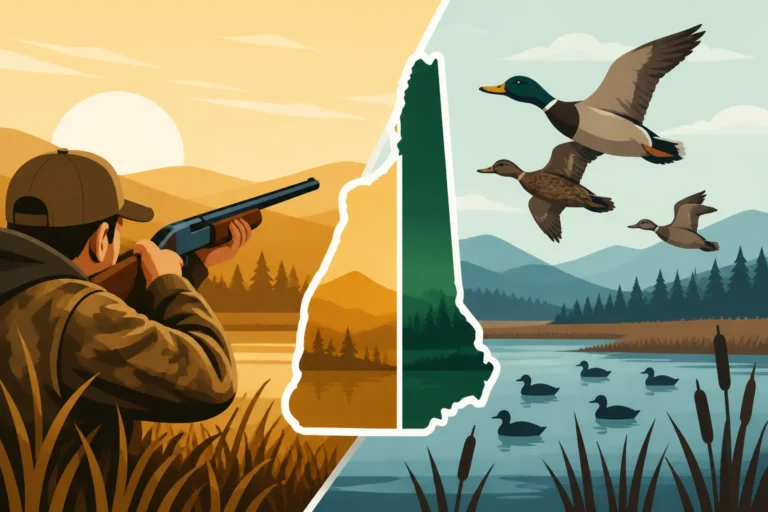
New Hampshire Inland Zone split waterfowl season strategies help hunters target early resident ducks and later northern migrants.
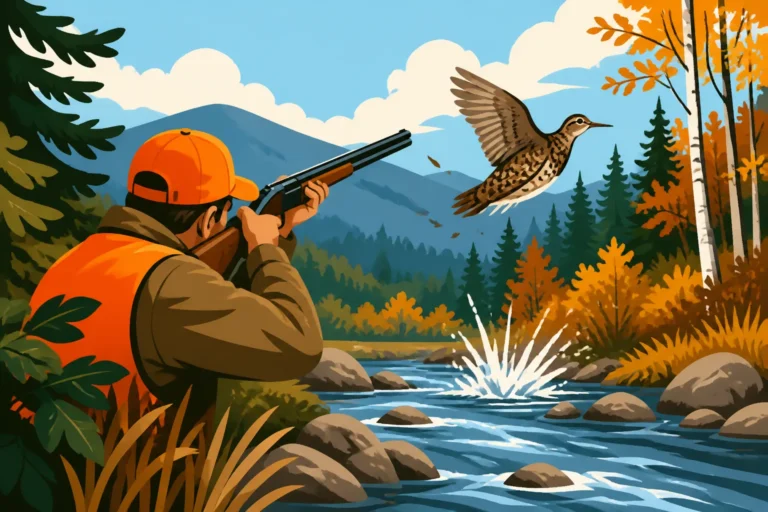
Jump-shooting New Hampshire creeks explains how to find productive waterways, identify prime holding areas, and hunt waterfowl successfully.
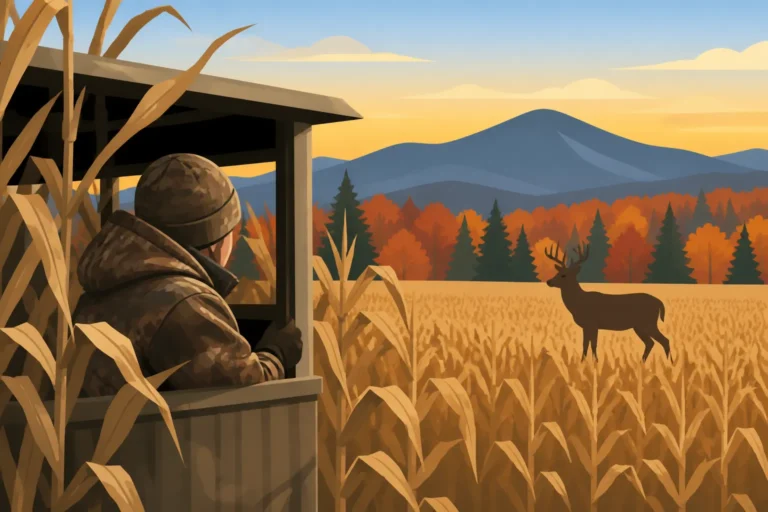
Layout blind hunting in New Hampshire Northern Zone cornfields helps waterfowl hunters conceal themselves to successfully harvest geese and ducks.
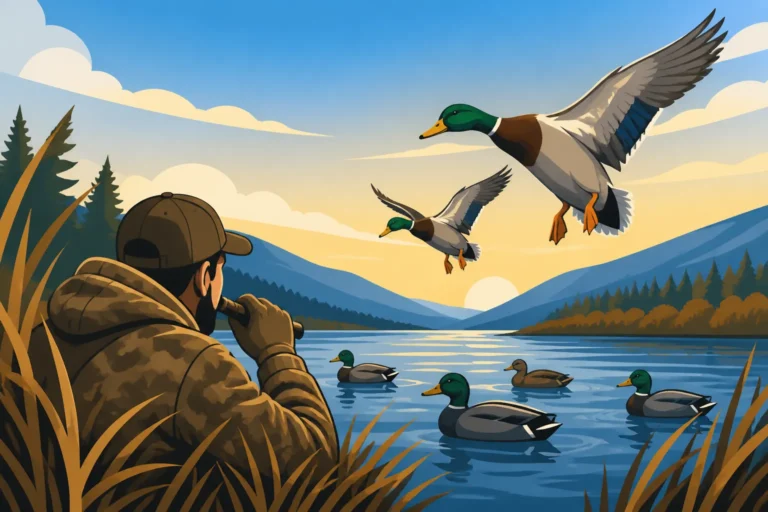
Connecticut River mallard hunting tactics, river habitats, migration patterns, and feeding habits help waterfowl hunters decoy wary birds successfully.
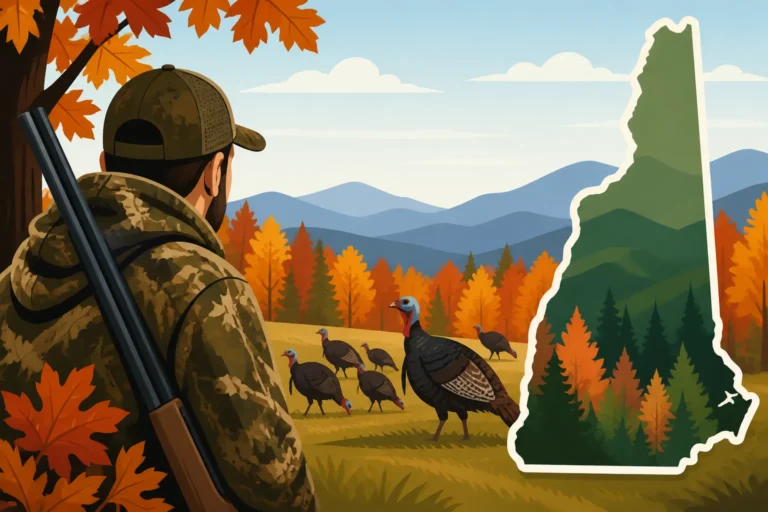
Fall turkey hunting tactics in New Hampshire explain how to scatter tight family flocks and call birds within shooting range.
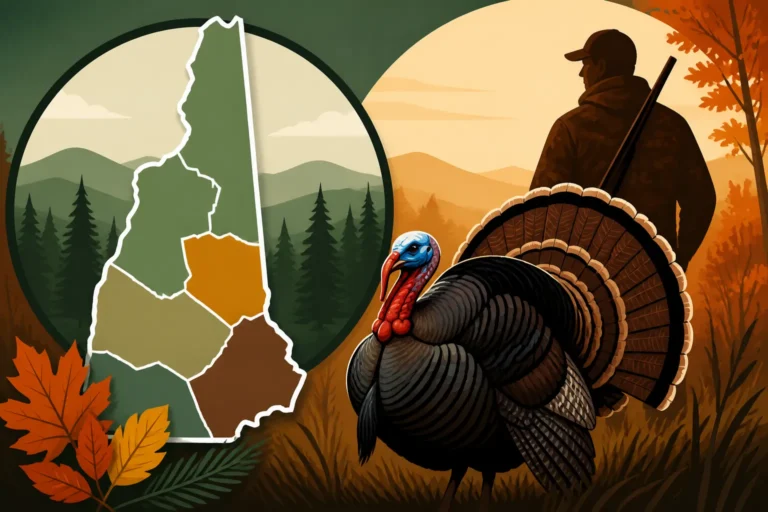
New Hampshire Wildlife Management Units regulate fall turkey hunting. Read the official digest to identify which units allow hunting.
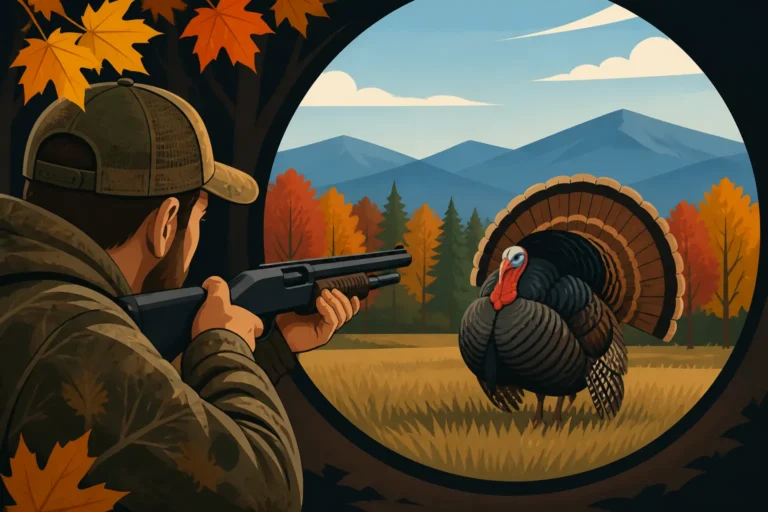
New Hampshire fall turkey hunting rules, shotgun-only season dates, legal gauges, and ammunition requirements for hunters.
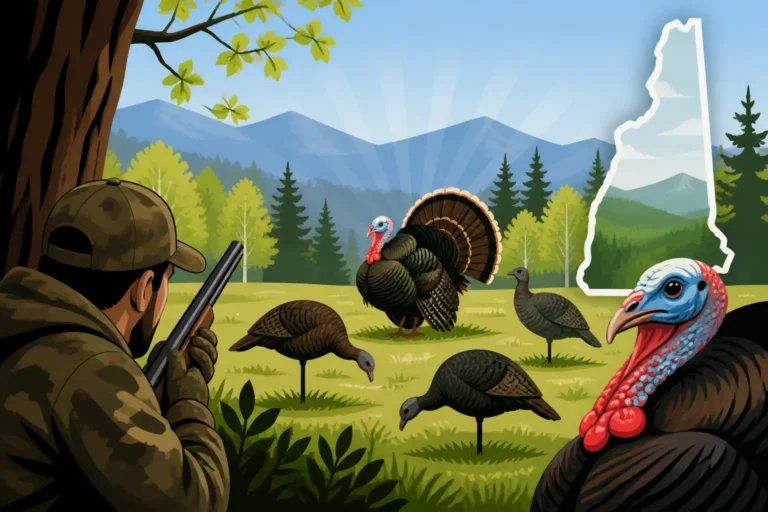
Strategic decoy placement helps New Hampshire hunters attract wary spring gobblers that avoid traditional setups and public land areas.
New Hampshire gobblers go quiet in late May due to post-breeding dynamics and hunting pressure, leading to call-shy birds.

New Hampshire spring turkey regulations, permit rules, and bag limits explain how hunters can harvest two bearded birds.