Which New Hampshire WMU Kills the Most Deer
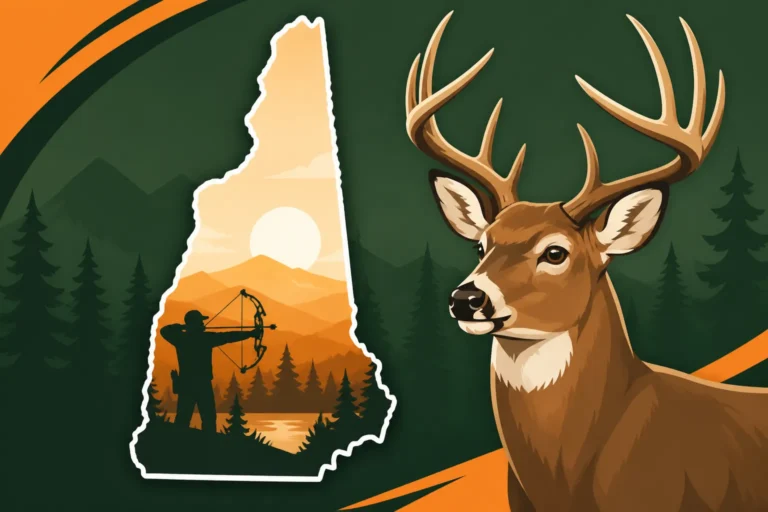
It’s a question that echoes through every New Hampshire hunting camp, every sporting goods store aisle, and every online forum when deer season planning rolls around: "Which New Hampshire WMU kills the most deer?" We all want to put ourselves in the best position for success, and understanding where deer are harvested most frequently seems like a direct path to filling a tag. But the reality is far more intricate than simply pointing to one specific region; it’s a dynamic interplay of deer density, habitat, hunter pressure, and even the varying regulations across the state. This guide will help you understand the factors behind the numbers and how to interpret harvest data to find your ideal New Hampshire deer hunting grounds.
Understanding New Hampshire's WMU System and Deer Management
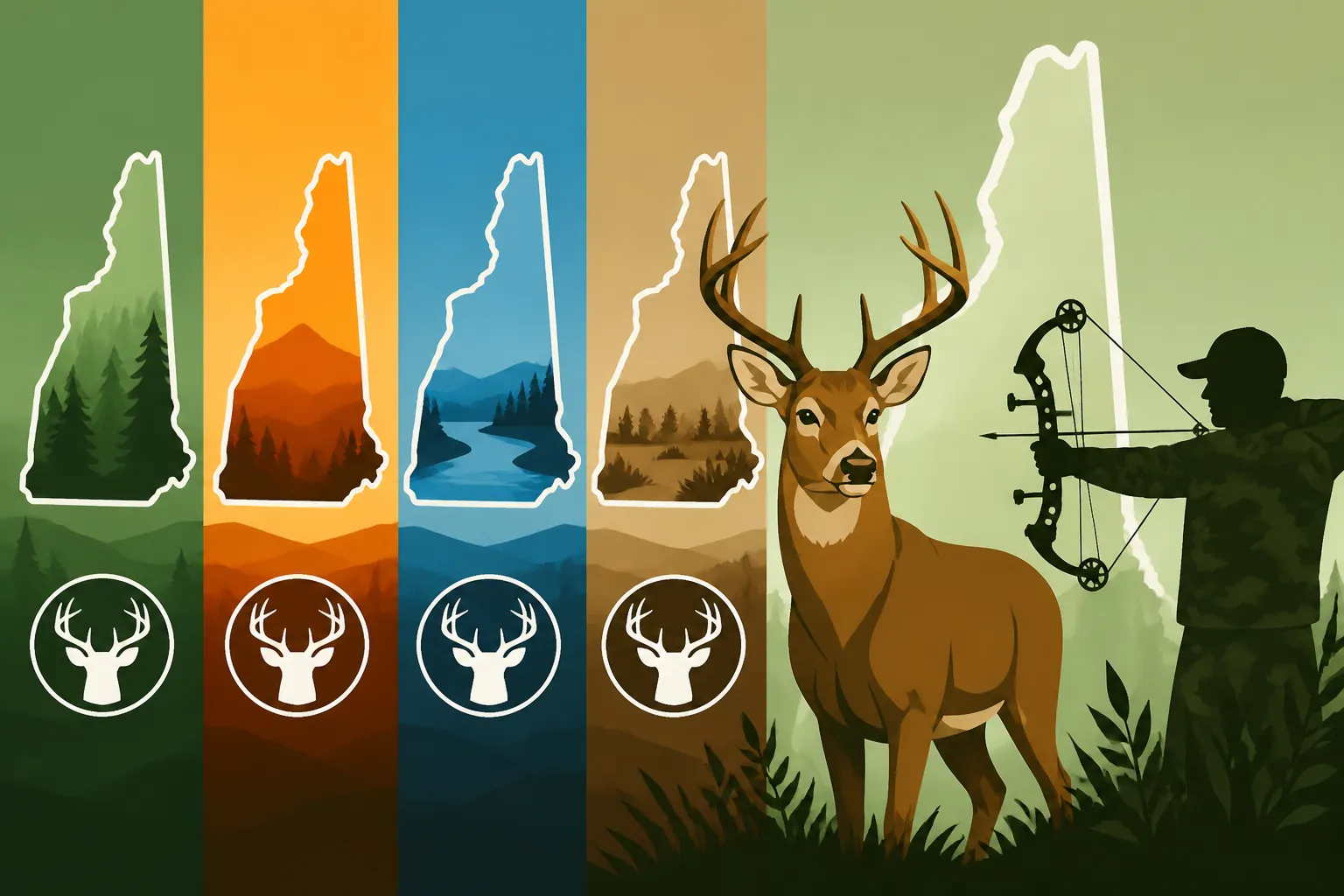
Before we dive into harvest statistics, it’s crucial to grasp how New Hampshire manages its deer herd, and the Wildlife Management Unit (WMU) system is at the heart of it all. The Granite State is broken down into a series of distinct WMUs, from the vast wilderness areas of the North Country to the more fragmented suburban fringe closer to the Massachusetts border. These units aren't just lines on a map; they are the foundation for tailoring deer management strategies to specific regional conditions.
Why WMUs Exist and Their Purpose
Each WMU is essentially its own unique ecosystem, with varying habitat types, human populations, and deer densities. Imagine comparing a remote, heavily forested section of Coos County with a patchwork of small woodlots and agricultural fields in Rockingham County. The deer populations behave differently, face different pressures, and require different management approaches. This is precisely why the WMU system was put in place – to allow the New Hampshire Fish and Game Department to apply specific regulations, set different antlerless permit allocations, and monitor populations on a localized level. For instance, some WMUs might have longer seasons or more opportunities for antlerless tags if the population is robust and needs to be managed more aggressively, while others might be more conservative. Understanding New Hampshire's WMU-Based Deer Season Structure is the first step in unlocking the state's hunting potential.
Think of it like this: a blanket regulation for the entire state wouldn't make sense. It would either over-harvest deer in some areas or allow populations to swell to unhealthy levels in others, leading to increased deer-vehicle collisions or habitat degradation. By segmenting the state into WMUs, biologists can gather specific data, such as New Hampshire Deer Population Estimate for each unit, and then make informed decisions that benefit both the deer herd and the hunters. This localized approach allows for a much more responsive and effective management program.
How Deer Harvest Data is Collected
The numbers we look at regarding deer harvests don’t just appear out of thin air. Every successful hunter in New Hampshire plays a vital role in data collection through the deer reporting process. Whether you’re registering your deer at a physical check station or utilizing the online system, that information – location of harvest (down to the WMU), date, sex, and sometimes age – is meticulously recorded. This data is then compiled by the New Hampshire Fish and Game Department and published in their annual deer harvest reports, which are goldmines of information for the observant hunter.
It's this collective effort of diligent reporting that allows us to understand the general trends and hot spots across the state. Without accurate reporting from hunters, the state wouldn't have the necessary information to make those critical management decisions or provide us with the insights needed to plan our hunts. So, remember, every deer registered contributes to the larger picture and helps paint a clearer map of where deer activity is highest. These reports, often found on the Fish and Game website, break down the harvests by WMU, town, and even weapon type, offering a fantastic resource for pre-season scouting and analysis.
The Data Speaks: Unpacking Deer Harvest Numbers by WMU
When you pore over the annual harvest reports, some trends become evident quite quickly. Certain WMUs consistently show higher total deer harvests year after year. These are often the units that boast a combination of factors favoring deer populations and hunter access.
General Trends and High-Performing WMUs
Generally speaking, the southern and central regions of New Hampshire, particularly those WMUs with a mix of agricultural land, fragmented forests, and suburban edges, often show the highest overall deer harvest numbers. Areas like WMU H2, I1, I2, J2, K, and M tend to be standouts. This isn't just because there are more deer; it's also often a reflection of higher hunter density, easier access to huntable land (both public and private), and habitat that provides excellent forage and cover. These WMUs benefit from milder winters, which generally contribute to higher deer survival rates, and a more diverse food base compared to the deep snows and coniferous forests of the North Country.
These higher harvest numbers in the southern tier don't necessarily mean "easier hunting." In fact, these areas can often present unique challenges, such as navigating smaller parcels of land, dealing with higher human populations, and securing private land permission. However, the sheer volume of deer in these zones often translates into more opportunities for hunters who put in the effort. The accessibility, combined with a healthy deer population, makes them perennial favorites for many hunters seeking to fill their freezer. For a deeper dive into population distribution, check out Deer Density by New Hampshire Region.
Factors Influencing Harvest Success
Several key factors consistently contribute to higher deer harvest numbers in certain WMUs:
- Habitat Quality and Diversity: Deer thrive where there's a reliable mix of food, water, and cover. WMUs with a mosaic of mature hardwoods, regenerating clear-cuts, agricultural fields, and wetlands often support higher deer densities. Areas rich in mast crops like acorns and beech nuts, or with consistent browse, are natural magnets for deer. This diverse habitat allows deer to meet all their needs within a relatively small area, making them more predictable for hunters.
- Hunter Pressure and Access: It's a simple equation: more hunters in a WMU, especially those with good access to deer habitat, will likely result in more deer harvested. WMUs with extensive public land access, like portions of the White Mountain National Forest or numerous Wildlife Management Areas (WMAs), will naturally draw more hunters. However, this also means deer in these areas can become more wary. Conversely, WMUs with a lot of private land but a high proportion of landowners who allow hunting can also have high harvest numbers. It's about finding that sweet spot where deer are plentiful and hunter competition isn't overwhelming.
- Population Density and Health: Ultimately, you can't harvest deer if they aren't there. WMUs with robust, healthy deer populations, often indicated by good fawn recruitment and balanced buck-to-doe ratios, will consistently produce higher harvests. This is where the efforts of New Hampshire Fish and Game come in, using harvest data to adjust antlerless permit numbers to keep populations in check with the carrying capacity of the land. A healthy herd is a productive herd, and that translates directly to more hunting opportunities. For an overview of our main quarry, read White-Tailed Deer Across New Hampshire.
- Terrain and Road Systems: WMUs with more navigable terrain and better road systems, allowing hunters to penetrate deeper into prime habitat without extreme physical exertion, can also influence harvest numbers. This isn't to say that remote, rugged terrain doesn't hold deer; often, it holds some of the biggest bucks that avoid human contact. But for overall harvest numbers, areas that are easier for the average hunter to access often see more tags filled.
Annual Fluctuations and Long-Term Trends
While some WMUs generally lead in deer harvest, it’s important to remember that these numbers aren’t static. Annual harvest totals can fluctuate based on a variety of factors, including weather conditions during the hunting season (e.g., heavy snow early on can push deer to food sources, or mild weather can keep them spread out), acorn crop failures, or even significant changes in land use like large timber harvests.
Long-term trends are also worth noting. A WMU that was once a top producer might see a slight dip over several years due to habitat changes or increased pressure, while another might show gradual growth. This is why reviewing several years of New Hampshire Deer Harvest Records is more insightful than just looking at the most recent year. The GoHunt platform can be particularly useful here, as it often provides historical data and mapping tools that can highlight these long-term patterns and help you identify where consistent success occurs. It’s all about putting in the homework to stay ahead of the curve.
More Than Just Numbers: Quality vs. Quantity
While raw harvest numbers give us a snapshot of activity, they don't tell the whole story. Many hunters pursue different definitions of success, and a WMU with fewer total deer harvested might actually offer a more desirable hunting experience for some.
Beyond Raw Kill Numbers
For some, the goal is simply to put venison in the freezer, and any legal deer is a trophy. For these hunters, focusing on high-harvest WMUs makes perfect sense. However, for others, the quality of the experience or the pursuit of a mature, larger-antlered buck is the primary driver. These two goals don't always align with the highest harvest numbers. A WMU with intense hunter pressure, even if it has a high deer population, might mean a lot of competition for animals that are constantly on edge.
Consider the distinction: a WMU near a densely populated area might have many small private parcels that are hunted hard. You might see a high kill number, but perhaps it’s mostly yearling bucks and does. On the other hand, a more remote WMU with less hunter density might yield fewer total deer, but the deer that are harvested could be older, larger-bodied, and carry more impressive antlers simply because they've had more time to grow. It truly depends on what you define as a successful hunt.
Age Structure and Antler Size
When we talk about "quality," we're often referring to the age structure of the buck herd and the potential for larger antlers. WMUs that consistently produce fewer but larger-racked bucks might not top the "total harvest" charts, but they are often highly prized by hunters seeking that particular challenge. These are often areas with:
- Lower Hunter Density: Less pressure means bucks can follow more natural patterns and are less likely to be harvested as yearlings.
- Older Forests and Diverse Habitat: Mature bucks need security cover and quality forage to reach their potential. Remote areas, or those with large tracts of private land where management is focused on older age classes, can offer this.
- Fewer Antlerless Permits: In some WMUs, a more conservative approach to antlerless harvests helps balance the herd, ensuring resources for bucks to grow.
A WMU that consistently produces impressive buck age structures might not have the highest overall harvest, but it could certainly offer the best chance at a true trophy, if that's what you're after. This often means more extensive scouting and a willingness to hunt harder and perhaps see fewer deer overall. You might want to consider Where New Hampshire Bucks Bed in Thick Cover in these areas.
The Role of Public Land and Hunter Access
Public lands like the White Mountain National Forest or large state WMAs often appear in harvest reports. While they provide invaluable access for all hunters, they also tend to experience higher hunter pressure, especially on easily accessible edges. This can make the deer in these areas more nocturnal or push them into thicker, harder-to-reach pockets. A WMU with a significant percentage of public land might contribute a high number to the total harvest, but individual hunter success might be lower due to the competition.
Conversely, a WMU with less public land might show lower total harvest numbers if private land access is difficult to secure. However, for those who successfully gain permission on private parcels, these areas can be incredibly productive, often holding deer that see less pressure. Understanding the balance between public access and private land opportunities within a WMU is crucial. Using tools like GoHunt can help you visualize land ownership and identify potential access points, whether public or private. It's all part of the homework we do as responsible and dedicated hunters.
Making Your WMU Choice: How to Use This Information
So, how do you take all this data and translate it into a successful hunting season? It starts with self-reflection and then applying smart scouting strategies.
Matching WMU Characteristics to Your Hunting Style
The "best" WMU isn't just about harvest numbers; it's about finding the WMU that best suits your hunting style, physical capabilities, and personal definition of success.
- For the "Meat Hunter": If your primary goal is to fill the freezer, focus on WMUs in the southern and central parts of the state that consistently show high overall deer harvests. These areas often have robust populations and more liberal antlerless opportunities. You might be still-hunting smaller woodlots or sitting on field edges. Consider WMUs like H2, I1, J2, K, or M, but be prepared for potentially higher hunter density and smaller average deer size. You'll want to focus on Hunting a Funnel Between Two Woodlots.
- For the "Trophy Hunter": If you're after a mature buck and are willing to put in more effort for potentially fewer encounters, look at WMUs that, while perhaps not topping the total harvest charts, show a good percentage of older-aged bucks in their harvest data. These might be more remote regions with challenging terrain or areas where private landowners practice quality deer management. WMUs in the North Country or more rugged parts of the White Mountains might be your calling, where success means covering a lot of ground and accepting that you might only get one opportunity.
- For the "Public Land Hunter": If you rely solely on public land, then identify WMUs with large tracts of state or federal land, such as portions of the White Mountain National Forest. Understand that these areas often have higher pressure, so you'll need to be willing to hike further, hunt smarter, and adapt your tactics. Using a Ground Blind on Public Land can be a great option here. Always check the specific regulations for those public parcels, as they can sometimes differ from general WMU rules.
Consider the table below for a generalized comparison:
| WMU Characteristic | Potential Harvest Trend | Pros for Hunters | Cons for Hunters | Ideal Hunter Type |
|---|---|---|---|---|
| Southern/Central (e.g., H2, I1, J2, K) | Generally High Total Harvest | Higher deer density, more liberal antlerless tags, easier access | Higher hunter pressure, smaller average deer size, more private land challenges | Meat hunters, those seeking consistent opportunities |
| Northern (e.g., A, B, C, E) | Lower Total Harvest | Lower hunter density, potential for larger bucks, vast public land | Lower deer density, rugged terrain, harsh winters, fewer antlerless tags | Trophy hunters, wilderness seekers, physically capable hunters |
| Mixed Ag/Woodlot (e.g., D2, F, G) | Moderate to High Harvest | Good food sources, varied habitat, often good mix of deer | Can be a mix of high and low pressure, private land permission needed | Versatile hunters, those willing to scout and gain permission |
The Power of Scouting and Research
Regardless of which WMU you target, pre-season scouting is non-negotiable. The harvest data gives you a macro view, but local knowledge gives you the micro advantage.
- Online Resources: Start by looking at detailed maps. Tools like GoHunt or the New Hampshire Fish and Game app are invaluable. They allow you to overlay property lines, topo maps, aerial imagery, and even historical satellite data. You can identify potential food sources, bedding areas, travel corridors, and bottlenecks. Scouting With the New Hampshire Fish and Game App is a game-changer.
- Boots on the Ground: Nothing beats walking the woods. Even if you're looking at a WMU that leads in harvest, you need to find your spot within that WMU. Look for fresh sign: rubs, scrapes, tracks, and droppings. Identify natural funnels, pinch points, and cover that deer will use, especially during hunting season. This kind of detailed scouting helps you understand how deer are using the specific landscape you plan to hunt. For mountainous regions, learning to decipher Reading Aerial Photos for North Country Deer can save you a lot of walking.
- Understanding Specific Regulations: Always double-check the hunting digest for any WMU-specific regulations or season dates. What might be legal in one WMU might be restricted in another, especially concerning antlerless tags or specific weapon types. This is fundamental to responsible hunting and ties directly into your New Hampshire Hunter Education Requirements.
Ultimately, there’s no single "best" WMU for every hunter in New Hampshire. The WMU that kills the most deer might be the easiest to access or have the densest population, but it might not offer the specific kind of hunting experience you’re seeking. By understanding the data, knowing your preferences, and putting in the work, you can confidently choose the WMU that maximizes your personal hunting success in the beautiful Granite State. Good luck out there!
Disclaimer
This article is for general informational purposes only and does not constitute professional advice. Laws, prices and regulations vary by location and change over time. Consult a qualified professional for guidance on your specific situation.