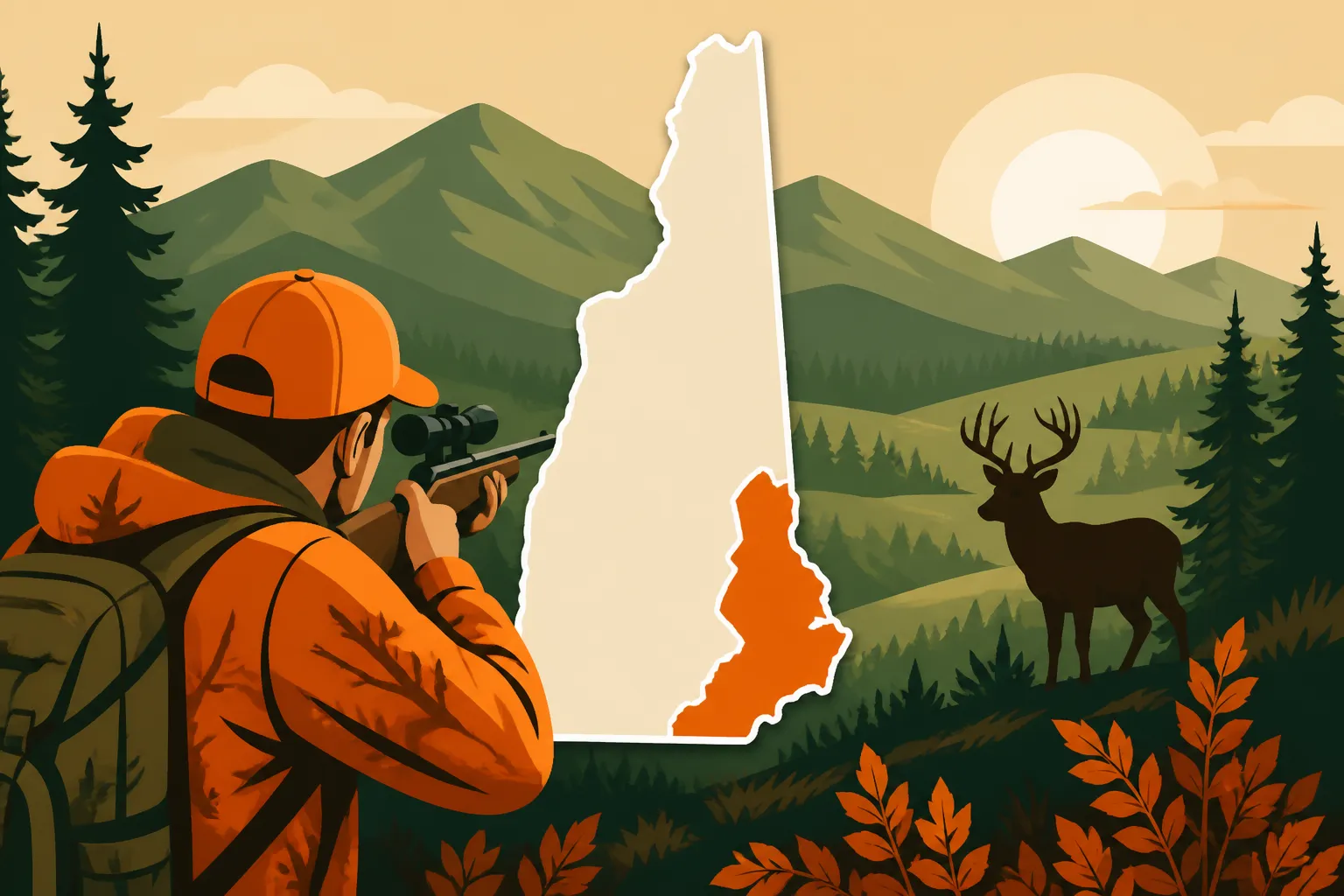
Hunting the WMU M Far Southeast
Hunting the WMU M in New Hampshire’s far southeast can feel like a completely different world compared to the vast wilderness of the North Country. Many hunters express frustration when trying to find productive ground amidst more developed areas and smaller, fragmented woodlots. This guide is designed to help you understand the unique characteristics of WMU M, navigate its public and private land challenges, and tailor your hunting strategies for success in this often-overlooked region.
Understanding the Unique Challenges and Opportunities of WMU M
Let's face it, when most folks picture New Hampshire hunting, they're often dreaming of sprawling northern forests, not the more residential and agricultural mosaic of the far southeast. WMU M, which encompasses areas like Rochester, Dover, and the surrounding towns, presents a distinct set of challenges and, surprisingly, some fantastic opportunities for the persistent hunter. The key is understanding what makes this region tick and adjusting your mindset and methods accordingly.
The Landscape of WMU M
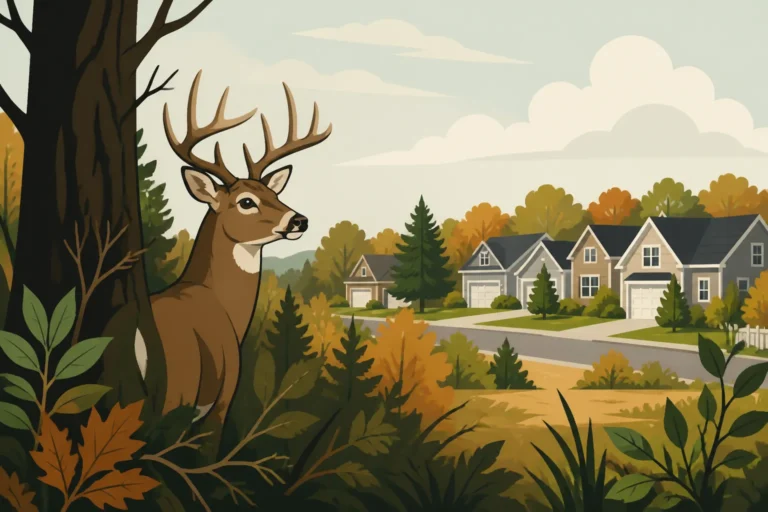
The geography of WMU M is a blend of suburban sprawl, smaller agricultural fields, and fragmented woodlands. You'll find pockets of dense hardwoods interspersed with softwoods, often bordered by residential areas, roads, and commercial developments. This isn't continuous timberland where you can walk for miles without seeing a property line. Instead, it's a patchwork. This fragmentation means deer and other game often have limited, but predictable, travel corridors.
It can be incredibly frustrating to drive past endless "No Trespassing" signs or see prime-looking cover that abuts someone's backyard. The sheer amount of human activity means deer are often more nocturnal and acutely sensitive to pressure. However, this also means they become masters of using whatever cover is available, often right under our noses. While the hunting pressure can be intense in certain, easily accessible spots, other, less obvious parcels might be overlooked simply because they're small or require a bit more legwork to gain access. Understanding this mosaic is the first step to successful hunting here.
Key Game Species and Expectations
While WMU M might not be known for its trophy moose, it certainly holds its own for white-tailed deer, and the wild turkey population is thriving. Small game like squirrel and rabbit are also present, often overlooked by those focused solely on deer.
For white-tailed deer, you’ll generally find good numbers, but they are often highly pressured and more cautious than their northern cousins. Don't expect to see massive bucks walking around in broad daylight every day of the season. Deer here are masters of concealment, often bedding down in surprisingly small thickets close to human activity. The deer in WMU M tend to be smaller-bodied than those in more agricultural areas of the state, but they can still grow impressive racks if given the chance. Expect to put in your time scouting and adapting to their elusive nature. The focus here often shifts from sheer size to the satisfaction of outsmarting an animal in a high-pressure environment.
Wild turkeys have made a phenomenal comeback across New Hampshire, and WMU M is no exception. You’ll often find them feeding in agricultural fields or open woodlands, particularly in the spring. Fall turkey hunting can also be productive, though it often requires different tactics. These birds can be incredibly vocal, but also very wary, making for an exciting challenge. Make sure you check New Hampshire Turkey Season Rules before heading out.
When it comes to small game, the fragmented cover provides excellent habitat for species like cottontail rabbits and gray squirrels. These are often forgotten by deer hunters, but they can offer fantastic opportunities for a fun and delicious hunt, especially on days when deer activity is slow. The presence of small, brushy areas and mature mast-producing trees ensures a steady food supply for these animals.
Navigating Public and Private Land Access in WMU M
The biggest hurdle for many hunters in WMU M is simply finding a place to hunt. Public land is scarcer and often smaller than in other parts of the state, making private land access paramount. This region demands a proactive approach to scouting and relationship-building.
Finding Public Hunting Ground
While not as abundant as in the White Mountains, WMU M does have public land, though it often comes in smaller parcels or scattered state-owned properties. These might include town forests, state forests, or specific wildlife management areas (WMAs). The challenge isn't just finding them, but understanding their specific rules and identifying huntable sections.
A powerful tool like onX Hunt or GoHunt can be invaluable here. These apps allow you to overlay public and private land boundaries directly onto detailed satellite maps. You can quickly identify state land, conservation lands, or town properties that might allow hunting. Be aware that just because it's public doesn't always mean it's open to hunting; always double-check with the local municipality or the New Hampshire Fish and Game Department's website for specific regulations on particular parcels.
Public land in WMU M can also be subject to higher hunting pressure, especially on opening day of firearms season or during prime archery windows. Look for areas that require a bit of a walk, or those that have slightly tougher terrain. Most hunters stick to easy access points, so venturing a little further off the beaten path can often yield better results. Consider Scouting New Hampshire Public Land Before Season to learn the lay of the land before you commit to a hunt. You might find a forgotten corner or a dense thicket that others simply bypass.
Securing Private Land Permission
In WMU M, private land is often where the most consistent success lies. But gaining permission isn't always easy. People are naturally more protective of their property in more populated areas, and many landowners have had negative experiences with disrespectful hunters in the past. This is where patience, politeness, and persistence become your most important tools.
Start by identifying potential properties. Again, mapping tools like onX Hunt are a game-changer for this. You can see property lines and even landowner names in many cases, making it easier to research and approach the correct person. Look for larger tracts of undeveloped land, or areas adjacent to existing public parcels where deer might travel. Farmers, timberland owners, or even homeowners with larger woodlots are potential contacts.
When you approach a landowner, dress respectfully, be polite, and have a clear, concise request. Explain why you're interested in hunting their land (e.g., you've seen deer sign, you're looking for a safe place to hunt, you're a responsible hunter). Offer to help them out with small tasks around their property in exchange for access. Provide references if you have them. Reiterate your commitment to safety, respecting their property, and removing all your trash. Many landowners are simply looking for a responsible individual they can trust. Sometimes, starting with permission for small game or just scouting can open the door to deer hunting later. This relationship-building process is crucial in Getting Private Land Permission in New Hampshire. It takes time, but the payoff can be incredibly rewarding.
Tailoring Your Strategy for WMU M Whitetails
Hunting in WMU M requires a refined strategy that acknowledges the unique characteristics of its fragmented habitats and pressured deer. You can't just drop into a random woodlot and expect to find deer behaving like they would in the deep woods of Pittsburg.
Scouting in Fragmented Habitats
Effective scouting is paramount in WMU M. Deer here are masters of using small pockets of cover and subtle travel corridors. You need to become a detective. Look for pinch points – narrow strips of cover that funnel deer movement between two larger obstacles, like a field and a housing development, or two separate woodlots. Fence lines, creek bottoms, and hedgerows can act as natural funnels.
Focus on transition areas where different habitat types meet – where a thick pine stand meets an oak flat, or where a clear-cut abuts mature timber. These edges are natural deer highways. Pay close attention to subtle signs: rubs, scrapes, and fresh tracks, especially near these transition zones. Aerial imagery (which you can review on a platform like GoHunt for detailed planning) is incredibly useful for identifying these features from above before you even step foot on the property. Look for irregular shapes in cover, small draws, or fingers of woods that extend into fields. These are often overlooked travel routes. The more you understand the lay of the land, the more precisely you can predict deer movement, even on small parcels.
Hunting Tactics for Smaller Parcels
Once you've identified promising areas, your hunting tactics need to be precise and low-impact. This isn't the place for long, noisy drives, especially on smaller private tracts.
- Still-Hunting: This classic method is incredibly effective in WMU M. Move slowly, deliberately, taking only a few steps before pausing to scan and listen. Focus on areas of dense cover where deer might be bedding. The fragmented nature means you don't need to cover vast distances; rather, you need to thoroughly pick apart a small area. Wind and thermals are critical here; always try to hunt with the wind in your favor, especially when moving through cover.
- Stand Placement: If you're using a treestand or ground blind, placement is everything. Don't set up directly on a trail, but rather slightly off to the side, where you can intercept deer moving through. Focus on the edges of thick cover, overlooking funnels, or along scrape lines. Consider using a ground blind if cover is sparse, as it provides excellent concealment and a contained shooting lane. Using a Ground Blind on Public Land offers some great tips that are applicable here. Given the potential for human activity, a compact, quick-to-set-up stand or blind is often ideal.
- Entry and Exit Routes: This is often overlooked but is crucial in areas with pressured deer. Plan your approach and departure so you don't spook deer entering or leaving your hunting spot. Use terrain features, ditches, or existing trails that minimize your silhouette and scent dispersion. The deer are already wary; don't give them extra reasons to avoid your spot. Hunting a Funnel Between Two Woodlots is particularly relevant for these smaller, more specific travel routes.
Essential Gear and Considerations for the Southeast
Just like the terrain and tactics differ in WMU M, so too should some of your gear considerations. Functionality, discretion, and safety are key.
Optics and Mapping
You might not be glassing vast clear-cuts like in the northern logging country, but quality optics are still indispensable in WMU M.
- Binoculars: Even in dense cover, good binoculars allow you to pick apart shadows, identify game at a distance, and confirm shooting lanes without excessive movement. A pair of 8x or 10x binoculars will serve you well, helping you spot the flick of a deer's ear or the outline of a turkey in thicker undergrowth. Optics for New Hampshire's Timber Country discusses this in detail, and the principles apply directly to the fragmented forests of the southeast.
- Mapping Apps: I can't stress this enough: onX Hunt or similar mapping apps are not optional in WMU M; they are essential. They allow you to:
- Precisely locate property lines, preventing accidental trespass.
- Identify small public parcels that might otherwise be missed.
- Mark access points, bedding areas, food sources, and rub lines.
- Plan your low-impact entry and exit routes.
- Determine distances and angles for stand placement.
Having these digital maps loaded on your phone, with offline capabilities, ensures you always know exactly where you are and whose land you're on, which is especially critical in areas where parcels can be small and boundaries complex.
Weapon Choices and Safety
Given the proximity to residential areas and often smaller shot opportunities, your choice of weapon and your commitment to safety are paramount.
- Archery: Many parts of WMU M, especially those closer to suburban areas, are ideal for archery hunting. Bowhunting offers a quieter, more personal challenge, and with shorter ranges, it can be a safer option when houses are nearby. New Hampshire has specific New Hampshire Archery-Only Suburban Zones, and while WMU M itself might not be entirely an archery-only zone, it's often the most practical and neighbor-friendly choice for deer in many locales. The archery season is also generally longer, offering more opportunities.
- Firearms: If you're using a firearm, precision and situational awareness are critical. Shotguns with slugs or muzzleloaders are popular choices, offering good knockdown power at the shorter ranges you’ll likely encounter. Always be absolutely certain of your target and what lies beyond it. The risk of a stray bullet is far too high in populated areas.
- Blaze Orange: New Hampshire law requires hunters to wear specific amounts of blaze orange during certain seasons, especially firearms season. Always consult the current hunting digest for exact requirements. Even if not legally mandated for your specific season (like during archery-only periods), consider wearing some blaze orange or pink when walking in and out of your stand, especially if other hunters are likely to be in the area. New Hampshire Blaze Orange Requirements outlines these rules, and adhering to them is non-negotiable for safety.
- CWD Prevention: While New Hampshire remains CWD-free, the disease is present in nearby states. It is critical to understand and follow New Hampshire's CWD Prevention Rules regarding carcass import restrictions and voluntary testing, especially when hunting deer in any region of the state. These rules help protect our deer herd and future hunting opportunities.
Hunting in WMU M demands adaptability, respect for landowners, and a keen eye for subtle details. It might not be the sprawling wilderness many associate with New Hampshire hunting, but with the right approach, it offers incredibly rewarding and challenging experiences close to home.
Disclaimer
This article is for general informational purposes only and does not constitute professional advice. Laws, prices and regulations vary by location and change over time. Consult a qualified professional for guidance on your specific situation.