Hunting the Contoocook River Valley
Finding good hunting ground can feel like a never-ending puzzle, especially when you're trying to unlock the potential of a specific geographic feature like a river valley. The Contoocook River Valley, winding through south-central New Hampshire, offers a unique blend of habitat and opportunity that many hunters either overlook or struggle to understand. This guide will walk you through the nuances of hunting this often-challenging, yet rewarding, landscape, helping you pinpoint promising areas and refine your tactics.
Understanding the Contoocook River Valley's Unique Habitat
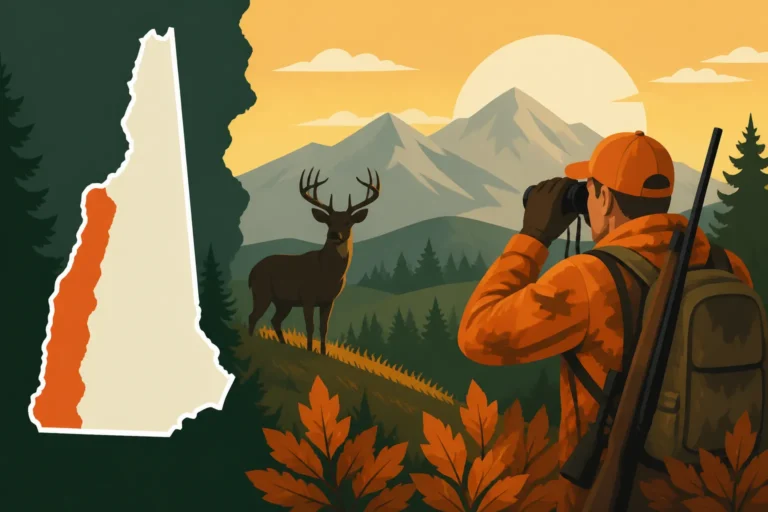
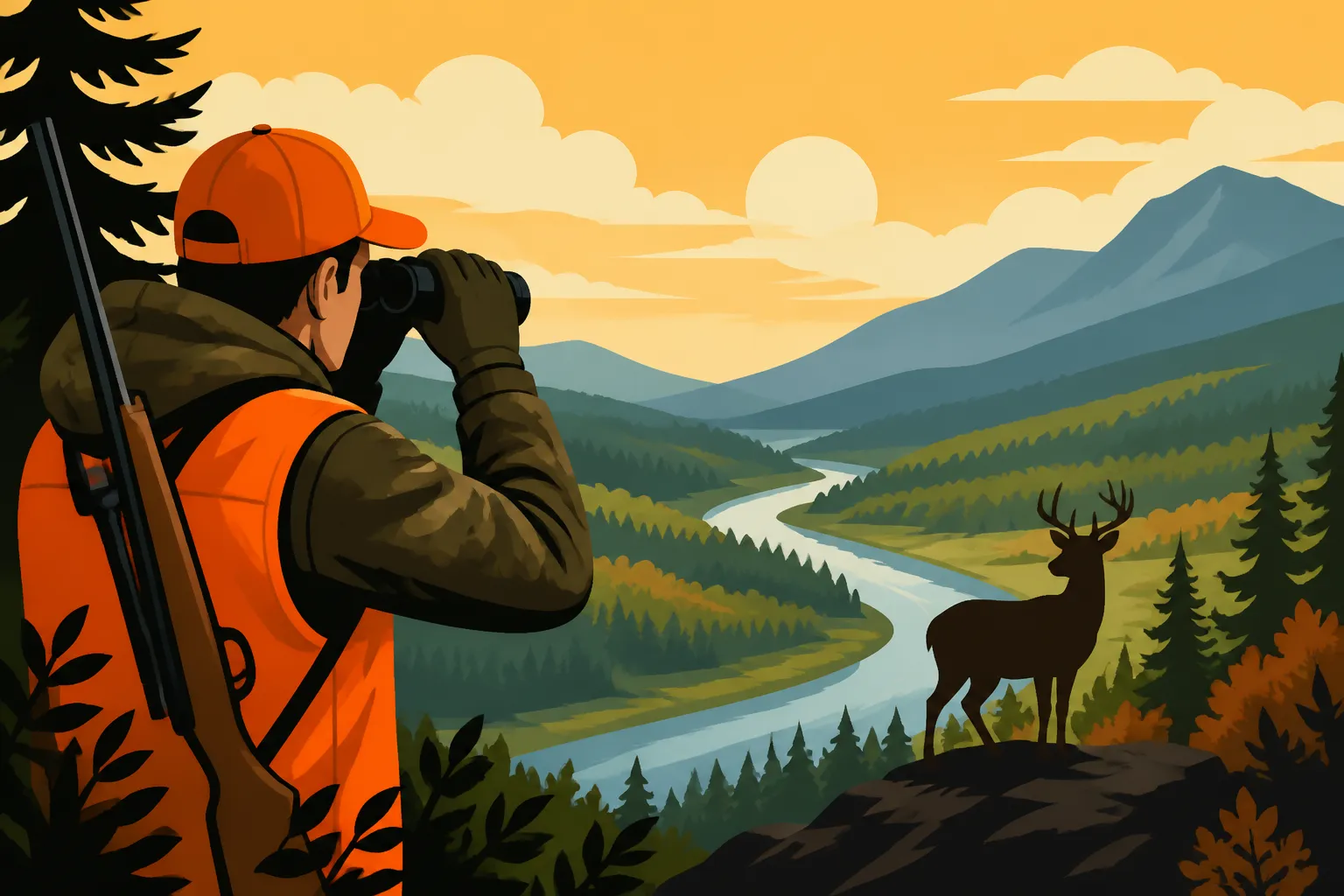
The Contoocook River Valley isn't your typical vast wilderness. Instead, it’s a mosaic of wetland, bottomland hardwood, agricultural fields, and suburban fringes that stretch from its headwaters near Rindge, through towns like Peterborough, Henniker, and Contoocook, before emptying into the Merrimack River near Concord. This varied landscape presents both challenges and incredible opportunities for hunters who know how to read it. The river itself acts as a natural corridor and a significant water source, influencing everything from vegetation growth to animal movement.
Riparian Zones and Wetlands
Along the immediate banks of the Contoocook River and its numerous tributaries, you'll find what are known as riparian zones. These areas are characterized by a dense growth of moisture-loving trees and shrubs, often including silver maples, alders, willows, and dogwood. This thick, almost impenetrable cover, combined with frequently saturated ground and oxbow sloughs, creates fantastic bedding and escape cover for deer, turkeys, and even some small game. While these areas can be incredibly difficult to navigate and hunt, they are vital travel corridors and safe havens for game. Don't underestimate the power of these thickets, especially during periods of high pressure. They might not look inviting, but they are often holding game.
Adjacent to these riparian zones, you’ll encounter various types of wetlands, from beaver flowages to shallow marshes. These areas are crucial for waterfowl, of course, but also for deer, particularly in the late season when other water sources might freeze or dry up. The edges of these wetlands, where higher ground meets the marsh, often create natural funnels and pinch points that deer will use to travel. Identifying these transition zones is key to intercepting animals moving between bedding areas in the thick cover and feeding areas in nearby fields. Consider looking at these areas on a mapping app like onX Hunt, where you can often see the distinct habitat changes from aerial imagery. Hunting a Beaver Flowage Edge can be an incredibly productive strategy here.
Agricultural Edges and Floodplains
As the river meanders, it often spills out into broader floodplains, which are frequently utilized for agriculture. These fertile soils support cornfields, hayfields, and various other crops, providing critical food sources for a wide array of wildlife, especially deer and turkeys. Hunting the edges of these agricultural fields, particularly where they meet dense timber or riparian cover, can be exceptionally productive. Deer will often stage in the cover during daylight hours and move into the fields to feed at dusk and through the night. Turkeys, too, will spend significant time foraging in harvested fields, especially during the fall.
The constant push and pull between the river's flow and the human activity in these agricultural areas mean that game animals are highly adaptable. They learn to move efficiently, often using the river corridor as a safe, unseen pathway between feeding and bedding. It's not uncommon to see deer emerge from the dense river bottom to feed in a cut cornfield. When scouting, pay close attention to where deer enter and exit fields. Look for well-used trails leading directly into the thick riverbank vegetation.
Key Species and Seasonality in the Contoocook
The Contoocook River Valley, with its diverse habitat offerings, supports a healthy population of several game species. Understanding their behavior throughout the hunting seasons is paramount to success. While white-tailed deer are often the primary target, opportunities for turkey, small game, and even some waterfowl exist for the diligent hunter.
White-Tailed Deer
Deer are the undisputed kings of the Contoocook Valley. They thrive in the mix of dense riverine cover, woodlots, and agricultural food sources.
- Early Archery Season (September-October): During the warmer early weeks, deer will often be found close to water sources in the cooler, thicker riparian zones. Food sources might include early-dropping apples in old orchards or acorns from scattered oaks. Focus on travel corridors between dense bedding areas and preferred food. When New Hampshire's Archery Season Opens can be a great time to target bucks still in summer patterns, but they’ll quickly adjust once the pressure begins.
- Firearms Season (November): As the rut kicks in, deer movement increases dramatically, and bucks become more vulnerable. The river valley provides excellent funneling opportunities. Bucks will cruise the edges of dense cover, following the natural contours of the river and its associated woodlines, searching for does. The agricultural fields become even more attractive for does, drawing bucks out into more open areas. The New Hampshire's November Firearms Deer Season is a prime time to be in the woods here.
- Late Archery and Muzzleloader (December): Post-rut, deer focus heavily on remaining food sources and conserving energy. Remaining agricultural crops like standing corn or pockets of browse in clear-cuts become critical. They will often bed in the densest cover imaginable along the riverbanks to escape the cold winds and snow. Hunting pressure can push deer into these seemingly impenetrable sanctuaries. Hunting the December Archery Close requires a shift in tactics, often focusing on thermal cover and persistent food sources.
Wild Turkeys
The Contoocook Valley is also a fantastic area for wild turkeys, particularly with its blend of open fields and hardwood forests.
- Spring Season (May): Gobblers are actively seeking hens, and you'll often find them roosting in mature hardwoods along the river, then pitching down into nearby fields or open woodlots to strut. Locating roost sites and setting up quietly before dawn can be effective. Try scouting the field edges at first light. Spring Turkey Hunting in New Hampshire is a thrilling experience, and the valley offers plenty of chances.
- Fall Season (October-December): Fall turkey hunting in the valley can be more challenging but equally rewarding. Flocks will be focused on foraging, often found in oak stands for acorns, or gleaning leftover grains in agricultural fields. Breaking up a flock and calling them back in can be a deadly tactic here, especially when they're using the thick river bottom for escape. Check the digest to confirm which WMUs (Wildlife Management Units) in the Contoocook River Valley allow New Hampshire Fall Turkey Hunting New Hampshire's Eight WMUs.
Small Game and Waterfowl
While not as prominent as deer or turkey, the Contoocook and its associated habitats offer opportunities for other species.
- Snowshoe Hare: In areas with dense softwood thickets and beaver flowages, snowshoe hare can provide excellent winter hunting. The thick, brushy cover along the river provides ideal habitat.
- Squirrels: Hardwood stands throughout the valley, particularly those with mature oaks and hickories, are magnets for grey squirrels. Early season squirrel hunting can be a great way to scout the area for deer sign while enjoying some fast-paced action. You'll often find them active in the woods adjacent to agricultural fields.
- Waterfowl: The Contoocook River itself, especially wider stretches and oxbows, can hold migrating ducks and geese. While it's not known as a premier waterfowl destination like the Connecticut River, local birds and some transient migrants will utilize its waters. Scouting is key to finding where birds are congregating. Decoying Ducks on New Hampshire's Connecticut River tactics can be adapted here, just on a smaller scale.
Public vs. Private Access Strategies in the Contoocook
Navigating the land ownership patchwork in the Contoocook River Valley is perhaps the biggest challenge for hunters. Unlike vast tracts of National Forest, this region is a mix of small private parcels, town lands, and some scattered state properties. Success here often hinges on diligent scouting and respectful outreach.
Identifying Public Land Opportunities
While large blocks of public land are scarce, there are still pockets to be found.
- State Forests and Wildlife Management Areas (WMAs): Look for smaller state forests or WMAs that might have river frontage or connect to the floodplain. These can be gold mines, but often experience higher pressure. It's crucial to consult the New Hampshire Fish and Game Department's website or use mapping applications like onX Hunt or GoHunt, which clearly delineate property boundaries and public access. These apps allow you to zoom in on the Contoocook corridor and identify state-owned parcels that might otherwise go unnoticed.
- Town Forests and Conservation Lands: Many towns in the Contoocook Valley have their own town forests or conservation lands. Hunting regulations on these vary widely from town to town, so it is absolutely essential to check with the specific town clerk or conservation commission for current rules and permitted activities. Some might allow hunting without issue, while others might restrict it entirely or require special permits. Don't assume anything – always verify. Often, these smaller parcels are overlooked by other hunters.
- "Walk-in" Access: Even on public lands, sometimes the best spots are those that require a bit more effort to reach. Areas further from parking lots, particularly those with difficult terrain or thick cover, often hold less pressured animals. Don't be afraid to put in the miles or brave some brush.
When you're looking at public land that borders the river, remember that boat access can sometimes get you to spots other hunters won't reach by foot. Consider launching a kayak or canoe to scout areas that are otherwise difficult to traverse. Just be mindful of local regulations regarding motorboats and water access points.
Gaining Private Land Permission
Given the prevalence of private land, seeking permission from landowners is often the most effective way to gain consistent access in the Contoocook Valley. This isn't always easy, but a polite, respectful approach can go a long way.
- The Power of Asking: Don't be shy. Many landowners, especially those with larger tracts bordering the river or fields, are open to hunters, particularly if they have deer damage concerns. Approach them well before the season, ideally in late summer or early fall. Be clean, well-spoken, and offer to help with chores if appropriate. Often, a simple conversation about what you hope to hunt and your commitment to safety and respect can open doors. Knocking on Doors in New Hampshire Farm Country is still one of the most effective ways to secure hunting access.
- Mapping Tools are Your Friend: Utilize mapping applications like onX Hunt. These tools are invaluable for identifying landowners and understanding property boundaries. You can often find landowner names and addresses, allowing you to send a letter or approach them directly. Knowing exactly whose land you're asking about shows professionalism and respect.
- Building Relationships: Once you gain permission, treat the land and the landowner with the utmost respect. Leave no trace, close gates, respect boundaries, and offer to share some of your harvest. A good relationship can lead to long-term access and even more opportunities. A fresh venison roast is a great way to say thank you. Be aware of New Hampshire Posted Land Rules and always err on the side of caution.
| Land Type | Common Characteristics | Access Challenges | Hunting Potential |
|---|---|---|---|
| State Forests/WMAs | Managed for public recreation, specific habitat work | Can be crowded, especially near access points | Good for deer, turkey, varied habitat |
| Town Forests/Cons. | Local management, smaller parcels, diverse rules | Rules vary widely by town, limited info online | Pockets of deer/turkey, often overlooked |
| Private Farm Land | Agricultural fields, timbered edges, river frontage | Permission required, fear of unknown hunters | Excellent for deer, turkey (food source) |
| Private Woodlots | Mixed hardwoods/softwoods, often small and fragmented | Permission required, multiple landowners | Deer bedding, travel corridors |
| Riparian Zones | Dense cover, wetlands, river frontage | Difficult terrain, wet, visibility issues | Deer bedding, escape cover, travel funnels |
Tactics for Hunting Contoocook River Bottoms
Hunting the Contoocook River Valley demands a specific set of tactics due to its unique combination of dense cover, water, and human presence. Adaptability and patience are your best friends here.
Reading the Water and Terrain
The river itself is a key feature to understand. Fluctuations in water levels, recent rain, or even beaver activity can change the landscape rapidly.
- Funnels and Pinch Points: The river and its banks create natural funnels. Deer, especially bucks, will often use these corridors to travel undetected. Look for narrow strips of high ground between the river and a marsh, or where thick cover bottlenecks between a field and the water. These are prime ambush points. Hunting a Funnel Between Two Woodlots is a concept that applies perfectly to the river corridor.
- Thermals: In river valleys, thermals can be tricky. In the mornings, cold air sinks and flows downhill into the valley, often moving down the river. In the evenings, warm air rises, creating an up-valley draft. Always be mindful of your scent, especially when setting up near the water. Use the thermals to your advantage, positioning yourself where your scent will be carried away from expected deer travel routes. Wind and Thermals in Steep Granite Terrain might seem like a different topic, but the principles of air movement in valleys are similar.
- Crossing Points: Look for natural deer crossing points in the river or its smaller tributaries. Shallow spots, downed logs, or narrow banks where deer can easily jump across can be high-traffic areas. These are excellent places to hang a stand or set up a ground blind.
Still-Hunting and Ground Blinds
Given the thick cover and often limited visibility, still-hunting and the strategic use of ground blinds can be incredibly effective in the Contoocook.
- Still-Hunting the River Banks: Moving slowly and deliberately along the edges of the river, especially just inside the densest cover, can yield results. The sound of the river can mask your movements, and deer often feel secure in these thickets. Focus on moving into the wind, stopping frequently, and using your binoculars to pick apart the cover ahead. Look for horizontal lines (deer backs) in a vertical world (trees and brush). This method is particularly useful when Still-Hunting White Mountain National Forest Timber, and the same patient, observant approach works here.
- Ground Blind Advantages: In many situations, setting up a ground blind offers significant advantages. They allow you to be hidden in areas where treestands might be impractical due to limited suitable trees, thick canopy, or human traffic. A well-brushed-in ground blind can be incredibly effective, especially when positioned at the edge of a field or a funnel point along the river. This is an excellent tactic for Using a Ground Blind on Public Land or even private land where tree stands are not allowed or impractical. Remember to get it set up well in advance of your hunt, if possible, to allow deer to get used to its presence. Brushing In a Blind on a Field Edge is crucial for concealment.
Adapting to Pressure and Seasons
The Contoocook Valley, being somewhat accessible and close to populated areas, can experience hunting pressure. This means deer are often nocturnal or will hold up in the thickest cover during daylight.
- Focus on Cover: When pressure is high, abandon open areas during daylight hours and dive into the thick stuff. The dense riparian zones, cedar swamps, and areas of blowdowns along the river are where deer will seek refuge. These spots are challenging to hunt, but they are often where the mature bucks hide.
- Mid-Day Movement: Don't dismiss the middle of the day. Pressured deer, especially older bucks, might make small movements between bedding areas or slip out for a quick bite during the quietest parts of the day. A patient all-day sit in a well-chosen spot, or a slow, deliberate still-hunt through thick cover, can pay off.
- Late Season Food Sources: As winter approaches, identify key late-season food sources like brassicas left in fields (if planted by landowners), browse, or remaining acorns. Deer will concentrate around these resources. The energy they expend in colder weather means they need to feed more, often forcing them out even during daylight. Late-Season Food Sources for New Hampshire Whitetails are vital intel.
Hunting the Contoocook River Valley is a rewarding experience for those willing to adapt to its unique challenges. With careful scouting, a respectful approach to land access, and tailored tactics, you can unlock its potential and enjoy the rich hunting heritage of this beautiful New Hampshire region.
Disclaimer
This article is for general informational purposes only and does not constitute professional advice. Laws, prices and regulations vary by location and change over time. Consult a qualified professional for guidance on your specific situation.