Best Waders for Connecticut River Duck Hunting
Hunting ducks on the Connecticut River is an experience like no other, but anyone who's spent a frosty morning battling the current, navigating muddy banks, or sitting in frigid water knows that the wrong gear can quickly turn an epic hunt into a miserable, hypothermic ordeal. Your waders aren't just clothing; they're your primary defense against the elements, and choosing the best ones for this specific environment is absolutely critical. This guide will walk you through exactly what you need to consider to stay warm, dry, and comfortable, ensuring your focus remains on the birds, not the cold seeping into your boots.
Why the Connecticut River Demands Specific Wader Features
The Connecticut River, flowing through our beautiful state, presents a unique set of challenges for waterfowl hunters that differ significantly from hunting a calm farm pond or a secluded marsh. Understanding these specific environmental factors is the first step to choosing waders that will truly perform. It's not just about staying dry; it's about survival and comfort in a demanding setting.
Dealing with Cold Water and Icy Conditions
The Connecticut River can be brutally cold, especially from late fall through the heart of winter when our New Hampshire Waterfowl Season and Zones are in full swing. We're talking about water that can quickly sap your body heat, even on a mild day, and downright freeze you on a truly cold one. Many of us have felt that initial shock of wading into the dark, deep current, and it's not something you want to experience unprepared.
Your waders need to provide serious thermal insulation. Thin, uninsulated waders might cut it for a quick, shallow summer fishing trip, but they are a recipe for disaster when you're standing in waist-deep river water for hours, often before the sun even thinks about showing its face. The water temperature will dictate much of your layering beneath the waders, but the waders themselves are your primary barrier. Think about those early morning setups, moving decoys, or retrieving a downed bird. You're going to be immersed, and that immersion demands robust protection. Without adequate insulation, you'll be shivering, miserable, and far less effective as a hunter. It's not just about warmth; it's about maintaining dexterity and focus when the crucial moment arrives.
Navigating Mud, Muck, and Variable Depths
One of the defining characteristics of hunting the Connecticut River, particularly in backwater sloughs, field edges, or access points, is the ever-present mud and muck. It's not the clean, firm bottom of a mountain stream. This is thick, sometimes deceivingly deep, suction-cup mud that can pull a boot right off your foot if your waders aren't up to the task. You might step from ankle-deep water to knee-deep sludge in a matter of inches, or worse, hit a hidden drop-off.
Because of this, the boots on your waders are just as important as the body of the waders themselves. You need traction to prevent slips on slick rocks or muddy banks, and you need a secure fit that won't give up your boot to the river bottom's hungry grasp. The variable depths also mean you need chest waders, almost without exception. Hip waders are simply not a realistic option for the unpredictable nature of river hunting. You never know when that next step will put you in water well over your hips, leading to a cold, wet, and potentially dangerous situation. It's better to have that extra height and not need it, than to need it and not have it.
Dealing with Currents and Submerged Obstacles
The Connecticut River is, well, a river! It has a current, which can range from a gentle push in wider, slower sections to a surprisingly strong pull in narrower channels or during periods of higher flow. This current makes walking more difficult, requiring more effort and a more stable stance. You're not just walking; you're actively resisting the water's force.
Beyond the current, the river bottom can be littered with submerged branches, rocks, and other debris. These aren't just tripping hazards; they're potential snags for your waders. A single puncture or tear can ruin a hunt and send you packing, soaked and disappointed. The durability of your wader material is paramount here. You need something that can stand up to scrapes and impacts without immediately failing. Think about the peace of mind knowing you can lean against a submerged log or brush past some cattails without fear of ripping your investment. It's all about ruggedness and resilience in an environment that isn't going to coddle your gear.
Essential Wader Features for Connecticut River Duck Hunting
Now that we understand the specific challenges of the Connecticut River, let's dive into the critical features your waders absolutely must have to perform well in this environment. Skimping on these can lead to a truly miserable experience.
Material Matters: Neoprene vs. Breathable
When it comes to wader materials, the two main contenders are neoprene and breathable fabrics. Each has its pros and cons, and understanding them is key to making the right choice for the Connecticut River's fluctuating conditions.
Neoprene Waders:
Neoprene is essentially a wetsuit material. It's fantastic for insulation because it traps a layer of water against your skin (or your base layer) which is then warmed by your body heat. For brutal cold, particularly when Hunting the Split Inland Zone Waterfowl Season in the dead of winter, neoprene shines. The thicker the neoprene (typically measured in millimeters, like 3mm or 5mm), the warmer it will be.
- Pros: Excellent insulation for cold water, very durable and puncture-resistant, often more affordable.
- Cons: Not breathable, so you can get sweaty and clammy during long walks or on warmer days, which paradoxically can make you colder when you stop moving. They can also be bulky and heavy, making long treks to a hidden spot more tiring.
- Best Use for Connecticut River: Ideal for the coldest stretches of the season, when you anticipate standing in frigid water for extended periods, or when temperatures hover around freezing. If you're primarily hunting from a stationary blind or only walking short distances to your setup, neoprene is a strong contender.
Breathable Waders (e.g., Gore-Tex, proprietary blends):
Breathable waders are designed to let perspiration vapor escape while keeping water out. They typically require layering underneath for warmth, adapting to different conditions by adjusting those layers. Think of them as a shell.
- Pros: Much lighter and less bulky than neoprene, allowing for greater mobility and less fatigue on long hikes. They keep you drier from the inside out, preventing that clammy feeling. Extremely versatile as you can layer up or down.
- Cons: Generally more expensive, and while durable, they can sometimes be more susceptible to punctures from sharp objects than thick neoprene. They offer no inherent insulation, so adequate layering is absolutely essential.
- Best Use for Connecticut River: Excellent for early season hunts, when temperatures are milder, or if you have a long walk into your hunting spot. They are also preferred by hunters who want maximum versatility throughout the season, adjusting their base layers as needed. Many serious waterfowlers will choose breathable waders because they spend a lot of time moving, not just sitting.
For the Connecticut River, many seasoned hunters opt for 5mm neoprene for the coldest parts of the year, or a high-quality breathable wader layered appropriately for the majority of the season. If you can only afford one pair, consider the average temperature you'll be hunting in. Resources like GoHunt can provide weather trends that might influence your decision, helping you dial in your gear selection.
Insulation in the Boots
Beyond the body of the waders, the boot insulation is paramount. Your feet are particularly vulnerable to cold, and once they get cold, the rest of you quickly follows. Uninsulated or thinly insulated boots are a non-starter for Connecticut River duck hunting.
Look for boots with at least 800 to 1200 grams of Thinsulate or a similar synthetic insulation. Some hunters even prefer 1600 grams for the dead of winter. This insulation acts as a barrier against the cold water and icy ground. Keep in mind that heavy insulation adds bulk, but the warmth trade-off is almost always worth it. You'll also want enough room in the boot for a good pair of thick wool socks without being so tight that you restrict circulation, which can actually make your feet colder. When you're standing in a shallow pool or along a muddy bank at dawn, that boot insulation is often the only thing preventing your toes from freezing solid.
Boot Type, Tread, and Fit
The type of boot integrated into your waders is critical for navigating the varied terrain of the Connecticut River.
- Aggressive Tread: You need an aggressive, self-cleaning lug sole. Forget smooth-bottomed boots. You'll be walking on slick rocks, wet leaves, and deep mud. Good traction prevents falls, which can be dangerous in deep, cold water, especially when carrying gear or a firearm.
- Secure Fit: This cannot be overstated. The boots must fit securely around your foot, almost like a hiking boot. Loose boots will allow your foot to slide around, causing blisters and making it easy for the boot to be sucked off by thick mud. If you've ever had a wader boot come off in the muck, you know the instant dread and scramble it causes. Many high-quality waders now feature ankle-fit designs or lace-up options that really lock your foot in.
- Neoprene vs. Rubber Boots: Most wader boots are either neoprene-lined rubber or a more rigid rubber with insulation. Neoprene boots offer flexibility and comfort but can sometimes be less durable than their rigid rubber counterparts over very rocky terrain. For the Connecticut, a robust, insulated rubber boot with an aggressive tread is often the preferred choice for its combination of durability, warmth, and traction.
Construction and Durability
Your waders are going to take a beating, so their construction quality is vital.
- Seam Sealing: This is where waders often fail. Look for double-stitched, taped, and glued seams. Better yet, modern sonic-welded seams minimize stitching, reducing potential leak points. A leak in cold river water isn't just uncomfortable; it's dangerous.
- Reinforced Knees and Seat: You'll be kneeling, sitting, and pushing through brush. High-wear areas like the knees and seat should have extra layers of fabric or reinforcement. This extends the life of your waders significantly.
- Gaiters/Gravel Guards: These are essential to prevent gravel, mud, and debris from getting into your boots, which can cause discomfort and premature wear. Most integrated wader boots will have these built-in.
- Overall Toughness: The material itself needs to be rugged. Denier ratings can give you an idea of fabric toughness for breathable waders. For neoprene, the thickness provides inherent durability. Think about how you'll move through Hunting a Beaver Flowage Edge or push through thick marsh grass—your waders need to hold up.
Here's a quick comparison of material choices:
| Feature | Neoprene Waders | Breathable Waders (e.g., Gore-Tex) |
|---|---|---|
| Insulation | Excellent (inherent) | None (requires layering for warmth) |
| Breathability | Poor (can cause sweating/clamminess) | Excellent (wicks moisture away) |
| Weight/Bulk | Heavy and bulky | Light and packable |
| Durability | Very good (puncture resistant) | Good (abrasion resistant, but can puncture if not cared for) |
| Cost | Generally more affordable | Generally higher price point |
| Best For | Coldest weather, stationary hunting, shorter walks | Variable conditions, long walks, active hunting |
Pockets and Features
While not directly related to warmth or dryness, thoughtful features can significantly improve your hunting experience.
- Handwarmer Pocket: A fleece-lined handwarmer pocket is a godsend on chilly mornings.
- Storage Pockets: Chest pockets for calls, shells, or small tools are incredibly useful. Look for waterproof or water-resistant options for your phone or keys.
- D-rings: Attachment points for lanyards for calls, dog whistles, or small accessories keep essential items close at hand.
- Adjustable Suspenders: Comfortable, adjustable suspenders prevent shoulder fatigue and ensure a proper fit. Some even have quick-release buckles for convenience.
When researching gear, don't forget to check out reviews from other hunters. Platforms like GoHunt often have user-generated content that can offer real-world insights into how waders perform in conditions similar to the Connecticut River.
Choosing the Right Wader Type for Your Hunt
Okay, we've talked about the nitty-gritty features. Now, let's put it all together and figure out which overall wader "type" is going to serve you best on the Connecticut River.
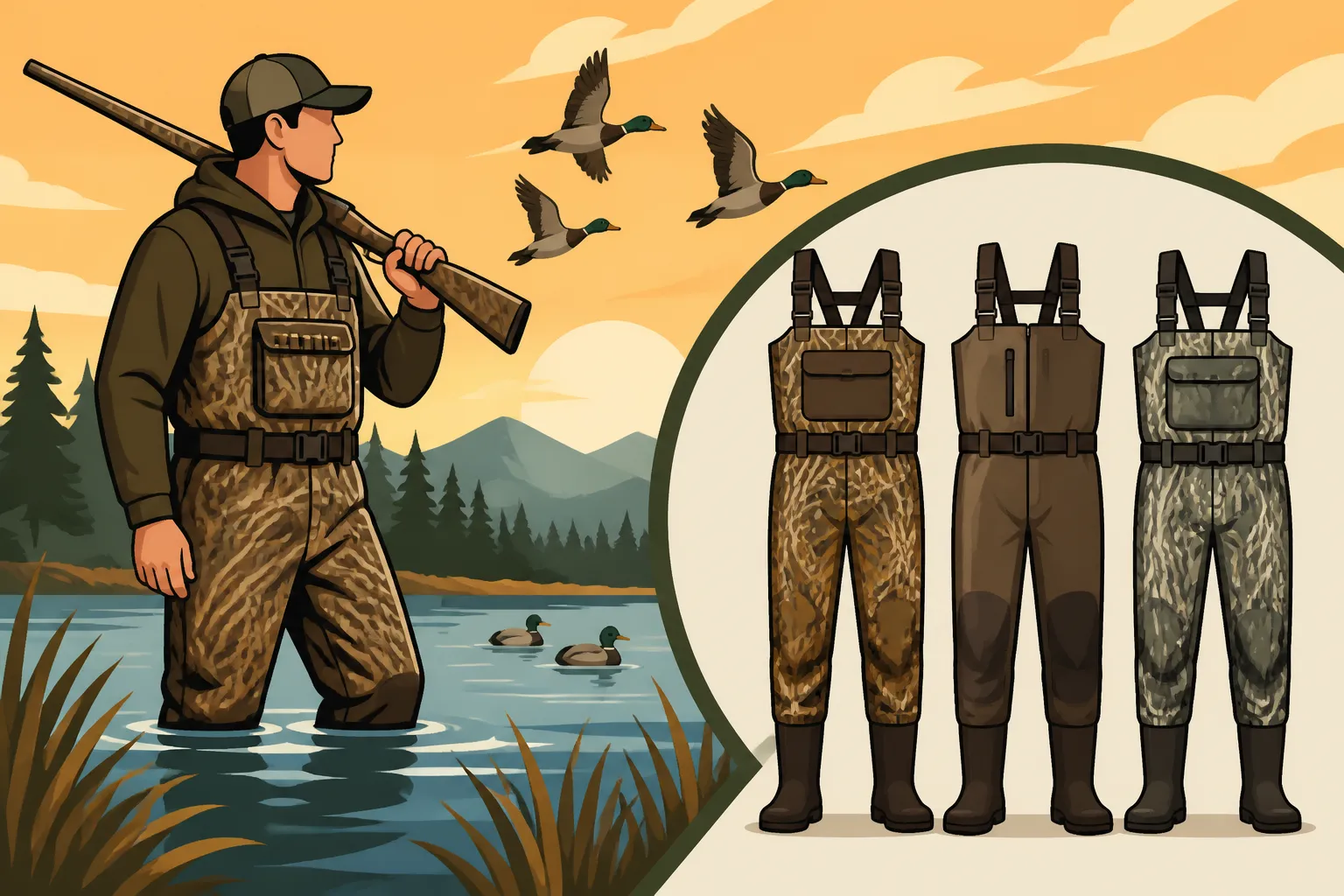
Chest Waders: The Only Real Option
Let's be blunt: for duck hunting on the Connecticut River, chest waders are the only sensible choice. Hip waders or wading boots alone just won't cut it. The unpredictable depths, sudden drop-offs, and need to retrieve birds from deeper water mean you need maximum coverage.
- Unpredictable Depths: As we discussed, you might start in ankle-deep water and suddenly find yourself in knee- or even waist-deep water. Chest waders give you that critical margin of safety. Getting a "cold bath" from an unexpected deep spot is not only uncomfortable but can be genuinely dangerous in freezing temperatures.
- Retrieving Birds: A downed duck or goose isn't going to conveniently float to a shallow spot. You'll need to wade out to retrieve it, and that often means navigating deeper water or areas with thicker vegetation. Chest waders ensure you can do this without getting soaked.
- Warmth and Layering: The extended coverage of chest waders also means more insulation around your core, which is vital for maintaining overall body temperature. They provide a better seal against the cold air and water, allowing your base layers to perform optimally. When you're Hunting the November Firearms Opener and the air is crisp, that extra coverage makes a huge difference.
Selecting Based on Season and Activity Level
Your hunting style and the time of year will heavily influence whether you lean towards neoprene or breathable chest waders.
For the Deep Freeze (Late Season):
If you're primarily hunting in late November and into December, especially when the river might have skim ice forming or the air temperatures are consistently below freezing, 5mm neoprene chest waders are a hard choice to beat. Their inherent insulation means you'll spend less time layering and more time staying warm while stationary. Many hunters focused on those challenging, cold-weather hunts will opt for neoprene, perhaps even with an additional fleece liner if they are particularly susceptible to cold. You'll appreciate that bulk when your fingers are numb and the decoys are barely moving in the stiff current.
For Versatility and Mobility (Early to Mid-Season):
For the opening weeks of the waterfowl season, when temperatures might still be quite mild in September and early October, or if you do a lot of walking to get to your setup, breathable chest waders are the way to go. You can wear minimal base layers on warmer days and then layer up with fleece pants or thermal underwear as the season progresses and the weather turns colder. This adaptability is invaluable, especially for hunters who move frequently or who hunt in varying conditions.
Think about Decoying Ducks on New Hampshire's Connecticut River in early October versus late November. The gear needs for those two scenarios are vastly different. With breathable waders, you can manage both by simply changing what you wear underneath. Many modern breathable waders are also incredibly tough, with robust face fabrics that resist abrasion and snags, making them more durable than older models.
Ultimately, the choice between neoprene and breathable often comes down to personal preference, budget, and the specific conditions you anticipate most frequently. Some dedicated waterfowlers even own both, using neoprene for the coldest hunts and breathable for more active or milder days.
Maximizing Your Waders' Performance and Lifespan
Investing in a good pair of waders is like investing in a reliable truck; you need to take care of it if you want it to last. Proper use and maintenance will ensure your waders keep you dry and comfortable for many seasons to come.
Layering Under Your Waders for Optimal Warmth
Even the warmest waders need help from good layering. This is where you fine-tune your warmth for the day's conditions.
- Base Layer: Start with a moisture-wicking base layer. Merino wool or synthetic materials are excellent because they move sweat away from your body, preventing that clammy, cold feeling. Never wear cotton directly against your skin, as cotton absorbs moisture and stays wet, which will quickly make you cold.
- Mid-Layer (Insulation): Over your base layer, add insulating layers. Fleece pants are a popular choice, providing warmth without excessive bulk. For truly cold days, or with breathable waders, you might need two mid-layers, perhaps a lighter fleece and a heavier pair of insulated pants.
- Socks: Just like with your clothing, avoid cotton socks. Opt for wool or synthetic blend socks that wick moisture and provide insulation, even when damp. Consider a thin liner sock under a thicker wool sock to help prevent blisters and add warmth. Remember to leave enough room in your wader boots so your feet aren't compressed, which restricts blood flow and makes them colder.
- Adjusting Layers: The beauty of layering is its adaptability. If you're doing a long walk to your spot, you might start with fewer layers and add them once you're in position. If it's a bitterly cold day and you're just sitting, pile on the insulation.
It's a balance to strike. You want to be warm, but not so overdressed that you overheat while setting up or walking, only to get a chill from the trapped sweat later. Thinking about what you wear from head to toe is part of a comprehensive strategy for Layering for New Hampshire's Cold Hunting Season.
Cleaning and Drying Your Waders Properly
After every hunt, especially one on the muddy Connecticut River, your waders need attention.
- Rinse Off Mud: As soon as possible, rinse off all mud and grime with a hose. Pay special attention to the boots and seams. Dried mud can abrade the fabric and cause premature wear.
- Thorough Drying: This is perhaps the most critical step for longevity and preventing mildew. Hang your waders upside down (often by the boots) to allow water to drain from the inside. Then, flip them right side up and hang them in a well-ventilated area, out of direct sunlight, to dry both the inside and outside completely.
- Avoid Heat Sources: Never use direct heat sources like heaters, radiators, or campfires to dry your waders. This can damage the material, especially neoprene and waterproof membranes in breathable waders, leading to cracks and leaks. Patience is key.
- Storage: Once completely dry, store them loosely in a cool, dry place. Avoid folding them tightly or stuffing them into a bag for extended periods, as this can create creases that weaken the material over time.
Regular cleaning and thorough drying not only extend the life of your waders but also prevent unpleasant odors and the growth of mold or mildew, which can compromise the material.
Repairing and Extending Wader Life
Even the toughest waders can get a leak. Don't throw them out!
- Leak Detection: Finding a leak can be the hardest part. The easiest method is to turn your waders inside out, spray the suspected area with rubbing alcohol (it darkens wet spots), or fill them with water (if outside and you can hang them to contain the water). For breathable waders, sometimes a flashlight shone through the inside can reveal tiny pinholes.
- Repair Kits: Many waders come with a repair kit, or you can purchase one separately. These typically include patches and adhesive (aquaseal is a popular choice).
- Patching: Clean the area around the leak thoroughly, apply the adhesive, and then apply the patch. Follow the product's instructions carefully for curing times. A properly patched wader can be just as waterproof as new.
- Professional Repair: For major tears or persistent leaks, some manufacturers offer repair services, or you can find independent gear repair shops. It's often worth the cost to save a high-quality pair of waders.
By understanding the unique demands of Hunting the Connecticut River Valley and selecting your waders with care, you'll be well-equipped to enjoy many productive and comfortable days pursuing waterfowl. Remember, your gear is an investment in your outdoor experience.
Disclaimer
This article is for general informational purposes only and does not constitute professional advice. Laws, prices and regulations vary by location and change over time. Consult a qualified professional for guidance on your specific situation.