Best Predator Call for New Hampshire Coyotes
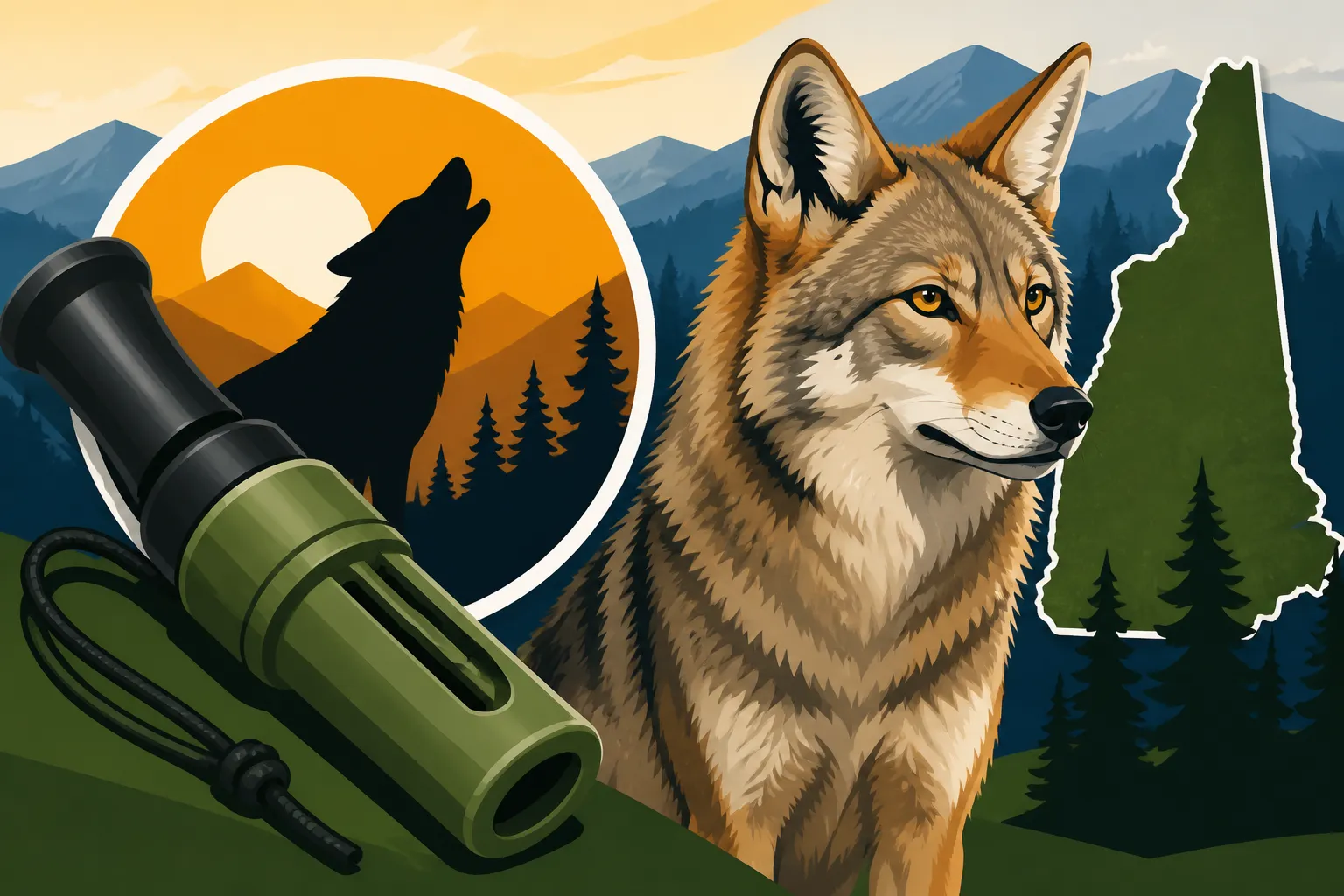
The sound of a coyote howling across a frosty New Hampshire field or echoing through the timber is undeniably primal, but for many hunters and landowners, it’s also a signal of a real challenge. Whether you're a deer hunter seeing fewer fawns or a farmer trying to protect your livestock, the presence of coyotes is keenly felt across our state. Bringing these wily predators into range takes skill, patience, and, crucially, the right tools. If you've ever felt frustrated by a lack of response to your calls, or simply overwhelmed by the sheer number of options out there, you’re not alone. This guide is all about helping you navigate the world of predator calls and pick the best one for New Hampshire coyotes, so you can increase your odds of success.
Understanding New Hampshire Coyotes and Their Behavior
Before you can pick the best call, you first need to understand the animal you're trying to attract. New Hampshire’s coyotes are survivors, incredibly adaptable, and have spread throughout every corner of the state, from the thickest North Country forests to the suburban edges of our major cities. Their behavior, particularly how they communicate and hunt, is key to successful calling.
Their Role in the Ecosystem
Coyotes play a significant role as apex predators in New Hampshire's ecosystem. While sometimes viewed as a nuisance, especially by those concerned about deer populations or small game, they are a natural part of our wildlife community. However, their numbers have shown resilience, and their presence impacts other species. For a deer hunter, understanding their hunting patterns, especially during fawn season or harsh winters, can shed light on why your local deer herd might be struggling. For more on their prevalence, check out New Hampshire Coyote Range and Density. They primarily hunt small mammals like rabbits, mice, and voles, but they are opportunistic and won't pass up an easy meal like a deer fawn, an injured adult deer, or even domestic livestock if available. Their constant search for food drives much of their movement and responsiveness to calls.
How They Hunt and Respond to Sounds
Coyotes rely heavily on their senses, especially hearing, to locate prey and communicate. They've evolved to key into specific sounds in their environment: the distressed squeal of a rabbit, the bleat of a lost fawn, or the territorial barks and howls of other coyotes. When you use a predator call, you're essentially mimicking these natural cues to trigger their instinctual responses. A distress call exploits their predatory drive, making them believe an easy meal is nearby. Territorial calls, like a challenge howl, can provoke a dominant coyote to investigate or respond, especially if they perceive an intruder in their territory. Understanding these motivations is crucial. If you're looking to target them during specific times, learning about Coyote Calling at First Light or even Night Hunting Rules for New Hampshire Coyotes can offer more insights into their activity periods.
Regional Differences in New Hampshire
Just like deer behavior can vary, so too can coyote responses across New Hampshire's diverse landscapes. A coyote living on the edge of a dairy farm in the Connecticut River Valley, frequently encountering humans and farm equipment, might be more wary and harder to call than one deep in the remote sections of the White Mountain National Forest. Coyotes in agricultural areas, where food sources like rodents in fields are abundant, might be less inclined to respond to a simple rabbit distress call if they've just had a good meal. Conversely, a coyote in the sparse timber of the North Country, where food can be harder to come by, might be more aggressive and quick to respond to any potential meal. Recognizing these regional nuances, whether you're Coyote Calling New Hampshire Farm Country or Predator Calling New Hampshire's White Mountain Backcountry, will help you choose the right call and tailor your approach.
Types of Predator Calls: Electronic vs. Manual
When it comes to the actual devices you'll use, predator calls generally fall into two main categories: electronic and manual. Both have their dedicated followers and distinct advantages and disadvantages, especially when hunting New Hampshire's varied terrain and often wary coyotes.
Electronic Calls
Electronic calls, often called e-callers, have revolutionized predator hunting for many. These devices typically come with a wide array of pre-recorded sounds, from various distress calls of rabbits, fawns, and birds, to coyote howls, barks, and pup distress sounds. They usually feature a remote control, allowing you to place the caller away from your position, directing the coyote's attention away from you and making for a more natural approach.
The major advantages of e-callers include their sheer versatility and volume control. You can switch between dozens of sounds with the press of a button, adjusting the volume to suit conditions. This is fantastic when you’re dealing with wide-open fields where you need to project sound a long distance, or when you want to try different sounds to break through a coyote's wariness. Many models also include decoy attachments that add visual realism, mimicking a wounded animal. When you're diving into the vast world of predator calls, especially electronic ones, resources like GoHunt can be invaluable. They often feature detailed reviews and breakdowns of different models, helping you narrow down your choices based on features like sound libraries, remote range, and battery life.
However, electronic calls aren't without their drawbacks. They tend to be more expensive than manual calls, and require batteries, which can die at the worst possible moment, especially in cold New Hampshire winters. They can also be bulkier to carry, and some hunters feel they take away from the skill and artistry of calling. For coyotes that have been heavily pressured, a poorly used electronic call with unnatural sounds can actually educate them further, making them even harder to call in the future.
Manual Calls
Manual calls are the traditional choice, operated by breath and a reed or diaphragm. These include open-reed, closed-reed, and diaphragm calls, each requiring practice to master. Common manual calls mimic rabbit distress, bird distress, and various coyote vocalizations.
The primary benefits of manual calls are their portability, cost-effectiveness, and the nuanced control they offer. They fit easily into a pocket, don't require batteries, and are relatively inexpensive. A skilled caller can create incredibly realistic and varied sounds, adjusting volume, pitch, and cadence on the fly, which can be particularly effective on pressured coyotes that might shy away from electronic consistency. There's a certain satisfaction, too, in knowing you've lured in a wary coyote with nothing but your own breath and a piece of plastic or wood. This connection to the hunt is a big draw for many. GoHunt also provides insights into effective manual calling techniques, often showcasing videos of seasoned hunters demonstrating their skills.
On the flip side, manual calls demand practice. Getting them to sound realistic takes time and effort, and even then, some sounds are difficult or impossible to replicate manually. Their volume is also inherently limited compared to an electronic caller, which can be a disadvantage in windy conditions or very large open areas. In extremely cold or wet weather, reeds can sometimes freeze or stick, making them unreliable. Still, for hunters who value skill and a minimalist approach, manual calls are often the preferred choice for subtle, close-quarters work in dense cover.
Popular Sound Repertoires
Regardless of whether you choose electronic or manual, the sounds you employ are paramount. Understanding what each sound communicates to a coyote is vital for success.
- Rabbit Distress: This is arguably the most common and effective sound, mimicking a rabbit caught by a predator. Rabbits are a staple of the coyote diet, especially in agricultural areas and brushy clear-cuts across New Hampshire. There are many variations, from a high-pitched cottontail squeal to a deeper jackrabbit-style scream, and having a few options can be beneficial.
- Fawn Distress: Especially potent during late spring and early summer when fawns are vulnerable, this call mimics a young deer in trouble. Coyotes are notorious for preying on fawns. This call can be very effective throughout the deer season, as older coyotes remember this easy meal.
- Coyote Howls, Barks, and Whimpers: These are social and territorial vocalizations. Howls can be used to locate coyotes, elicit a response, or challenge a dominant animal. Barks often indicate caution or aggression, while whimpers might suggest a pup in distress, drawing in protective adults. Knowing when to use an interrogation howl or a challenge howl is crucial.
- Pup Distress: This sound often brings in adult coyotes who are either protective parents or opportunistic predators looking for an easy meal. It can be particularly effective after breeding season, when adults are attentive to their young. This call can be especially useful for working those thicker areas where visibility is limited, causing coyotes to come in cautiously but directly to the sound.
The best repertoire often involves a combination, using howls to locate and then switching to distress calls to draw them in. Experimentation is key, and GoHunt often has articles discussing optimal call sequences for various conditions.
Choosing the Right Call for Different Situations
New Hampshire offers a diverse array of hunting environments, from vast open farmland to dense conifer thickets and steep, rugged mountainsides. The "best" predator call isn't a one-size-fits-all solution; it depends heavily on the specific terrain, weather, and pressure the coyotes in your area have experienced.
Open Country and Farmland
When you're hunting expansive areas like the agricultural fields along the Connecticut River, or large clear-cuts in northern New Hampshire, sound carries a long way. Here, you need a call that can project volume to cover a wide area and draw coyotes from a distance. Electronic calls really shine in this scenario. Their ability to produce loud, sustained distress cries or a sequence of howls can reach coyotes that are spread out.
Imagine sitting on the edge of a vast cornfield after harvest. You've got clear lines of sight, but the coyotes might be a quarter-mile away, hidden in a brush line or a distant woodlot. A powerful e-caller with a rabbit distress sequence, followed by a few lonesome howls, can cut through the air and grab their attention. You can place the speaker out in front of you, away from your position, perhaps near a natural funnel or a fence line, drawing the coyote's focus there while you remain concealed. This allows you to observe their approach and react accordingly.
Thick Timber and Dense Cover
Conversely, when you're deep in the thick softwoods, cedar swamps, or the dense undergrowth of the White Mountains, loud calls can be counterproductive. Sound doesn't travel as far, and a blaring call can easily startle coyotes that might be very close but out of sight. In these environments, subtlety is your friend. Manual calls often excel here because you have finer control over volume and nuance.
Think about still-hunting through a dense spruce grove where visibility is limited to 30-50 yards. A soft, pleading cottontail squeal from an open-reed call might be just enough to pique a coyote's curiosity without alerting it to your presence. You want to make it sound like a small, vulnerable animal struggling nearby. A manual call allows you to vary the intensity, starting very softly and gradually increasing if you don't get a response. This also helps prevent over-calling, which can make coyotes suspicious. Furthermore, you can often pinpoint the exact source of the sound more precisely when it's coming from you, allowing for more natural directional cues for the approaching predator. This approach is similar to how one might approach Still-Hunting White Mountain National Forest Timber for deer.
High-Pressure Areas
Coyotes in areas with a lot of hunting pressure, common around many of New Hampshire’s more accessible public lands or frequently hunted private parcels, are notoriously wary. They've heard it all before, and they've likely had negative experiences with calls. Here, novelty and subtlety are paramount. Switching up your call sounds and employing a less common distress call can make a difference.
For pressured coyotes, an electronic call with a vast sound library offers an advantage. You can cycle through sounds they might not have heard as frequently, perhaps a bird in distress that's less common than a rabbit, or a specific pup distress sound that feels more urgent. Manual calls, with a skilled operator, can also be highly effective due to their ability to produce incredibly realistic and varied sounds that avoid the repetitive nature of some e-callers. The key is to be unpredictable and subtle. Start with very low volume, or use social howls to locate first, then switch to a quiet distress. Sometimes, even using a simple hand call that creates minimal noise, forcing the coyote to come in close to investigate, can work wonders. This is where researching tactics on platforms like GoHunt, seeing what seasoned predator hunters recommend for "educated" coyotes, can provide excellent strategic insights.
Cold Weather Considerations
New Hampshire winters can be brutal, and extreme cold impacts both you and your gear. Manual calls, especially those with thin reeds, can sometimes freeze up or stick in frigid temperatures, rendering them useless. Condensation from your breath can turn to ice, making it impossible to produce sound.
Electronic calls, while susceptible to battery drain in the cold, tend to be more reliable in terms of sound production itself. You'll want to use high-quality, cold-weather rated batteries or carry spares, and keep your unit in an insulated pouch or close to your body heat until you're ready to use it. A fully charged battery pack can be a lifesaver. On the other hand, a manual mouth call that you can keep inside your jacket until needed might avoid the freezing issue entirely. Consider the specific conditions you plan to hunt in. If you're going to be out during a deep freeze, plan for both battery life and potential freezing.
Here's a quick comparison of the two main types of predator calls:
| Feature | Electronic Calls | Manual Calls |
|---|---|---|
| Cost | Higher (often hundreds) | Lower (typically tens to a hundred) |
| Sound Variety | Extensive (dozens to hundreds of pre-recorded) | Limited (depends on call type, caller's skill) |
| Volume Control | Excellent (remote adjustment, high output) | Moderate (controlled by breath, limited max volume) |
| Ease of Use | Simple (press button, adjust volume) | Requires practice and skill to master |
| Portability | Moderate (unit, remote, speakers; can be bulky) | High (pocket-sized) |
| Battery Life | Requires batteries (susceptible to cold drain) | No batteries (no cold drain, but reeds can freeze) |
| Realism | High-quality recordings, can be very realistic | Highly realistic with skilled user |
| Hands-Free | Yes (remote control allows hands-free operation) | No (requires hands and mouth to operate) |
| Best For | Open country, long distances, variety of sounds | Dense cover, subtle calling, close range, pressured areas |
Tips for Effective Calling in New Hampshire Terrain
Choosing the right call is just the first step. To consistently bring in New Hampshire coyotes, you need to combine your call with smart hunting tactics and an understanding of their keen senses.
Setup and Wind Direction
This is perhaps the most critical element of coyote hunting. Coyotes rely heavily on their sense of smell, and they will almost always try to circle downwind of the sound source to catch a scent before committing. If your scent cone is blowing towards where you expect them to approach, they'll bust you every time.
Your setup needs to prioritize concealment and wind direction. Always approach your calling spot from downwind, if possible. Position yourself so the wind is blowing from the direction you expect the coyote to come, past you, and away. This ensures your scent is carried away from their likely approach path. Use natural cover like thick pines, rock formations, or dense brush to break up your silhouette. A good ground blind can also be incredibly effective, especially when trying to stay concealed on a field edge, and you can learn more about Using a Ground Blind on Public Land. Pay attention to thermals, too, especially in the hilly and mountainous regions of New Hampshire. Air flows downhill in the mornings and evenings, and uphill during the day, which can subtly shift your scent cone.
Call Sequences and Volume Control
Variety and nuance are your best friends. Don't just blast a rabbit distress call for 10 minutes straight. Start your calling sequence softly, maybe with a few quiet whimpers or a very light distress call. This mimics a wounded animal just beginning to struggle, making it less alarming to a nearby coyote. If no response, gradually increase the volume and intensity. After a few minutes, pause. Coyotes are often silent on approach, and you need to give them time to come in.
Mix it up. After a distress sequence, try a few soft howls or barks to see if you can elicit a response from a pack member or a territorial male. Many experienced callers recommend a sequence that starts soft, builds in intensity, includes periods of silence, and then changes sounds if no response. The specific cadence and volume for different types of cover, whether Rattling Volume in Thick Softwood Cover for deer or a coyote call, share principles of being situationally appropriate.
Patience and Persistence
Coyotes are smart, and they can be incredibly wary. It’s a common frustration to call for 15-20 minutes with no response and then pack up, only to have a coyote sneak in moments after you've started to move. Plan to stay on stand for at least 30-45 minutes, sometimes longer, especially in areas with high pressure. Coyotes might circle widely, take their time, or simply be slow to respond.
Just because you don't hear a vocal response doesn't mean a coyote isn't approaching silently. Keep your eyes peeled, constantly scanning your surroundings, especially the downwind side. Use good quality optics like binoculars to pick out movement in distant cover. Persistence also means trying different stands, different call types, and different times of day if one strategy isn't working. Don't get discouraged; every hunt is a learning experience. You can even find inspiration by looking into resources like Reading Aerial Photos for North Country Deer to help scout for new stand locations for coyotes.
Combining Calling with Other Tactics
Calling is a powerful tool, but it's most effective when combined with other smart hunting strategies.
- Scent Control: As mentioned, coyotes have an incredible sense of smell. Wear clean clothes, use scent-eliminating sprays, and avoid strong odors like gasoline or tobacco. Your scent control efforts, similar to what you'd use for deer, can make or break a coyote hunt.
- Concealment: Dress in effective camouflage for the New Hampshire landscape. Whether it's the mottled browns and grays for hardwoods or the greens and grays for softwood, blending into your surroundings is critical. If you're wondering about your options, reviewing Camo Patterns for New Hampshire Hardwood Cover can be helpful. Don't just break up your outline; try to be completely hidden. Any subtle movement can spook a wary coyote.
- Patience and Movement: Once you start calling, minimize movement. Even subtle shifts can be detected. Keep your rifle or shotgun ready, but don't move it until the coyote is committed and offers a clean shot.
- Scouting: Before you even pick a call, scout your area. Look for tracks, scat, and other signs of coyote activity. Understand where they might be bedding, where their travel corridors are, and where they might cross open areas. This helps you choose the best setup location. For more information on Coyotes and Predators in New Hampshire and their typical movements, scouting is vital. Whether you're hunting small private tracts or larger public lands, knowing the ground is key.
- Ethical Considerations: Always adhere to New Hampshire Fish and Game regulations. Understand your target, ensure a safe backdrop, and make humane shots. Being a responsible hunter is paramount, and refresher courses like New Hampshire Hunter Education Requirements are always a good idea.
By combining the right call with these tried-and-true tactics, you’ll be well on your way to more successful coyote hunts across New Hampshire.
Disclaimer
This article is for general informational purposes only and does not constitute professional advice. Laws, prices and regulations vary by location and change over time. Consult a qualified professional for guidance on your specific situation.