Baiting New Hampshire Bears Legally by WMU
Trying to figure out the maze of New Hampshire's bear baiting regulations can feel like you're lost in a thick spruce stand without a compass. It's frustrating when you're just trying to enjoy a passion that's deeply rooted in tradition and respect for the animal, but the rules seem to change or have nuances that are hard to pin down. This guide is here to walk you through the specifics of legally baiting black bears across New Hampshire's various Wildlife Management Units (WMUs), ensuring your efforts are compliant, ethical, and ultimately, successful.
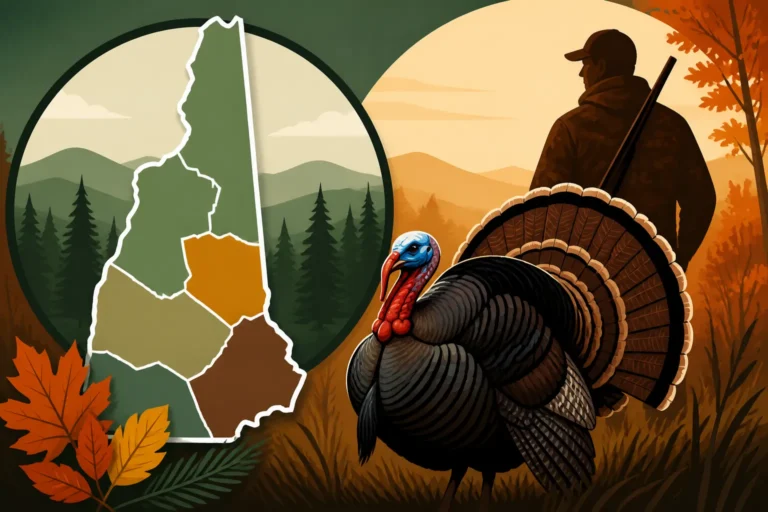
Understanding New Hampshire's WMU System for Bear Baiting
New Hampshire isn't a "one-size-fits-all" state when it comes to hunting regulations, and bear baiting is a prime example of where the details truly matter. The state is carved up into a series of Wildlife Management Units (WMUs), and these divisions dictate not just general hunting seasons, but also specific rules for methods like baiting. Ignoring these boundaries or the associated regulations can turn a promising hunting season into a costly legal headache.
Why WMUs Matter for Bear Baiting
Each WMU is essentially a distinct management area, established by the New Hampshire Fish and Game Department to manage wildlife populations, including bears, based on local habitat conditions, population densities, and human-wildlife interactions. This means that what's perfectly legal and acceptable in one WMU might be prohibited or have different timing requirements in another. For bear baiters, this is critical because the dates you can start baiting, the dates you can hunt over bait, and even sometimes the types of bait allowed, can fluctuate wildly between WMUs. It’s not enough to just know the statewide bear season; you absolutely have to know your specific WMU's baiting dates. If you're looking into New Hampshire's WMU-Specific Bear Season, you'll quickly see the variations that dictate much of your planning.
The Fish and Game Department uses this WMU system to fine-tune its management strategies. For example, areas with higher bear populations might have longer or earlier baiting windows to help achieve harvest objectives, while areas with fewer bears or more human population density might have more restricted periods. This localized approach is designed to keep bear populations healthy and prevent over-harvesting in some areas while mitigating conflicts in others. For you, the hunter, it means your pre-season scouting and planning must include a thorough review of the regulations for the exact WMU where you intend to place a bait site.
Key WMUs for Bear Hunting and Baiting Opportunities
New Hampshire's bear population is robust and widespread, but some WMUs are definitely better known for their bear hunting opportunities, particularly for those utilizing bait. Generally, the northern and western WMUs, which include more extensive forested tracts and less human development, tend to be the hotspots. WMUs like A, B, C, D1, D2, F, and G are often discussed among bear hunters as prime areas. These units often boast higher bear densities and more remote public or private land suitable for baiting.
For instance, WMU A, B, and C in the vast North Country often have some of the longest and most liberal baiting seasons, reflecting both a healthy bear population and the extensive habitat. Conversely, some of the more southern or coastal WMUs, while still having bears, might have shorter or more restrictive baiting periods due to closer proximity to populated areas or different management objectives. It’s not impossible to bait in these areas, but the logistical and regulatory hurdles might be greater. The important thing is to match your hunting strategy to the specific WMU's rules, rather than assuming uniformity across the state. Many hunters use digital mapping platforms like GoHunt to scout and identify suitable parcels of land within their target WMUs before even thinking about baiting. This allows them to cross-reference property lines with WMU boundaries and access points efficiently.
Navigating the New Hampshire Fish and Game Digest
The absolute, undeniable bible for any New Hampshire hunter, especially a bear baiter, is the annual New Hampshire Fish and Game Hunting Digest. This document contains every single regulation you need to know, including the critical WMU-specific bear baiting dates. Trust me, digital resources are great, but having the physical digest or a clear digital copy saved to your phone for offline access is non-negotiable.
Don't just skim it; read the bear section meticulously. You’ll find tables or specific paragraphs detailing when you can start placing bait, when you can begin hunting over that bait, and when you absolutely must remove all bait and associated materials. Often, the season to Baiting a Bear Site Before Your WMU Closes will be clearly outlined, leaving no room for guesswork. It's not uncommon for these dates to vary by a week or even two depending on the WMU, and missing a start date means you're behind the curve, while baiting too early or too late can result in fines and loss of privileges. Make it a ritual to check the digest as soon as it's released each year, because even subtle changes can have a big impact on your plans. If you're struggling to locate the specific dates, remember there's often a section dedicated to Checking Your WMU's Bear Season Dates, which will direct you right where you need to be.
Legal Requirements and Regulations for Bear Baiting in NH
Beyond knowing your WMU, there's a whole host of specific rules that govern the act of bear baiting itself. These aren't suggestions; they are laws, and adherence is paramount. New Hampshire Fish and Game officers are well-versed in these nuances, and ignorance is rarely an excuse when you’re found in violation. It’s essential to be proactive and understand every detail before you even think about setting up your first bait barrel.
License and Permit Essentials
First things first: you need the right paperwork. To hunt bear in New Hampshire, you must possess a valid New Hampshire hunting license. In addition to your regular hunting license, a special Bear Permit is required. This permit allows you to legally hunt black bears in the designated season and with the approved methods, including baiting. These permits come with specific costs, and it's worth noting that New Hampshire Bear License Costs can differ for residents and non-residents. Make sure you purchase your license and permit well in advance of the season, as you don't want to be scrambling at the last minute.
Beyond the permits, remember that hunter education is also a prerequisite for most new hunters in New Hampshire. Always carry your license and bear permit on your person while hunting or actively managing your bait site. It's not just good practice; it's the law. An officer checking your site will expect to see them. There are no special "baiting permits" beyond the standard bear permit, but the method is tied directly to possessing that permit and adhering to the statewide and WMU-specific rules.
Approved Bait Materials and Prohibited Items
This is where many well-intentioned baiters can run afoul of the law if they're not careful. New Hampshire has very clear guidelines on what can and cannot be used as bear bait. The overarching principle is usually centered around naturalness and avoiding contamination or the introduction of harmful substances. Generally, natural agricultural products like corn, oats, molasses, bakery products (doughnuts, pastries, etc.), and fruit are permitted. Animal parts, fish, and certain manufactured food waste are often acceptable, but always confirm.
However, certain items are strictly prohibited. These often include:
- Meat scraps or parts from game animals (like deer or moose) that have been illegally harvested or were not processed legally.
- Diseased animal carcasses of any kind. This is especially important given the ongoing vigilance against diseases like Chronic Wasting Disease (CWD). New Hampshire takes New Hampshire's CWD Prevention Rules very seriously, and introducing unapproved animal parts could potentially compromise wildlife health.
- Any non-biodegradable materials left at the site after the season.
- Materials that contain harmful chemicals or toxins.
- Pet food, surprisingly, is often a no-go in many states, so double-check New Hampshire's specific stance each year.
A good rule of thumb is: if it doesn't break down naturally and quickly, or if it's questionable, don't use it. When thinking about Choosing a Bear Bait Container, consider that even the containers themselves need to be removed. It’s important to note New Hampshire's New Hampshire's Natural Lure Restrictions for deer might not directly apply to bear bait, but it highlights the state's cautious approach to introducing foreign substances into the wild.
Here's a simplified table illustrating common approved and prohibited bait items. Always consult the current New Hampshire Fish and Game Digest for the most up-to-date and complete list.
| Category | Commonly Approved Items (Examples) | Commonly Prohibited Items (Examples) |
|---|---|---|
| Grains/Produce | Corn, Oats, Molasses, Apples, Pears | Processed Human Garbage, Diseased Carcasses |
| Baked Goods | Doughnuts, Pastries, Bread, Cookies | Raw Animal Parts (unless specified/processed) |
| Sweeteners | Syrup, Honey, Candy (biodegradable) | Non-food items disguised as bait |
| Other Food Waste | Vegetable Scraps, Fruit Scraps | Toxic chemicals, non-biodegradable plastics/glass |
Distance Restrictions and Property Line Awareness
This is another area where a single misstep can lead to significant problems. New Hampshire law dictates specific distance requirements for bear bait sites, primarily concerning public roads, dwellings, and sometimes even other bait sites. While the exact distances can sometimes vary, a common regulation often states that bait sites must be a certain distance (e.g., 200 or 300 feet) from a public road or a permanently occupied dwelling. This is to ensure public safety and minimize potential conflicts with residents.
More critically, your bait site must be entirely on land where you have legal permission to hunt and bait. This means if you're on private land, you need explicit permission from the landowner. If you're on public land, you need to verify it's open to hunting and baiting, and you must respect property lines diligently. Using mapping tools like GoHunt or the New Hampshire Fish and Game app to pinpoint property boundaries is absolutely essential. Many hunters spend considerable time scouting public land before season to find areas suitable for a bait site that meets all distance and boundary requirements. Imagine putting in all that work, only to find out your barrel is 50 feet over the line onto private property you don't have access to, or too close to a road! It happens, and it's avoidable with proper planning.
Strategic Considerations for Effective and Ethical Bear Baiting
Legal compliance is the foundation, but effective bear baiting is an art form rooted in strategy, patience, and a deep understanding of bear behavior. It’s more than just dumping food in the woods; it’s about creating an irresistible draw that’s consistently managed, all while upholding ethical hunting principles.
Timing Your Bait Site Establishment
The "when" of baiting is almost as important as the "where." As discussed, WMU-specific regulations dictate the earliest date you can put out bait. But even within that legal window, there's strategy. Most seasoned baiters agree that starting a bait site a week to two weeks before the hunting season opens over bait is ideal. This gives bears ample time to find the site, become comfortable with it, and establish a regular pattern of visitation.
If you put bait out too close to opening day, you risk bears only finding it a day or two before, making them less predictable or even making them nocturnal. On the other hand, starting too early (outside the legal window) is illegal and can also habituate bears too much before the season, potentially leading to issues. Consistency is key. Once you start baiting, commit to a regular schedule of refreshing the bait. Bears are creatures of habit, and a reliable food source will keep them coming back. This initial phase, before you can even Hunting Bear With Hounds by WMU, is crucial for success.
Monitoring and Refreshing Your Bait
Once your bait site is established, monitoring becomes your primary task. This is where trail cameras become invaluable. They allow you to observe bear activity without disturbing the site, giving you critical intel on visitation times, the size of bears, and even individual bear characteristics. Many hunters rely on these cameras to effectively manage their sites and inform their hunting strategy. Learn about Trail Camera Placement on Public Land to maximize your scouting efforts.
When you refresh your bait, do so methodically and quietly. Try to approach from a direction that minimizes your scent dispersal into the primary travel corridors bears use to approach the site. Always wear rubber boots and gloves to reduce human scent contamination. Pay attention to how quickly the bait is being consumed – this will tell you how many bears are visiting and how frequently. Adjust the amount of bait you put out accordingly. If it's being devoured overnight, you might need more. If it's sitting for days, you might have less activity than you thought. A successful bait site isn’t just about putting food out; it’s about understanding the demand and supply in real-time.
Understanding Bear Behavior Around Bait
Bears are incredibly intelligent and can be surprisingly wary, especially older, larger bears. They are creatures of routine, but they are also opportunists. When a new food source like a bait site appears, their initial approach will often be cautious. They might circle the site, sniff the air, and observe from a distance for days before committing. This is why giving them time to get comfortable is so important.
You'll notice bears often become more active around bait during certain times of day, typically early morning or late evening. However, pressured bears, or those in areas with high human activity, might become almost entirely nocturnal. Your trail cameras will be essential for determining these patterns. Be aware that bears may also "cache" bait, burying it nearby to save for later. This is natural behavior but can make it seem like the bait is gone faster than anticipated. Understanding these subtle cues in New Hampshire Bear Den Study Findings can give you an edge. Finally, always be aware of the possibility of multiple bears, including sows with cubs. It's unethical and illegal to shoot a sow with cubs, so careful identification is paramount.
Common Challenges and Troubleshooting Your Bait Site
Even with the best planning and legal adherence, bear baiting isn't without its challenges. The wilderness is unpredictable, and often, you'll encounter situations that require quick thinking and adaptation. Don't get discouraged; these are learning opportunities.
Dealing with Non-Target Species
One of the most common frustrations for bear baiters is the constant parade of non-target species. Raccoons, skunks, foxes, coyotes, and even deer can become regular visitors to your bait site, often consuming significant amounts of expensive bait intended for bears. While it's part of the game, excessive non-target activity can deplete your bait faster and make it harder for bears to get their fill.
To mitigate this, some baiters construct their bait stations in ways that make it harder for smaller animals to access. This might involve using heavy barrels chained to trees, with smaller openings that require a bear's strength to get to the main cache, or elevated platforms that only a climbing bear can reach. While you can't completely eliminate other species, you can certainly make it less convenient for them. For instance, if you're Hunting a Beaver Flowage Edge and set a bait site, you might find beavers curiously investigating as well! Regularly monitoring your trail cameras will help you understand who is eating your bait and adjust your strategy accordingly.
Addressing Bear Shyness or Reluctance
Sometimes, despite a well-placed and properly baited site, bears just don't seem to be showing up, or they're only visiting sparingly and tentatively. This "shyness" can be incredibly frustrating. Several factors can contribute to this:
- Abundant Natural Food Sources: If it's a banner year for acorns, berries, or other natural mast crops, bears might have less incentive to visit your bait regularly. Your site is competing with nature's bounty. This highlights the importance of Hunting After a Poor Acorn Year where bait can be more effective.
- Human Scent Contamination: Bears have an incredible sense of smell. If you're leaving too much human scent around the bait site, or approaching carelessly, you might be deterring them. Always be mindful of wind direction when accessing your site.
- Pressure from Other Hunters: If there are multiple bait sites or heavy hunting pressure in the area, bears might become more wary and nocturnal.
- Insufficient Bait: If the amount of bait isn't substantial enough to satisfy a bear, or if it runs out quickly, they might not bother returning.
To combat this, try increasing the volume of bait, ensuring it’s fresh and appealing. Review your access routes to minimize scent. Consider adding a strong attractant scent, like anise oil or a commercial bear attractant, to the area surrounding your bait site. Patience is often the biggest virtue here; sometimes it just takes longer for bears to find and trust a new food source.
Predator Interference and Theft
It's not just raccoons you have to worry about; larger predators can also pose a challenge. Coyotes, bobcats, and even other bears can interfere with your bait site. Coyotes, while not a primary concern for consuming large amounts of bait, can be a nuisance and potentially deter bears. Coyote Calling New Hampshire Farm Country might be a different type of hunt, but their presence around your bear bait site can be noted.
The biggest "thief" at a bear bait site, however, is often another bear. Larger, more dominant bears can chase off smaller bears, establishing their dominance over the food source. This isn't necessarily a bad thing if you're after a mature bear, but it can make it harder to assess overall bear activity. In some rarer cases, you might even encounter human interference, though this is less common on remote public lands. If you suspect your bait is being stolen by another person, contact New Hampshire Fish and Game immediately. They take poaching and interference seriously. Ensure your Best Bear Bait Site Setup makes it difficult for anything but a bear to access the main food source, and secure your trail cameras to prevent theft.
Best Practices for Site Selection and Setup
Selecting the right location for your bear bait site and setting it up correctly are critical steps that will directly influence your success. It’s a blend of reading the landscape, understanding bear ecology, and adhering to legal requirements.
Choosing the Ideal Location
The "perfect" bait site location combines several key elements:
- Bear Sign: Look for existing bear sign – tracks, scat, rub trees, overturned rocks, and claw marks on trees. A fresh concentration of these indicators tells you bears are already active in the area. Scouting with tools like GoHunt or the New Hampshire Fish and Game App can overlay private/public land boundaries and topography, helping you pinpoint potential areas where bears might travel or feed. If you're going Scouting New Hampshire Public Land Before Season, this is where you really put in the legwork.
- Cover and Escape Routes: Bears, especially mature ones, are often wary. They prefer to approach a food source from dense cover and have immediate escape routes nearby. Avoid wide-open areas. Look for thickets, blowdowns, or dense softwood stands adjacent to your bait.
- Water Source: Bears need water, especially when consuming dry or sweet baits. A nearby stream, bog, or pond can make your bait site even more appealing and convenient for them. Think about Hunting a Beaver Flowage Edge for potential water sources.
- Accessibility (for you, not everyone): You need to be able to access your site quietly and efficiently to refresh bait and check cameras. However, you want to choose a location that discourages casual human traffic. A good balance is a site that requires a bit of a hike or is off the beaten path, minimizing accidental encounters with hikers or other hunters.
- Wind Direction: Consider prevailing winds. You want your stand location to be downwind of the anticipated bear approach. Your bait site should generally be located where the prevailing winds will carry the scent towards common bear travel corridors.
- Legal Distances: Reiterate the importance of being far enough from roads, dwellings, and property lines. Double-check all measurements before committing to a spot.
When you think you've found a good spot, sit there for a while. Observe the surroundings. Imagine yourself as a bear approaching. What would make you feel secure? This kind of immersive scouting is what separates consistent baiters from occasional dabblers.
Constructing a Durable and Effective Bait Station
A well-constructed bait station isn't just a pile of food; it's designed to contain the bait, make it difficult for non-target species to access, and encourage bears to spend time at the site.
- Containers: Heavy-duty plastic barrels (e.g., 55-gallon drums) are popular. They're durable and can hold a lot of bait. Drill a few small holes in the bottom for drainage. Chain the barrel securely to a sturdy tree to prevent bears from easily moving it or making off with it entirely. You're trying to make them work for it, but not so hard they give up. This ties directly into advice on Choosing a Bear Bait Container.
- Logs and Cover: Surrounding your barrel with heavy logs, brush, or rocks can help contain the bait, force bears to approach from specific angles, and create a natural-looking setup. It also makes it harder for smaller animals to just waltz in and clean out the site.
- Camera Placement: Place your trail cameras strategically to cover the bait station and the primary approach trails. Make sure they are secured to prevent theft and are angled to get clear images of the bears. Position them so you get both day and night footage.
- Scent Control: Always approach and set up your bait station with extreme scent consciousness. Wear clean clothes, rubber boots, and gloves. Minimize human odor.
The goal is to create a station that is robust enough to withstand bear activity and the elements, yet simple enough for you to manage. Remember, you're not just feeding bears; you're setting the stage for a hunting opportunity.
Ensuring Safety and Accessibility
Your safety, and the safety of others, is paramount. When selecting and setting up your site:
- Tree Stand Safety: If you plan to hunt from a treestand, ensure the stand location is safe, the tree is healthy, and you use a full-body harness every single time you climb. Never cut limbs that compromise the tree's integrity. Ensure your Best Safety Harness for a Treestand Hunt is in good working order.
- Clear Shooting Lanes: Clear shooting lanes from your intended stand location to the bait site. You want a clear, unobstructed shot, minimizing the chance of hitting unintended parts of the animal or missing entirely.
- Access Route Planning: Plan your access and exit routes carefully. You want to be able to get to and from your stand or bait site quietly and without disturbing the area. Consider Entry Routes Through a Cut Cornfield or similar subtle approaches depending on the surrounding terrain.
- Tell Someone: Always let someone know where you are hunting and when you expect to return. In remote areas of New Hampshire, cell service can be spotty to non-existent. A satellite communicator or GPS device is highly recommended, especially if you're deep in the North Country.
By prioritizing safety in every aspect of your baiting and hunting plan, you not only protect yourself but also contribute to a responsible and ethical hunting culture.
Post-Season Clean-Up and Environmental Responsibility
Your responsibility as a bear baiter in New Hampshire doesn't end when the season closes or you fill your tag. A crucial, and often legally mandated, part of the process is the thorough clean-up of your bait site. This is where ethics, law, and conservation intertwine.
The Importance of Thorough Site Remediation
New Hampshire regulations typically require that all bait and associated materials be completely removed from the site by a specific date after the season closes. This isn't just a suggestion; it's a legal obligation. The purpose of this rule is multifaceted:
- Preventing Habituation: Leaving bait out year-round can lead to bears becoming overly habituated to human-provided food sources. This can increase human-bear conflicts, such as bears raiding bird feeders, trash cans, or even breaking into homes, especially if they associate human scent with easy food.
- Wildlife Health: Allowing food to sit and rot can create unhealthy conditions, attract unwanted pests, and potentially spread disease among wildlife.
- Environmental Impact: Non-biodegradable materials left in the woods contribute to litter and pollution. No one wants to hike through the woods in spring and find old bait barrels and plastic containers from the previous fall's hunting season.
- Public Perception: The ethical image of hunting relies heavily on responsible practices. A clean site reflects well on hunters as a whole.
This clean-up can be a significant chore, especially if you have heavy barrels or lots of accumulated bait. Plan ahead for how you will retrieve all your materials. This is part of Baiting a Bear Site Before Your WMU Closes that needs to be considered. Leaving the site in the same, or better, condition than you found it is a cornerstone of responsible hunting.
Preventing Habituation and Negative Impacts
The long-term health of New Hampshire's bear population and the public's tolerance for bears depend on minimizing habituation to human food sources. Bear baiting is a managed activity precisely because it intentionally concentrates bears. It's a privilege, not a right, and that privilege comes with responsibilities.
By meticulously cleaning up your site, you help break the cycle of dependency. Bears learn that the easy food source is temporary, and they'll revert to foraging for natural foods. This keeps them wild, healthier, and less likely to become "nuisance bears" that might eventually have to be lethally removed. Beyond bait, remember to secure all potential attractants around your home and camp, like trash, pet food, and bird feeders, especially if you live in bear country. This reinforces the natural foraging behavior we want to encourage in these magnificent animals. Understanding New Hampshire Bear Population Trends helps us appreciate the need for responsible management.
Leaving No Trace
The principle of "Leave No Trace" extends beyond camping and hiking; it's a fundamental tenet of ethical hunting. When your bear bait site is fully dismantled and cleaned, it should be as if you were never there. This means:
- Remove all containers: Barrels, buckets, tubs, or any other structure you used.
- Remove all chains and ropes: Don't leave anything attached to trees or on the ground.
- Remove all bait materials: Even if biodegradable, remove large accumulations of uneaten bait, especially processed foods that might take longer to break down or attract scavengers unnecessarily.
- Pick up any litter: Any wrappers, empty bags, or other refuse from your visits.
- Fill any holes or depressions: If you dug any shallow depressions for bait, fill them back in.
This commitment to the land not only ensures legal compliance but demonstrates a profound respect for the environment and the wildlife you cherish. It's a small but significant act that ensures future generations can enjoy New Hampshire's wild places and robust bear population as much as we do.
Disclaimer
Please note that hunting regulations, including those pertaining to bear baiting, are subject to change. It is your sole responsibility to consult the most current New Hampshire Fish and Game Department Hunting Digest and official state resources before engaging in any hunting activities. This guide is for informational purposes only and should not be considered a substitute for official legal advice or current regulations.